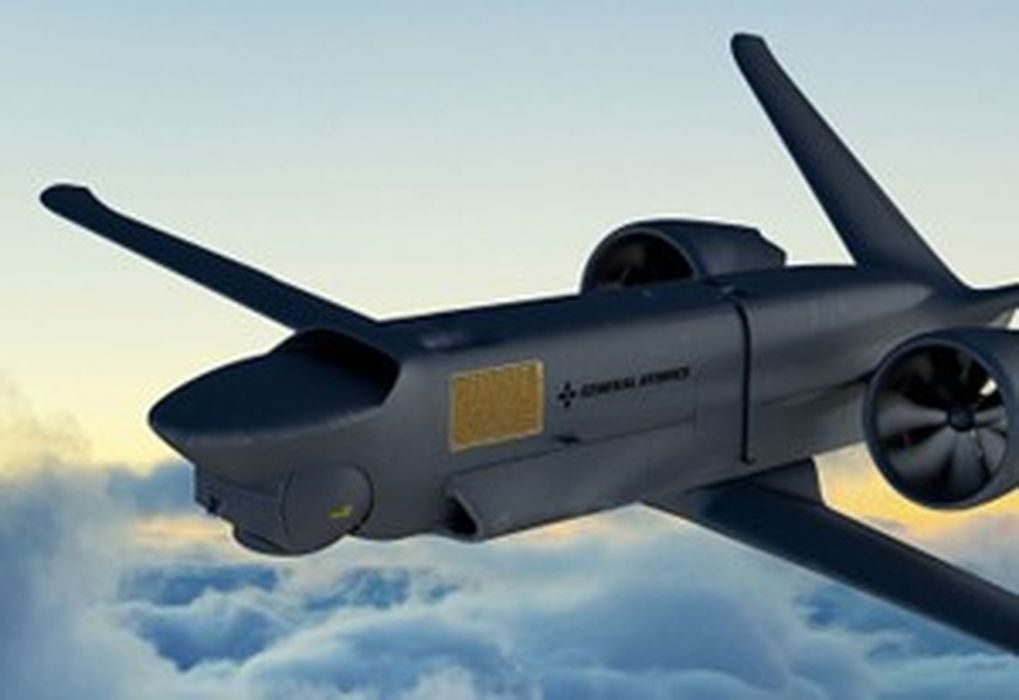
Preeti Sulibhavi and Jacob Nolan explore how 3D printing is empowering European drone innovators like Quantum Systems and Tekever to deliver agile, dual-use UAVs for both defense missions and civil operations across NATO.
As NATO defense spending surges and European leaders seek to close critical industrial gaps, drones have emerged as a vital force multiplier for modern militaries. At the same time, dual-use innovation, the ability to apply advanced technologies across both defense and civilian domains, is becoming a strategic priority.
Nowhere is this shift more apparent than in the growing role of 3D printing in drone manufacturing. European companies like Quantum Systems and Tekever are leading the charge, using additive manufacturing to produce drones that are lighter, more flexible, and optimized for both military and civilian missions.
Both companies have recently achieved billion-dollar valuations.
3D Printing Goes to the Front Lines
3D printing’s speed and flexibility have made it indispensable in drone development. As highlighted in Breaking Bread, Building Drones: 3D Printing Revolutionizes Military Manufacturing « Fabbaloo, forward-deployed 3D printing is allowing military forces to produce custom drone parts on demand, reducing reliance on vulnerable supply chains.
For companies like Quantum Systems, which supply advanced UAVs for both battlefield intelligence and civilian applications like infrastructure inspection, this capability ensures that drones can be quickly adapted to changing mission needs. The EU’s recent Niinistö report stresses the urgency of such dual-use production to strengthen Europe’s strategic resilience.
NATO Spending Fuels the Shift Toward Dual-Use Capabilities
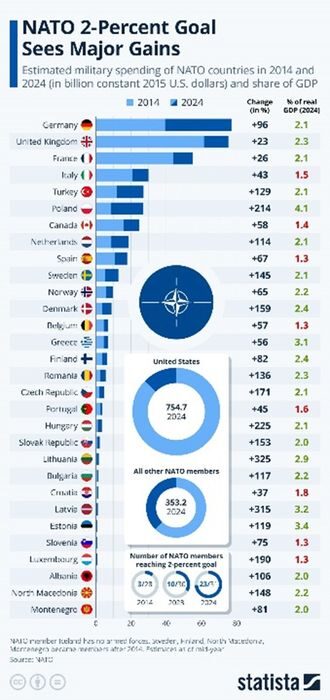
NATO members have been investing more heavily in defense than at any point since the Cold War. According to the latest data, Poland has increased military spending by 214 percent, Finland by 82 percent, and 23 NATO members now meet or exceed the alliance’s 2 percent GDP goal.
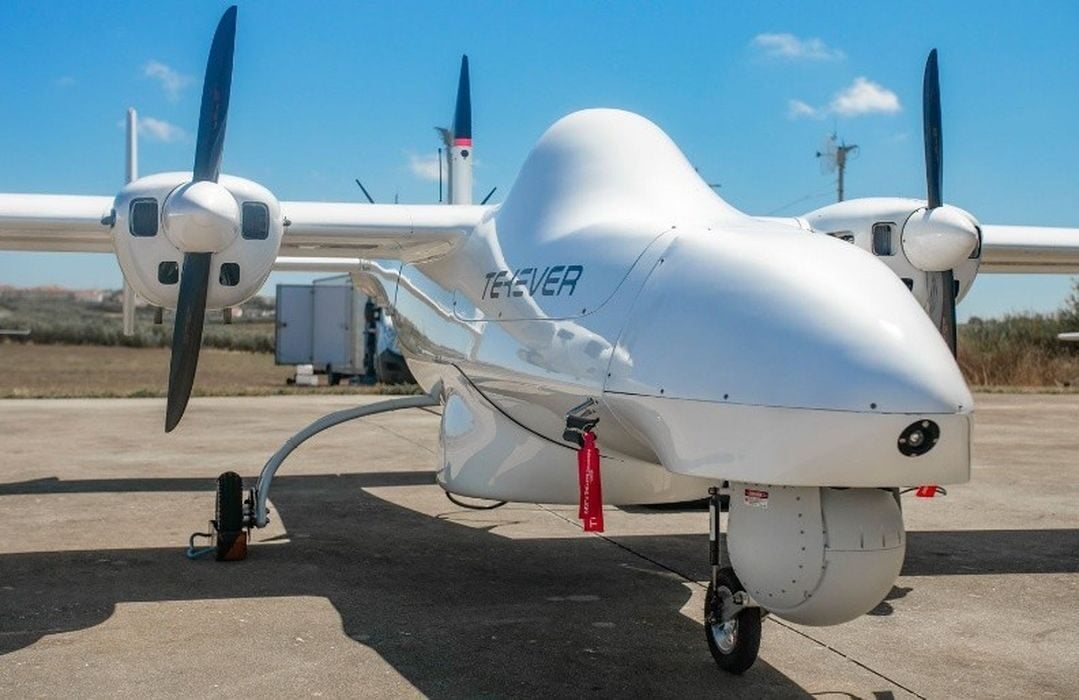
This surge is driving demand for drones that can support both military operations and critical civilian functions. Tekever, known for its maritime surveillance drones, has leveraged 3D printing to produce UAVs used by both European navies and coast guards for border security, search and rescue, and environmental monitoring. This dual-use versatility embodies the EU’s push for defense technologies that serve broader societal needs.
Tekever’s AR5 sea drone can operate beyond radio line of sight (BRLOS) with high-capacity satellite communications and cargo payloads, including maritime radar.
Advanced Composites Drive Performance Gains
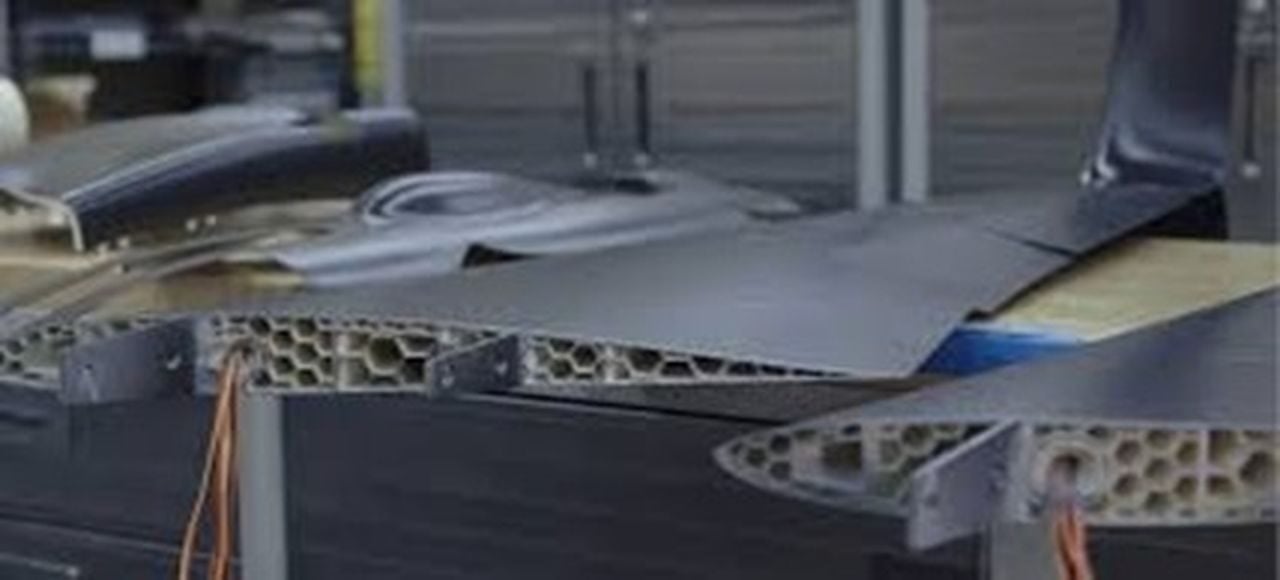
As explored in Revolutionizing Manufacturing Performance, 3D printing with advanced composites is revolutionizing drone design. Both Quantum Systems and Tekever employ lightweight, high-strength materials to maximize flight time, payload capacity, and durability.
This capability is crucial in both military and civilian contexts. A surveillance drone monitoring a border or tracking an oil spill must operate as efficiently and reliably as one conducting reconnaissance in contested airspace.
Multinational Collaboration Enhances Interoperability
Joint initiatives like those featured in High-Tech Shield demonstrate how European nations are leveraging 3D printing to standardize and scale drone production. Tekever already collaborates across multiple EU countries, ensuring its UAVs meet both NATO interoperability standards and EU civilian regulations.
Similarly, Quantum Systems works closely with European partners to deliver UAV platforms that can be rapidly adapted for different operational profiles, from battlefield intelligence to disaster response. This aligns with the Niinistö report’s call for harmonized dual-use innovation across European defense and civilian sectors.
Strategic Readiness Through Additive Manufacturing
3D Printing and Drones: How Quantum Systems and Tekever Are Shaping the Dual-U3D printing enhances readiness by enabling local production of spare parts and components. For both Quantum Systems and Tekever, this means their drones can be maintained and upgraded in the field an essential capability for both fast-moving military operations and critical civilian missions like emergency response.
A Soaring Market Opportunity
The global market for 3D printing in drone manufacturing is poised for rapid growth. According to recent industry forecasts, the market for 3D printed drone components is projected to exceed US$2.5 billion by 2030, growing at a compound annual growth rate (CAGR) of more than 20 percent. This momentum aligns perfectly with Europe’s drive for scalable dual-use capabilities, as companies like Quantum Systems and Tekever lead the way in building UAV platforms that meet the needs of both defense and society.
The Research & Development Tax Credit
The now permanent Research & Development Tax Credit (R&D) Tax Credit is available for companies developing new or improved products, processes and/or software.
3D printing can help boost a company’s R&D Tax Credits. Wages for technical employees creating, testing and revising 3D printed prototypes can be included as a percentage of eligible time spent for the R&D Tax Credit. Similarly, when used as a method of improving a process, time spent integrating 3D printing hardware and software counts as an eligible activity. Lastly, when used for modeling and preproduction, the costs of filaments consumed during the development process may also be recovered.
Whether it is used for creating and testing prototypes or for final production, 3D printing is a great indicator that R&D Credit eligible activities are taking place. Companies implementing this technology at any point should consider taking advantage of R&D Tax Credits.
Conclusion
As NATO allies and European partners race to modernize their forces and strengthen industrial resilience, drones will play an increasingly central role. 3D printing is at the heart of this evolution, enabling companies like Quantum-Systems and Tekever to deliver UAVs that are agile, scalable, and truly dual use.
By embracing additive manufacturing, fostering cross-sector collaboration, and closing capability gaps, Europe and NATO are building a drone ecosystem ready to meet the complex challenges of both the battlefield and the home front. As leaders in this transformation, Quantum Systems and Tekever demonstrate how cutting-edge technology can serve not only defense priorities but also the broader needs of European society.