
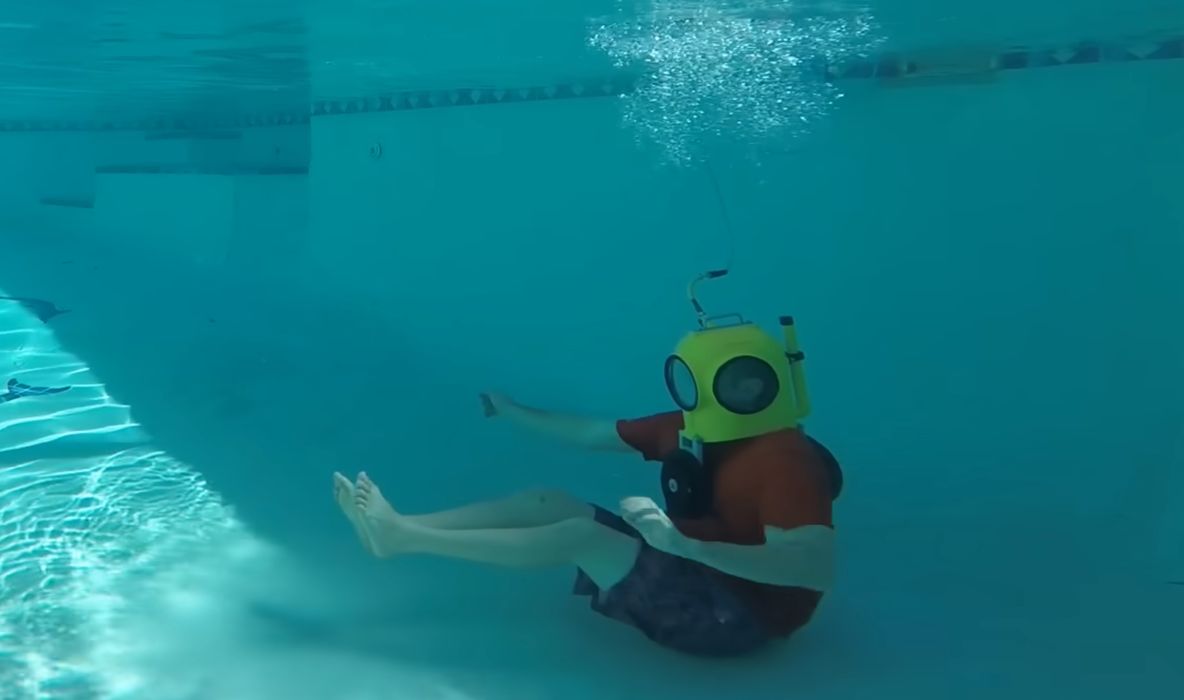
This week’s selection is the Underwater Dive Helmet by Hyperspace Pirate.
Reminiscent of early 20th century helmet divers, this dive helmet is worn underwater, with fresh air being fed into the helmet. The wearer can move about underwater, like a scuba diver, but without air tanks.
At first glance, this project appears to be a straightforward design: a basic helmet with a window or two to see through. However, it turns out there are quite a number of constraints and requirements that must be included in the design.
Unlike most 3D prints, this item is a critical part: if it fails … you die.
Because of that there is quite a bit of work to ensure this helmet actually works, and works very reliably. Hyperspace Pirate’s video proceeds through the lengthy design process used to produce this amazing helmet:
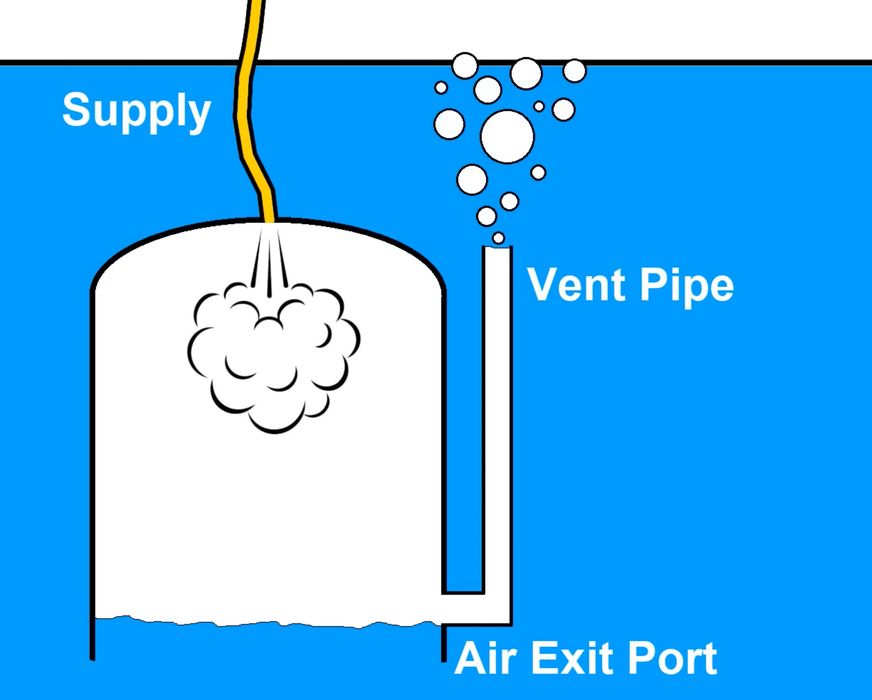
The design process involved examining the usage pattern of the helmet, which involves pumping fresh air. Excess air must be bled off through a vent, located at the rear to avoid obscuring the wearer’s vision, for example. Pressures of water and air were considered, and unintuitive results appeared: the pressure on the windows is outward, not inward as you might expect. Ballast had to be added to keep the helmet from floating away.
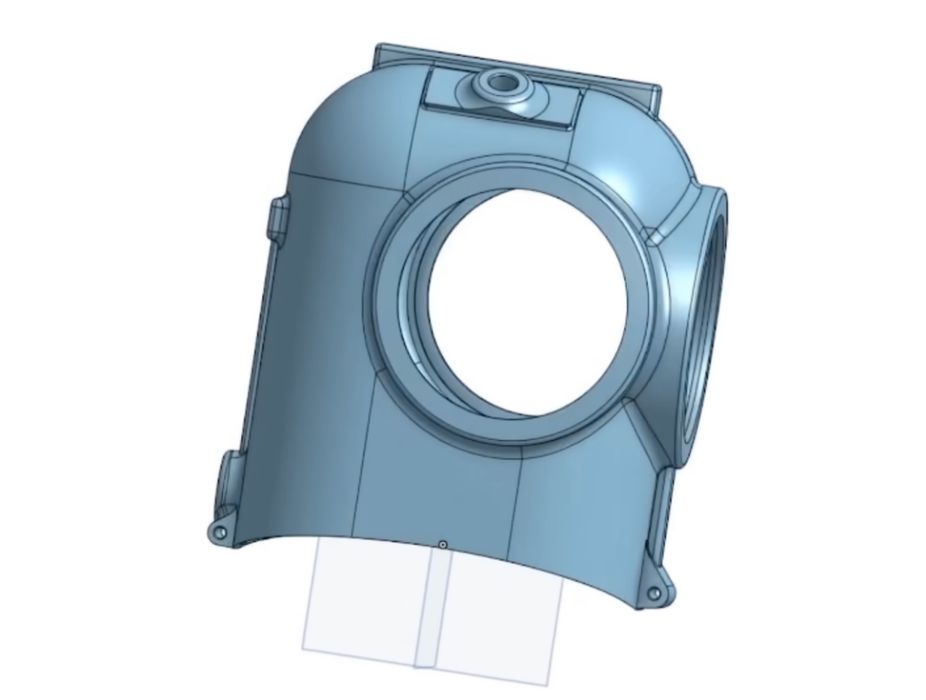
All of these and more factors were used to adjust the design of the helmet, which was then printed in four parts — helmets are pretty big and can’t usually be printed in one piece in typical desktop 3D printer volumes.
Assembling the helmet was also interesting. Simple gluing, as is often done with 3D printed models, is absolutely not sufficient for this critical application. Instead the ABS parts were held together with fibreglass tape, and then the entire helmet was coated with a yellow sealant.
Hyperspace Pirate carefully tested the design in a pool, and used a fully electric air pump — because a fossil powered pump might pollute the intake air sent to the diver.
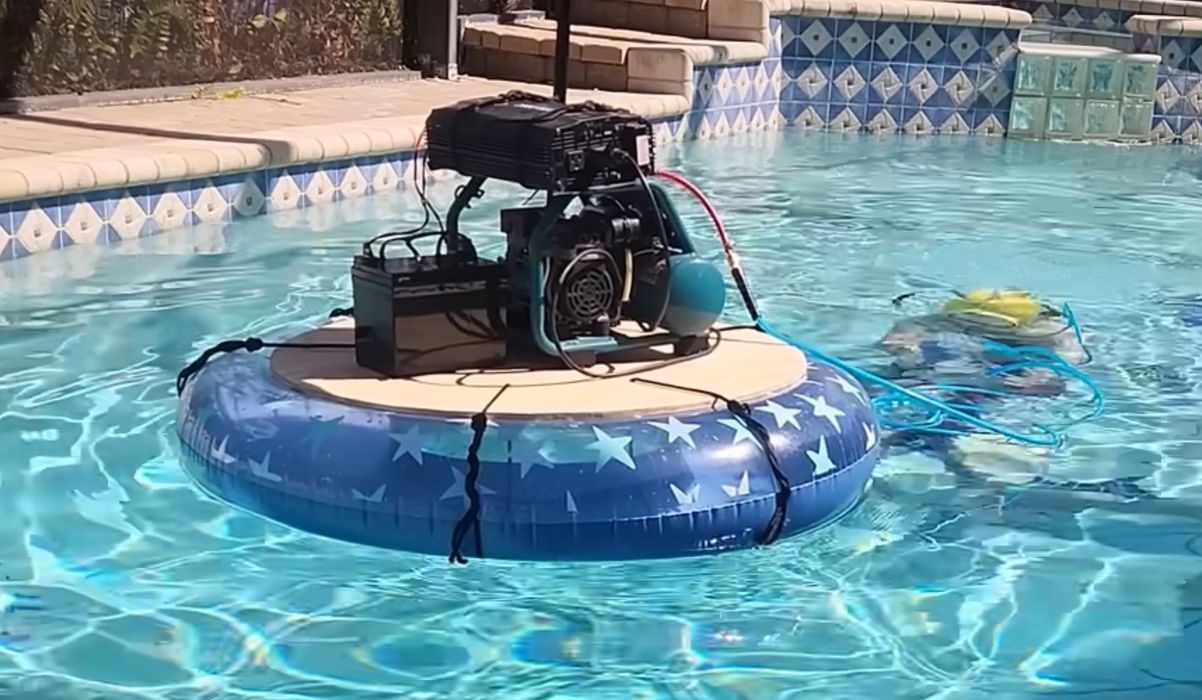
After basic testing, the entire system was made portable by powering the air pump using a battery system. This allowed the diver to head out into true, open water.
Following the entire process, from design to build to test is fascinating, and shows what is truly possible with a simple desktop 3D printer and some ingenuity.
Just don’t try this yourself.
Via Thingiverse and YouTube
