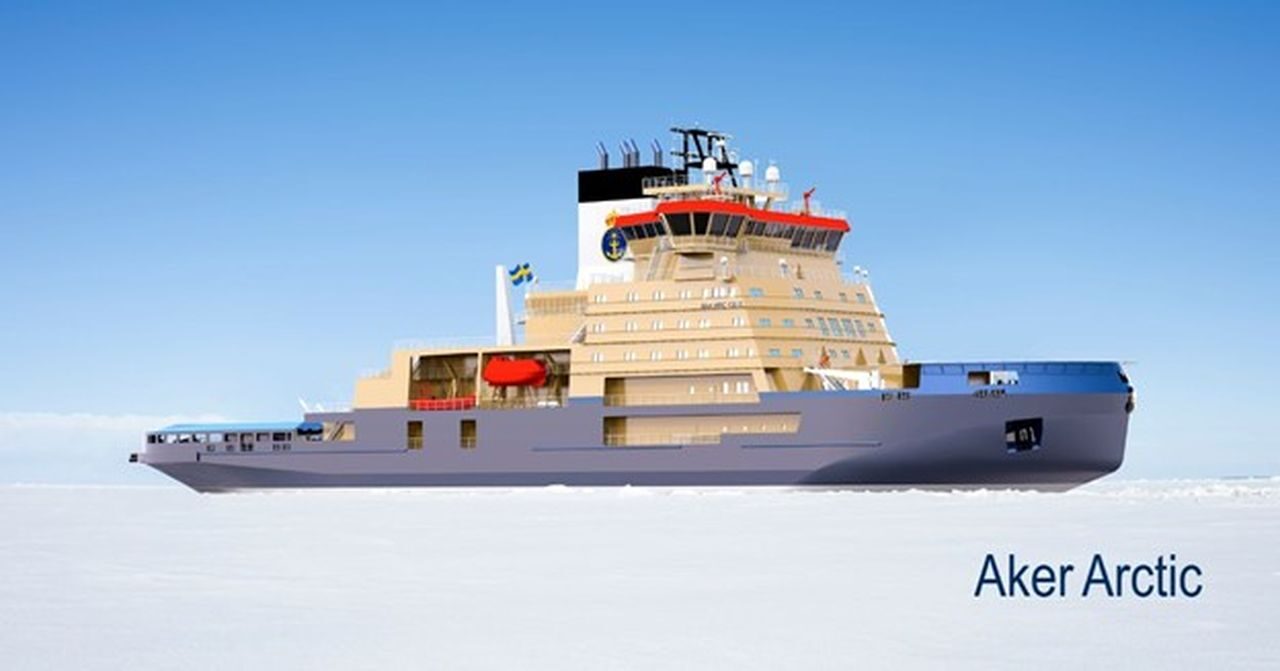
Preeti Sulibhavi and Jacob T. Nolan explore how Aker Arctic’s cutting-edge 3D design and engineering are reshaping the global race to dominate the polar seas.
Digital Design Meets Ice-Hardened Engineering
At the frontlines of polar innovation is Aker Arctic, a Finnish company leading the world in icebreaker design and development. As the United States looks to expand its Arctic fleet for strategic purpose, Aker’s combination of digital engineering, physical model crafting, and additive manufacturing is becoming essential. From scaled ice-testing models to full-sized digitally simulated vessels, Aker is redefining how cold-climate ships are built and tested. And with 3D printing embedded across its workflows, the company has become a global standard-bearer for advanced marine engineering in extreme environments.
Handcrafting the Future with 3D Support
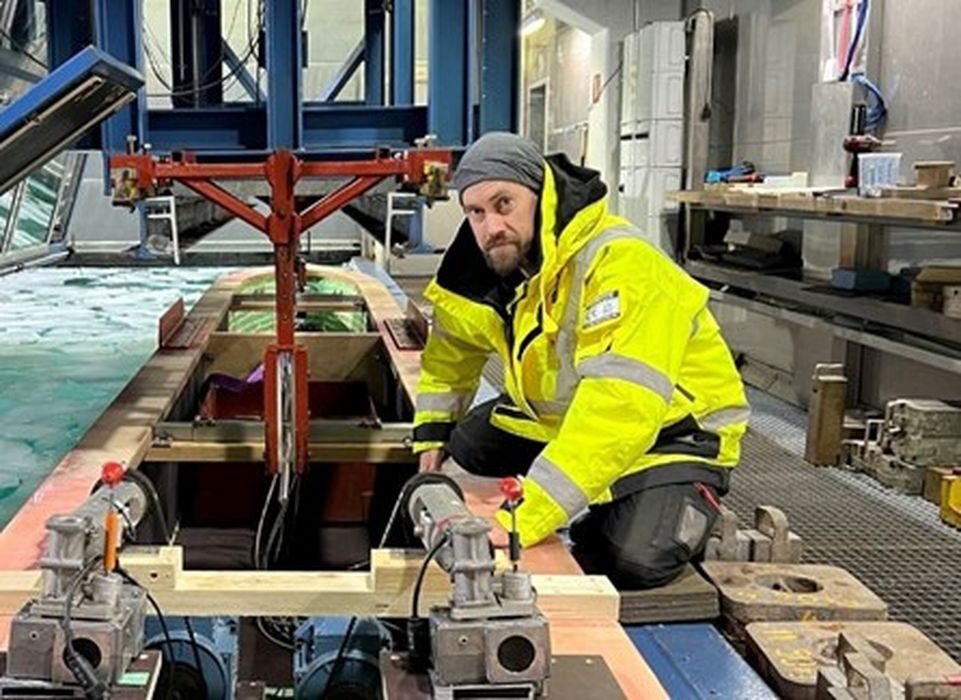
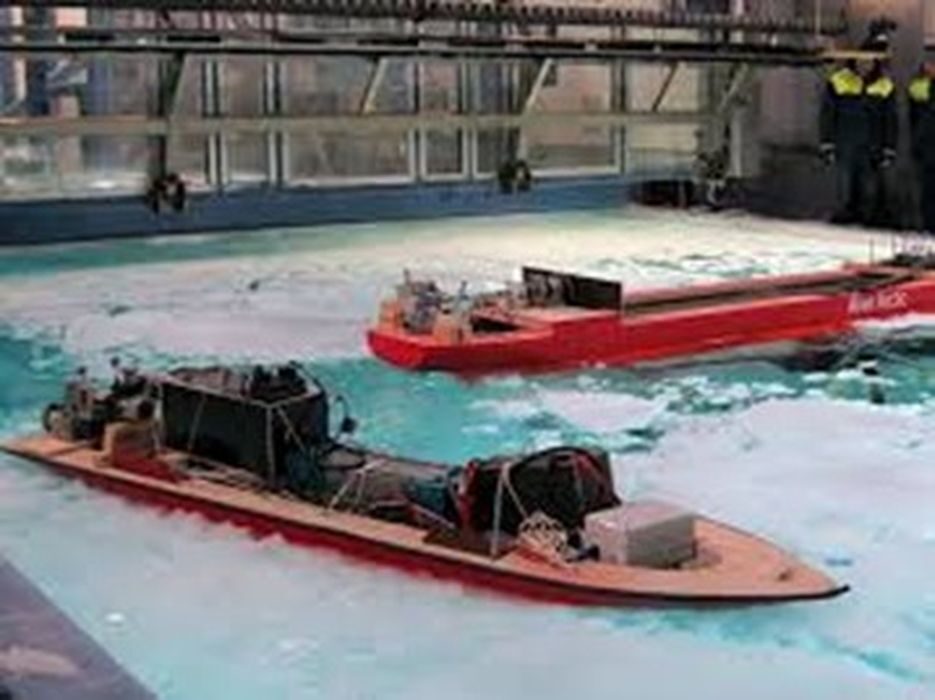
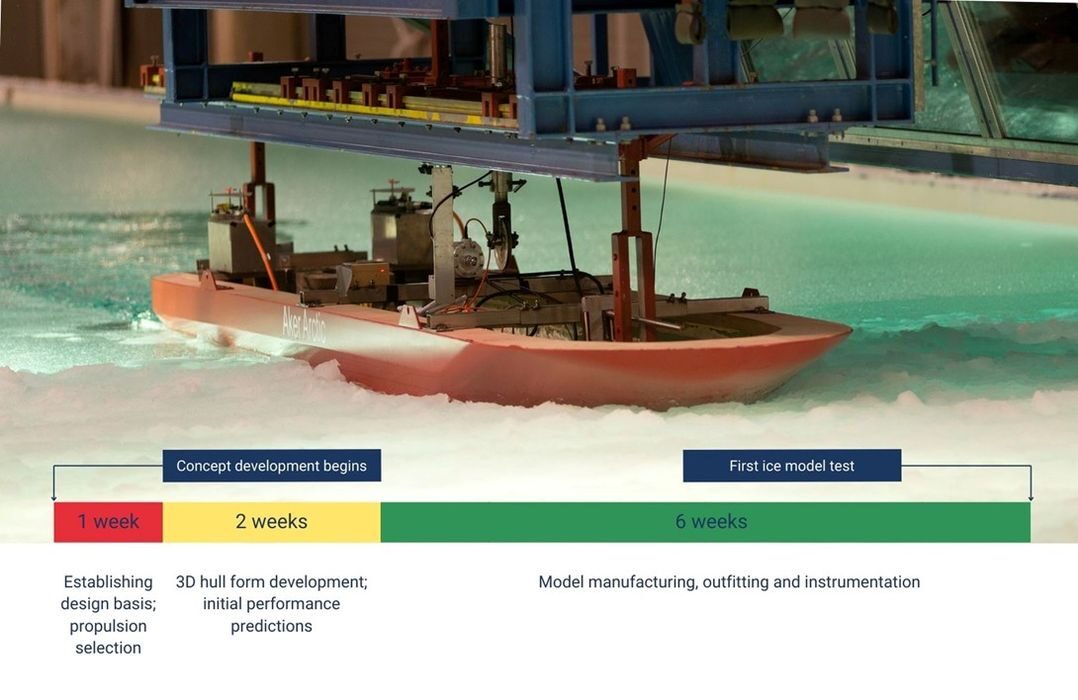
While Aker Arctic is known for its digital simulation and design capabilities, its model workshop is equally critical. Engineers and craftsmen build scale ship models, some as long as four meters, which are used in ice tanks to simulate polar conditions. These models include hundreds of hand-shaped and laser-cut parts, many of which are made with 3D printers to ensure precision and reduce lead times. This hybrid approach allows Aker to test the physics of hull design, propulsion, and structural resistance in real-world ice without risking full-scale vessels.
Trump’s Icebreaker Initiative Turns Toward Finland
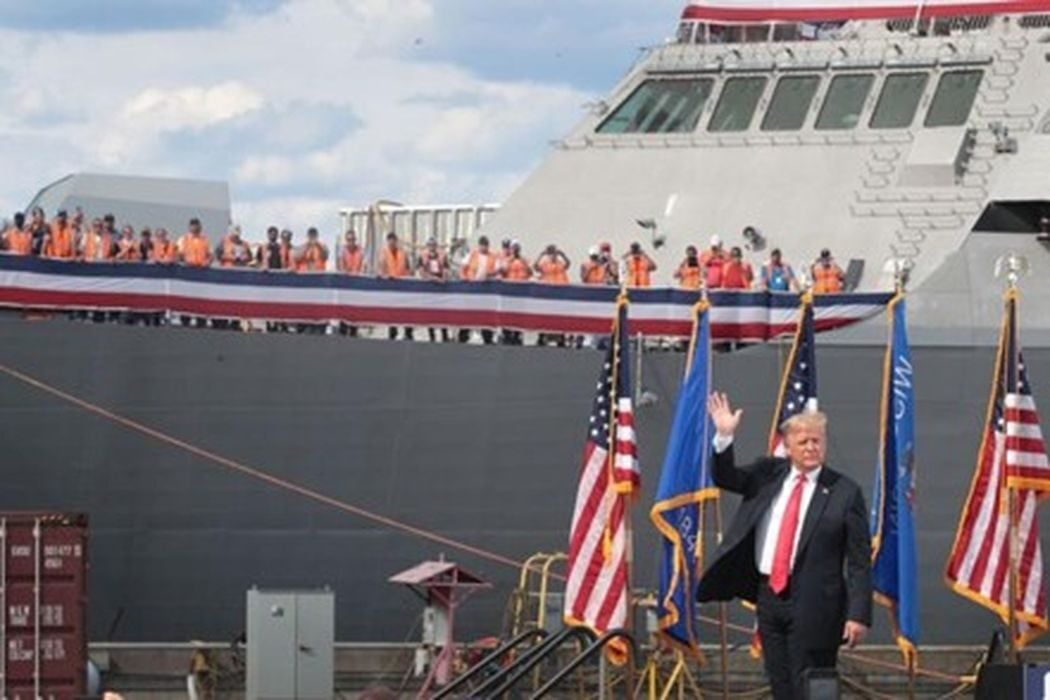
President Donald Trump has reignited the push for American Arctic presence. With Russia operating dozens of heavy-duty icebreakers and the United States having only two, the gap is glaring. Trump has proposed building as many as 48 new ice-capable ships and has even approached Finland about purchasing existing vessels. At a recent summit, he reportedly offered to buy several Finnish icebreakers, demonstrating how quickly the US is seeking to establish a stronger foothold in the region. For Trump’s plans to succeed, US yards will need partners like Aker Arctic to provide proven designs, engineering oversight, and digital infrastructure.
Aker Expands Its Global Icebreaker Design Portfolio
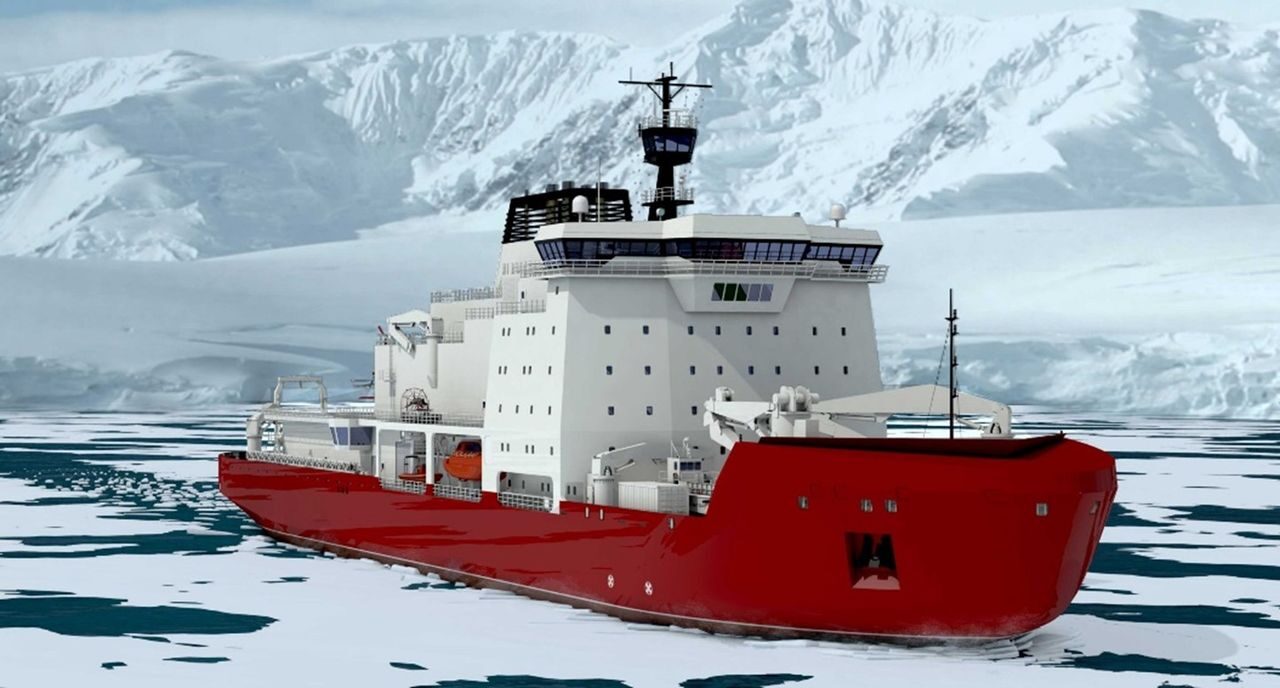
Aker Arctic is no longer designing ships only for Finland. The company has recently been contracted to design next-generation icebreakers for Canada and Sweden as both countries modernize their Arctic and Baltic fleets. In Canada, Aker is supporting the Polar Icebreaker Program, helping create a vessel that will serve in both Arctic scientific and security roles. In Sweden, Aker is designing new multi-purpose icebreaking ships to replace aging government vessels that operate in the Baltic Sea. These new designs rely heavily on 3D modeling, digital twins, and modular component strategies that integrate seamlessly with additive manufacturing. This international work strengthens Aker’s leadership role while spreading advanced 3D engineering practices to shipyards across multiple nations.
Ice Breakers and Aker’s 3D Printing
The United States lacks the capacity to rapidly build modern icebreakers. That is why Canadian company Davie Shipbuilding is partnering with Akers Finland headquarters to bring Finnish designs to upgraded North American yards. Aker’s digital ship blueprints and ice tank data are being shared with facilities in Texas, where over one billion dollars has been invested in construction capacity. These designs are modular, allowing for large portions of vessels to be built off site and then assembled with speed and precision. 3D printing supports this process by producing interior ventilation systems, impeller components, and precision nozzles for propulsion. These components require complex geometry and tight tolerances that traditional methods struggle to match.
The Finnish government has expressed optimism about building icebreakers for the United States, viewing the demand as an opportunity for increased industrial collaboration. Aker Arctic has already designed many of the vessels being discussed, and Finnish shipyards are prepared to assist with production. President Trump has publicly supported the idea of sourcing icebreakers from Finland, even suggesting purchases or partial construction in Finnish yards. While some US lawmakers have pushed for domestic-only production, Finnish officials have said they would be open to joint shipbuilding efforts, especially if final assembly or outfitting occurs in American yards. This hybrid approach could help meet demand quickly while maintaining political and industrial balance between partners.
This fusion of digital design, cross-border construction, and additive manufacturing is not limited to government icebreakers. It reflects a broader trend in maritime innovation where commercial operators are also leveraging 3D printing to transform how vessels are maintained and deployed.
Maersk: The Commercial Side of Additive at Sea
While Aker Arctic leads the transformation of icebreaker design, Maersk, the large Danish shipping multinational company, demonstrates how additive manufacturing and Arctic navigation intersect in the commercial sphere. The company equips its cargo ships with onboard 3D printers to fabricate spare parts in real time during transit. This capability reduces dependency on ports, minimizes downtime, and boosts fleet self-sufficiency.
Maersk has also begun exploring the Arctic as a shipping corridor. In 2018, its vessel Venta Maersk became the first major container ship to complete a voyage along Russia’s Northern Sea Route, sailing from Vladivostok to Murmansk. The route offers the potential for faster transit between Europe and Asia compared to the Suez Canal, especially as climate change gradually extends the Arctic shipping season. Maersk has continued discussions with Russian operators to assess the long-term viability of Arctic passages.
Though the Northern Sea Route remains limited by seasonal ice, unpredictable weather, and geopolitical uncertainty, Maersk’s willingness to test it reflects the broader maritime shift toward innovation in harsh environments. Just as Aker Arctic is designing vessels specifically for polar performance, Maersk is adapting its logistics to explore ice-capable routes and self-reliant operations. Whether printing parts at sea or navigating frozen corridors, both companies illustrate a future where flexibility, digital integration, and resilience are central to maritime strategy.
Aker’s Arctic Advantage in the 3D Age
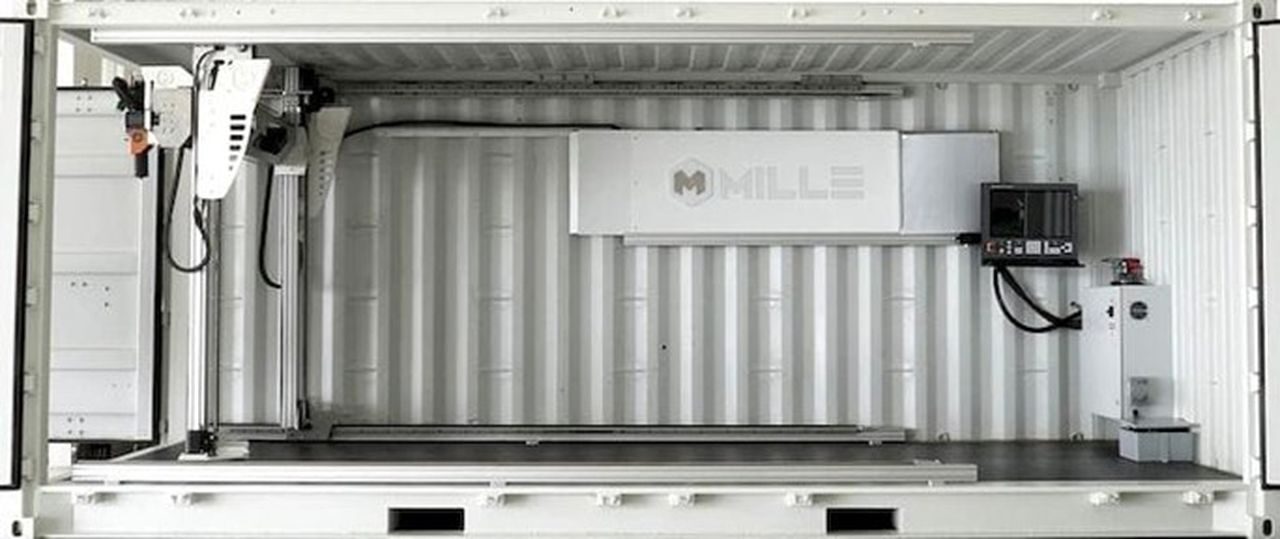
What makes Aker Arctic so influential is not just its experience but its embrace of technology. Every new vessel design begins as a digital twin, runs through thousands of simulations, and is refined through model testing in ice tanks. These designs then move to physical production, often with 3D printed prototype parts or castings for critical systems. Whether it’s rudder joints, stabilizers, or structural fasteners, Aker’s teams are leveraging additive manufacturing to optimize performance. This multi-stage integration of software and hardware creates ships that are faster to build, safer to operate, and tailored to extreme environments.
The Research & Development Tax Credit
The now permanent Research & Development Tax Credit (R&D) Tax Credit is available for companies developing new or improved products, processes and/or software.
3D printing can help boost a company’s R&D Tax Credits. Wages for technical employees creating, testing and revising 3D printed prototypes can be included as a percentage of the eligible time spent on the R&D Tax Credit. Similarly, when used as a method of improving a process, time spent integrating 3D printing hardware and software counts as an eligible activity. Lastly, when used for modeling and preproduction, the costs of filaments consumed during the development process may also be recovered.
Whether it is used for creating and testing prototypes or for final production, 3D printing is a great indicator that R&D Credit eligible activities are taking place. Companies implementing this technology at any point should consider taking advantage of R&D Tax Credits.
Conclusion
Aker Arctic is proving that the future of shipbuilding lies at the intersection of craftsmanship and technology. Their use of 3D printing, digital twins, and hands-on ice model testing is shaping how nations like the United States, Canada, and Sweden plan their next fleets. As Trump calls for a stronger Arctic presence and shipyards from Texas to Helsinki go into overdrive, Aker’s role becomes even more central. In this new maritime era, strategic strength is no longer just about fleet size. It is about design speed, adaptability, and the power of additive manufacturing. Let’s hope this development helps break the ice between these nations.