Charles R. Goulding and Aaron Rofe spotlight how Regeneron’s support for young STEM talent and bold R&D spending is reshaping the frontiers of medicine and manufacturing.
Regeneron’s Investment in Innovation
Regeneron Pharmaceuticals, Inc. is a leading biotechnology company founded and led by physician-scientists, dedicated to inventing, developing, and commercializing life-transforming medicines. Their focus areas include eye diseases, allergic and inflammatory diseases, cancer, cardiovascular and metabolic diseases, hematologic conditions, infectious diseases, and rare diseases. The company employs approximately 15,000 people worldwide. In fiscal year 2024, Regeneron reported total revenues of $14.2 billion, an 8% increase from US$13.1 billion in 2023. GAAP net income for the year rose 12% to US$4.4 billion, compared to US$4 billion in 2023.
Regeneron actively fosters the next generation of STEM leaders through its support of major science competitions. The Regeneron International Science and Engineering Fair (ISEF) is the world’s largest pre-college STEM competition, which awarded over US$9 million in prizes to nearly 1,700 young scientists from various countries and US states at its 75th annual event in 2025. Regeneron has been the title sponsor of ISEF since 2019, encouraging students to pursue STEM careers. Another prestigious program supported by Regeneron is the Regeneron Science Talent Search (STS), a research-based science competition for US high school seniors.
Often described as “the nation’s oldest and most prestigious” science competition, it was originally known as the Westinghouse Science Talent Search for its first 57 years, then as the Intel Science Talent Search from 1998-2016, then in May 2016 it was announced that Regeneron would be the new title sponsor of the competition.
Several notable 3D printing-related projects have received significant recognition in these competitions:
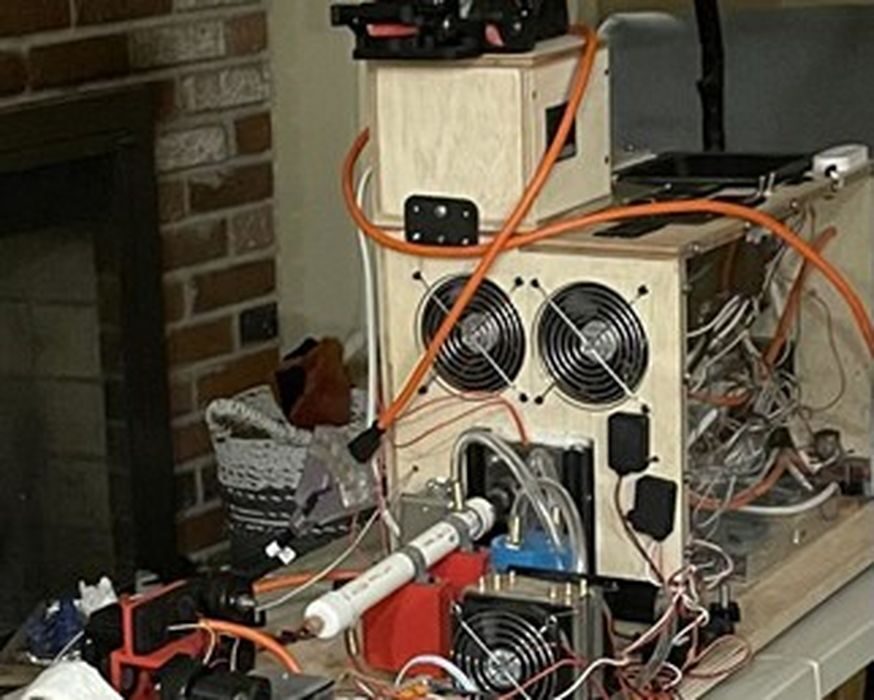
- Benjamin Davis, a 16-year-old from Wrentham, Massachusetts, received the US$75,000 Regeneron Young Scientist Award at the 2025 Regeneron ISEF for developing a desktop plastic recycling system. His user-friendly system recycles 3D printer waste and other plastics into filaments for 3D printing. Given that up to 67% of filament use in typical 3D printing projects can end up as waste, his system, which combines pultrusion and extrusion processes for 45% greater efficiency, offers a faster and higher-quality recycling solution at 90% less cost than commercial alternatives.
- Samuel Skotnikov, Chanyoung Kim, and Eeshaan Prashanth were awarded the US$50,000 Gordon E. Moore Award for Positive Outcomes for Future Generations at the 2025 Regeneron ISEF. All were from Texas. Their project involved creating a brain-controlled bionic prosthetic leg called “Neuroflex.” Recognizing that current robotic limbs are expensive and can feel unnatural, their design reads the wearer’s brain signals via an EEG headband to support desired movements. The team also incorporated a more realistic ankle joint, and their prototype demonstrated a 98% accuracy rate in predicting movements, offering a potential solution to reduce the cost burden of prosthetic limbs.
- From the 2021 ISEF, Brian Minnick won first place in Engineering Mechanics for creating a self-replicating 3D printer. Minnick’s machine achieved 100% 3D printability, meaning every part could be manufactured by another 3D printer of the same type. He also made significant progress toward self-assembly, effectively creating the first assisted replicator. A key breakthrough was developing a novel conductive material using solder paste, which exhibited 98.3% less resistivity than the best commercial alternative. His design minimized complex assembly processes through “print-in-place” kinematics, allowing 80% of the machine to be 3D printed in under a day for less than US$5 in materials. Minnick envisions application both on Earth (e.g., exponentially increasing manufacturing capacity for critical equipment, bringing manufacturing to remote regions, and using biodegradable biopolymers to reduce plastic pollution) and in space (e.g., self-replicating space probes for galaxy exploration and lunar factories for material processing and spacecraft production).
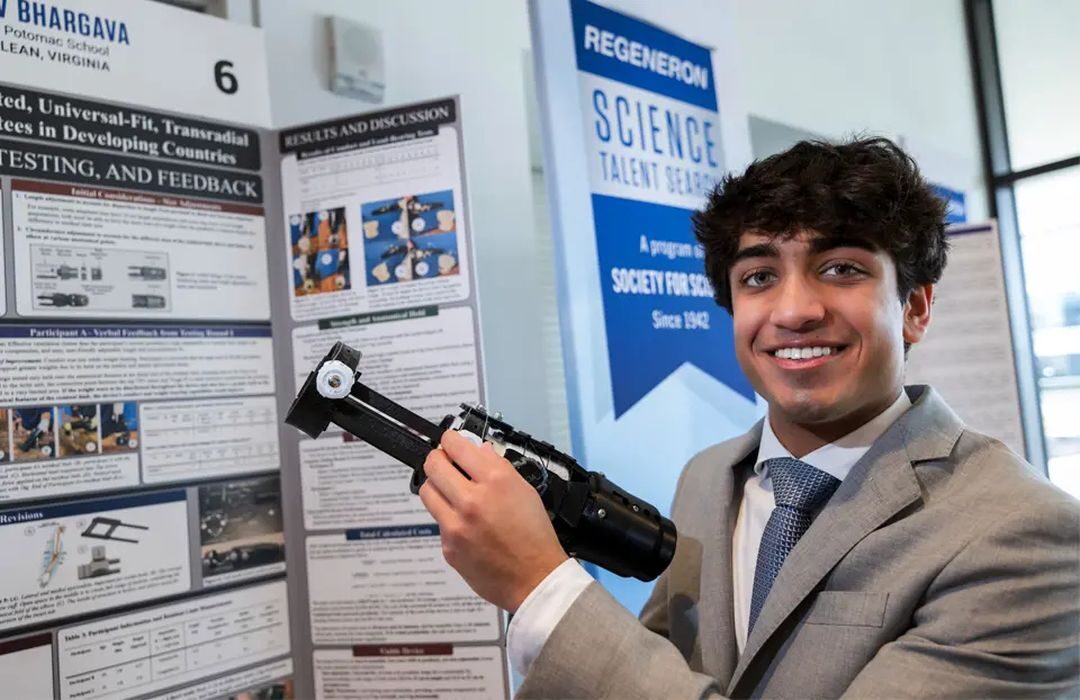
- At the 2024 Regeneron Science Talent Search, high school senior Arav Yash Bhargava from McLean, Virginia, developed a size-adjustable, 3D printed prosthetic socket for individuals with arm loss. This prototype costs less than US$40, yet it is nearly as strong as existing prosthetic devices that cost thousands of dollars and significantly improves user comfort. Bhargava’s invention addresses a critical global health challenge, as nearly 40 million people in poorer countries need prosthetic limbs but only 5% can afford them. His design underwent approximately 300 iterations and utilized Autodesk Fusion 360, an Ultimaker S5 3D printer, and TPU material. The prosthetic offers an accurate custom fit for various limb sizes and is adjustable in both size and length. Early volunteer tests have shown positive results, indicating greater comfort compared to standard prosthetic sockets. Bhargava’s work was inspired by teaching swimming to children with disabilities and included an internship at Walter Reed National Military Medical Center, alongside creating a podcast series on prosthetics. His efforts align with other organizations like e-NABLE and ROMP, which also use 3D printing to provide affordable and accessible prosthetic solutions worldwide
The Transformative Power of 3D Bioprinting
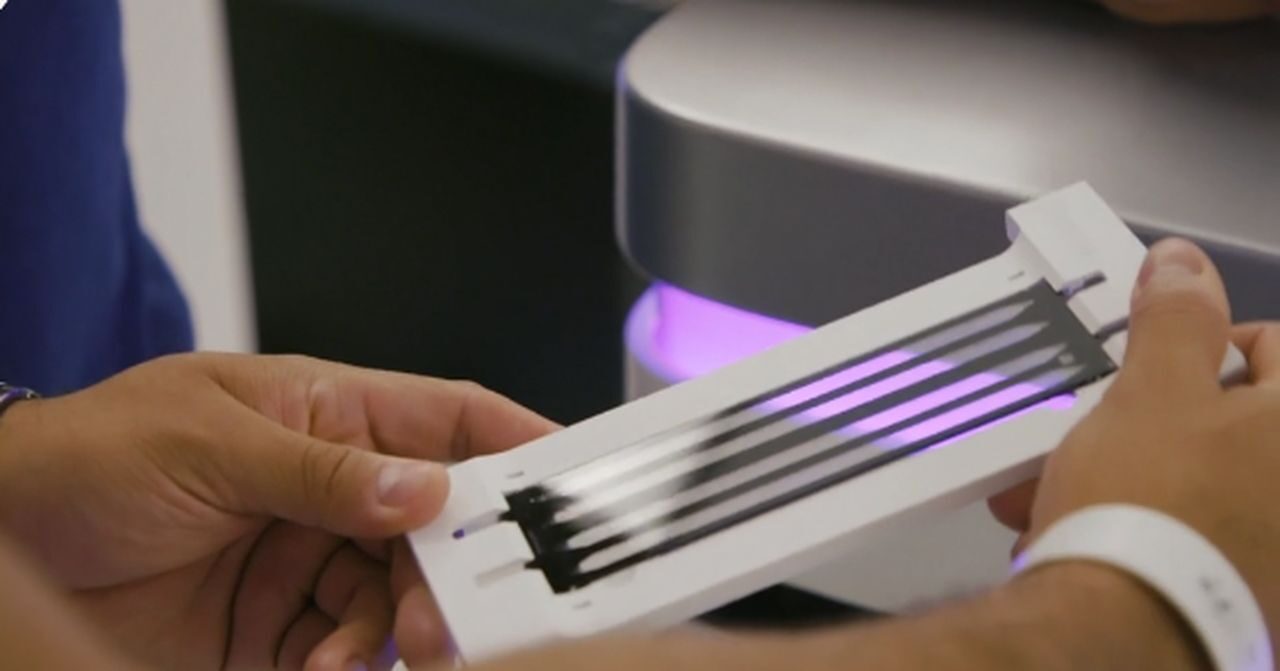
Bioprinting is an advanced technology that uses principles similar to 3D printing to create living biological structures. Instead of typical printing materials like plastics or metals, bioprinting precisely arranges living cells, biomaterials, and biological molecules layer by layer to build three-dimensional constructs. The special “ink” used in this process is called “bioink”, and it contains living cells along with supportive biological materials such as collagen, gelatin, or alginate, designed to imitate the natural environment of tissues. Stem cells, which have the ability to differentiate into various cell types, are often used as the source of living cells.
This technology offers significant benefits in the pharmaceutical industry. It allows for the creation of intricate tissue and organ models that closely mimic the complex structure and function of human organs. These realistic models enable more accurate testing of new drugs for their effectiveness, safety, and potential toxicity compared to traditional 2D cell cultures or animal testing. This can help reduce reliance on animal experimentation and streamline the drug development process.
Several companies and institutions are at the forefront of bioprinting advancements:
- Organovo, a leading bioprinting research company, has developed bioprinted tissues containing tiny blood vessels, as small as 50 microns. They have collaborated with pharmaceutical giants like Roche to evaluate drug toxicity using 3D-printed “livers”, demonstrating organ-level responses to drug-induced toxicity in vitro.
- Major pharmaceutical companies such as Roche and AstraZeneca are actively researching 3D bioprinting to create preclinical study models. AstraZeneca, for example, collaborates with CELLINK to utilize their 3D bioprinting technology for liver organoid culture. CELLINK is also listed as a leading bioprinting 3D print manufacturer.
- Wake Forest Institute for Regenerative Medicine in the USA successfully implanted lab-grown bladders into patients as early as 1999. They are also involved in bioprinting synthetic skin.
- Researchers at Tel Aviv University have 3D printed a rabbit-sized heart using a patient’s cells. While it can contract, it is not yet capable of pumping, but the potential for future human-sized implantable hearts for cardiovascular disease treatment is being explored.
- Carnegie Mellon University has reported the ability to 3D bioprint functioning pieces of the heart, such as heart valves, using cells and collagen.
- Various other institutions globally are also exploring bioprinting specific body parts: the University Medical Center Utrecht (Holland) for skulls, Cornell University (USA) for noses and ears, Queensland University of Technology (Australia) for breasts, Hangzhou Dianzi University (China) for kidneys, and Cleveland Liver Transplantation (USA) for livers.
Bioprinting also facilitates the development of personalized medicines and drug delivery systems tailored to individual patient needs, allowing for customization of factors like dosage, shape, and how quickly a drug is released. This potential for personalized treatment can lead to more effective and safer drug therapies. Ultimately, bioprinting has the potential to accelerate the drug development timeline, making it more efficient and potentially reducing overall costs to bring new medications to market.
Despite its promise, bioprinting faces several challenges. These include the difficulty in perfectly replicating the complex biological environment of human tissues, ensuring that bioprinted tissues develop a functional blood supply (vascularization) for long-term survival, and preventing potential immune rejection if these tissues are intended for implantation. Additionally, there is a need for further standardization of bioprinting materials and processes, addressing high initial equipment and material costs, and navigating evolving regulatory frameworks for bioprinted drugs.
Regeneron demonstrates a significant commitment to research and development, with substantial R&D expenses:
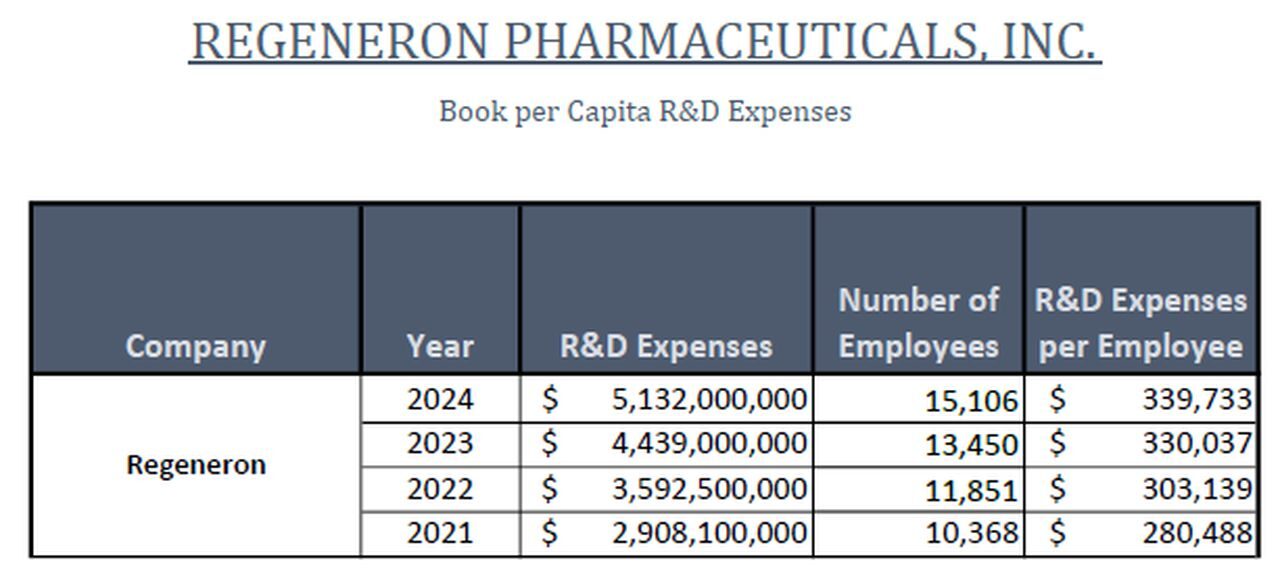
This consistent increase in R&D investment underscores Regeneron’s dedication to pushing the boundaries of scientific discovery.
The Research & Development Tax Credit
The now permanent Research and Development (R&D) Tax Credit is available for companies developing new or improved products, processes and/or software.
3D printing can help boost a company’s R&D Tax Credits. Wages for technical employees creating, testing and revising 3D printed prototypes are typically eligible expenses toward the R&D Tax Credit. Similarly, when used as a method of improving a process, time spent integrating 3D printing hardware and software can also be an eligible R&D expense. Lastly, when used for modeling and preproduction, the costs of filaments consumed during the development process may also be recovered.
Whether it is used for creating and testing prototypes or for final production, 3D printing is a great indicator that R&D Credit-eligible activities are taking place. Companies implementing this technology at any point should consider taking advantage of R&D Tax Credits.
Conclusion
From pioneering life-transforming medicines to championing the next generation of scientific talent, Regeneron exemplifies how sustained investment in research and innovation can drive both commercial success and societal progress. The company’s growing revenues and increased R&D expenditure underscore its commitment to pushing the boundaries of biotechnology. Through its sponsorship of programs like the Regeneron Science Talent Search and the International Science and Engineering Fair, Regeneron nurtures young innovators whose work – particularly in fields like 3D printing and bioprinting – addresses critical global challenges and reimagines the future of healthcare. As bioprinting technologies continue to evolve, with the potential to revolutionize drug testing, regenerative medicine, and personalized therapies, the fusion of corporate innovation and scientific mentorship signals a promising pathway forward – one where discovery is not just a goal, but a shared mission.