
Want to save 3D print material? SliceDog can do that.
Slicedog is a plug-in for major 3D print slicing software, produced by Czech-based Dolphin Printer s.r.o. They say it can save up to 50% of material on some 3D prints — while maintaining the necessary strength.
Making parts strong is easy: just add more material. However, that’s the easy — and expensive way out of a strength problem.
The more complicated approach is to ensure there is more material only in the regions of the part that will actually require the strength.
But how do you do that? Normally you’d send your model through a mechanical stress analysis system to identify the important regions. Then you’d manually change the infill density in those regions to match the stress. A lot of steps, and some advanced tools are required.
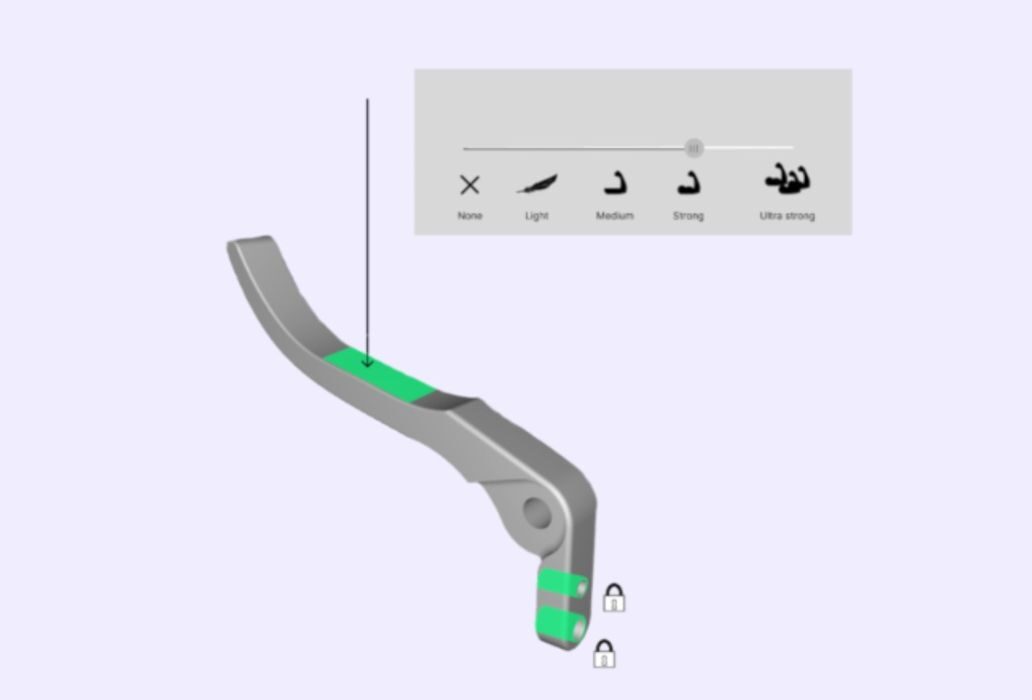
This is where Slicedog steps in. The system allows the user to identify where mechanical force is to be applied, and some fixed points of attachment. The software then automatically figures out the stressed regions of the part, and adjusts the infill density appropriately.
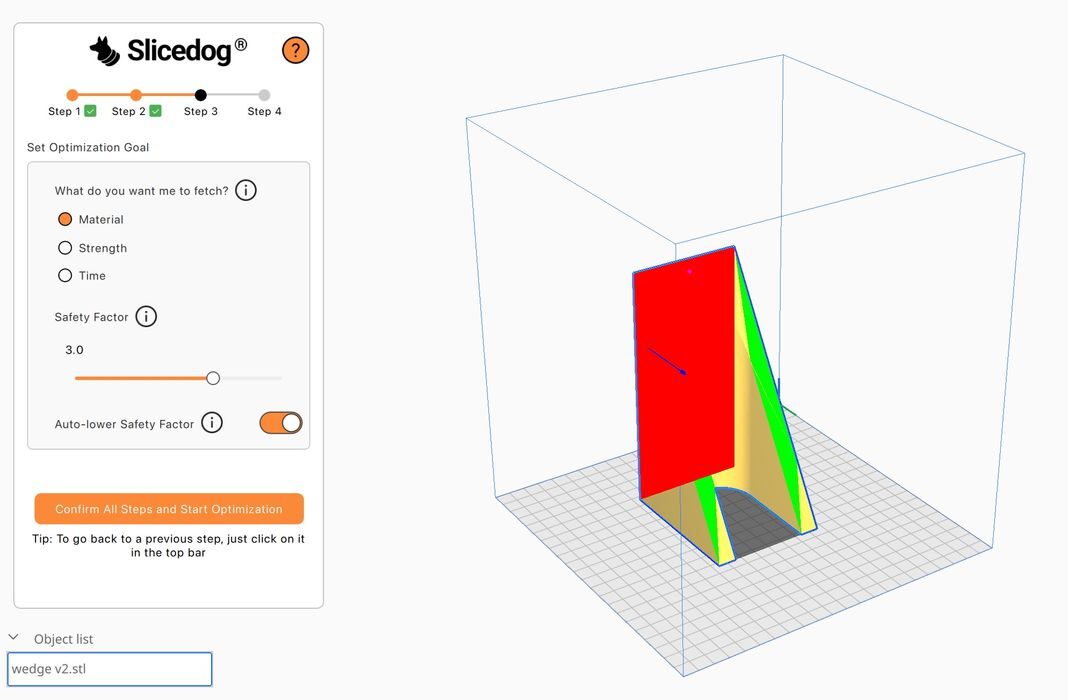
I was able to download the plug-in for UltiMaker Cura, and it does show up as a tab. From there you specify the area of force and fixed points. The optimization requires you to register and sign into their server, where presumably the optimization takes place.
It’s not clear what pricing might be required for Slicedog as it is currently in the beta stage. However, it looks to be a very straightforward tool to use that can definitely optimize your 3D prints — and save some expensive filament.
Via SliceDog
