
How do desktop 3D printer manufacturers make their products “sticky”?
The “sticky” concept is a business term. Basically, it means that once you buy one of the products, you tend to buy more from that same manufacturer in the future. In other words, they somehow made the product “sticky”. It’s like “loyalty” to a brand, but more like the factors that generate loyalty.
This is quite important in the desktop 3D printer biz, because the game is to sell as many machines as possible in order to lower the cost to produce each. More sold, more profit. One way to get more sales is to encourage existing customers to buy more or renew their equipment. That’s where stickiness comes in.
Many industries use the sticky concept, but what are the factors used by 3D printer manufacturers to make their products sticky? We made a list.
Friendly Support
This is one of the earliest to emerge in the industry, and it’s pretty straightforward: simply provide responsive, friendly service. When the machine breaks, having a comforting voice to assist is incredibly valuable, and that alone can keep customers coming back. On the other hand, if a customer has a bad experience with support, that very quickly becomes an anti-sticky factor.
Integrated Models
In the early days of desktop 3D printing, there was little content available. That’s why MakerBot made Thingiverse, and others appeared shortly thereafter. But today, there are plenty of 3D models sources, so why would a 3D printer manufacturer feel the need to make their own?
It’s because they can control the model platform and implement sticky features. For example, a site might provide pre-sliced versions of a model for easy printing — but only for their own equipment. Sites make it easy for their own customers, and slightly harder for others. In some cases, it may even attract buyers who wish to have that smoother experience.
Tagged Spools
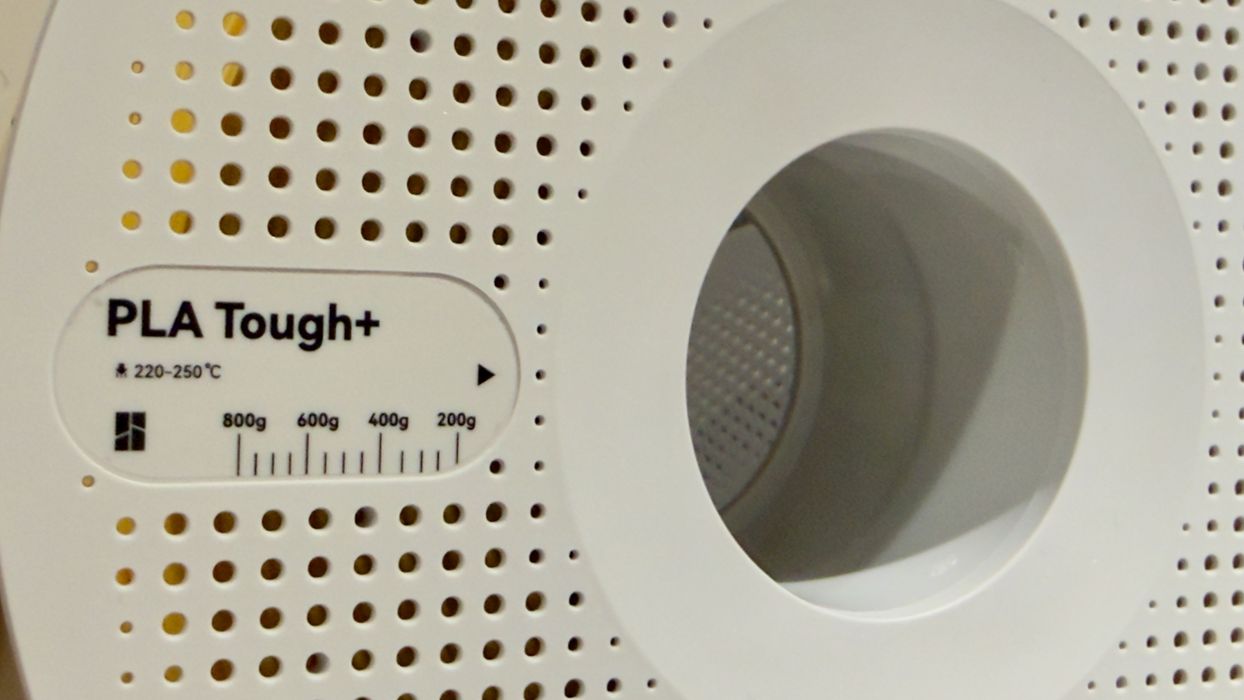
Today, many desktop 3D printer manufacturers offer filament swapping systems to perform multicolour prints. This inevitably means there are multiple spools mounted in an AMS-like accessory or on the machine itself. Tagging is a way for the equipment to automatically recognize the spool: material type, colour, and even the amount of filament remaining by tracking its serial number and use.
The sticky part comes in when these systems recognize only the spools from the manufacturer, forcing “alien” spools to be manually identified. That’s more work for the operator and a smoother experience for those using the manufacturer’s filament. Life is easier if you use those spools.
Upgradeability
A portion of the desktop 3D printer buyers are those who wish to tinker with their machine. Some manufacturers cater to this desire by making machines upgradeable and providing actual upgrade kits for more advanced features and functions.
But as you gradually enhance a machine, you’re more likely to be invested in it and less likely to move to a competitor. When it does come time to renew the equipment, your experience with the old machine carries forward into expectations for the new machine. You know you can upgrade it because you did previously, and you don’t know you could on other equipment.
Dedicated Software
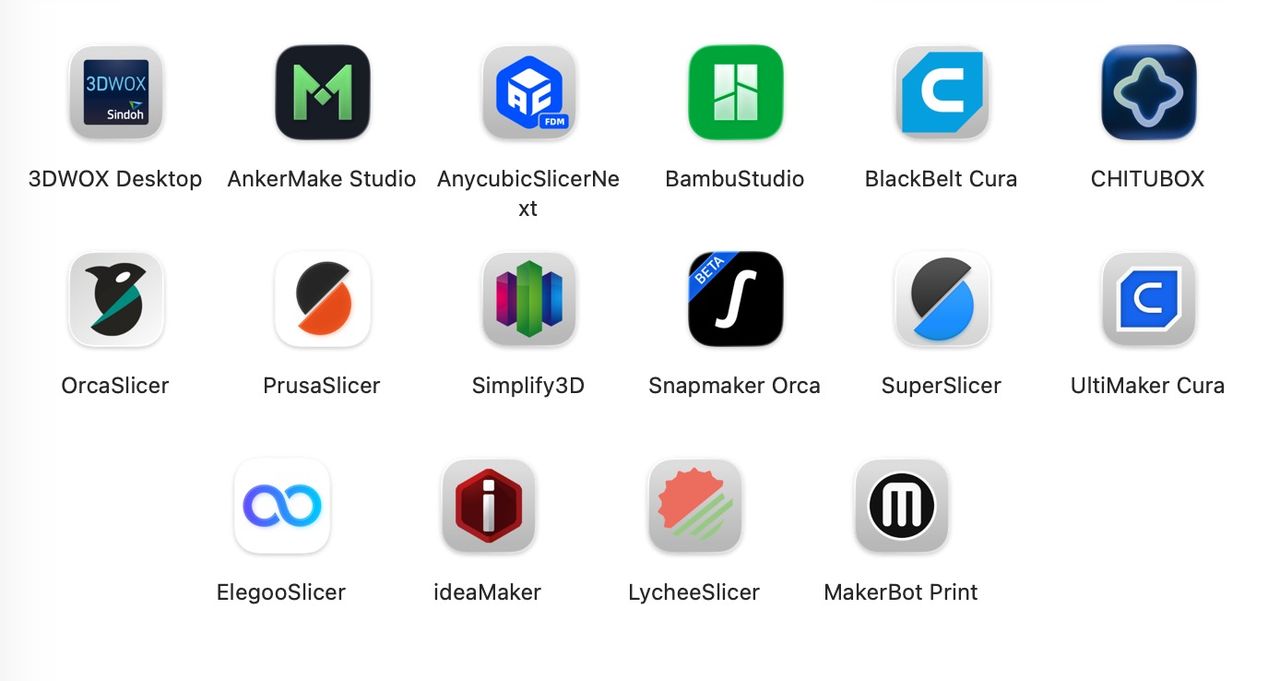
There are plenty of slicing software tools available, and most of them work with the majority of desktop FFF devices. So why do you need more than one?
It’s because many manufacturers start with an open-source slicing platform and then modify it to provide more ease-of-use features for their own customers. Why use a third-party slicer when the one that comes with the machine offers a slightly better experience? It’s more sticky.
Dedicated software is also key because it is the platform on which several other sticky features can be implemented, so it is critical for a manufacturer to have their own software system, even if it does the exact same things as a third party tool.
Points Systems
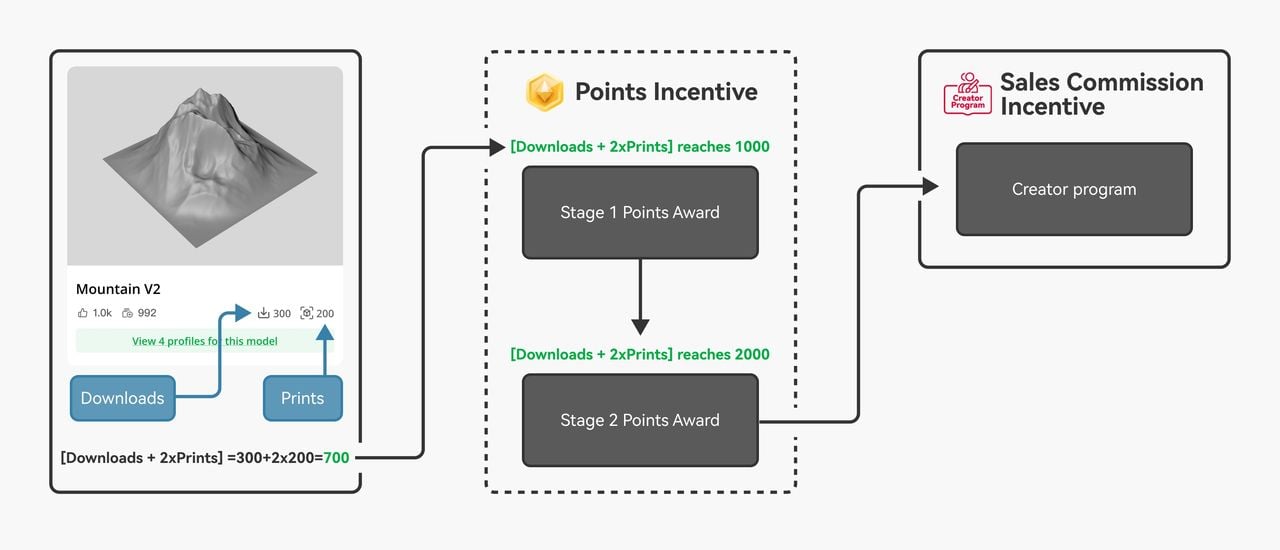
Dedicated software and a 3D model site allow the manufacturer to implement some form of points system. This is used to gamify participation in the ecosystem and is a well-known method of not only making customers stay but also use more of the products and services. More use equals more points! Airlines pioneered this concept, and it worked very well. It also works extremely well in 3D printing.
Some of the points systems emerging in the 3D print world are quite sophisticated, and almost transform the experience from one of “sharing models” to more “sales of models”.
Spool Format
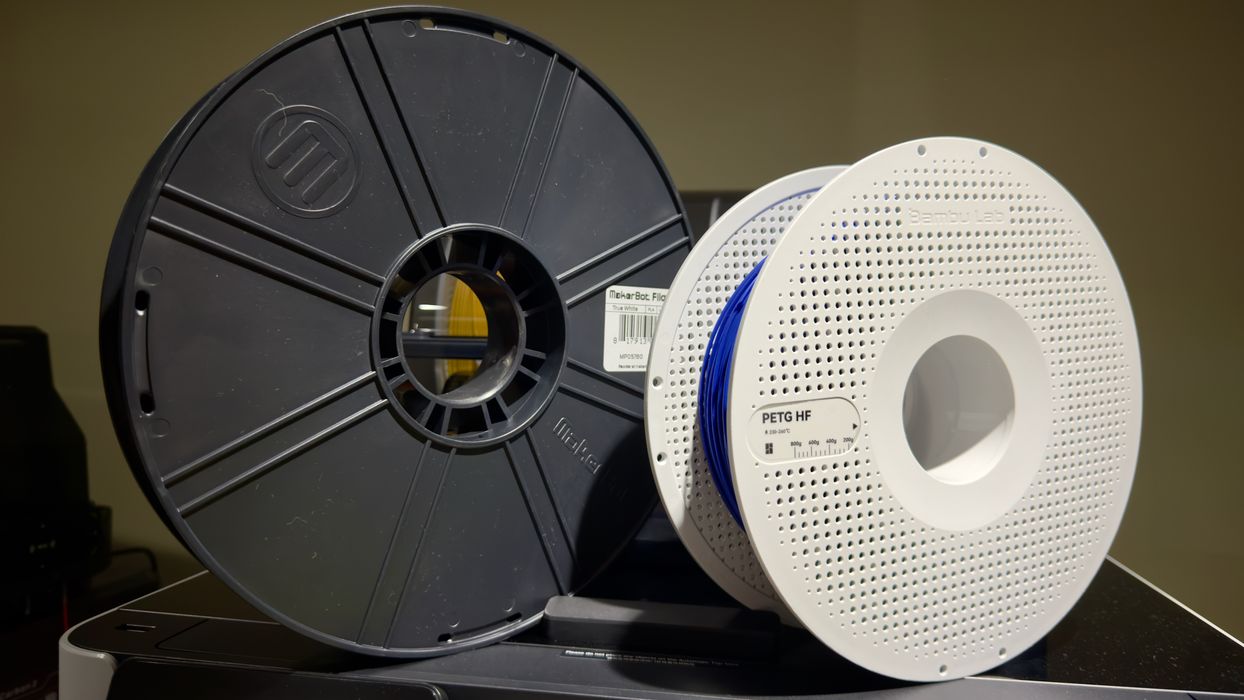
Today’s 3D printer operators might not realize it, but years ago there were no standard spool formats. You’d find them in odd shapes and sizes based on the manufacturer.
Because of the physical size differences, you very often could not fit a spool on different machines. This was a way to encourage purchases of the manufacturer’s spools — because they fit and others did not.
Today this factor is diminishing because of the use of filament swapping accessories. These require spools to be of a particular size, and the industry seems to be converging on something close to Bambu Lab’s spool dimensions. This factor will soon drop off the list.
Local Access
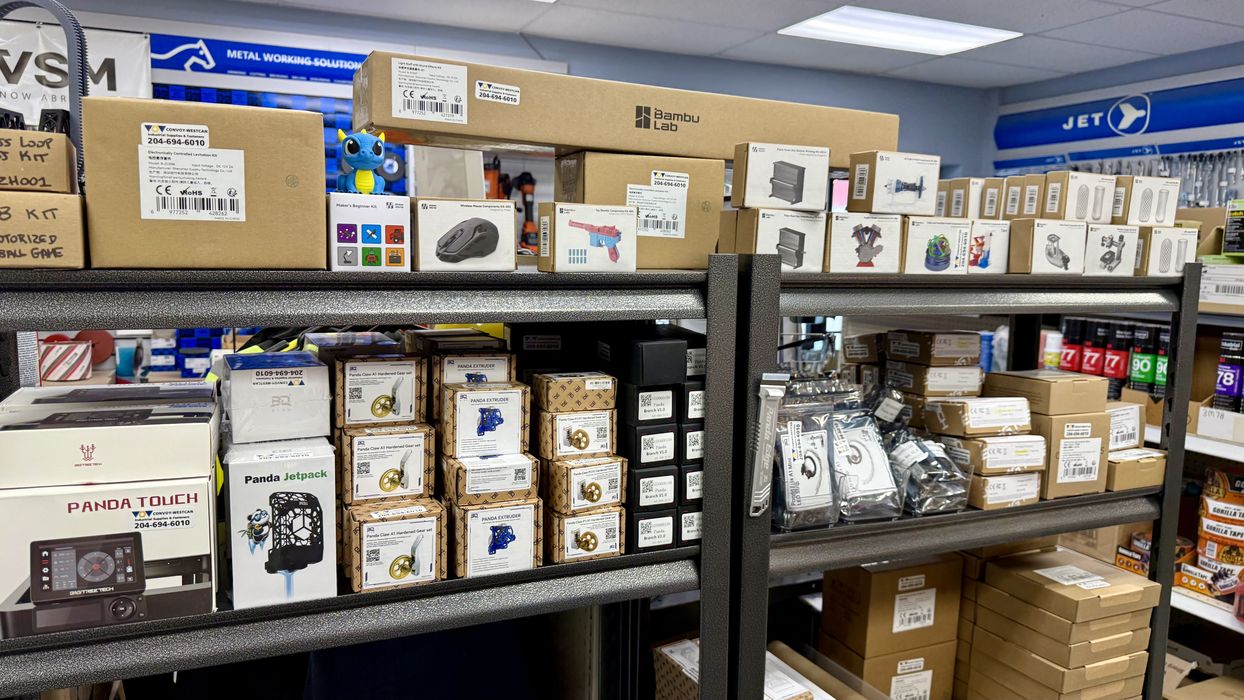
Finally, we have what I would call “local access”. By setting up many local resellers, it makes it very easy for operators to pick up parts and materials locally instead of ordering online. Many find the notion of seeing parts in person or choosing colors by looking at them more useful than guessing online.
If you know there’s a nearby shop that carries your brand’s equipment and materials — and support — you are less likely to move to a competitor’s products. Sticky!
Sticky Everywhere?
As you read through the list above, you perhaps noted that not every provider does all of those things. Some do most, some do only a few.
It’s likely that the manufacturers doing the least are also least likely to survive as the industry consolidates: it’s harder for them to maintain their customer base, which, due to these factors, tends to bleed over into the sticky ecosystems.
There are very specific reasons people are loyal to their brands, and if you look closely, you can see them.
