
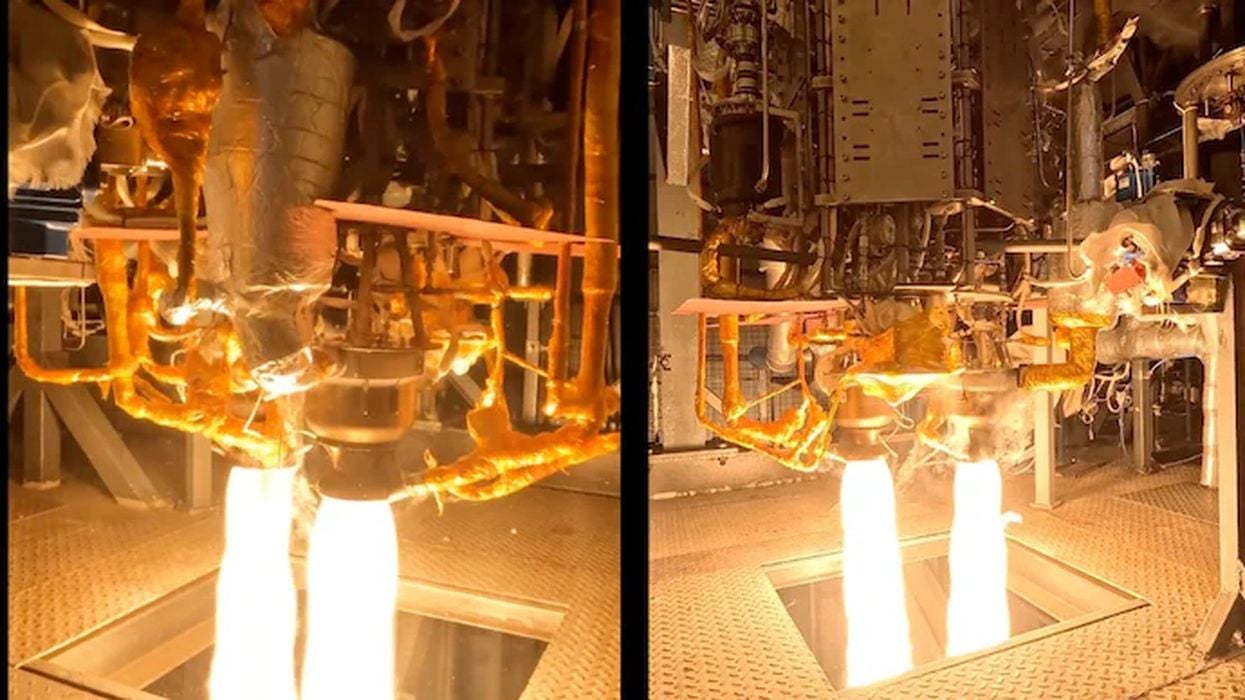
Yet another company has developed a fully 3D-printed rocket engine. This time it is Agnikul.
Agnikul is an Indian aerospace company that specializes in space applications and also provides commercial launch services. They’ve been developing their own rockets for some time, but their latest test involves a “semi-cryogenic” engine.
That means, in this case, that the oxidizer is super-cooled liquid oxygen, and the fuel is in fact regular aviation fuel. One is cool, one not. That makes for some rather interesting thermal conditions during engine operation.
The company has developed this style of engine because it requires one that is able to throttle its thrust. That will be quite important for their next major project, which is to build a Falcon 9-style rocket that can recover the booster for reuse by landing it.
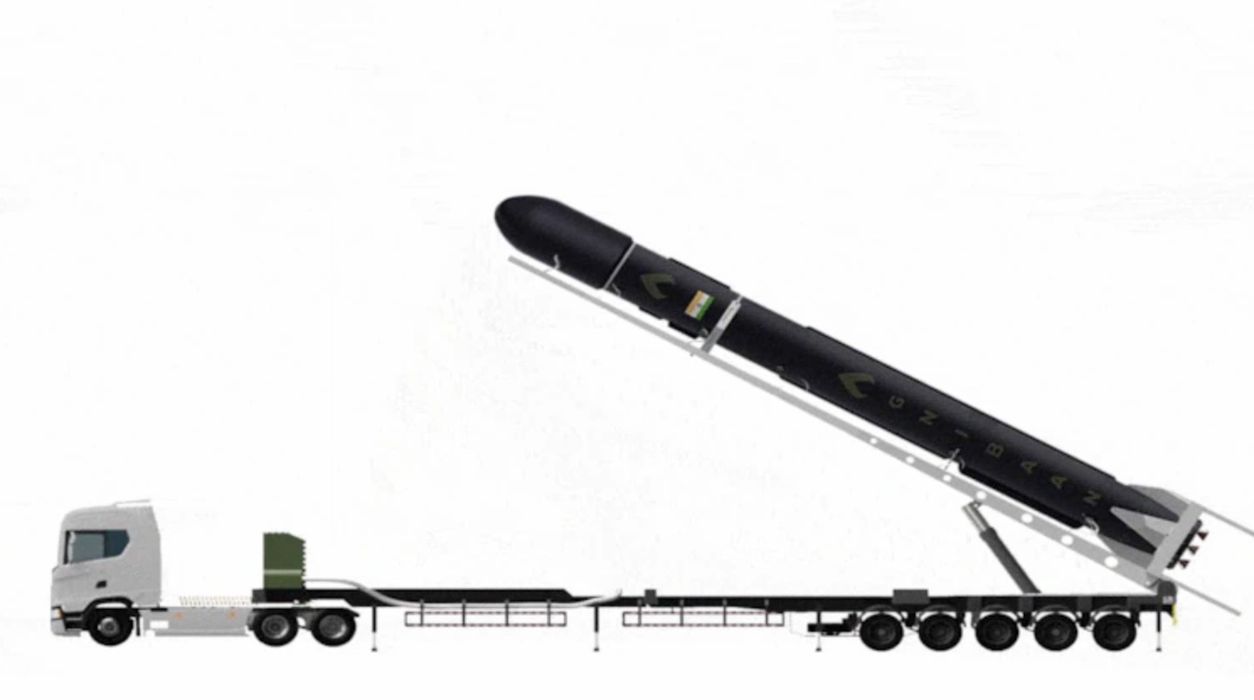
It’s an interesting story, but it seems to me that 3D printing is at the heart of all of this. Agnikul, along with multiple other companies in various countries, are all developing highly advanced rocket systems, many of which will be reusable. That should significantly drop the cost to launch, and even more when competition is considered.
None of this would be possible without the extensive use of 3D print technology. All of these companies are using the technology to 3D print highly complex and efficient rocket engine designs, sometimes in a single piece. This removes seams that could fail, and eliminates weight required for bolts that would otherwise hold several pieces together.
Some might believe that 3D printing is a “silent” technology that doesn’t affect them directly. But in reality, the technology is quietly seeping into a number of industries where it is creating radically new designs that ultimately will provide incredibly valuable.
As you go through your daily business, from time to time, you will begin noticing things that could not exist without 3D print tech.
You will be noticing a lot more as the years pass.
Via India Today
