
Charles R. Goulding and Preeti Sulibhavi consider how 3D printing is transforming everything pets need—from custom prosthetics to food, toys, and veterinary care.
Printing Paws: How 3D Printing Is Reshaping Pet Care
Pets enrich our lives in countless ways. They’re companions, family members, and in many cases, even working partners who support us in daily tasks. Pets are as loyal as it gets.
As our understanding of animal health and well-being grows, so too does our responsibility to provide them with better care. Today, a surprising ally is stepping in to meet those needs: 3D printing, also known as additive manufacturing (AM).
Once seen as futuristic, 3D printing has become a powerful tool across industries—from aerospace to fashion. But one of its most heartwarming and practical applications is in the world of pet care. Whether it’s building prosthetics, crafting custom supplies, improving veterinary treatments, experimenting with nutrition, or designing interactive toys, 3D printing is unleashing possibilities for pets that were previously unimaginable.
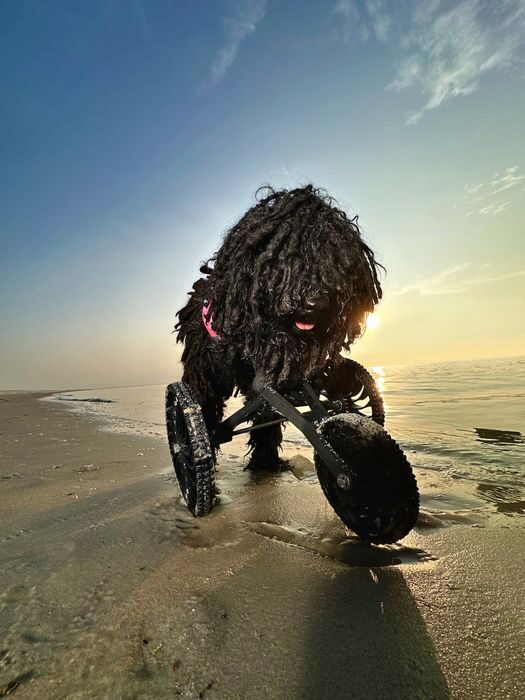
Prosthetics and Mobility Devices: Giving Animals a Second Chance
Some of the most striking applications of 3D printing in the pet world are in prosthetics. Traditionally, prosthetics for animals were expensive, time-consuming, and often uncomfortable. But with AM, custom-fit devices can now be created quickly and affordably.
Take, for example, organizations like 3DPets in New Jersey or Bionic Pets in Virginia, which specialize in creating mobility solutions for animals with missing or deformed limbs. Using 3D scanning and printing, they design lightweight, durable prosthetics that allow dogs, cats, and even larger animals like goats or llamas to walk again.
The benefit isn’t just functional, it’s emotional. Families no longer have to consider euthanasia as the only option when an animal loses mobility. Instead, 3D printing provides pets with independence, comfort, and a better quality of life.
Veterinary Applications: Tools, Models, and Surgical Guides
Beyond prosthetics, veterinarians are discovering that 3D printing can improve diagnostics, surgical planning, and treatment.
Universities and veterinary hospitals are now printing anatomical models of patients based on CT or MRI scans. For example, if a dog has a complex skull tumor, a 3D printed replica of the skull allows surgeons to rehearse delicate procedures in advance. This reduces risks in surgery and improves outcomes.
Companies like Materialise and research institutions like Cornell University College of Veterinary Medicine have pioneered this approach. Customized surgical guides created with 3D printing ensure precision when performing orthopedic or dental surgeries on pets.
This kind of technology, once reserved for human medicine, is rapidly becoming accessible for animals as well—helping vets save lives and reduce costs.
Pet Supplies: Customization Meets Practicality
Pet ownership comes with an array of supplies—collars, bowls, feeders, carriers, and more. 3D printing makes these products not only more functional but also more customizable.
For instance, personalized ID tags and collars can be 3D printed with names, QR codes, or even GPS housing. Water and food bowls can be tailored to a pet’s size and physical needs, such as elevated stands for dogs with arthritis or special slow-feed designs for pets prone to digestive issues.
Companies on platforms like Etsy are offering downloadable blueprints for such products, letting owners print at home or order customized designs from local makers. This reduces waste from mass manufacturing and ensures each product fits the unique pet.
Nutrition: Experimenting with 3D Printed Pet Food
Pet nutrition is another frontier where 3D printing is starting to make waves. The same technology being used in experimental kitchens for humans is also being applied to animals.
Companies and research groups across Europe have been testing 3D printed pet treats with tailored nutritional content. Imagine a dog biscuit formulated precisely for your pet’s age, weight, and health condition—printed on demand at your local vet clinic or even in your own kitchen someday.
This personalization could transform how we feed pets, especially those with allergies or chronic conditions that require strict diets. Instead of relying on mass-produced food, owners could one day access on-demand, nutrient-optimized meals.
Playtime: 3D Printing Toys That Engage and Entertain
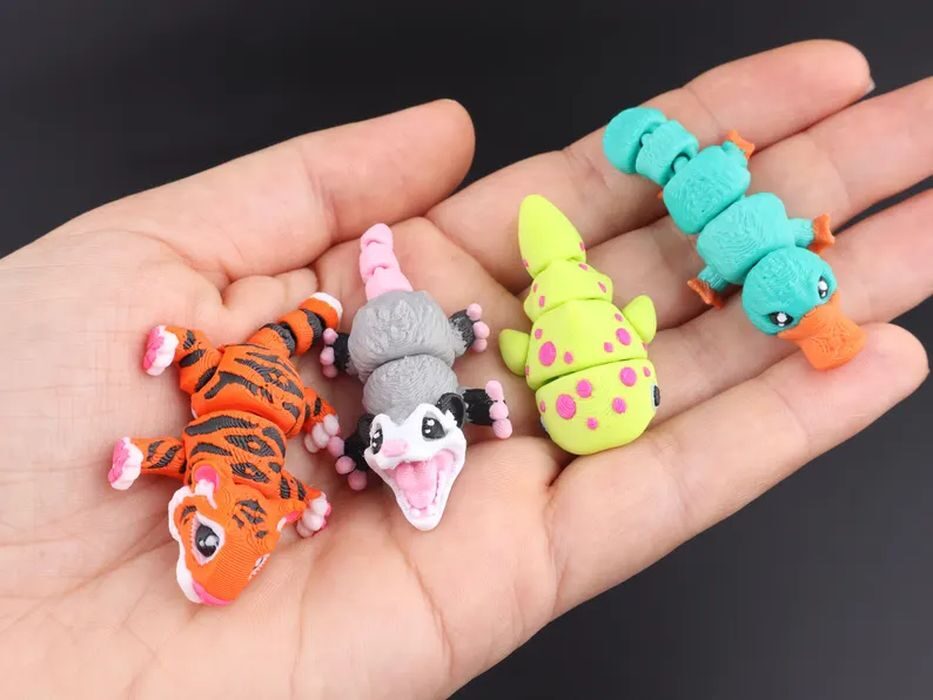
Play is central to pet health, and 3D printing is making it easier to design toys that are both engaging and safe.
Many companies and DIY enthusiasts now design interactive puzzle toys, treat-dispensing devices, and chew-resistant fetch toys with 3D printing. Unlike mass-market toys, which often come in standard shapes and sizes, these can be scaled precisely for different breeds and tested for durability with various filaments.
One standout example is the 3D printed “enrichment toys” for zoo animals that encourage natural behaviors like foraging. The same principles apply to house pets—stimulating their minds while keeping them active.
Owners who own 3D printers can also download open-source toy designs, allowing them to replace or upgrade toys at a fraction of the retail cost.
Sustainability: Reducing Waste in Pet Products
Another often-overlooked advantage of 3D printing in the pet sector is sustainability. Pet products—from food packaging to toys—contribute significantly to plastic waste. By using biodegradable filaments like PLA or even recycled materials, 3D printing can reduce this footprint.
Additionally, because products are made on demand, there’s less overproduction and shipping waste. Localized 3D printing also means fewer carbon emissions from transporting goods across long supply chains.
The Research and Development Tax Credit
The now permanent Research and Development (R&D) Tax Credit is available for companies developing new or improved products, processes, and/or software. 3D printing can help boost a company’s R&D Tax Credits. Wages for technical employees creating, testing, and revising 3D-printed prototypes can be included as a percentage of the eligible time spent for the R&D Tax Credit. Similarly, when used as a method of improving a process, time spent integrating 3D printing hardware and software counts as an eligible activity. Lastly, when used for modeling and preproduction, the costs of filaments consumed during the development process may also be recovered.
Whether it is used for creating and testing prototypes or for final production, 3D printing is a great indicator that R&D Credit-eligible activities are taking place. Companies implementing this technology at any point should consider taking advantage of R&D Tax Credits.
Barking up the Right Tree…
3D printing is not a cure-all—it faces challenges like scaling production, ensuring material safety for pets, and reducing costs further. But the momentum is undeniable.
From prosthetics that restore mobility, to toys that enrich daily life, to the possibility of custom nutrition, 3D printing is quietly revolutionizing the way we care for our pets. The bond between humans and animals is one of the oldest in history. Now, with additive manufacturing, we’re bringing cutting-edge technology into that relationship—helping our furry, feathered, and scaled companions live healthier, happier lives.
As the technology matures, we can expect to see even more applications: on-site food printing at vet clinics, bio-printed tissue for regenerative medicine, and new ways to combine sustainability with pet care. For now, one thing is clear: the future of pet care is clawing its way into 3D printing.