
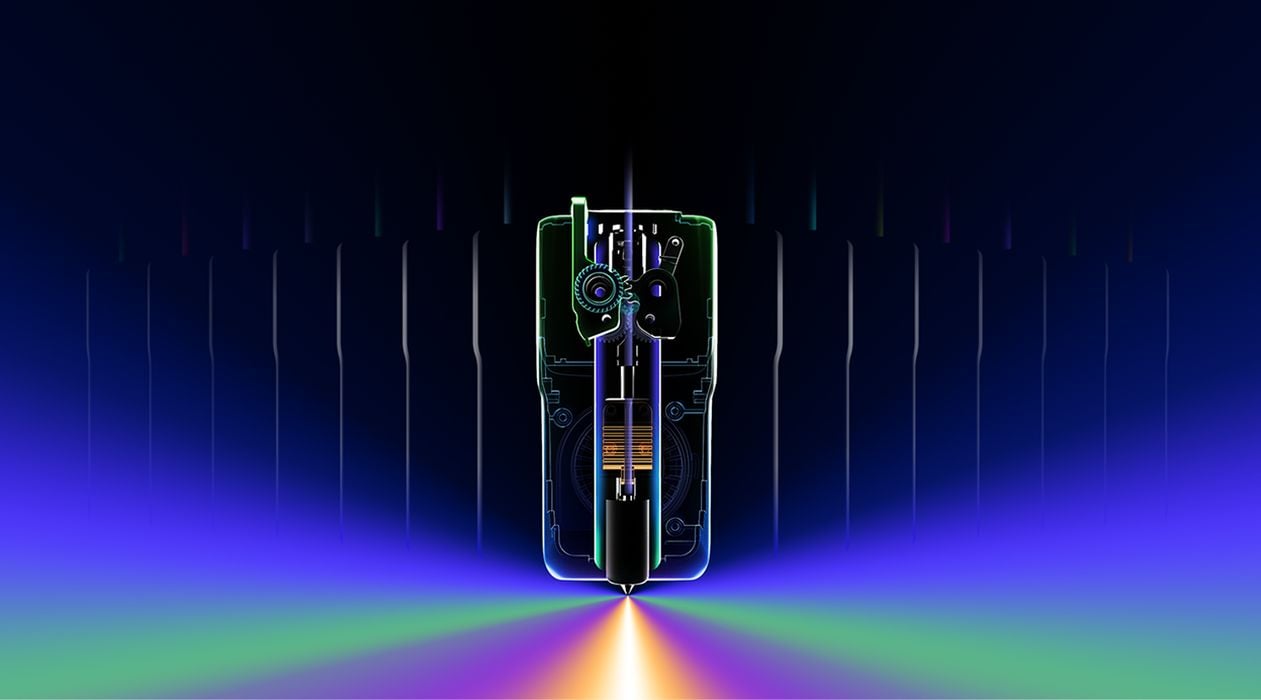
Creality revealed more information about their upcoming KliTek technology.
KliTek is Creality’s answer to tool changers, INDX, Vortek, and other methods of enabling waste-free FFF 3D printing. Waste-free solutions are clearly the future, as 3D printer operators have discovered that current filament swapping systems can waste massive amounts of material when changing colors.
KliTek appears to be a four-way hot end swapping system that operates at high speed — under five seconds per swap. It should provide similar benefits to the competing systems and positions the company very well in the new world of waste-free 3D printing.
At the time of the announcement, Creality said that the technology would be available this fall, likely in their upcoming K3 system. We didn’t know much more, but then Creality did a Q&A session on Reddit, where they revealed more details about the system.
While much of the answers in their post are routine and previously known information, there were some new facts revealed. Let’s go through them.
It seems that Creality will be using KliTek on a wide range of devices, not just a flagship system. This differs from the approach of the competitors, which are landing their solution in a single purchase option. That seems to be a good strategy for Creality, since waste-free 3D printing is always a good idea, regardless of the application.
Creality is opening things up a bit by ensuring KliTek is supported not only by their own software but also by open-source OrcaSlicer. They may even add more in the future.
They describe a “XYZ three-axis positioning system” that is used to ensure the swapped-in nozzle is precisely in position within 3D space.
KliTek supposedly handles TPU filament far better than most other 3D printers, and in the post, Creality explained how this is accomplished. Apparently, they use an unusual dual drive system that forces the filament into an “S”-shaped path. This reduces friction and basically stops the typical problem of filament wrapping around the gears. They say it can handle TPU filament as soft as 80A (!) while increasing the print speed on harder TPUs.
There is a unique “mix-and-match” system whereby some of the nozzles are different diameters. For example, you can use a small nozzle for fine surface details, but a larger diameter for bulk infill. This should both increase precision and speed up prints significantly. This is a feature that has not been announced on competing systems, likely due to software requirements. Can they catch up to Creality by this fall’s release?
There’s more to know, obviously, but this QA session makes me even more curious about the KliTek system. I’m now wondering how the competition will react.
Via Reddit
