Charles Goulding and Anthony Palumbo explore how AeroVironment’s integration of additive manufacturing, autonomous systems, and battlefield feedback is transforming modern warfare under the U.S. Drone Dominance doctrine.
U.S. Drone Dominance Initiative
On July 10, 2025, U.S. Secretary of Defense Pete Hegseth announced a transformative directive, “Unleashing U.S. Military Drone Dominance,” to accelerate the permanent adoption and operational scaling of autonomous aerial systems. Building on the 2023 Replicator initiative, the new doctrine codifies drones as a foundational element of the U.S. military power, emphasizing rapid design, scalable production, and electronic resilience.
The initiative is grounded in three core goals:
- Field attritable autonomous systems at scale
Ensure every U.S. military squad is equipped with low-cost, expendable drones to enhance battlefield responsiveness, situational awareness, and firepower. - Build and strengthen U.S.-based drone manufacturing
Expand domestic production capabilities by removing procurement barriers, mobilizing public-private investment, and increasing supply chain resilience. - Change the culture of defense acquisition
Shift away from bureaucratic inertia toward a risk-tolerant, warfighter-first mindset that prioritizes speed, iteration, and operational flexibility.
To support these goals, the Department of Defense (DoD) is implementing a multi-pronged strategy:
- Deregulation of Procurement
Restrictions on the acquisition of small unmanned aircraft systems (sUAS) from 2021–2022 were rescinded, allowing combat units to directly procure U.S.-manufactured drones with fewer administrative delays. - Manufacturing Surge and Financial Backing
The DoD will expand drone production through advance purchase commitments, defense loans, and strategic investment from the Office of Strategic Capital to reduce reliance on foreign suppliers. - Operational Unit Deployment
All military branches must establish drone-centric experimental formations by September 1, 2025, with initial deployments in the Indo-Pacific Command theater. The goal is to equip every squad with scalable, attritable drones by FY 2026. - Next-Generation Training
The services are required to launch advanced drone training programs within 90 days, including terrain-diverse test ranges and real-time force-on-force drone exercises. - Upgrades to the Blue UAS List
Oversight of the certified drone component list will shift to the Defense Contract Management Agency (DCMA) by January 2026, with upgrades such as AI-powered searches, user rating systems, and enhanced vendor integration. - Cultural Shift in Acquisition
Hegseth called for a warfighter-first, innovation-forward mentality that prioritizes real-world deployment over rigid compliance, asserting that drone dominance is the future of modern warfare.
Together, these efforts represent more than a procurement surge. They mark the institutionalization of drones as core battlefield enablers. AeroVironment, already a central contributor to the Replicator program, is now poised to scale its impact by aligning modular design, rapid iteration, and additive manufacturing with the DoD’s evolving operational doctrine.
Loitering Munitions and Electronic Warfare Resilience
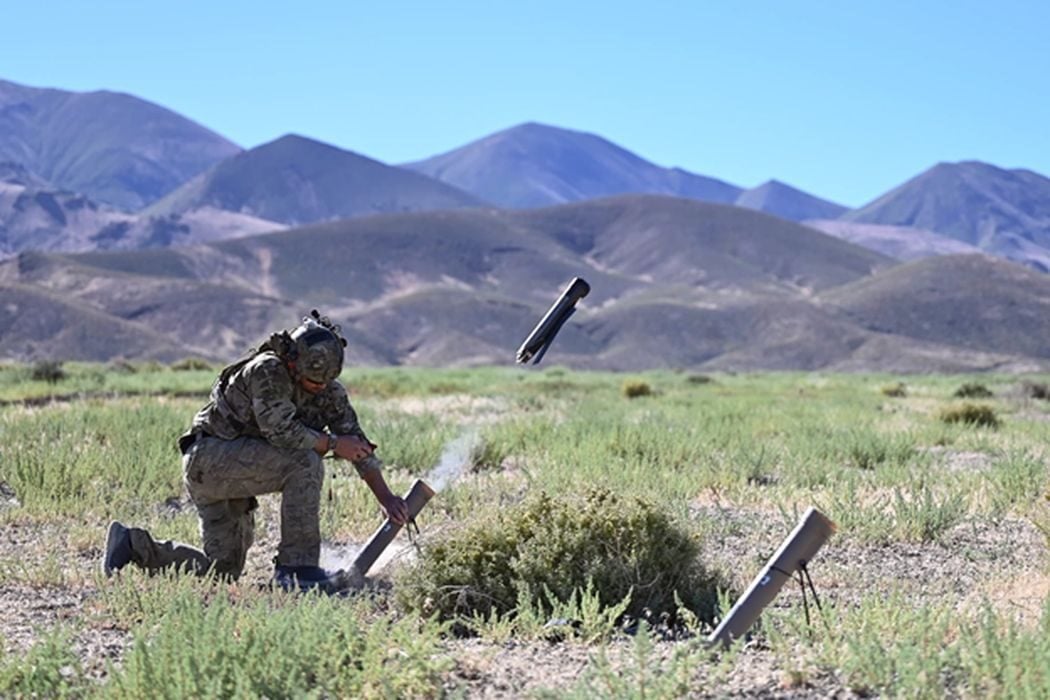
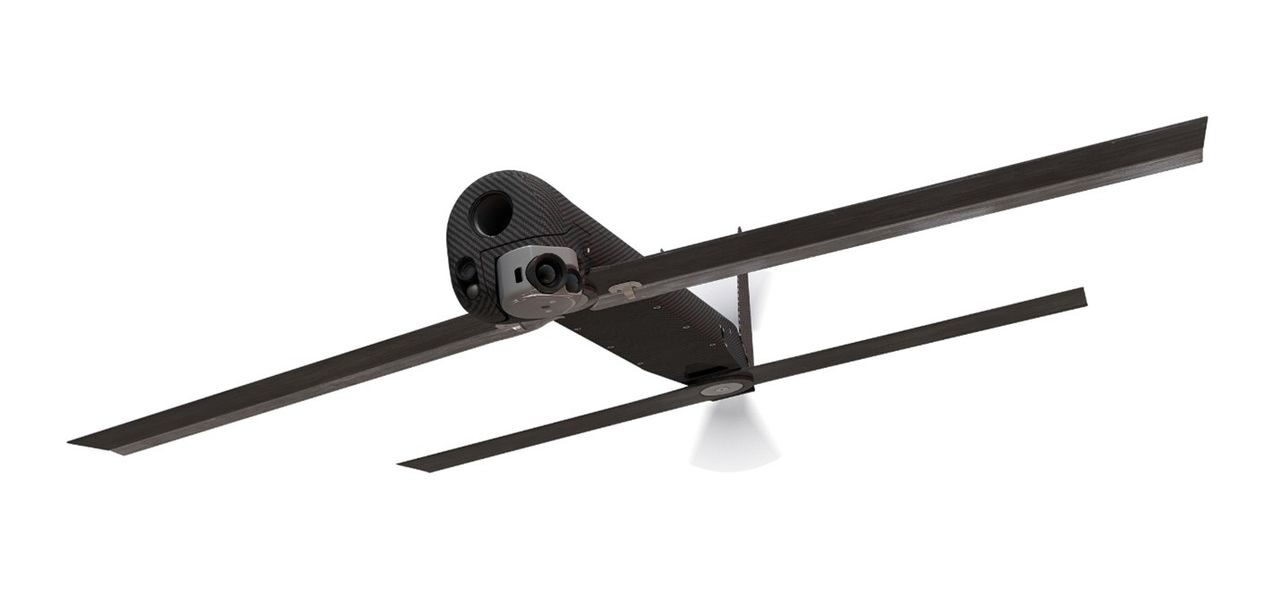
Loitering munitions, also known as suicide drones, combine the surveillance capabilities of unmanned aerial vehicles (UAVs) with the precision strike functionality of guided weapons, becoming essential assets in today’s contested battlefields. Designed to circle targets and strike with precision, they offer a blend of ISR (intelligence, surveillance, reconnaissance) and kinetic engagement. These systems deliver real-time situational awareness, all in a lightweight, portable form factor. AeroVironment’s Switchblade series exemplifies this evolution:
- Switchblade 300: Compact and man-portable, optimized for infantry-level use against unarmored targets.
- Switchblade 600: Equipped with anti-armor payloads and extended range for battlefield superiority.
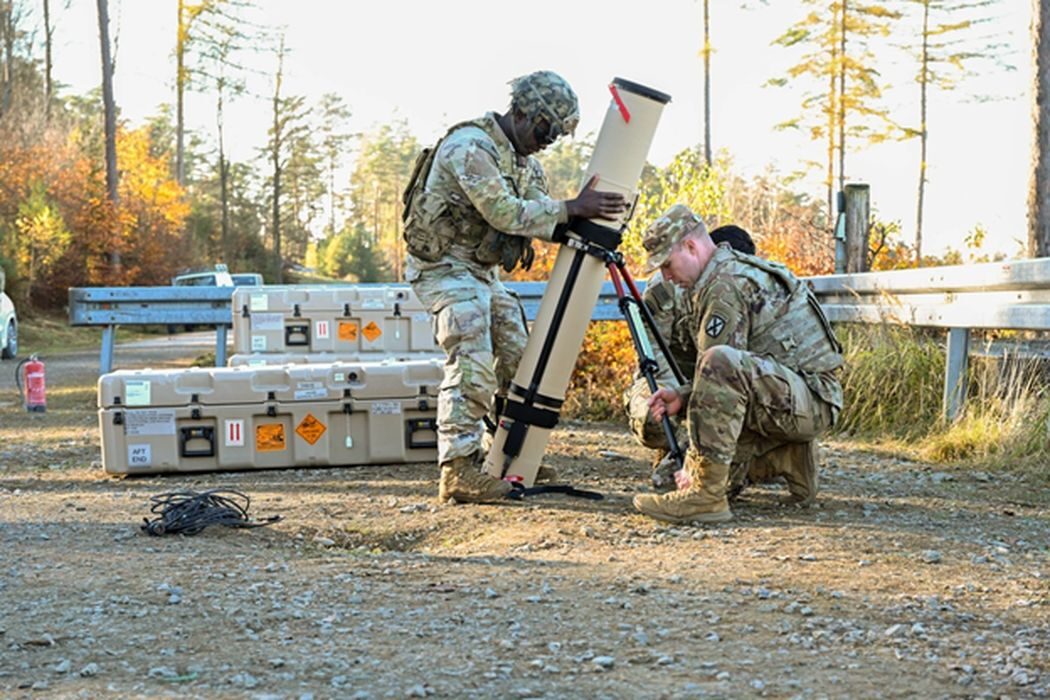
Both systems incorporate real-time video feeds, GPS-aided navigation, and mid-flight retasking, supporting the Pentagon’s emphasis on low-cost, modular, and attritable systems.
Responding to Electronic Warfare
Modern battlefields are saturated with electronic interference. In response to Russian electronic warfare (EW) tactics in Ukraine, AeroVironment introduced the Switchblade 300 Block 20, which features:
- Encrypted communications
- Frequency-hopping radios
- Enhanced electro-optical/infrared (EO/IR) sensor upgrades
- Relay drone compatibility for beyond-line-of-sight missions
In 2025, the company debuted Red Dragon, a next-generation loitering munition built for GPS-denied environments. It includes:
- AI-powered onboard targeting
- Optical terrain recognition
- Pre-programmed flight paths
- A hardened comms suite and 400 km range
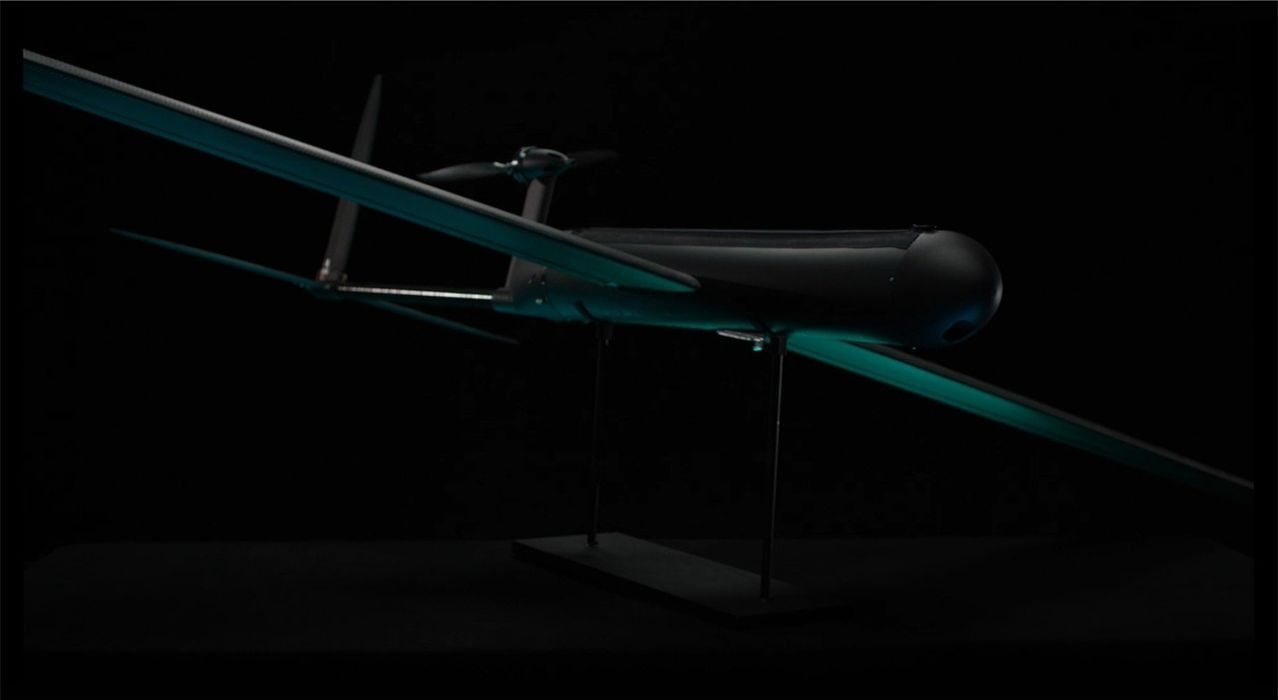
Together, these platforms demonstrate the AeroVironment’s focus on autonomous continuity and resilience under electronic disruption.
Additive Manufacturing: Engineering Agility into Warfare
Additive manufacturing (AM) is a critical enabler of AeroVironment’s agile development and sustainment model. Far beyond prototyping, AM now supports rapid design, in-field repair, and scalable production.
Combat-Driven Design Iteration
AeroVironment engineers use 3D printing to quickly iterate drone components based on battlefield feedback, including:
- Antenna housings
- Sensor Units
- Airframe fairings
- Launcher assemblies
CAD updates are converted into high-strength polymer or composite prints within days, supporting faster integration of survivability features, improved aerodynamics, and structural refinement.
On-Site Sustainment and Repair
Deployable 3D printers allow forward-operating units to fabricate replacement parts without relying on central depots. Units can print:
- Stabilizer fins
- Payload adapters
- Launcher mounts
These are accessed through secure, pre-approved digital part libraries, significantly improving mission continuity in austere environments.
Platform-Specific Examples
- Switchblade 300/600: Enclosure parts, light mounts, and internal brackets are 3D-printed using carbon-reinforced polymers, reducing weight and improving range.
- Red Dragon: Incorporates 3D printed structural elements and modular interfaces, optimized for both scale-up and field adaptability.
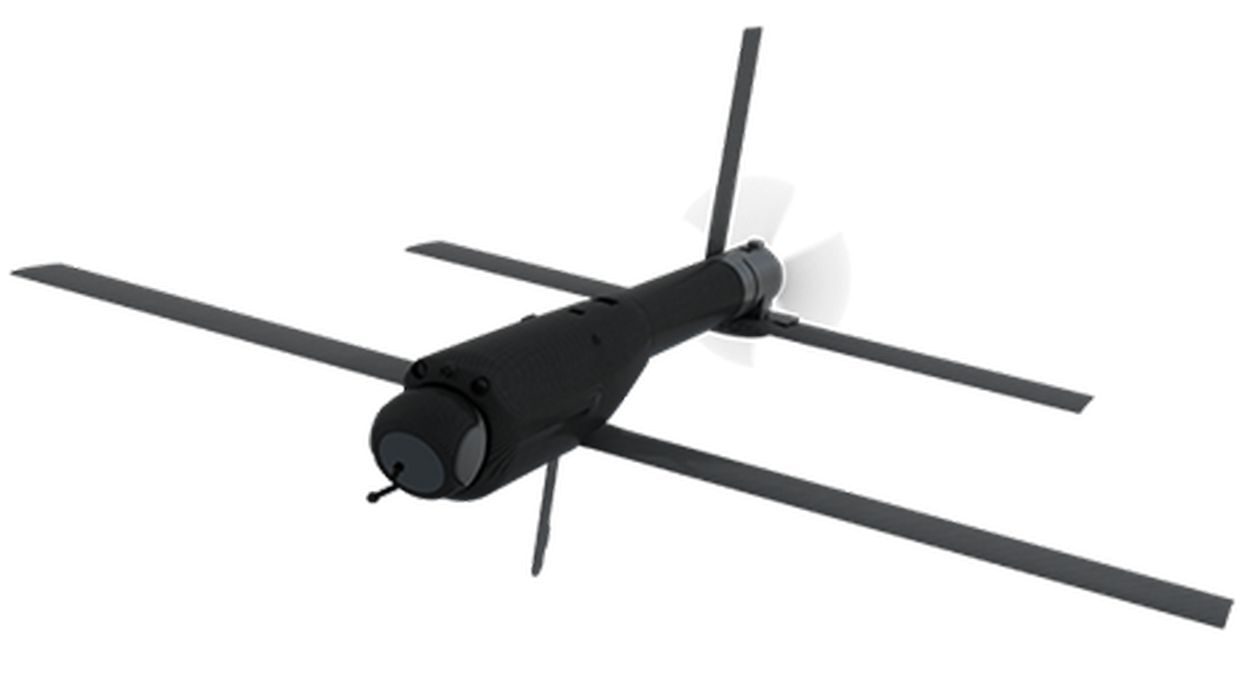
These AM applications eliminate tooling delays, compress lead times, and enable surge production, an ideal match for the Pentagon’s low-latency drone manufacturing demands.
Industrial Expansion
To meet increasing demand, AeroVironment secured US$1.35 billion in capital and began construction of a new Utah-based facility, projected to produce over US$1 billion in annual Switchblade output. The facility will integrate advanced AM systems to support modular, scalable production aligned with the Drone Dominance initiative.
Growth and Integration: AeroVironment’s Strategic Expansion
AeroVironment’s evolution from drone supplier to vertically integrated defense innovator reflects its central role in the Pentagon’s new Drone Dominance doctrine.
- Financial Performance
FY 2025 revenue reached US$821 million, up 40% year-over-year. Switchblade-related sales increased by 87%, with a current contract backlog of $726 million. - Acquisition of BlueHalo
In 2025, AeroVironment completed a US$4.1 billion all-stock acquisition of BlueHalo, a leader in AI, directed energy, counter-UAS, and cyber-electromagnetic warfare. The merger consolidates offensive and defensive capabilities under a single unified brand. - Expanded Platform Portfolio:
- Puma 550 – Tactical ISR drone
- Jump 20-X – VTOL system for maritime logistics and shipboard ISR
- Red Dragon – Fully autonomous loitering munition for GPS-denied settings
- Switchblade 300 Block 20 / 600 – Attritable, precision-guided strike solutions
Through this convergence of autonomy, additive manufacturing, and multi-domain system integration, AeroVironment is helping reshape U.S. defense posture for rapid, scalable, and resilient operations.
The Research & Development Tax Credit
The now permanent Research and Development (R&D) Tax Credit is available for companies developing new or improved products, processes, and/or software. 3D printing can help boost a company’s R&D Tax Credits. Wages for technical employees creating, evaluating, and revising 3D printed prototypes are typically eligible expenses toward the R&D Tax Credit. Similarly, when used as a method of improving a process, time spent integrating 3D printing hardware and software can also be an eligible R&D expense. Lastly, when used for modeling and preproduction, the costs of filaments consumed during the development process may also be recovered.
Whether it is used for creating and testing prototypes or for final production, 3D printing is a great indicator that R&D Credit-eligible activities are taking place. Companies implementing this technology at any point should consider taking advantage of R&D Tax Credits.
Conclusion: A Blueprint for Agile Warfare
AeroVironment’s trajectory mirrors a broader strategic shift in U.S. military doctrine, from rigid weapons procurement cycles to agile, scalable battlefield adaptation. Under the Drone Dominance initiative, success is no longer measured solely by size or cost, but by how fast systems can be developed, fielded, and improved.
With additive manufacturing, AeroVironment engineers can rapidly prototype and field new drone components. Forward units can fabricate and replace parts on-site, reducing downtime. High-throughput AM infrastructure also supports the Pentagon’s demand for scalable, attritable drones, ready to meet next-generation threats.
As defense doctrine adapts to new technologies, AeroVironment’s integration of 3D printing stands as a model for responsive, modular, and scalable national security innovation.