
AI company Hitem3D has released a new version of their 3D generation service.
They don’t provide a text to 3D service, as some competing systems do, but instead rely on the image to 3D workflow: you supply an image, and they attempt to make a full 3D model from it.
They also provide an interesting variation: Multi-view to 3D. In this workflow, you provide several images of your subject from different angles. This allows their AI to generate a more accurate 3D representation of the subject instead of guessing the hidden side. (Tip: if generating 2D images for 3D model generation, ask your image generator to create images of the hidden sides.)
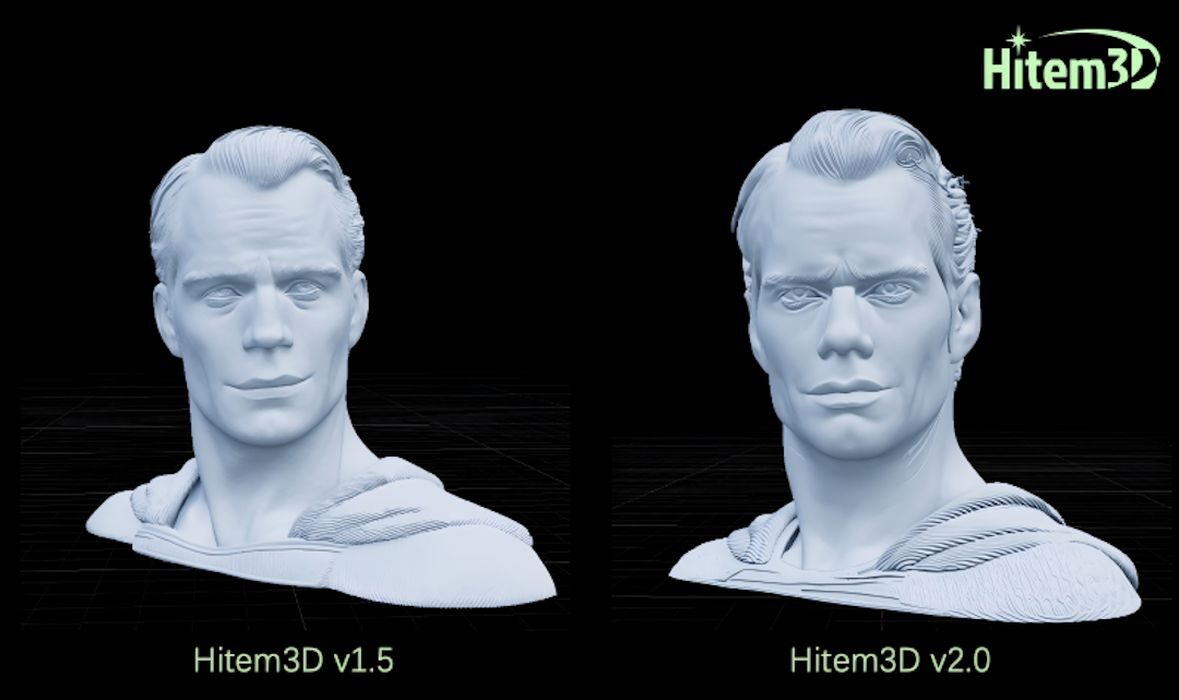
The company has been around for a while now, first launching with version 1.0 and later 1.5. They also provide a “portrait” AI model that is optimized for human headshots. Now they’ve launched version 2.0.
The new version attempts to generate far more accurate surfaces, particularly on complex and details structures. They explain how this works:
“When you move into 3D printing, manufacturing, or any high-fidelity output, that classic “build the mesh first, then project details onto it” workflow can turn into a game of whack-a-mole: stretched textures, mismatched seams, missing detail in occluded areas, and hours of manual cleanup before anything is safe to send to a printer.
Hitem3D says its newly released Hitem3D 2.0 is built to attack that split head-on. The headline feature is integrated texture generation at 1536³ Pro resolution, designed to make textures feel less like a layer painted onto a surface and more like something that’s generated as part of the object itself — tied to the geometry, scale, and material logic from the start.”
In other words, they’re integrating textures directly into the main generation flow, which should result in better 3D models. They call it a “structure-aware integrated texture generation approach”, where textures are generated during geometry reconstruction.
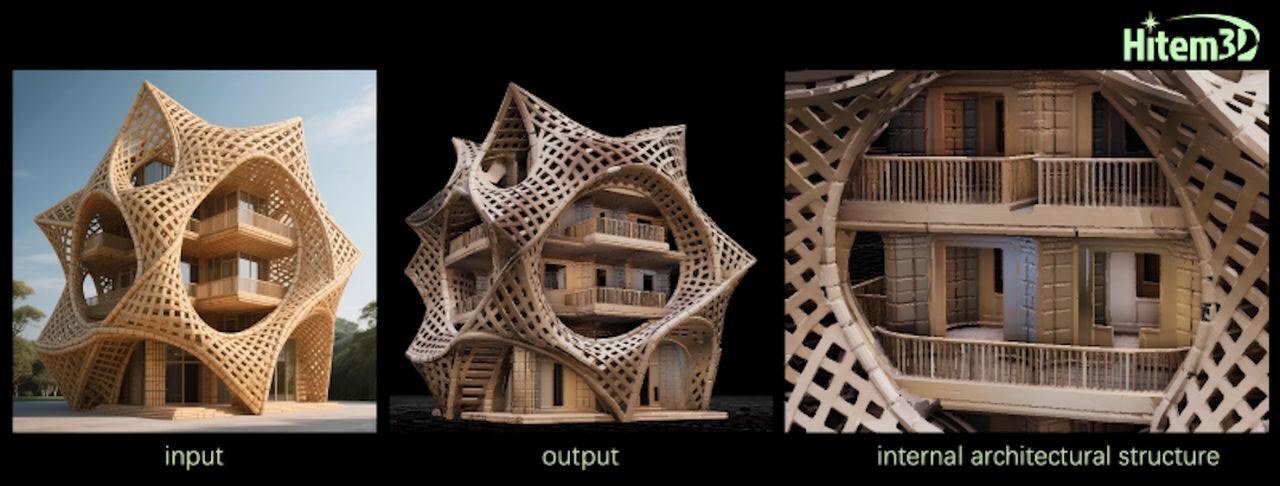
The results are pretty impressive. Here we have a very complex structure that has an obvious visible texture on the outside surface. However, the design would have that texture carry through all portions, including those that are not immediately visible. The generation succeeds, showing that the new approach does work.
This shows the extent of the problem: some subjects are so complex that AIs cannot easily determine the nature of many hidden surfaces.
Another feature of 2.0 is that it is “illumination aware”. Lighting is critical in 3D generation, and can provide significant detail of surface geometry. But it can also confuse AI generators that don’t properly understand the shadows. In version 2.0 Hitem3D includes a sophisticated system to “de-light” an image before it is processed by the main AI workflow.
That should make generations more accurate, particularly for casually captured 2D images provided to the system.
Finally, version 2.0 includes significant improvements to their generation of human heads. Apparently they’ve focused on fine details and transitions between skin and hair regions. The results, which you can see at top, are impressive.
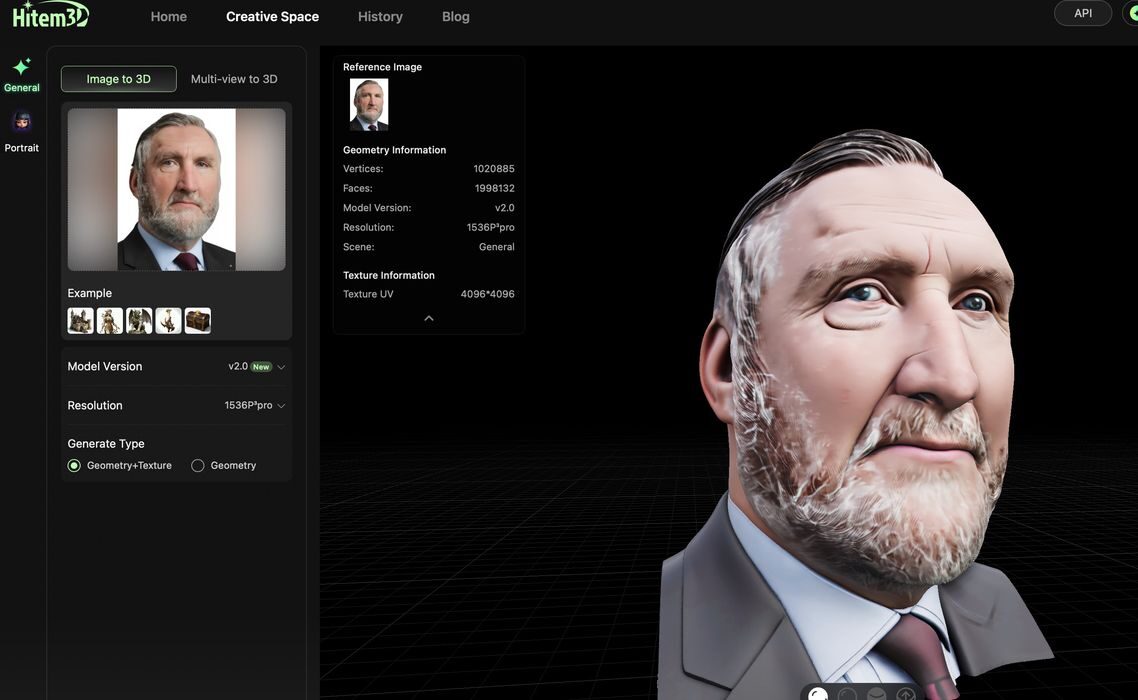
I gave Hitem3D 2.0 a try, and the results were indeed very good, as you can see in this image of a 3D model I generated from a 2D color image.
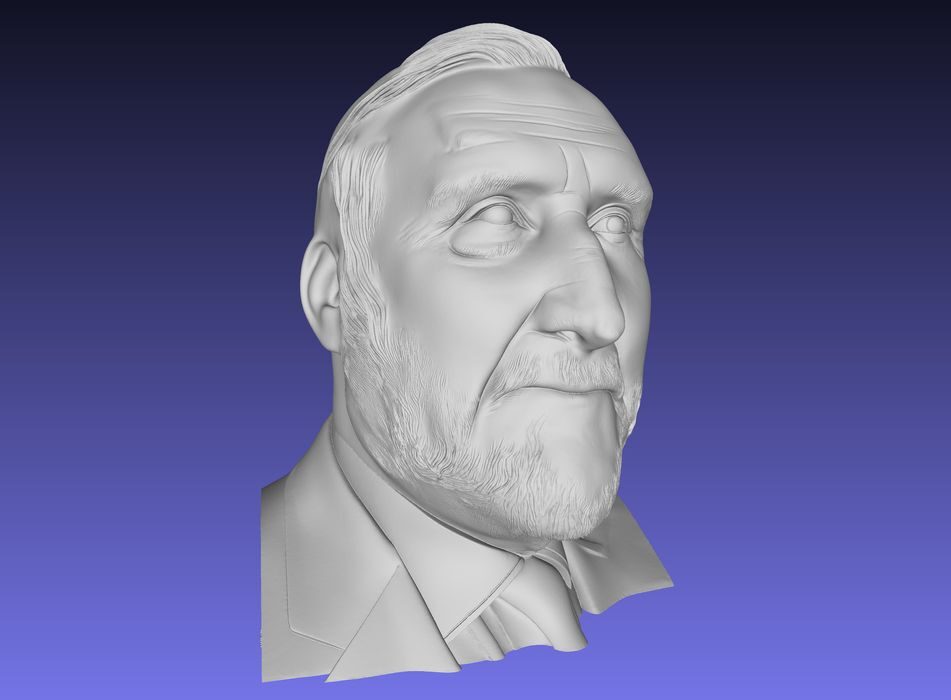
Hitem3D is a paid service, as most AI generation tools are, but they do offer the ability to try it out at no charge if you sign up.
Via Hitem3D and Global Newswire
