Charles R. Goulding and Kate Esposito uncover how electric and hydrofoil ferries are silently reshaping global transit—powered by batteries, boosted by 3D printing, and backed by a wave of innovation.
Introduction: Making the World a Greener Place
After the creation of the first electric ferry in 2015, it became clear that electric ferries provide a cost-effective way to reduce carbon emissions, air pollution, and noise pollution compared to diesel-powered ferries. Since then, researchers have developed electric hydrofoil ferries, which offer many of the same benefits as electric ferries but are even more efficient. Many countries around the world have taken steps to transition away from diesel ferries, entering a new age of modern innovation that is revolutionizing public transportation.
To aid in this transformation from traditional transportation systems to sustainable technology, countries across the globe will likely look to adopt new production techniques. Additive manufacturing has been revolutionizing the transportation world and could provide a key asset in this modernization.
Testing the Waters Across the Globe
Taiwan:
In 2017, Taiwan’s Kaohsiung City launched Happiness, the first hybrid-electric ferry in Asia. Happiness is an old ferry that was retrofitted with modern technology, making it much more sustainable. It now shuttles about 4,500 passengers per day across Kaohsiung Harbor, cutting travel times in half. Happiness has significantly decreased diesel fuel consumption, which in turn reduces carbon dioxide emissions and has helped improve air quality in the region. As the first of its kind, Happiness has become a trendsetter, inspiring numerous other hybrid-electric and fully electric ferries around the world.
Singapore:
Singapore marked a major milestone in its maritime decarbonization planning by creating the country’s first fleet of electric ferries, known as the Electric Dream. The fleet currently consists of three fully electric commuter ferries, each transporting around 3,000 passengers daily between the mainland and Pulau Bukom Island. Since their completion in 2024, the three ships have eliminated more than 6,000 tons of carbon dioxide and 2,000 tons of marine gas oil from Singapore’s skies and seas, in addition to reducing noise pollution and harmful diesel particulates. Furthermore, Singapore’s Maritime and Port Authority (MPA) has committed to retrofitting vessels for electric propulsion and adopting greener fuels as part of the country’s 2050 decarbonization policy.
Furthermore, key Singaporean companies have revolutionized maritime supply chains by using additive manufacturing to 3D print spare parts, models, or final products to aid the shipping industry. 3D printing reduces the time and cost required to create goods, in addition to providing a more ecofriendly alternative to traditional manufacturing methods. Thanks to its widespread implementation of additive manufacturing in the maritime industry, Singapore is known as the 3D-printed shipping parts capital of the world.
Thailand:
Bangkok, known as one of the most populated cities in the world, greatly struggles with transportation and pollution problems. Looking for a solution, former Prime Minister Prayut Chan-o-cha promoted the idea of increasing boat transportation. As a result, Bangkok vowed to create 30 electric ferries by 2021, with more to follow in the coming years. The boats became a huge success and have already begun to decrease the city’s air pollution. Private companies such as Energy Absolute are also in the process of developing electric ferries for use in Bangkok.
Hong Kong:
The New Pearl 39, the first electric ferry in Hong Kong, will soon begin operating between North Point, Hung Hom, and Kowloon City. The boat has undergone trial runs and currently transports passengers during non-rush hours. Its hull is made from carbon fiber, making it 70% lighter than steel ferries. As a result, it can run on less power while producing minimal air and noise pollution. The New Pearl 39 is the first of four electric ferries that are part of the Hong Kong government’s electric ferry program, for which it has budgeted US$45 million, in addition to any operational, maintenance, and repair costs.
Australia, Argentina, and Uruguay:
In May of this year, the world’s largest electric ferry, the China Zorrilla, embarked on its first voyage. Created by Incat, an Australian company based in Tasmania, the ship runs between Buenos Aires, Argentina and Montevideo, Uruguay in one of the longest electric ferry routes in the world. Built out of aluminum, it is three times lighter than steel ships, allowing it to use less energy and have a shorter charging time. It is powered by 275 tons of batteries and can carry 2,100 passengers and 225 cars. Depending on the number of trips it completes daily, the China Zorrilla could save more than 30,000 tons of carbon dioxide emissions per year.
Sweden:
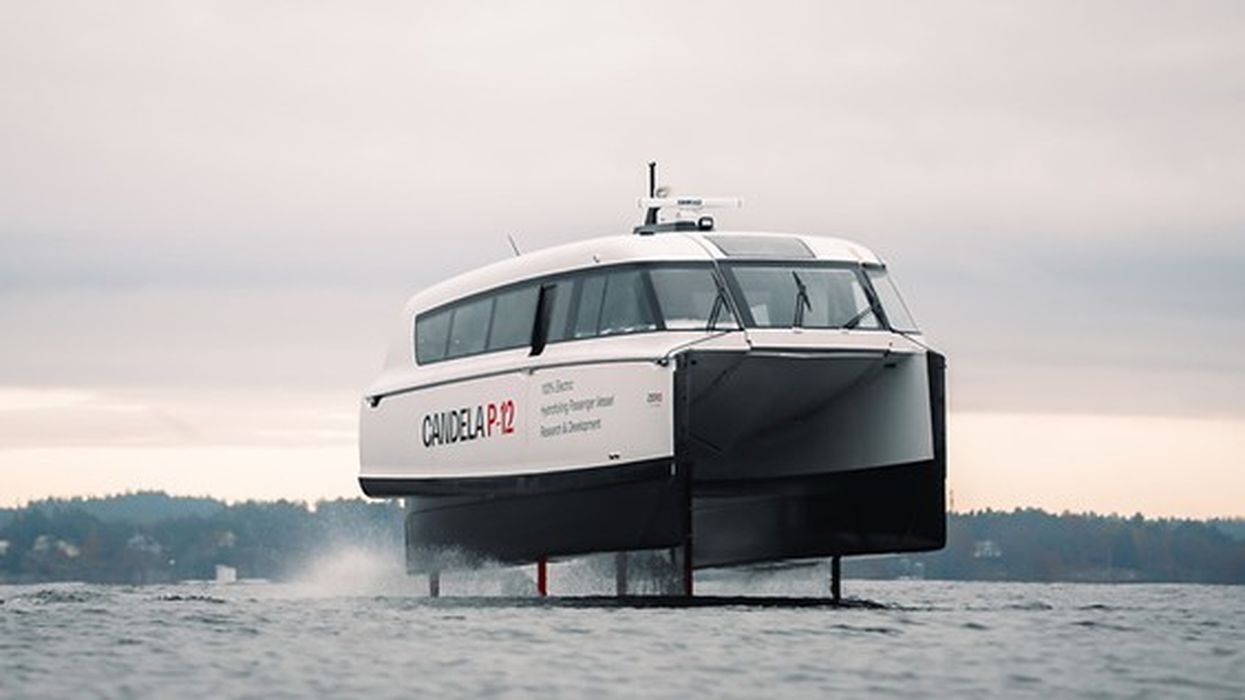
Sweden is at the forefront of electric ferry technology, particularly with the introduction of hydrofoil ferries. In 2024, Candela, a Stockholm-based company, launched the P-12 ferry Nova, which operates from Tappström to Stockholm City Hall. Nova emits 95% less emissions and uses 80% less energy than diesel ferries, in addition to cutting travel times in half. Since its introduction, Nova has become extremely popular around the world. It has been purchased for use in Saudi Arabia, New Zealand, Germany, and the United States. With a range of 40 nautical miles at 25 knots, Nova is the world’s fastest, longest-range ship, and the most energy-efficient vessel ever built in its size class.
United States:
The United States is commencing a major upgrade of its entire defense and civilian shipping industry. The Ships for America Act was created to revitalize American shipbuilding and commercial maritime industries. Compared to other countries, the U.S. has very few of its own shipbuilding capabilities and instead relies on foreign-built vessels. The Ships for America Act is meant to combat this and incentivize domestic shipbuilding. As a result, American maritime industry leaders will likely begin implementing new technologies such as additive manufacturing or battery-powered engines to create efficient and sustainable ships. We have recently authored further Fabbaloo articles on 3D printing in America, including the SHIPS Act, Navy submarines, the Coast Guard, icebreaker ships, and U.S. ports.
Washington State:
Washington state’s first hybrid-electric ferry is about to start offering rides. The Wenatchee, originally built in 1998, has been retrofitted with battery-powered propulsion technology. While the ferry still has two diesel-driven electric generators for backup power, the goal is for the ferry to primarily use electric power. Washington State Ferries anticipates saving 25% on fuel just from running in hybrid mode until the boat can charge from shore. With 202 passenger cars, the Wenatchee is the largest hybrid-electric ferry in North America. In addition to retrofitting old ferries, Washington state recently ordered three new 160-car hybrid electric ferries from a shipyard in Florida, the first of which will be delivered around 2030.
New York City:
In 2023, New York City’s Mayor Adams announced that the city received $7.5 million in federal funding to make the Governors Island Ferry hybrid-electric. To support charging needs, a shoreside rapid charging facility is in construction at Soissons Ferry Landing, which is essential for enabling the ferry to operate in battery-only mode. The ferry began offering rides in its initial hybrid mode in the summer of 2024 and has already reduced carbon dioxide outflow. It is projected that, once the charging system is complete and the ferry can run solely on battery power, 800 tons of carbon emissions will be saved annually, greatly helping to combat climate change. This progression supports the city’s goal of reducing greenhouse gas emissions by 50% in 2030 and 80% in 2050.
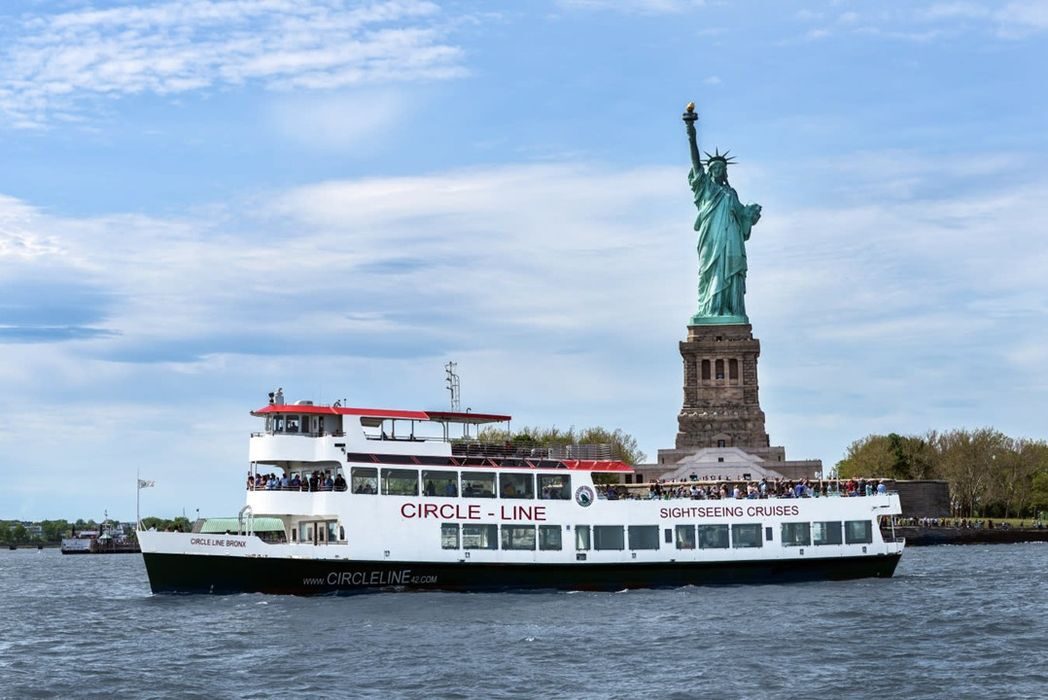
On July 18th, 2025, I had the privilege of discussing New York City’s electric passenger boat opportunities with Craig Kanarick, President of Circle Line Cruises. Tourism is one of New York City’s most important businesses. Circle Line has always been an essential part of NYC’s visitor attractions, offering scenic views of the Statute of Liberty and the Brooklyn Bridge along with enjoyable dinner cruises and party venues. Craig is a very practical businessperson with diverse industry experience and has monitored the electric boat environment for years. Circle Line’s large passenger boats are heavy steel-hulled vessels, which presents weight-related operational challenges when combined with the heavy batteries needed for operation. Moreover, New York City’s extensive pier network is not currently set up with the battery storage and electric supply resources necessary to support the electric demand of boats at this level. Major improvements to New York Harbor’s ecosystem are part of the city’s long term economic development plan and may assist further boat electrification.
San Francisco:
The San Francisco Bay Ferry company has created the Rapid Electric Emission-Free (REEF) Ferry Program to transition their fleet to zero-emission electric technology. In 2024, the company authorized the purchase of its first three 150-passenger battery-electric zero-emission high-speed commuter ferries from All American Marine Inc. Because of the Jones Act, which requires all goods transported between U.S. ports to be carried on ships built in America, the company was very selective of who they chose to purchase the ferries from. These ferries are expected to start offering rides in early 2027, operating on new routes that will connect the rest of the San Francisco Bay area to two rapidly expanding neighborhoods, Mission Bay and Treasure Island. The company is also looking to purchase two 400-passenger high-speed battery-electric ferries to operate routes connecting Alameda and Oakland to San Francisco. This will be the first fleet of newly constructed fully electric ferries in the United States.
A Deeper Dive Into Electric Hydrofoil Ferries
Electric hydrofoil ferries are transforming the maritime industry by replacing traditional diesel engines. They offer clean, battery-powered energy, reduced emissions, lower operational costs, and smoother, quieter rides. These ferries use a combination of electric propulsion, hydrofoil technology, and computer-controlled systems to glide across the water with such stability that seasickness is eliminated and waves have no impact. The hydrofoils are wing-like structures that are mounted under the ferry’s hull to lift it above the water as it gains speed. This drastically decreases drag from water friction, allowing for faster, more energy efficient travel. Hydrofoils are also more efficient than electric ferries because they can travel fast and far on the same battery, whereas electric ferries have shorter ranges and constantly need battery replacements. This technology is also beneficial because these ferries produce no wake. This helps the environment because it allows for minimized shoreline erosion, protecting delicate ecosystems such as wetlands and oyster reefs. Furthermore, this prevents marine life from being disrupted and keeps sensitive habitats like seagrass beds and coral reefs intact. Calm waters allow for safer navigation of all vessels, especially smaller boats, kayaks, and stand-up paddleboards, reducing the risk of accidents caused by sudden changes in water levels and turbulence. In addition, the lack of wake allows
How 3D Printing Can Help
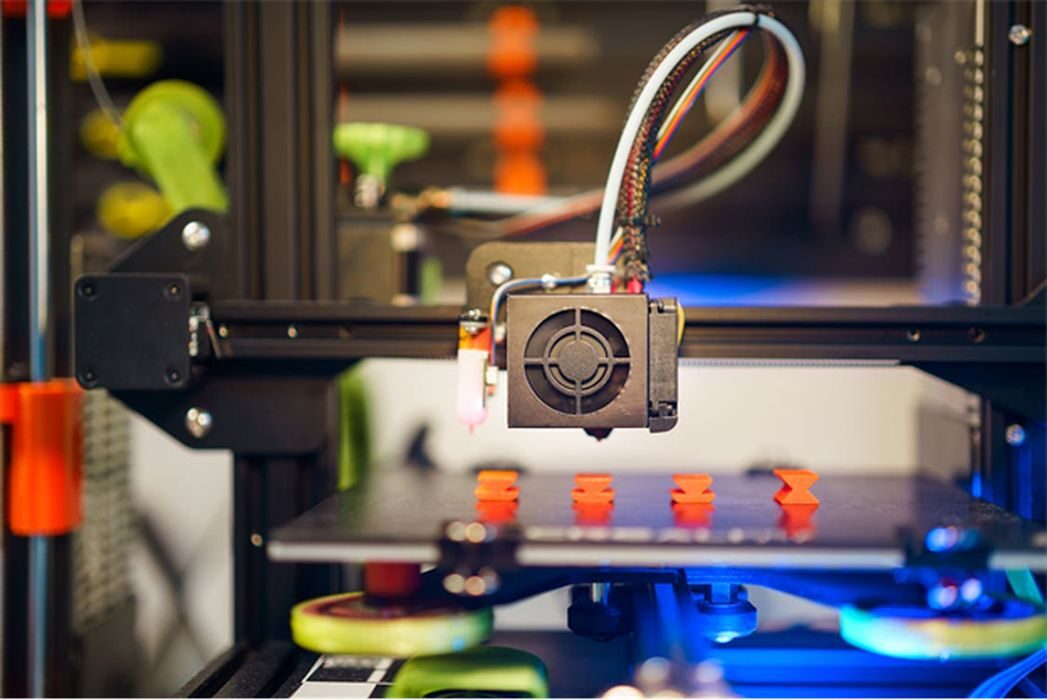
Additive manufacturing is a groundbreaking technology that offers many advantages throughout the ship building process. 3D printing allows for models to be produced quickly and inexpensively, helping companies test prototypes and determine which designs will work best to create high quality products. It is also beneficial environmentally, because it enables the use of eco-friendly recycled materials and minimizes waste production.
3D printing has already begun to revolutionize the ferry industry. A collaboration between Holland Shipyards Group, Roboat, and Sequana Développement has led to the creation of the first fully 3D-printed autonomous electric ferry. The vessel, named Tony, is outfitted with four fully electric motors and a zero-emission battery system. Tony uses smart navigation to adapt to urban river conditions and is capable of mooring and recharging without human intervention. Its hull is printed from recyclable materials, reducing production costs and minimizing ecological impacts.
The Research and Development Tax Credit
The now permanent Research and Development (R&D) Tax Credit is available for companies developing new or improved products, processes, and/or software.
3D printing can help boost a company’s R&D Tax Credits. Wages for technical employees creating, testing, and revising 3D-printed prototypes are typically eligible expenses toward the R&D Tax Credit. Similarly, when used as a method of improving a process, time spent integrating 3D printing hardware and software can also be an eligible R&D expense. Lastly, when used for modeling and preproduction, the costs of filaments consumed during the development process may also be recovered.
Whether it is used for creating and testing prototypes or for final production, 3D printing is a great indicator that R&D Credit-eligible activities are taking place. Companies implementing this technology at any point should consider taking advantage of R&D Tax Credits.
Conclusion: Wading Into New Waters
Numerous countries have decided to transition away from traditional diesel ferries, instead embracing electric alternatives. This marks a significant shift toward making the world a more sustainable and ecofriendly environment. The development of innovative new technologies such as 3D printing and electric hydrofoil ferries also signifies a growing focus on transforming public transportation to combat greenhouse gas emissions. The push to implement green transit is gaining momentum, and the waves of progress are already beginning to rise.