
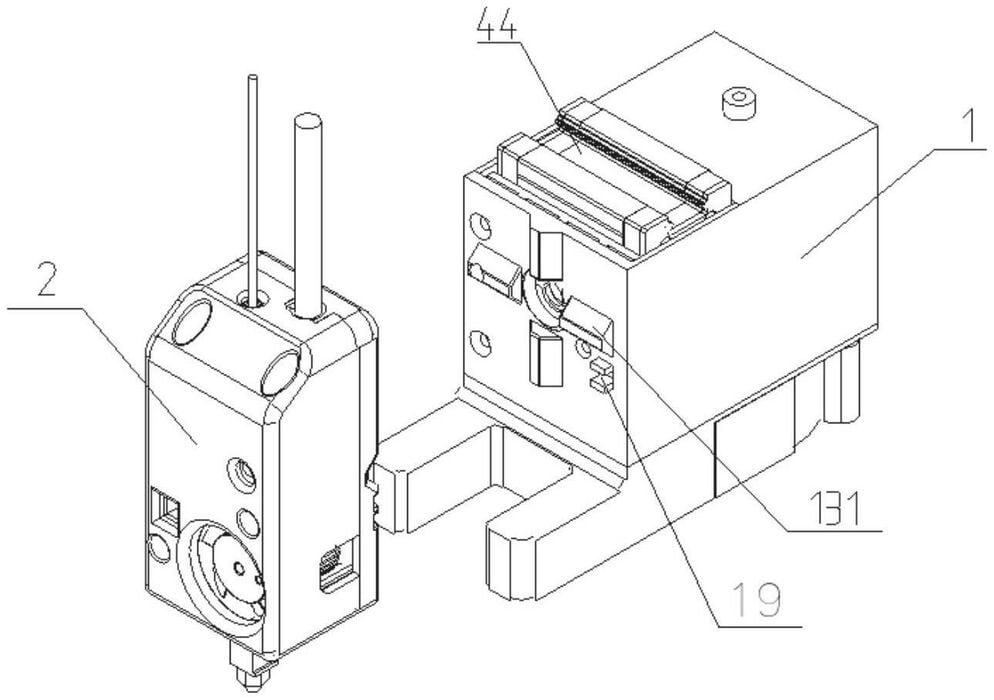
It appears that Flashforge is getting into the toolchanger game.
Toolchangers are one option to enable multicolor FFF 3D printing without generating waste. Today’s popular filament swapping / single nozzle systems can easily print in multiple colors, but each time the filament is swapped, material is purged. This can generate massive amounts of waste plastic, costing the operator more for materials.
The industry seems to be moving on from that concept and towards solutions that produce far less waste. Bambu Lab’s approach is their Vortek system, where hot ends are swapped in and out. Each hot end remains “dirty” for a specific color during the print job. Prusa and Bondtech are developing a 3D printer using the latter company’s INDX system, which has dedicated hot ends that are moved on and off the toolhead.
Another approach is the toolchanger, where multiple toolheads are snapped into the toolhead as required. This approach is used by Prusa Research with their XL system, and by Snapmaker’s U1 system.
Now we see a patent awarded to Flashforge that seems to describe a similar toolchanging method. Patent WO2025218590, “Multi-Nozzle-Switchable 3D Printer, Nozzle Grabbing And Butt-Jointing Method, Nozzle Separation Method And Control Method”. I suspect the title lost something during translation; the patent is written in Chinese.
The patent describes an FFF toolchanger that parks multiple lightweight hotend+extruder “tool bodies” on a base, and a moving “tool seat” (on the XY axis). The tool seat comes to dock, lock, and drive whichever tool is needed. The key idea here seems to be that the motors, sensors, and electronics stay on the moving seat, while each parked tool body keeps only the mechanics for filament drive and the hotend.
The seat and tool body couple via a mechanical male/female drive interface and a positive lock. Docks use pins and magnets to locate/hold tools when parked. No electrical contacts are required at the tool, which reduces cost/weight and speeds swaps.
Many of these individual elements are already seen in other existing systems, but this patent seems to bundle them together into a comprehensive system.
This is a mechanically driven, electrically simple, multi-tool changer for FFF systems that tries to keep the brains+motor on the carriage and make the tools cheap and light, while offering two robust locking options and compliance for reliable high-speed swaps. It’s aimed at fast multi-material/color printing with less purge waste and lower cost per tool, without burdening the motion system with multiple full extruders.
Currently, Flashforge’s venture into the world of FFF multicolor 3D printing has been the AD5X, which is a filament swapping system. However, unlike Bambu Lab, Anycubic, Creality or others that use an external accessory to hold (and sometimes dry) the spools, the AD5X simply mounts the spools on the side of the machine.
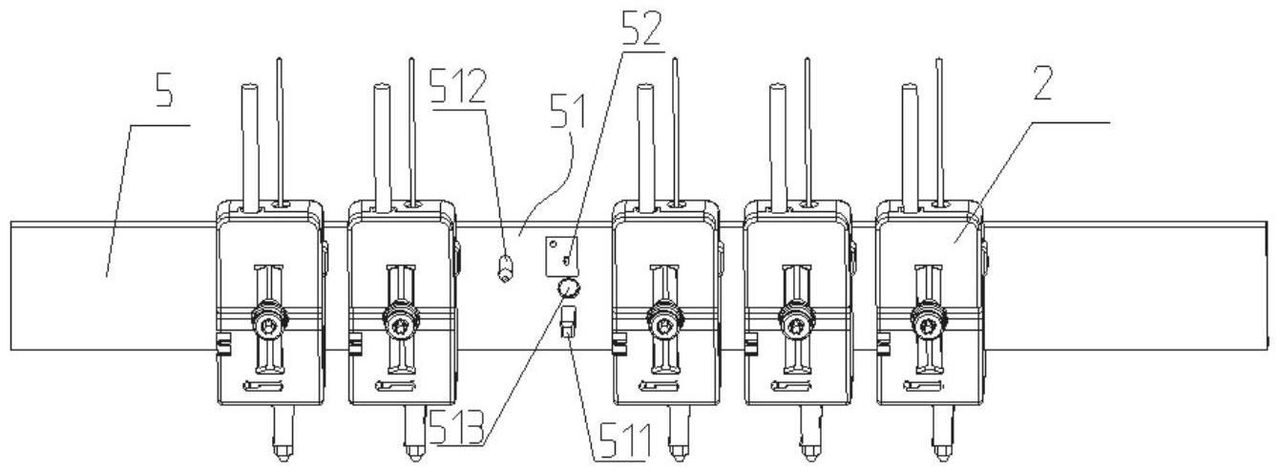
The method described in the patent is far more sophisticated, and seems capable of competing with the Vortek, INDX and Snapmaker approaches. One of the images in the patent shows a base capable of holding six tool bodies, perhaps indicating they are developing a six-way toolchanger.
The fact that Flashforge patented this — and it’s a worldwide patent — suggests that the company is developing a toolchanger that could be announced in coming months. They would then join Prusa Research, Snapmaker and Bambu Lab in offering (or soon to offer) waste-free multicolor FFF 3D printing.
I’m now beginning to have questions about where Anycubic and Creality are on waste free 3D printing technology. Their competitors have now all revealed they have alternatives in the works, and they will have significant pressure to join them.
Via PatentScope
