
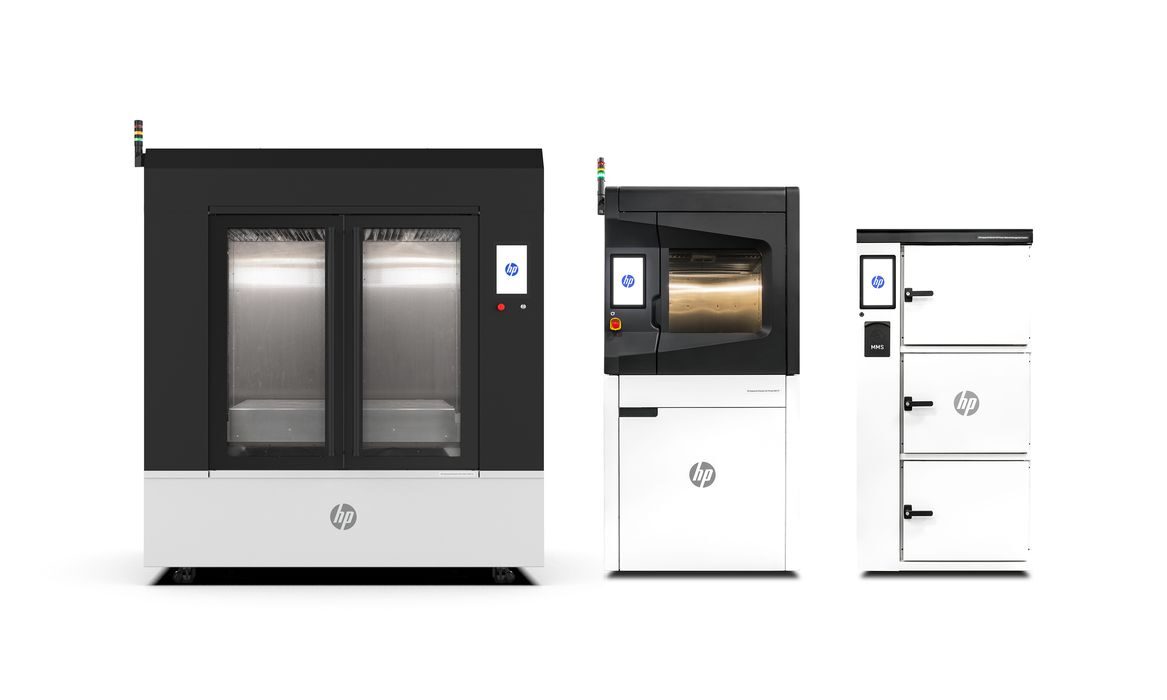
We’ve learned a bit of a surprise about HP’s new FFF 3D printer.
Last week HP announced the 600 HT, a new high temperature FFF 3D printer for industry. This was quite a surprise as the company had previously focused only on their proprietary MJF technology.
It hadn’t been since 2012 that the company had an FFF device in their product catalog. Back then, HP had licensed technology from Stratasys, effectively relabeling a Stratasys product as their own.
The company went quiet on 3D printing for many years, eventually announcing their new MJF technology.
The sudden announcement of the 600 HT was quite surprising, as we hadn’t heard any rumors of this development beforehand. That was quite unlike the MJF debut, which had been rumored for months prior.
Now we know why this happened so quickly: the 600 HT is actually a rebadged 3DGence INDUSTRY F421 high temperature industrial 3D printer. How do we know this? Let’s compare the two, side by side:
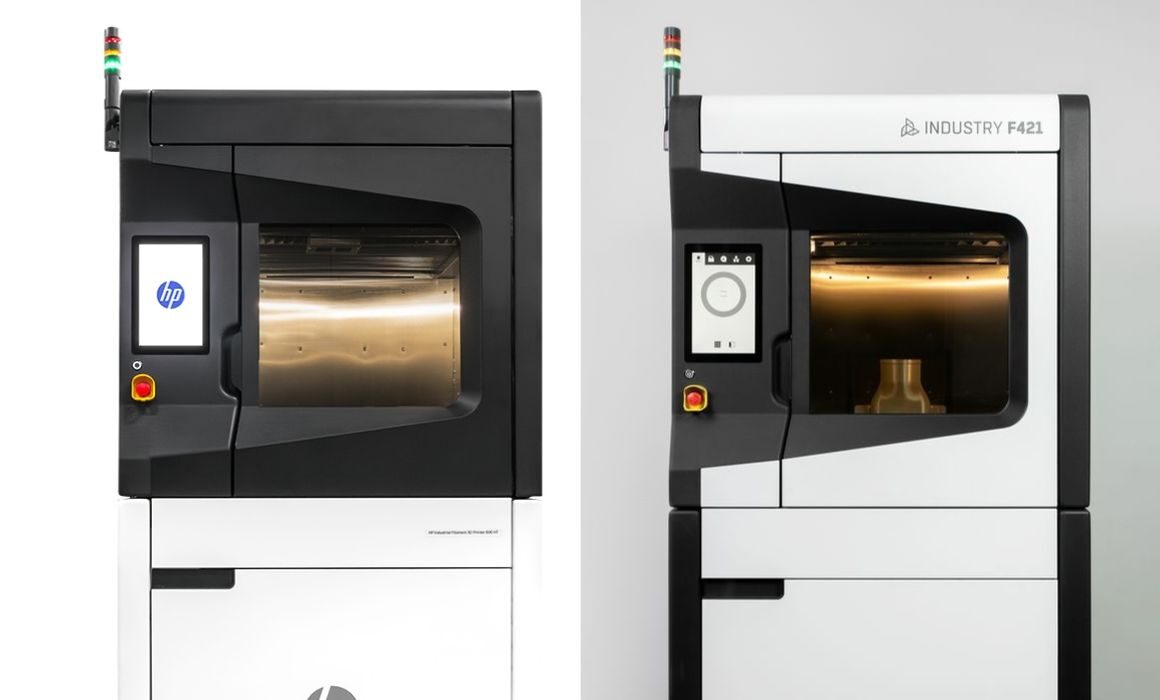
The two machines are incredibly similar, with only superficial differences on the outside, mainly logos and color.
It seems that HP has made a move very similar to what they did 15 years ago with Stratasys: license a technology to quickly enter the market.
This is obviously good news for 3DGence, as they will no doubt sell many more machines through HP than they otherwise would have done. HP has a vast worldwide sales and distribution network that can be leveraged in this partnership.
But why would HP do this? Time for some speculation.
Fifteen years ago HP’s experiment with Stratasys was temporary, and it provided a way for HP to enter the 3D print space and start to get an understanding of the industry. By selling any equipment, they were able to learn who the customers were, what they wanted, which price levels were suitable, etc.
My belief is that after HP gained this knowledge they shut down the Stratasys partnership and went back to the lab to develop MJF, which must have been their take on how to truly enter the industrial 3D printing market.
Could it be they are doing something similar here?
We’ve seen how metal 3D printing grew from a niche area into today’s highly profitable segment. In aerospace today if you’re not 3D printing certain types of parts, you’re behind the times.
It may be that HP believes something similar might happen with high temperature FFF 3D printing. This area has been growing for some time, as it enables the use of more advanced materials. These materials in many cases can substitute for metal parts, if the operating temperatures are not too high. And the parts are also very lightweight.
Perhaps HP foresees major growth in this area, and wants to learn about it in more depth. There’s no way better to do so than trying to sell equipment into that market.
We don’t know where this partnership is headed, but it does indicate that HP is thinking forward and attempting an unusual strategy.
