
Charles R. Goulding and Andressa Bonafe spotlight a pivotal moment at Additive Manufacturing Strategies 2026, where Arvind Rangarajan outlined a clear path to industrial-scale 3D printing.
As noted in a piece published just a few weeks ago, I had the pleasure of attending Additive Manufacturing Strategies 2026 in New York City, one of the year’s most consequential summits for industrial 3D printing practitioners and executives. The three-day event was a blend of in-depth keynotes, vertical-focused sessions, and strategic executive dialogues, with many discussions touching on a central industry question: how additive manufacturing moves from promising experimentation toward reliable, industrial-scale production.
Among the many thought leaders onstage, one presentation stood out for its clarity and operational relevance: Arvind Rangarajan’s keynote for HP Additive Manufacturing Solutions. Rangarajan, Global Head of Product and Strategy for HP’s Additive Manufacturing Solutions, stepped in for Alex Monino, the Senior Vice President and General Manager of that business unit, a veteran leader responsible for HP’s strategic direction in 3D production printing.
What made this presentation especially compelling was its grounding in real client projects. From healthcare to drones, robotics, and automotive, Rangarajan outlined how HP’s technology is being adopted not just for prototyping or support tooling, but for end-use parts that matter to industry economics.
From Prototype to Production: The Modern AM Playbook
At its core, Rangarajan’s message was a strategic one: industry leaders are beginning to think of additive manufacturing as a viable production modality. Historically, many organizations adopted 3D printing for unique parts or proof-of-concepts, in part because material costs, workflows, and predictability were not yet mature. As Rangarajan emphasized, however, speed alone is not enough. Parts must be produced with predictable costs, consistent quality, and repeatability if additive manufacturing is to compete with conventional manufacturing.
To reach that point, the entire workflow (from design and simulation to printing, post-processing, and quality assurance) must be industrialized. Economies of scale must hold across complex part builds, multiple machines, and automated downstream handling, not just within isolated build chambers. This shift marks a broader industry pivot: additive manufacturing as a repeatable, business-impacting production technology.
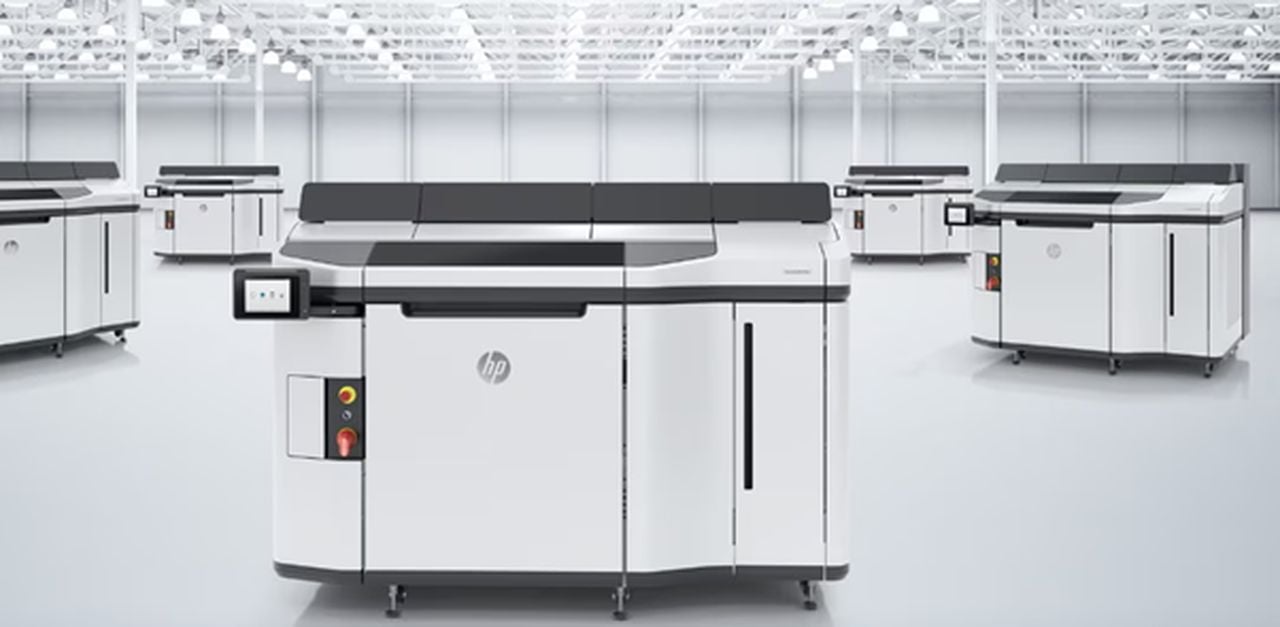
This shift toward production-grade additive manufacturing also depends on a broader industrial ecosystem. HP’s strategy increasingly reflects that reality, combining its printing platforms with partners that help companies integrate 3D printing into real supply chains and production workflows. One example mentioned in the talk was Würth Additive Group, which has been building distributed manufacturing and digital inventory solutions that allow companies to source qualified 3D printed parts on demand. As additive manufacturing moves from experimentation to production, these ecosystem partners play a critical role in connecting design, materials, printing, and logistics into a functioning industrial pipeline.
Against that backdrop, Rangarajan structured his presentation around four verticals where HP is already seeing this transition unfold: orthotics and prosthetics, drones, robotics, and automotive. The following sections review several of the real-world applications highlighted during the talk.
Orthotics & Prosthetics: Industrializing Personalized Care
One of the clearest examples Rangarajan highlighted was orthotics and prosthetics (O&P), a vertical where both personalization and quality are critical. HP’s Multi Jet Fusion (MJF) technology has been used by organizations such as Invent Medical, which has delivered over 100,000 parts across more than 1,000 hospitals, showing that additive manufacturing can support high-volume personalized production in medical contexts.
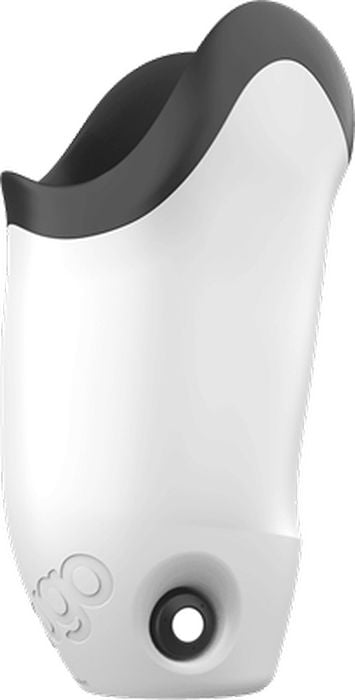
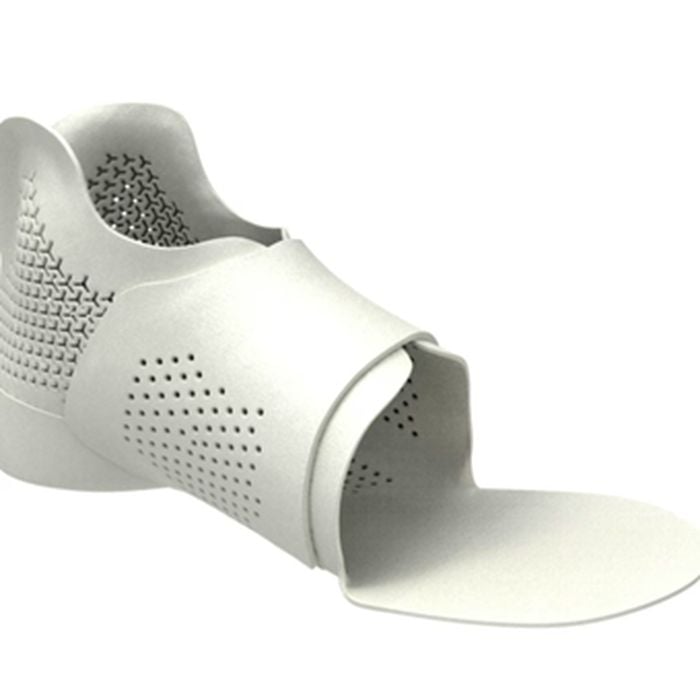
HP’s own industry resources list several case studies where its MJF systems power custom orthotic devices, prosthetic sockets, and patient-specific implants. These digital workflows (from 3D scanning through design to production) not only improve patient comfort but also unlock shorter lead times and repeatable quality compared with traditional methods. HP’s materials and machines deliver excellent isotropic mechanical properties and better waste reduction through powder reuse, contributing to sustainable, cost-effective production at scale. This approach aligns with trends we’ve previously examined in the prosthetics sector. In our coverage of Ottobock, we explored how the company moved from artisan, craft-based socket fabrication toward digitally driven workflows that standardize scanning, modeling, and 3D printing, which allows personalization at industrial scale rather than one-off customization. In our article on Hanger’s collaboration with Coapt, we highlighted how additive manufacturing integrates with advanced myoelectric control systems, demonstrating that modern prosthetics are no longer just mechanical devices but digitally connected, sensor-enabled platforms. And in our exploration of bio-inspired prosthetic design, we examined how nature-derived structures combined with 3D printing enable lighter, more adaptive limb replacements that would be impossible to fabricate conventionally.
Drones: Lightweight Performance and Locally Responsive Supply
While healthcare illustrates the human impact of industrialized additive manufacturing, drones, particularly those designed for rugged environments, highlight its operational value. During the presentation, Rangarajan highlighted The Eye Above initiative, which includes the BushRanger, a vertical take-off and landing (VTOL) drone used to monitor endangered wildlife across Southern Africa. Equipped with thermal and optical cameras and snare-detection radar, the system supports anti-poaching operations in challenging terrain. HP’s Multi Jet Fusion technology has been used to produce lightweight yet structurally robust components, improving flight efficiency while simplifying maintenance and part replacement.
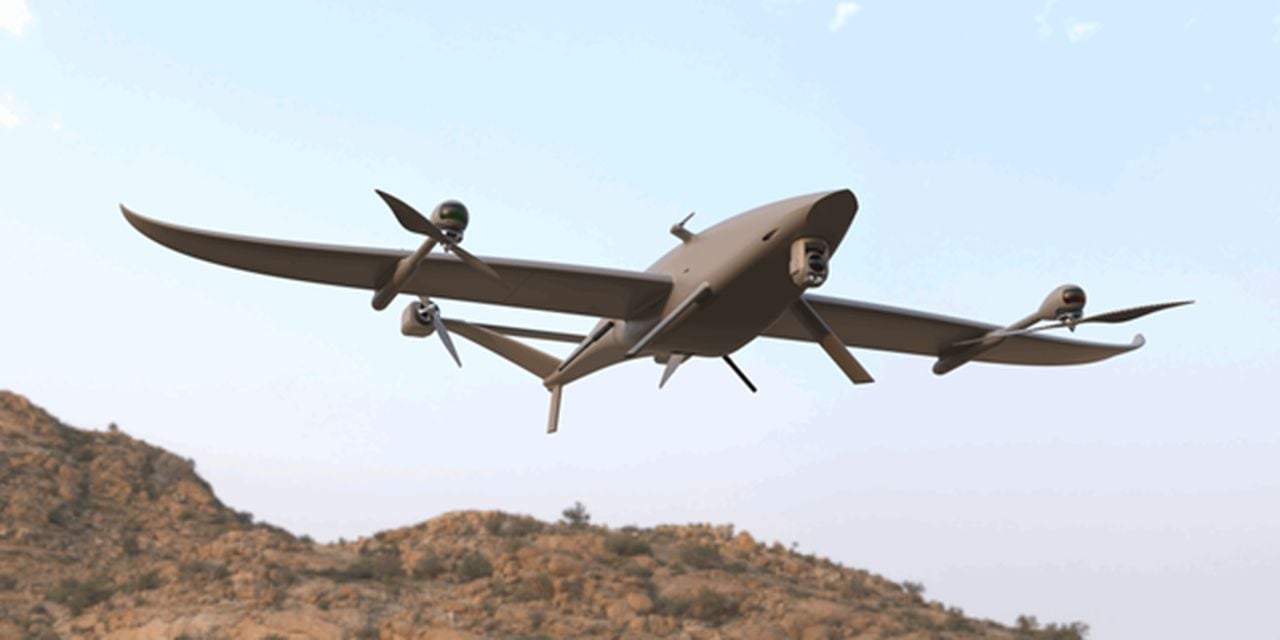
This discussion echoes broader trends we’ve previously examined in the expanding U.S. drone ecosystem, where additive manufacturing has become embedded across the value chain, from rapid airframe prototyping to flight-ready structural and propulsion components. In that earlier analysis, we noted how metal and polymer additive manufacturing systems are accelerating development cycles while enabling geometries and weight reductions that conventional fabrication methods struggle to match.
Robotics: From Humanoids to Warehouse Automation
In discussing robotics, Rangarajan pointed to emerging humanoid and advanced robotic platforms as examples of where additive manufacturing’s design freedom becomes especially valuable. Complex kinematics, lightweight structural requirements, and tightly integrated components make robotics a natural fit for 3D printing. Additive manufacturing enables part consolidation, weight reduction, and faster iteration cycles, all critical in systems where energy efficiency, joint precision, and durability directly impact performance. HP’s presence in this space reflects broader momentum in robotics, building on work we’ve previously covered, such as Teddy Haggerty and the unexpected link between NASDAQ and humanoid innovation.
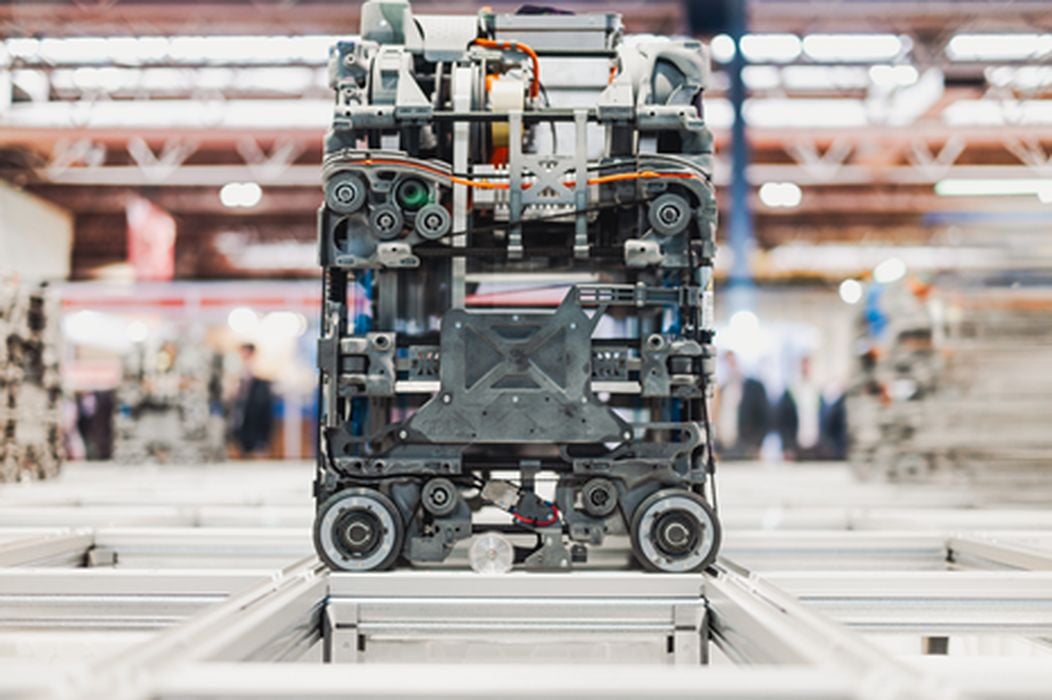
The presentation also referenced large-scale warehouse automation, including work connected to Ocado Group, whose fulfillment centers rely on thousands of coordinated robotic units. In such environments, even small weight reductions can translate into measurable energy savings and improved system speed. HP has noted that more than half of certain robotic components can be redesigned and lightened using 3D printing, enabling stronger yet lighter parts while simplifying supply chains. Together, these examples illustrate how additive manufacturing is quietly embedding itself into robotics infrastructure where efficiency, repeatability, and scale truly matter.
Automotive: Right-Sized Production and Efficiency Gains
HP’s Multi Jet Fusion has been applied by major OEMs and suppliers for lightweight structural parts, tooling, and prototype-to-production transitions, including collaborations with brands like Volkswagen and Cupra where additive manufacturing enhances part quality, reduces mass, and accelerates development.
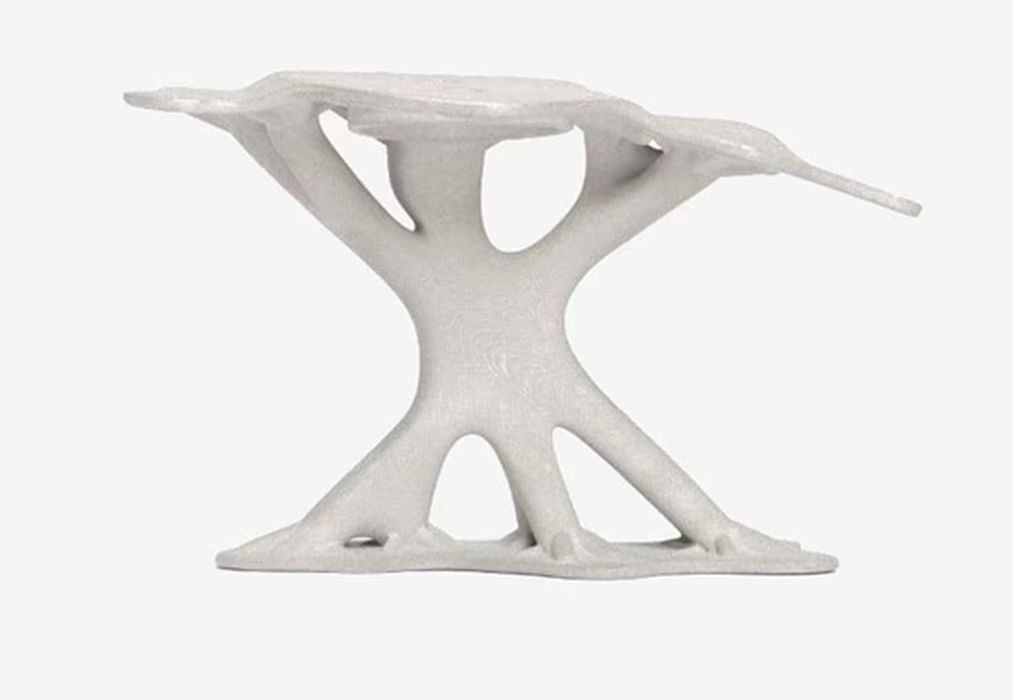
Rangarajan emphasized that these advances carry real economic and engineering value. Lighter parts can improve fuel economy or extend EV range; optimized geometries enable better thermal management; and localized printing can compress supply chains while reducing inventory costs. In commercial vehicles and precision machinery alike, HP’s printing technology is increasingly finding pathways into end-use production, not just short runs.
The Research & Development Tax Credit
The now permanent Research and Development (R&D) Tax Credit is available for companies developing new or improved products, processes and/or software.
3D printing can help boost a company’s R&D Tax Credits. Wages for technical employees creating, testing and revising 3D printed prototypes can be included as a percentage of eligible time spent for the R&D Tax Credit. Similarly, when used as a method of improving a process, time spent integrating 3D printing hardware and software counts as an eligible activity. Lastly, when used for modeling and preproduction, the costs of filaments consumed during the development process may also be recovered.
Whether it is used for creating and testing prototypes or for final production, 3D printing is a great indicator that R&D Credit eligible activities are taking place. Companies implementing this technology at any point should consider taking advantage of R&D Tax Credits.
Conclusion
HP’s presentation at Additive Manufacturing Strategies 2026 offered a clear snapshot of where industrial 3D printing stands today: moving from experimentation toward practical production deployment. Through examples across orthotics and prosthetics, drones, robotics, and automotive manufacturing, Rangarajan showed how additive manufacturing is delivering measurable operational benefits while becoming increasingly integrated into real industrial workflows. As these technologies mature, financial incentives such as the R&D Tax Credit can further support companies adopting additive manufacturing at scale.