

Charles R. Goulding describes how Josh Dean’s new book chronicles the remarkable career of Lockheed engineer Kelly Johnson and the Skunk Works culture that transformed aerospace. Its lessons about rapid development, manufacturing and innovation remain remarkably relevant to 3D printing today.
aerospace

Design of the Week: Supersonic Trebuchet
This week’s selection is the Supersonic Trebuchet by YouTuber Tom Stanton.
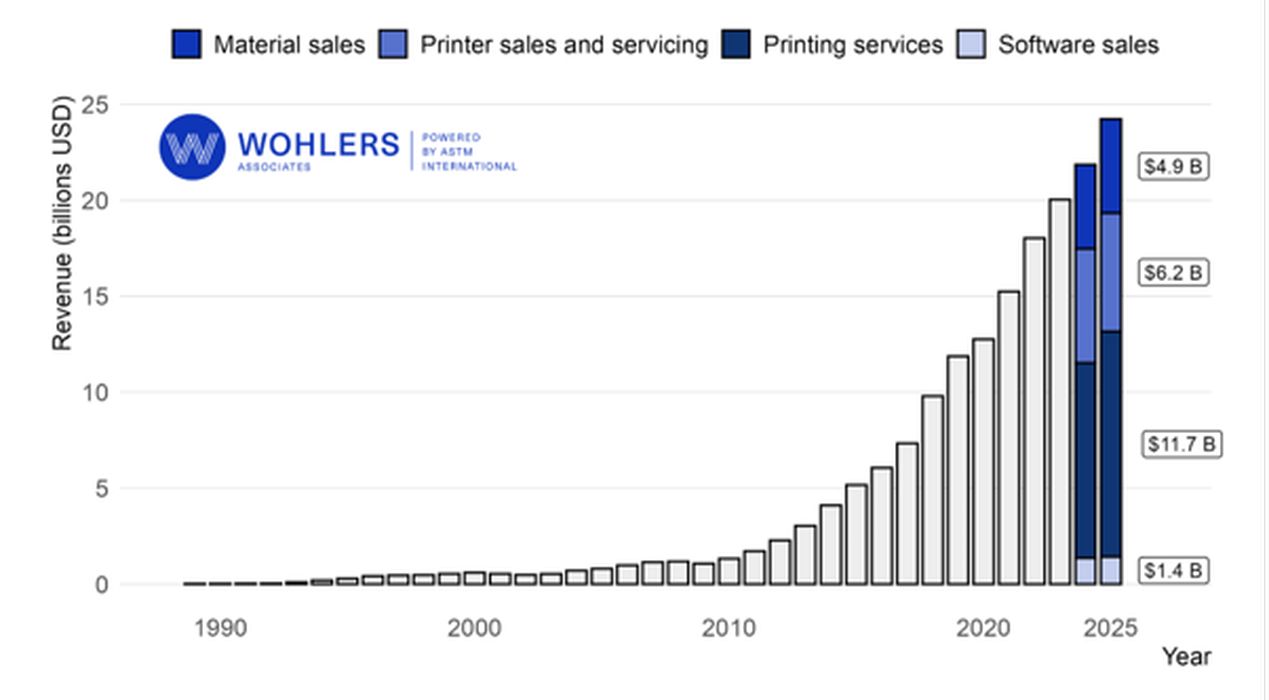
Why Engineering Services Are Outpacing Hardware in Additive Manufacturing
Charles R. Goulding and Andressa Bonafe explain why companies are increasingly turning to engineering-driven additive manufacturing services to strengthen supply chains, accelerate production, and unlock valuable R&D tax incentives.

Beyond Chemistry: How 3D Printing Is Reshaping Battery Technology
Charles R. Goulding and Preeti Sulibhavi take a technical look at the emerging world of 3D printed batteries, where advanced manufacturing is enabling entirely new energy architectures beyond the limits of conventional battery production.
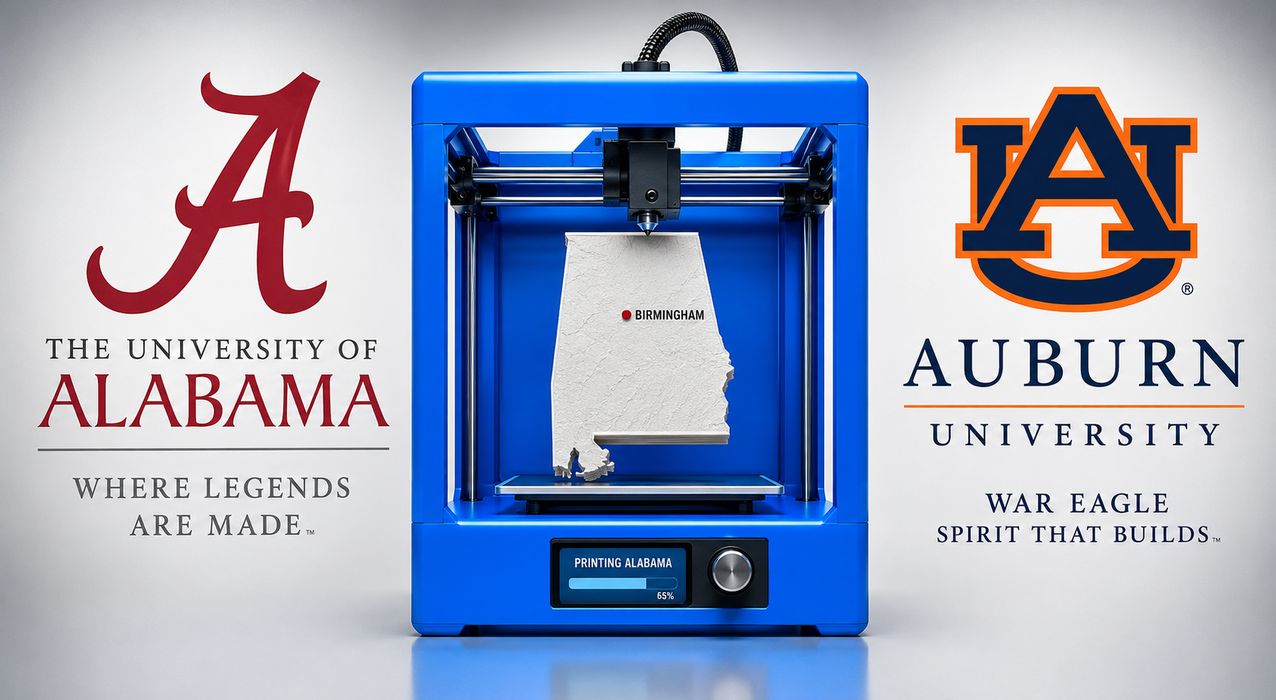
Battle of the Builders: Comparing 3D Printing Innovation at Auburn and the University of Alabama
Charles R. Goulding and Preeti Sulibhavi compare the additive manufacturing initiatives at Auburn University and the University of Alabama, revealing how each institution is contributing to Alabama’s rise as an advanced manufacturing hub.
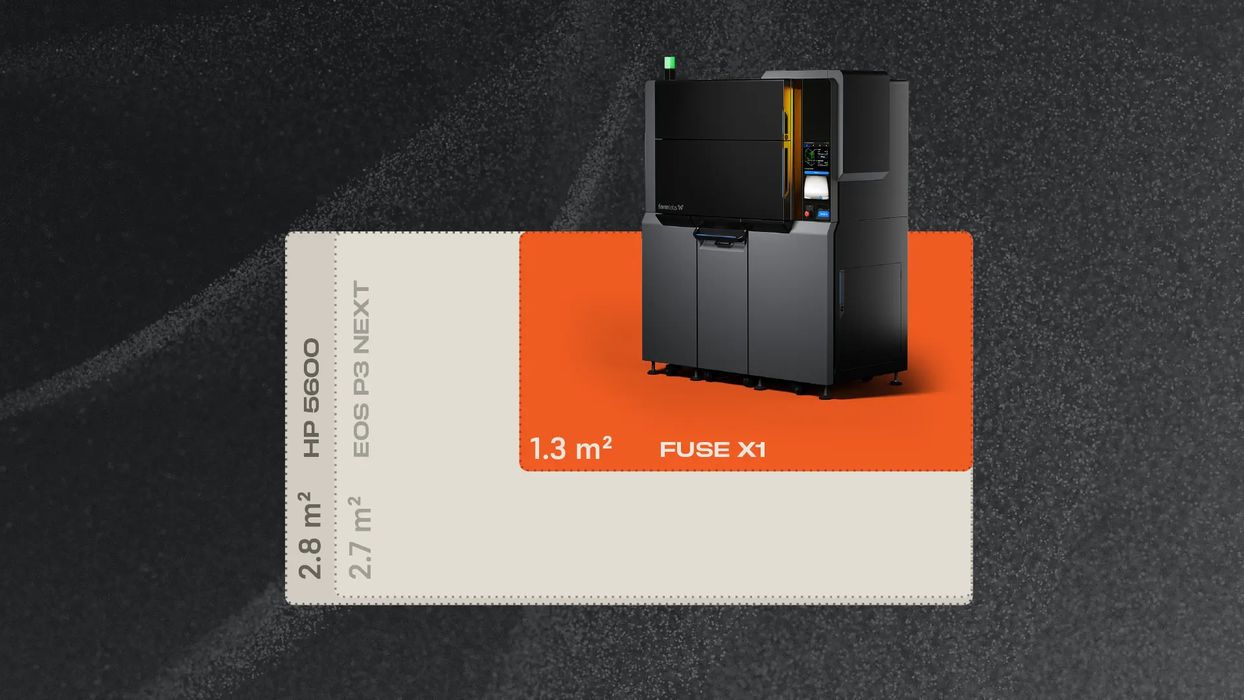
Industrial 3D Printing Finally Gets Affordable: Formlabs’ Fuse X1 Could Change the Market
Charles R. Goulding and Preeti Sulibhavi examine how Formlabs’ new US$85,000 Fuse X1 industrial 3D printer could accelerate the shift of additive manufacturing from a high-cost specialty process to a mainstream production technology.
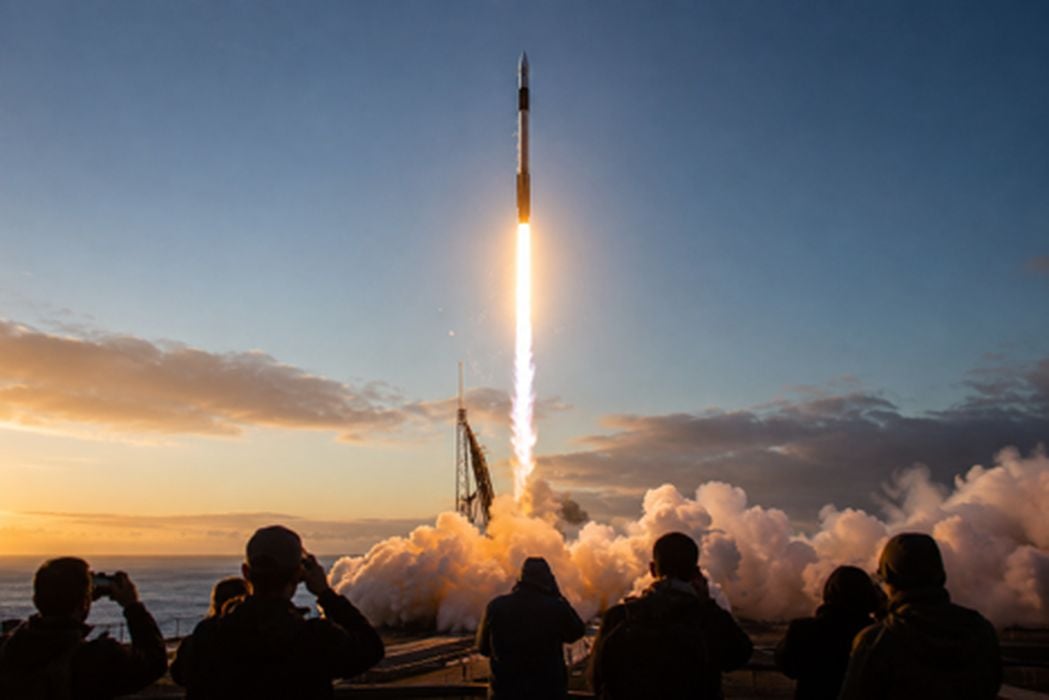
Rocket Lab: An Emerging Leader in Aerospace
Charles G. Goulding explores how Rocket Lab has emerged as one of the few commercial space companies to successfully scale from innovative rocket development to a diversified aerospace manufacturing powerhouse.
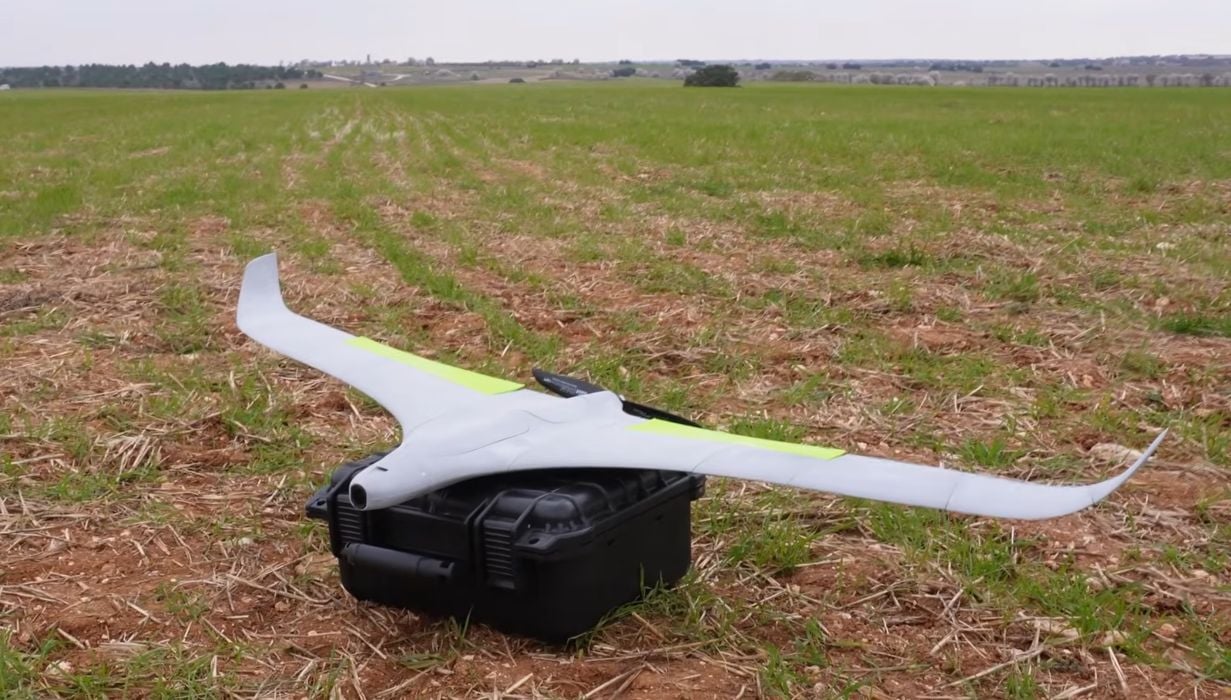
Design of the Week: NX2 Long Range Flying Wing
This week’s selection is the NX2 Long Range Flying Wing by YouTuber Neuroautics.
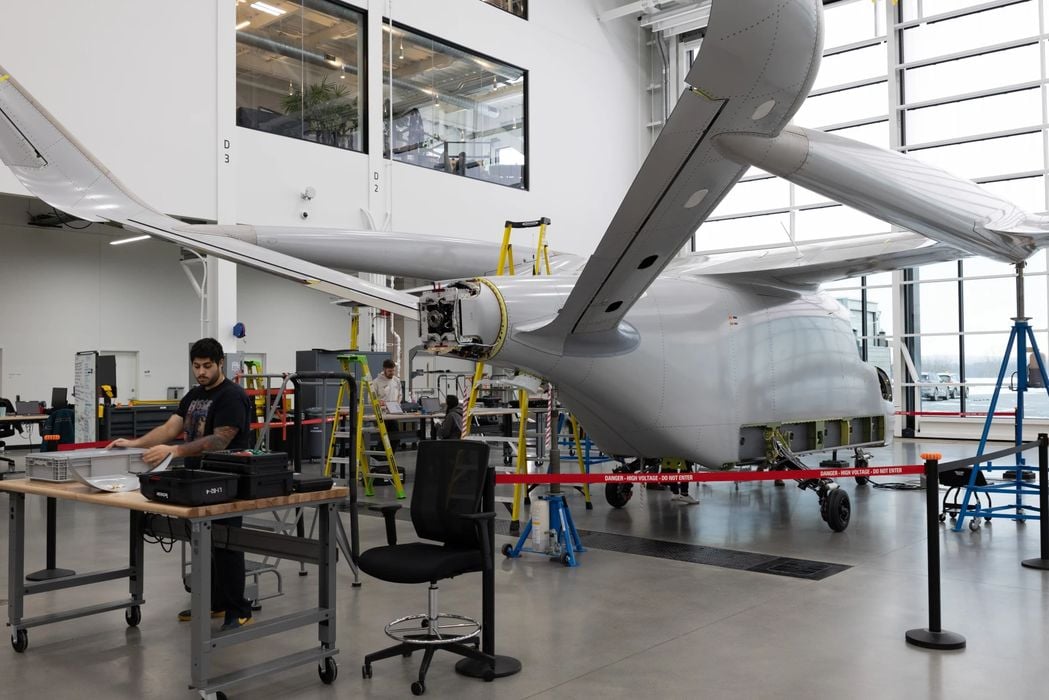
Cleared for Takeoff: How the FAA’s eIPP Could Propel Aerospace 3D Printing
Charles R. Goulding and Preeti Sulibhavi explore how the FAA and DOT’s new eVTOL Integration Pilot Program (eIPP) could accelerate Advanced Air Mobility while creating fresh opportunities for aerospace 3D printing leaders such as BETA Technologies.

JetZero and Airplane Manufacturing Disruption
Charles R. Goulding and Nimra Shakoor examine how JetZero is combining advanced materials, 3D printing, and AI to reshape aircraft production and fuel efficiency.
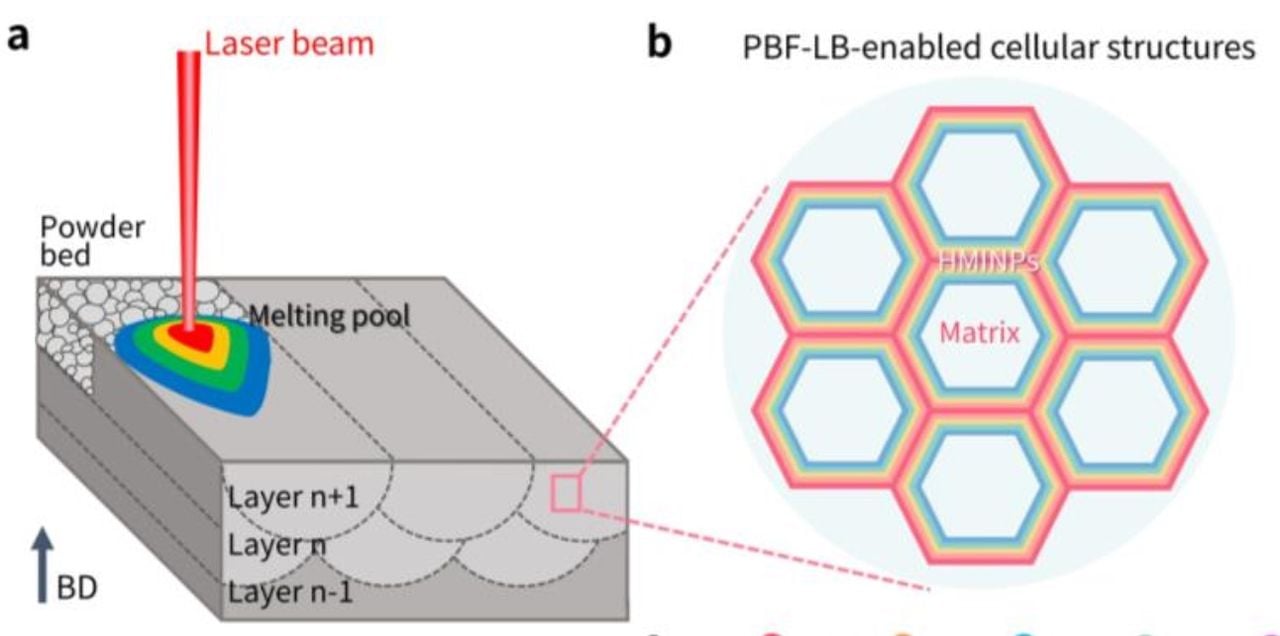
LPBF Aluminum Alloy Adds Heat Resistance And Ductility
Researchers unveiled an LPBF aluminum alloy that stays strong and creep resistant up to 400C with no heat treatment.
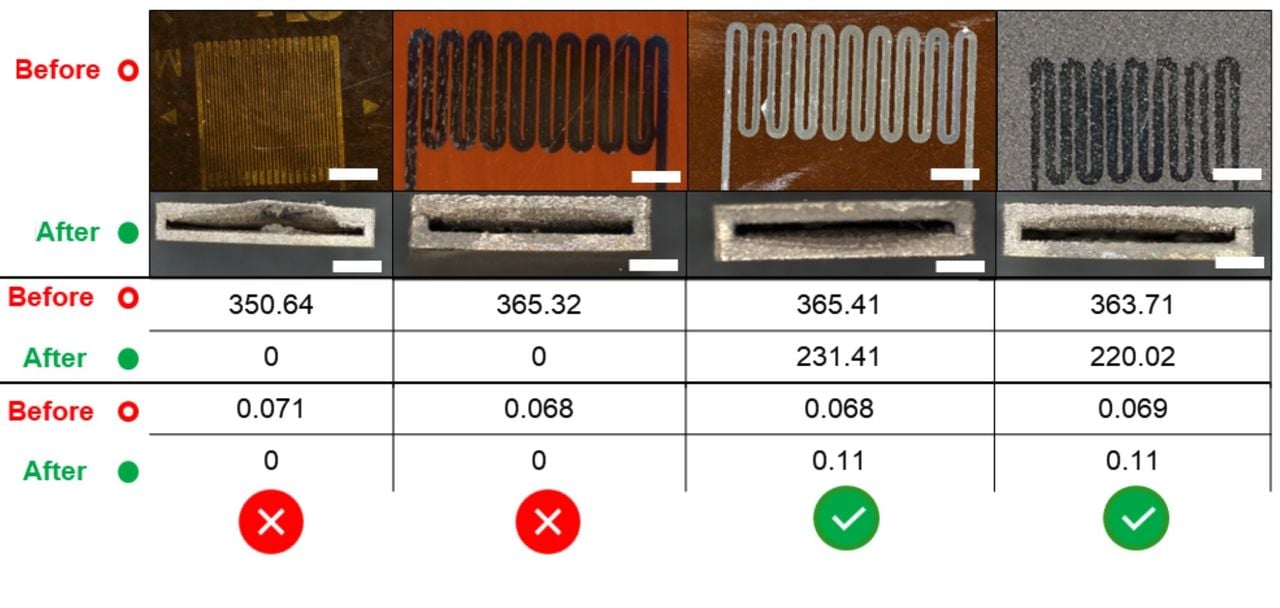
Researchers Embed Working Strain Sensors In LPBF Titanium
Researchers have embedded working multilayer strain sensors inside LPBF titanium, suggesting that self-monitoring metal parts are getting closer.

Inside HP’s Vision at Additive Manufacturing Strategies 2026
Charles R. Goulding and Andressa Bonafe spotlight a pivotal moment at Additive Manufacturing Strategies 2026, where Arvind Rangarajan outlined a clear path to industrial-scale 3D printing.
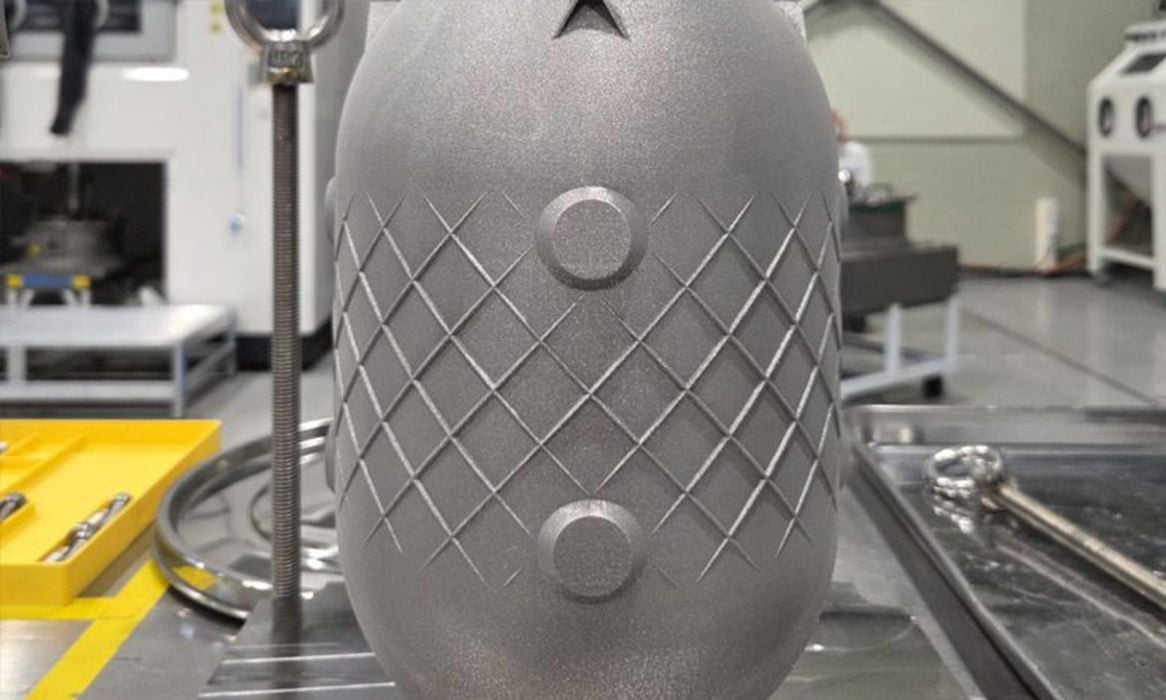
INNOSPACE Develops Support-Free Titanium LPBF Process
A Korean company announced a 3D print process for titanium that apparently requires no support structures.
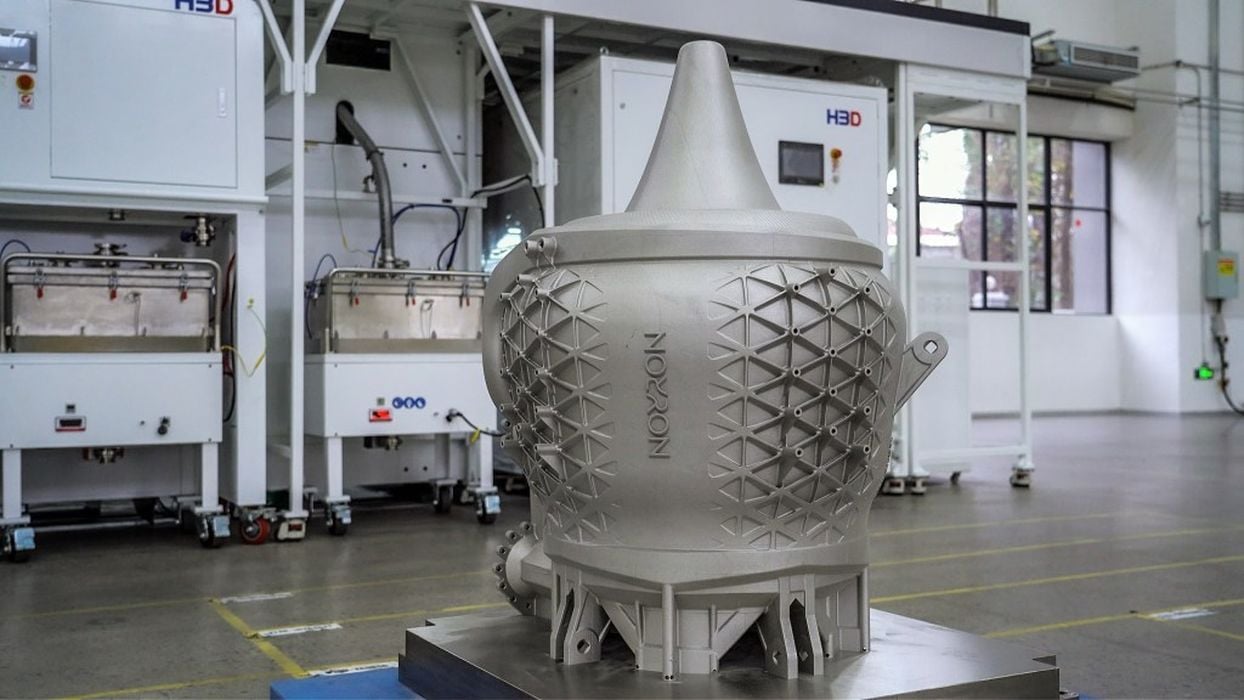
Noyron Computational Engineering Produces Record-Scale 3D Printed Rocket Engine
LEAP71 continues to break records, this time with the world’s largest 3D-printed aerospike rocket engine.
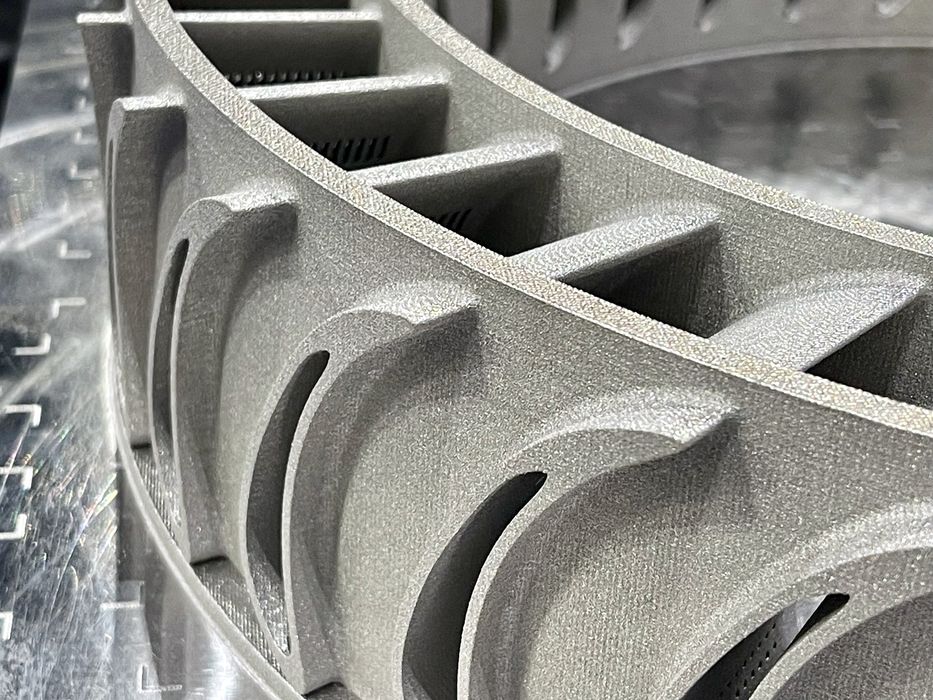
Metal 3D Printing Firm VulcanForms Brings Total Funding to $575M With New Investment
VulcanForms has raised a very large investment.
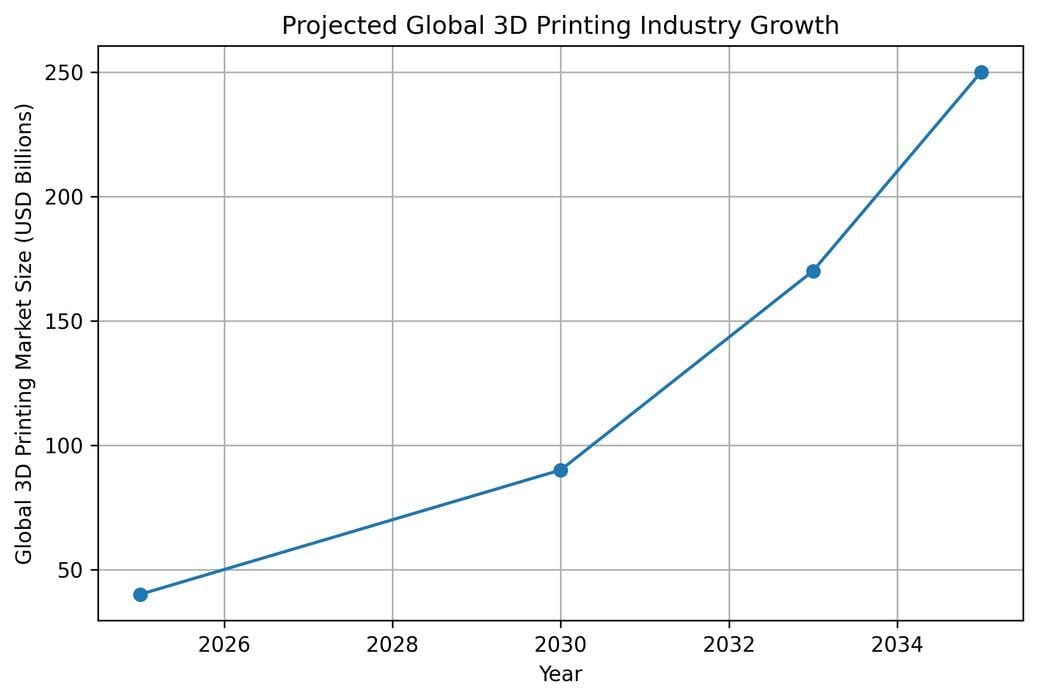
Animal Spirits and 3D Printing: Momentum Returns to Additive Manufacturing
Charles R. Goulding and Preeti Sulibhavi argue that after years of uneven progress, 3D printing’s animal spirits have returned, driving rapid adoption across aerospace, medical, and emerging high-growth sectors.
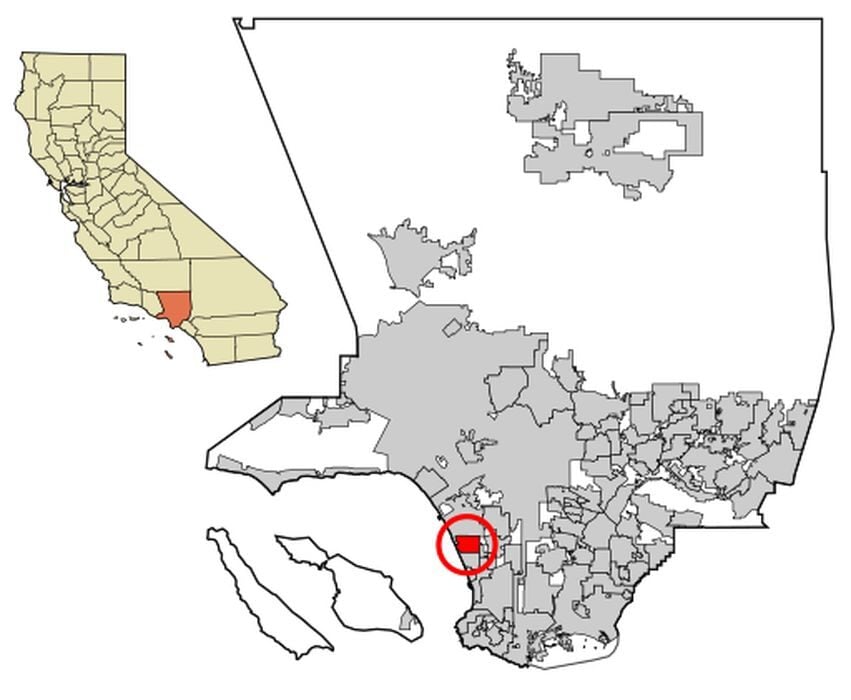
From Surf Breaks to Build Plates: El Segundo’s Quiet Rise as a Hardware Startup Hub
Charles R. Goulding explains how El Segundo is quietly becoming a hardware startup hotspot, where deep aerospace roots, advanced 3D printing, and a surf-and-lift culture are combining to fuel the next generation of serious manufacturing innovation.
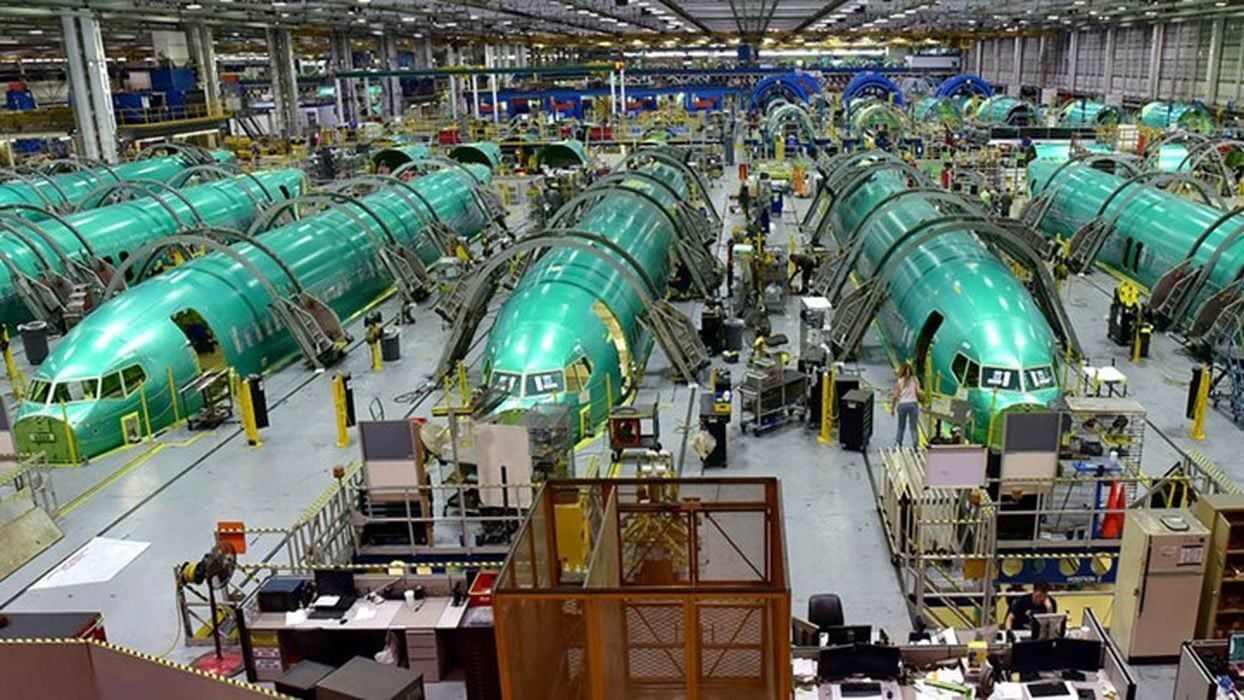
The Boeing, Airbus Role Reversal and 3D Printing
Charles R. Goulding and Jacob Nolan examine how a shifting Airbus–Boeing rivalry, combined with 3D printing and tighter supply chain control, is redefining execution and advantage in modern aerospace.
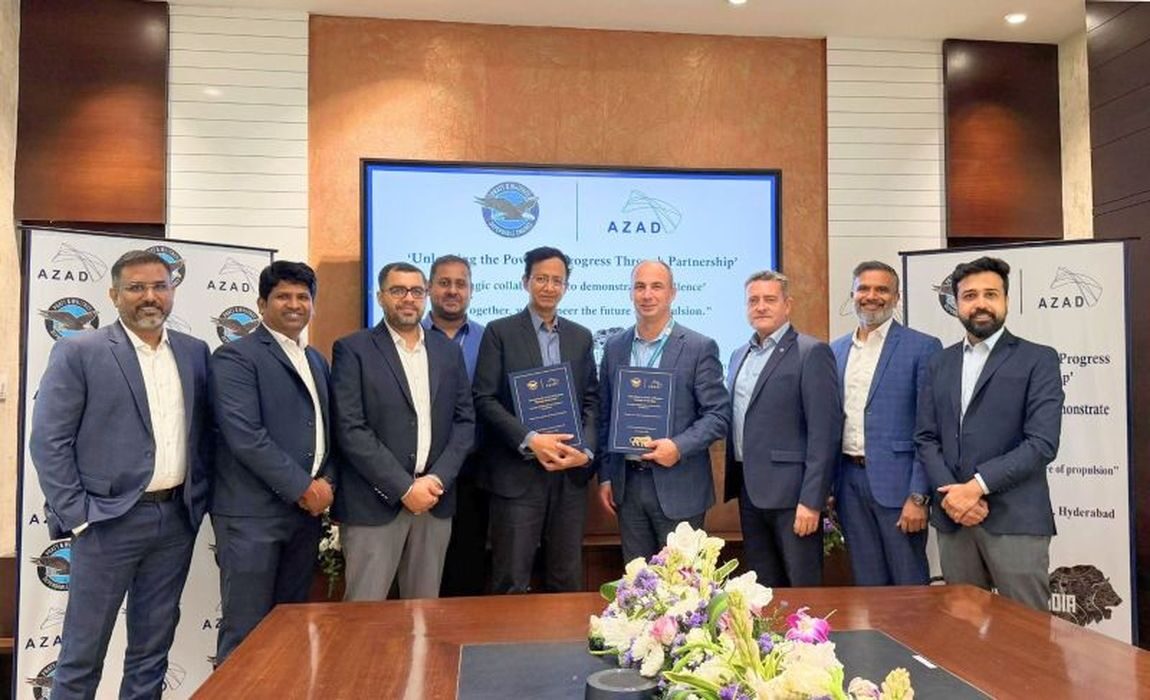
The Rise of Additive Power: Pratt Whitney’s U.S. and India Breakthroughs
Charles R. Goulding and Preeti Sulibhavi showcase how, with faster GTF repairs and India’s rising role, Pratt Whitney is proving that 3D printing now drives engine design, not just prototypes.
Reshaping Aerospace Supply Chains: Inside the TriMas–Tinicum Transaction
Charles R. Goulding and Andressa Bonafe explain how Tinicum’s buyout of TriMas Aerospace signals a push toward smarter, more agile manufacturing where additive tech becomes a quiet force multiplier.
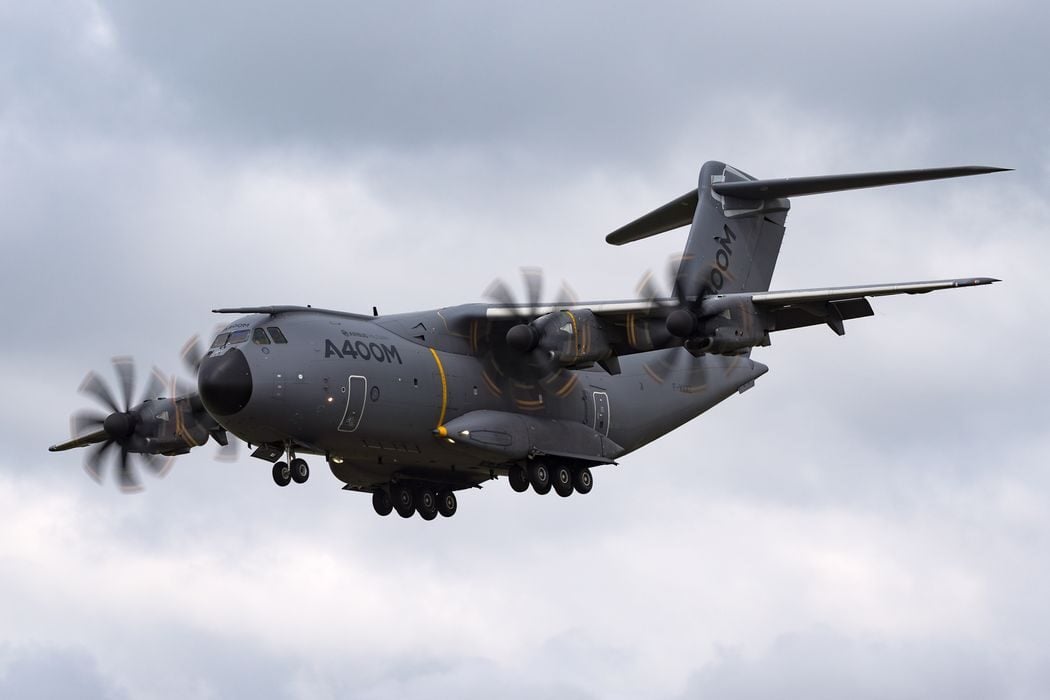
Recent Announcements Highlight Maturing Role of 3D Printing in Industry
Multiple recent announcements confirm the reality of 3D print technology in manufacturing.
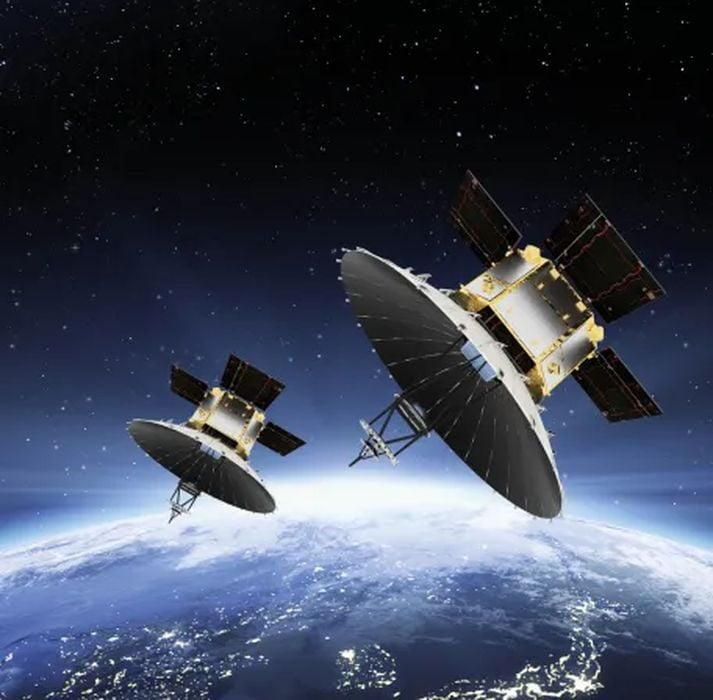
The New European Space Giant and 3D Printing
Charles R. Goulding explores how the merger of Airbus, Leonardo, and Thales could forge a new European space powerhouse — and why 3D printing is the technology holding it all together.

Reardon Metal, Reimagined: MIT’s 3D Printed Aluminum Hits Five-Fold Strength
Charles R. Goulding and Preeti Sulibhavi lead the charge into a new age of metals by reporting on how MIT engineers are leveraging machine learning and 3D printing to transform ordinary aluminum into a super-strong structural alloy.

Firefly Aerospace’s Additive Manufacturing Playbook: From Engines to Moon Landers, Backed by Wall Street
Anthony Palumbo and Charles Goulding examine how Firefly Aerospace is using additive manufacturing, from 3D printed Blue Ghost thrusters to AFP-built composite structures and Miranda engine development, to scale its launch and lunar ambitions in the wake of its August 7, 2025 IPO.

Raven Space Systems Relocates to Colorado to Scale Flight-Grade Composite 3D Printing
In this article, Anthony Palumbo and Charles Goulding examine Raven Space Systems’ relocation to Broomfield, Colorado, and how its patented Microwave Assisted Deposition technology could accelerate production of aerospace-grade composite hardware for hypersonic, reentry, and satellite applications.
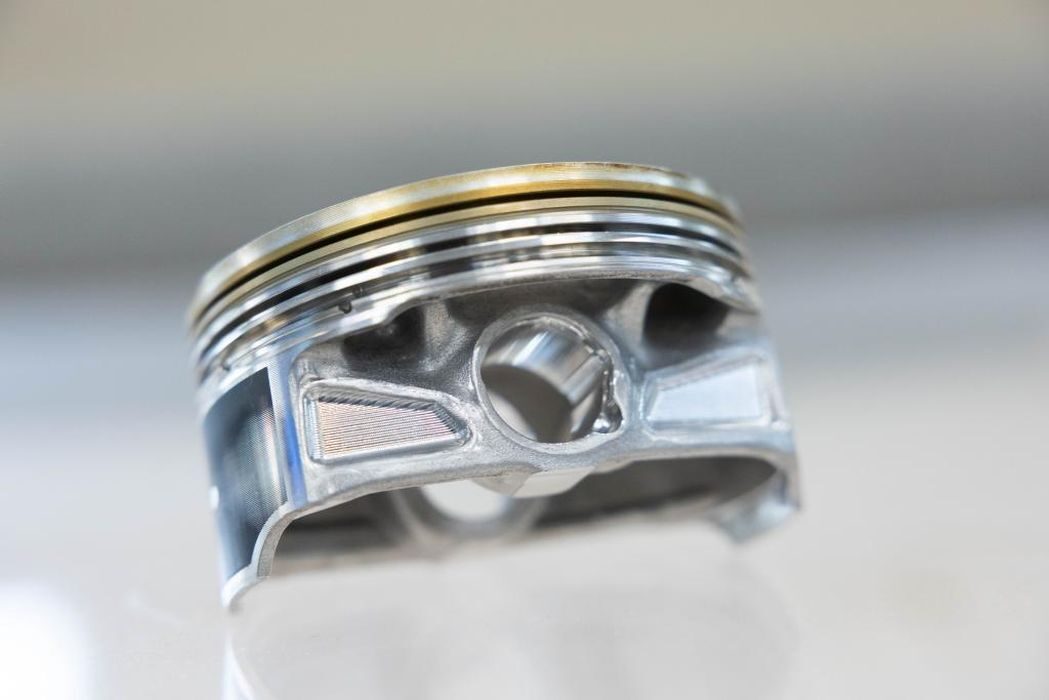
ORNL Develops DuAlumin-3D Alloy to Overcome Cracking in Aluminum 3D Printing
Oak Ridge National Laboratory scientists have developed a new aluminium alloy for additive manufacturing.
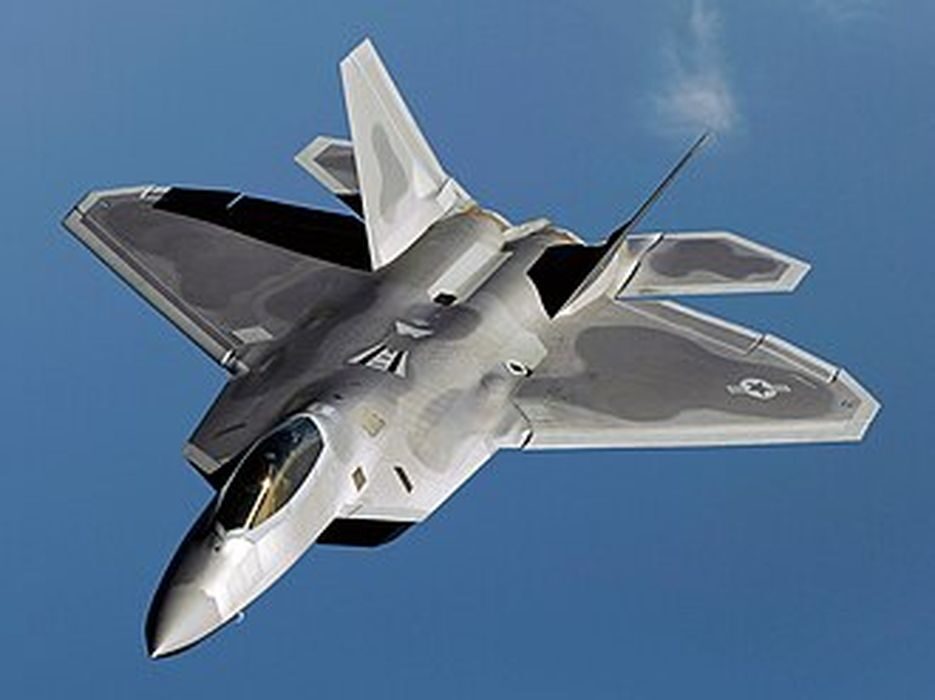
3D Printing Powers the Global Fighter Jet Revolution
Charles R. Goulding and Jacob T. Nolan explore how 3D printing is accelerating innovation and unlocking valuable R&D Tax Credits across industries—from prototyping to next-gen fighter jet production.
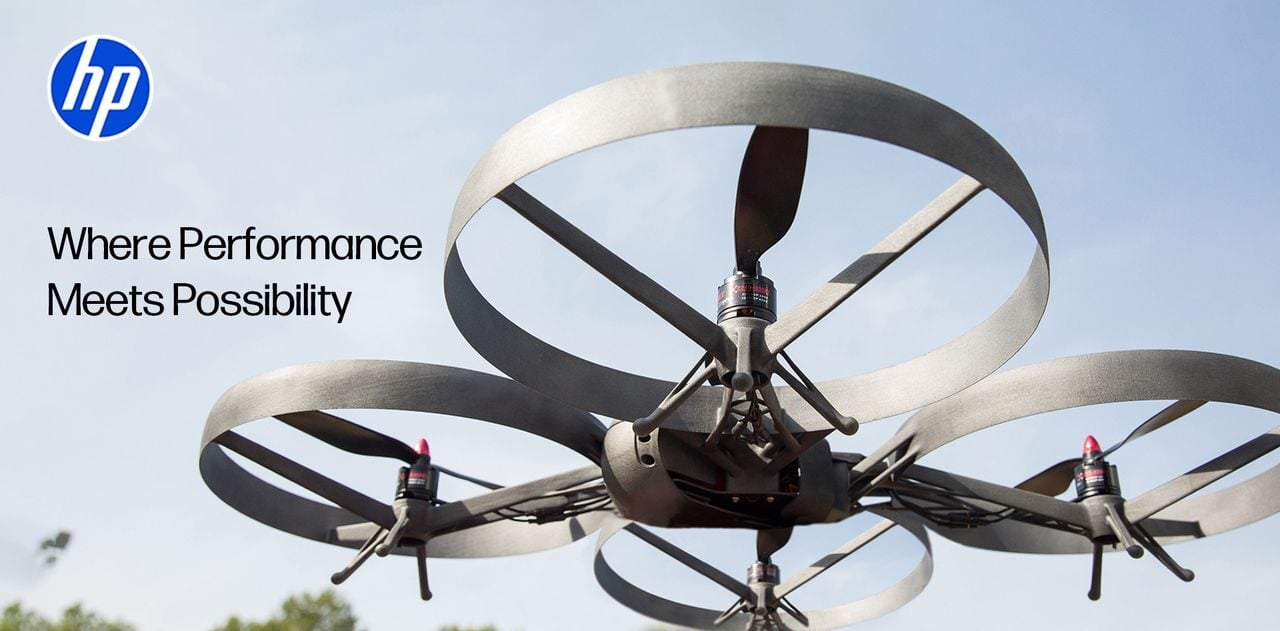
Why Drones Are Emerging as a Key Application for 3D Printing Technology
What’s up with 3D-printed drone applications?
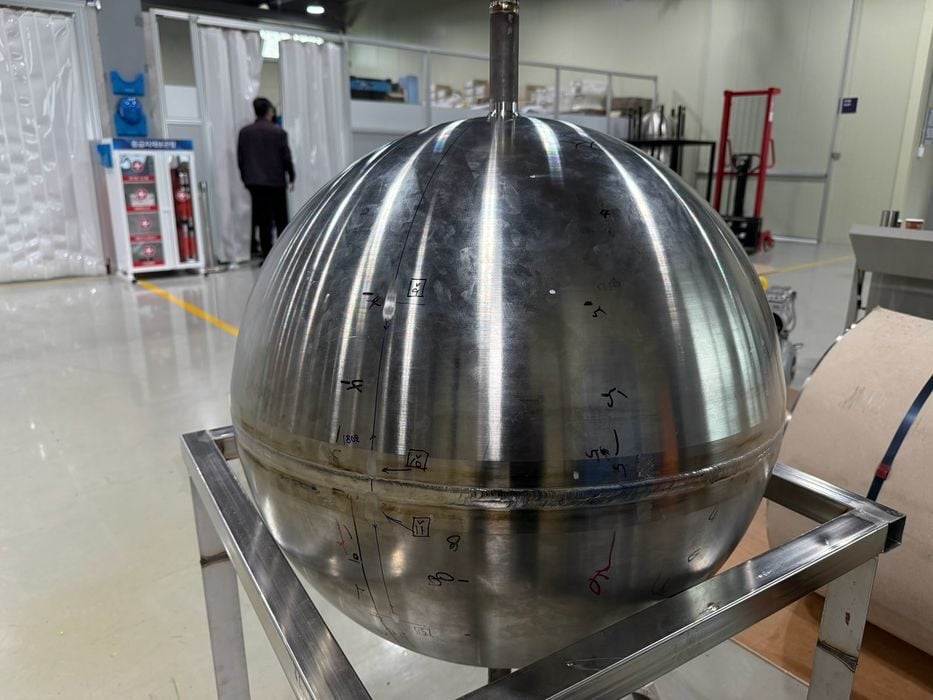
KAMIC Develops Rapid 3D Print Process for High-Strength Titanium Pressure Vessels
Researchers have been able to produce an extremely strong 3D-printed titanium pressure vessel.

Why North Carolina Is the New Powerhouse of Aerospace Manufacturing
Charles R. Goulding and Preeti Sulibhavi discover how North Carolina’s booming aerospace sector—powered by giants like GE, Lockheed Martin, and Pratt & Whitney—is using 3D printing to reshape defense, design, and manufacturing.
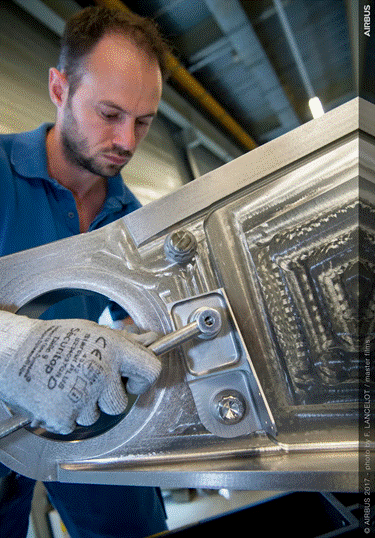
The Additive Edge: Howmet’s Role in Reinventing Aerospace Manufacturing
Charles R. Goulding and Andressa Bonafe explore how Howmet Aerospace is using additive manufacturing and strategic innovation to cement its dominance in the high-stakes world of aerospace engineering.
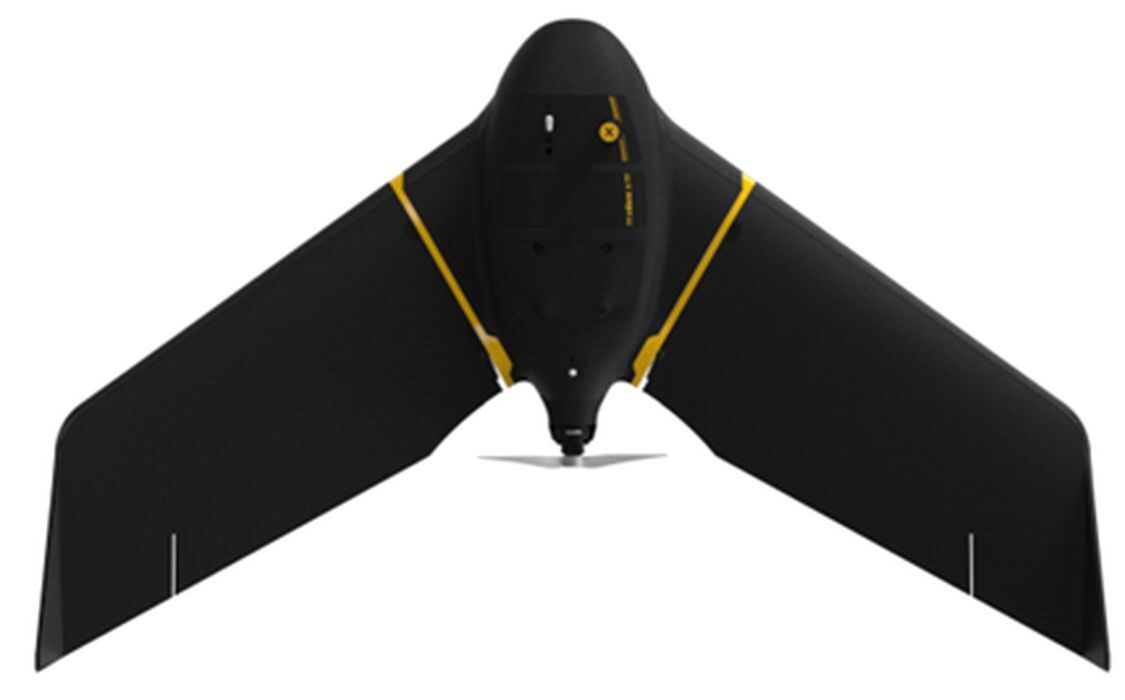
Walmart, Warfare, and Weather: Inside AgEagle’s Multifaceted Drone Strategy
Charles R. Goulding and Aaron Rofe examine how AgEagle, under the seasoned leadership of Bill Irby, is driving regulatory change, global drone adoption, and BVLOS readiness in the race for commercial and defense drone dominance.

From Snapshots to Space Parts: Nikon Reinvents Itself in Metal
Charles R. Goulding and Jacob T. Nolan reveal how Nikon is transforming from a camera giant into a major force in industrial-scale additive manufacturing.
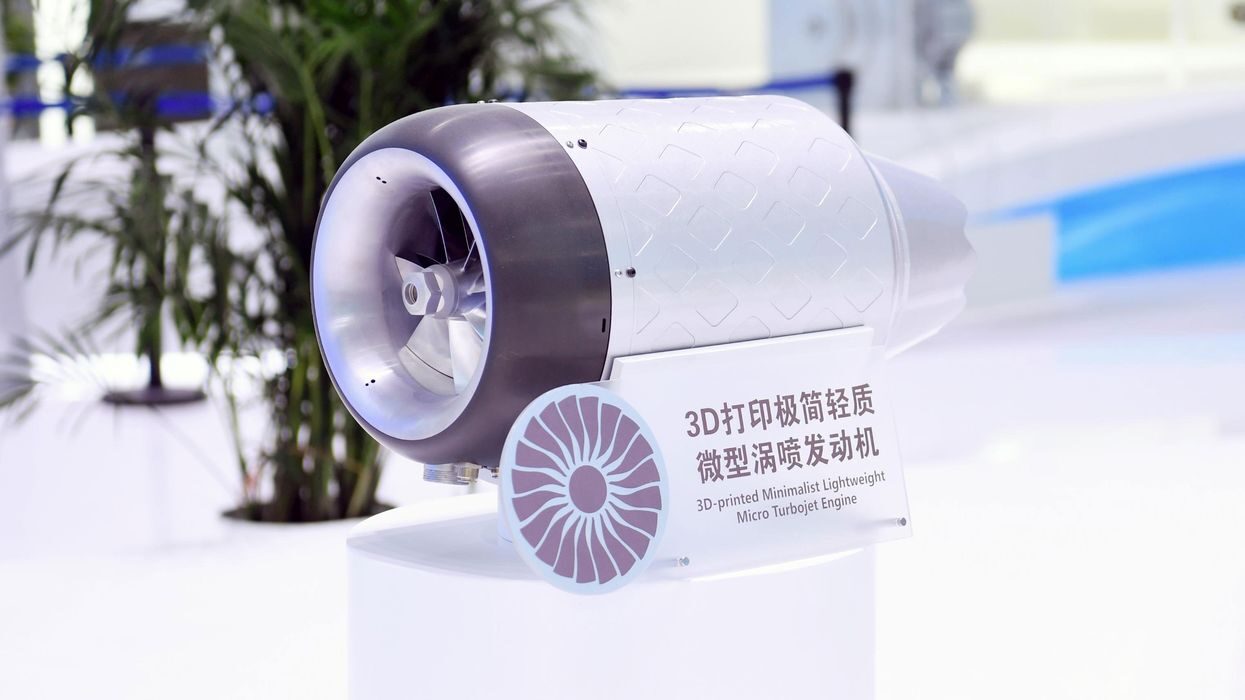
China Successfully Tests 3D Printed Jet Engine, Advancing Aerospace Independence
News of a China-developed, 3D-printed mini jet engine shows how the technology is enabling global change.

Trump’s Middle East Playbook: Deals, Détente, and Defense
Charles R. Goulding and Aaron Rofe unpack President Trump’s transformative Middle East tour, where over US$2 trillion in investments, high-stakes aviation deals, and a historic shift on Syria mark a bold new chapter in US-MENA relations.

Nikon SLM Solutions Hints at Massive New Metal 3D Printer in Rocket Lab Deal
Nikon SLM Solutions announced a rather prominent new customer: Rocket Lab.
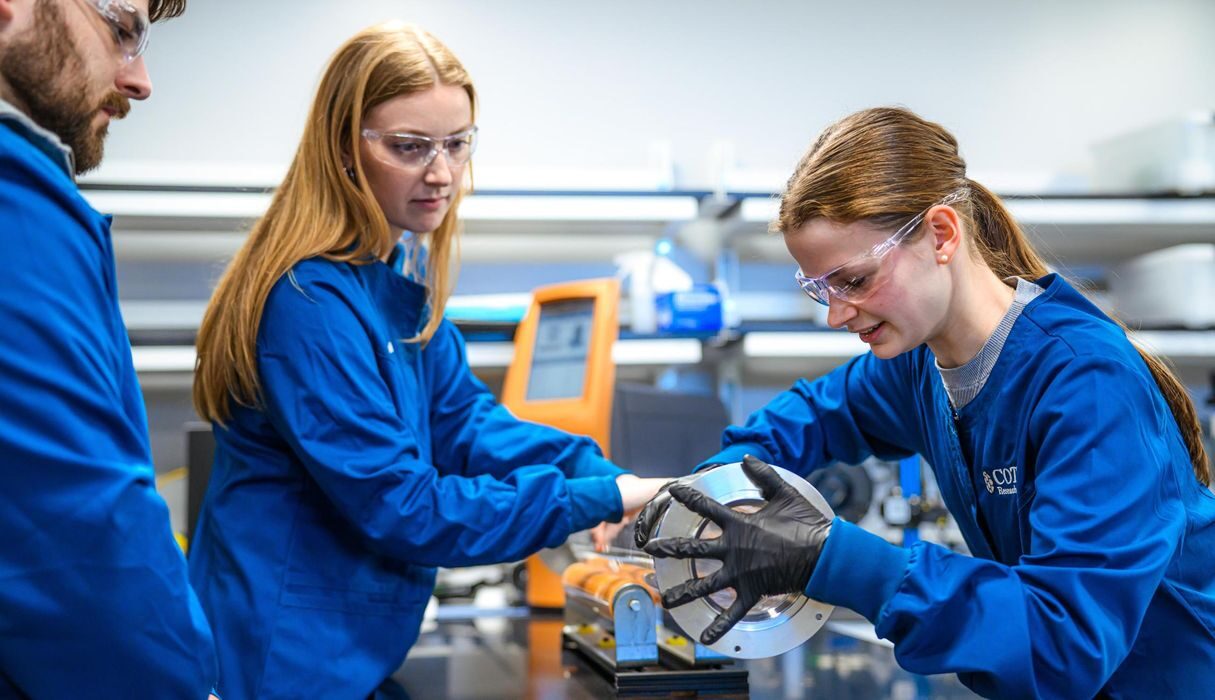
New DARPA-Funded Project Aims to Enable 3D Printing With Scrap Metal
A new project hopes to develop a way to enable widespread 3D printing of scrap metal.

Golden Dome Rising: 3D Printing Powers Trump’s US$175B Space Defense Vision
Charles R. Goulding and Preeti Sulibhavi explore how President Trump’s Golden Dome missile defense plan is accelerating the fusion of 3D printing and aerospace innovation.

NASA Investigates Catastrophic 3D Printed Rocket Engine Failure During Hot Fire Test
Researchers at NASA’s Marshall Space Flight Center have analyzed what is likely the most spectacular 3D print failure ever seen.
From Tariffs to Takeoff: Why the New Trade Agreement Is a Game-Changer for UK Manufacturing
British Airways
Beyond the direct impacts of the new UK-US trade agreement on aerospace manufacturers like BAE Systems, Rolls-Royce, and Renishaw, the broader aerospace has recently seen significant investment. International Airlines Group (IAG), the parent company of British Airways has made a deal to expand its fleet by purchasing 32 new Boeing planes valued at nearly $13 billion, while also adding 21 Airbus planes for its other airlines, Aer Lingus and Iberia, in a deal worth nearly $8 billion. Furthermore, IAG exercise an option from a previous order to buy an additional 12 aircraft from Airbus and 6 from Boeing, bringing their total order to 71 planes. These large-scale investments in new aircraft from major US and European manufacturers highlight the recent growth in the global aviation market as a result of the new UK-US trade agreement.
British Airways is also exploring innovative technologies to enhance operations and sustainability through the potential use of 3D printers to create aircraft parts in the future. The initiative to place these printers at airports globally is driven by the desire to reduce customer delays caused by waiting for replacement parts and decrease emissions caused by transporting these parts around the world. British Airways predicts to use 3D printing for cabin parts such as tray tables, seats, and in-flight entertainment screens, which, although not critical for flight safety, can cause significant flight delays if unavailable for passenger use. A key benefit to using 3D printing for these parts is sustainability, as 3D printed parts can be made significantly lighter compared to being produced through traditional methods. These 3D printed parts can be significantly lighter, weighing up to 55% less than traditional components, with every kilogram saved reducing up to 25 tons of CO2 emissions during the lifespan of an aircraft. Ricardo Vidal, Head of Innovation at British Airways, views 3D printing technology as more important than ever for a sustainable future, a seamless travel experience, and helping British Airways stay at the forefront of airline innovation.
Jaguar Land Rover
Beyond the aerospace industry, the automotive sector, represented by major UK players like Jaguar Land Rover (JLR), is also leveraging advanced techniques such as 3D printing. With British car exports now eligible for a lower 10% tariff in the US (up to 100,000 vehicles annually), JLR has renewed incentive to optimize and reduce time-to-market. Their investment in Stratasy’s Objet500 Connex 3D printer has become integral to that goal through its resin-based rapid prototyping capabilities. The multi-material printer allows JLR to create models with both flexible and rigid properties directly from CAD data, enabling the production of working mechanisms and reducing production cycles. The company’s design studio and engineering teams rely on these capabilities for fit and function testing, styling refinements and human-machine interface components like key fobs and control switches. One example of this is printing a complete, working facia air vent assembly for a Range Rover Sport, combining rigid materials for housing and blades with rubber-like materials for knobs and seals into a single process that was fully functional right off the machine. More than 2,500 parts have been produced on the Connex system, demonstrating both its reliability and centrality to JLR’s prototyping workflow. As automotive competition intensifies, and sustainability targets grow more urgent, JLR’s use of AM helps reduce development cycles and supports light, more efficient designs – giving them a strategic edge in both performance and trade competitiveness.
The Research & Development Tax Credit
The now permanent Research and Development (R&D) Tax Credit is available for companies developing new or improved products, processes and/or software.
3D printing can help boost a company’s R&D Tax Credits. Wages for technical employees creating, testing and revising 3D printed prototypes are typically eligible expenses toward the R&D Tax Credit. Similarly, when used as a method of improving a process, time spent integrating 3D printing hardware and software can also be an eligible R&D expense. Lastly, when used for modeling and preproduction, the costs of filaments consumed during the development process may also be recovered.
Whether it is used for creating and testing prototypes or for final production, 3D printing is a great indicator that R&D Credit-eligible activities are taking place. Companies implementing this technology at any point should consider taking advantage of R&D Tax Credits.
Conclusion
As the US and UK reshape their trade relationship with the recent trade agreement, both the aerospace and automotive industries emerge as major beneficiaries. The easing of tariffs and enhanced cooperation unlock new opportunities for British manufacturers – whether it’s BAE Systems, Rolls-Royce, or Renishaw driving forward next-generation aerospace innovation, or Jaguar Land Rover accelerating prototyping and design through AM. Even airlines like British Airways are investing in 3D printing to streamline operations and reduce emissions, signaling the wider industrial shift toward sustainable, tech-driven growth. By removing trade barriers and fostering transatlantic collaboration, the agreement ignites Britian’s industrial base and strengths its global competitiveness in defense and advanced manufacturing.
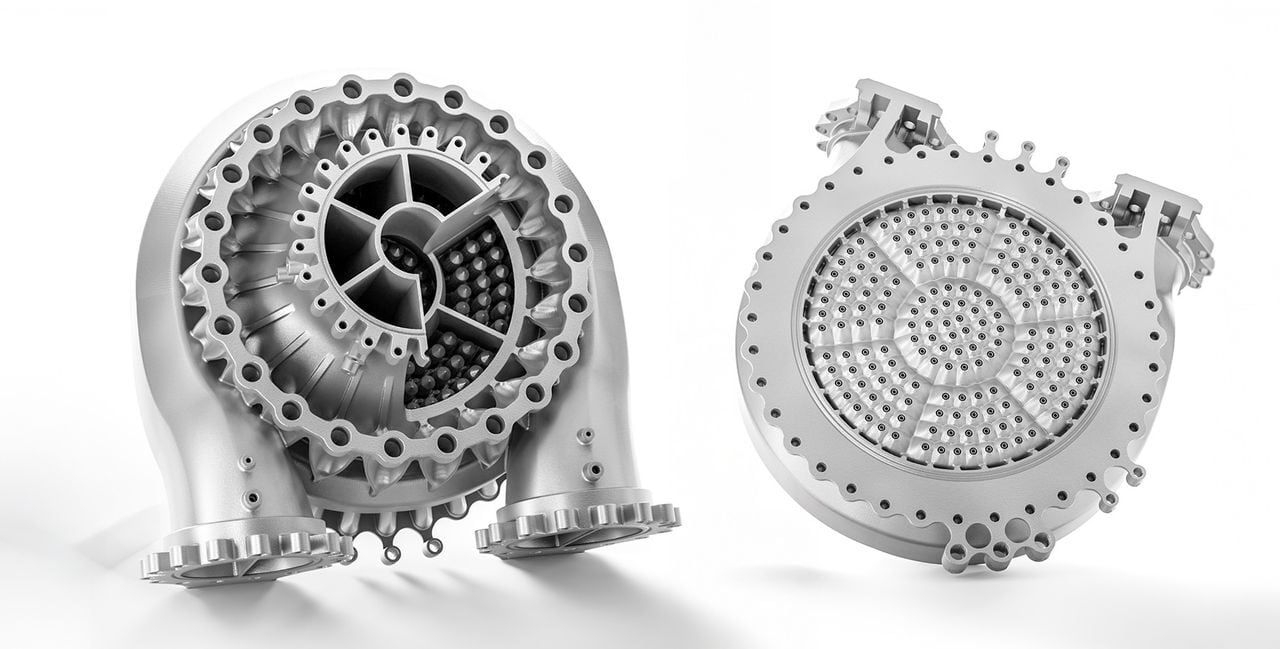
LEAP71 to Develop 3D Printable Starship-Class Rocket Engines Using Noyron Platform
LEAP71 announced plans to use their computational engineering platform to design massive 3D printable rocket engines.
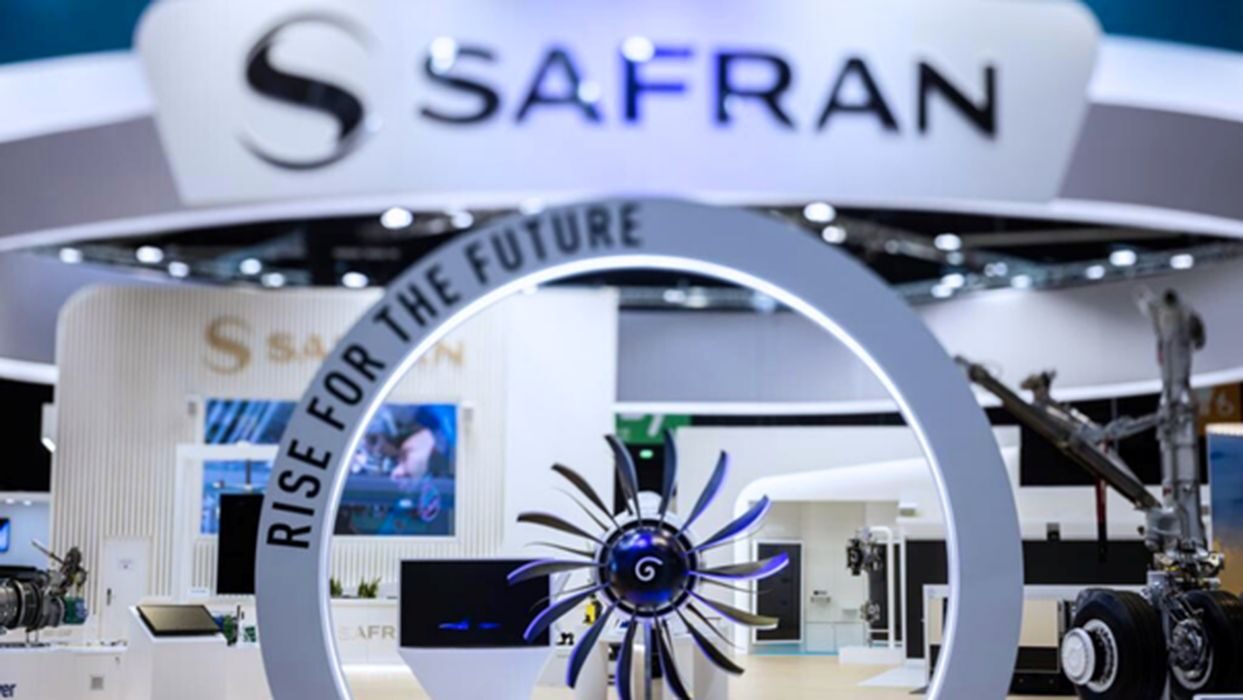
From Nose Gear to Net Zero: Safran’s 3D Printing Revolution in Aviation
Charles R. Goulding and Andressa Bonafe spotlight Safran and how it is leveraging 3D printing and cutting-edge manufacturing to lead Europe’s aerospace and defense transformation, amid a surge in defense spending.
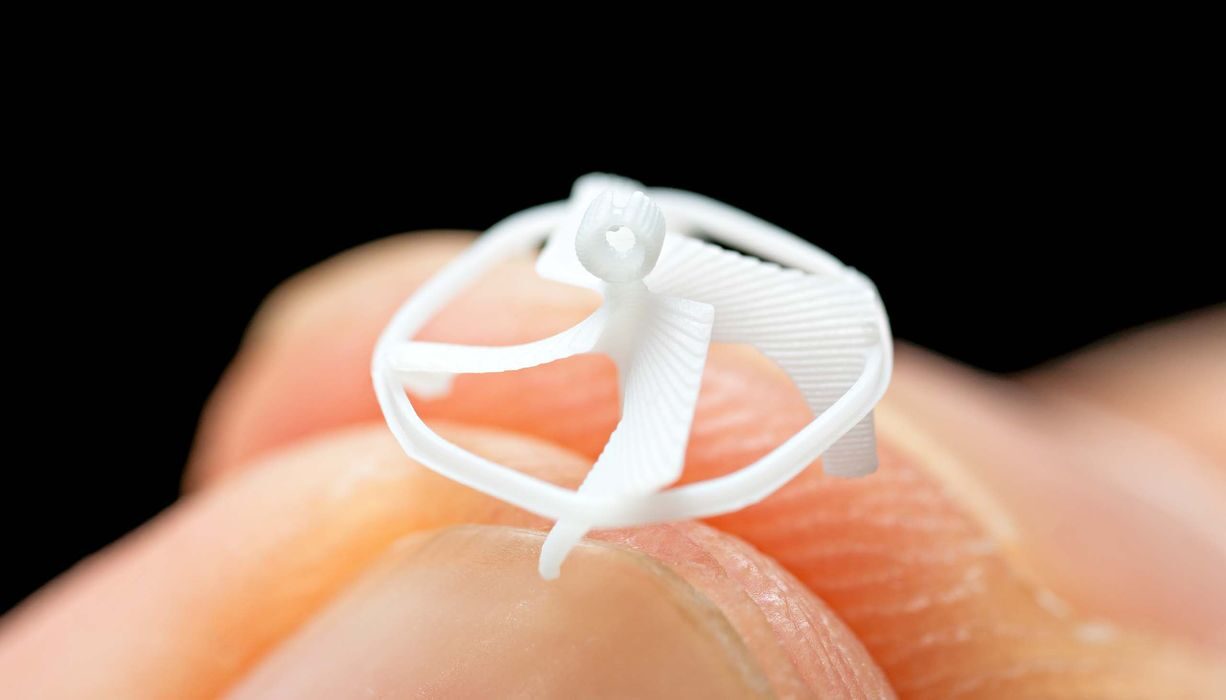
Researchers Demonstrate First 3D Printed Motorless Flying Robot Using Magnetic Fields
Researchers have developed an incredible 3D-printed flying robot that has no traditional motor.
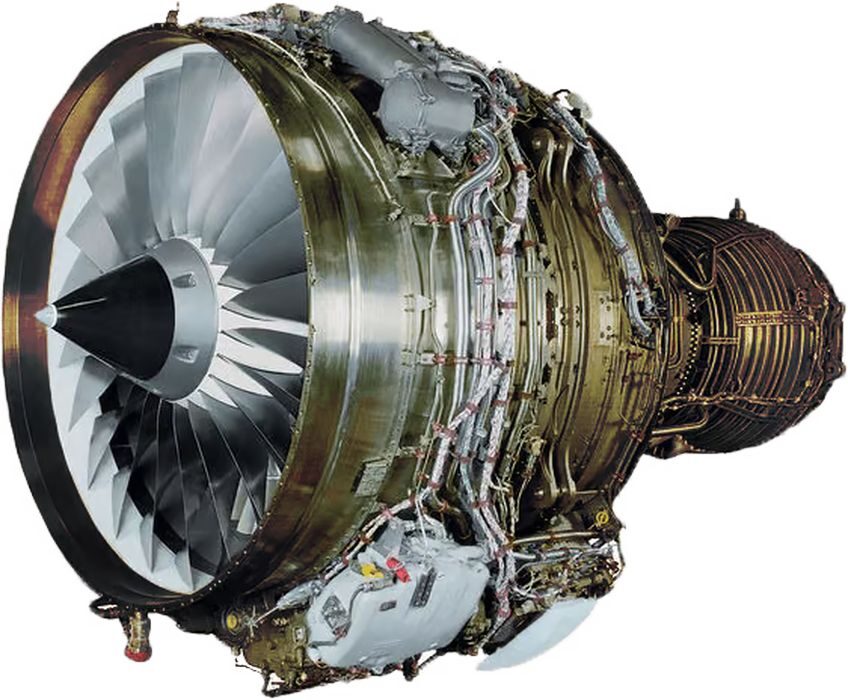
FTAI Aviation’s High-Flying Strategy: 3D Printing, Chromalloy, and a $4 Billion Expansion
Charles R. Goulding and Preeti Sulibhavi explore how FTAI Aviation is reshaping the jet engine refurbishment industry through its Chromalloy partnership, cutting-edge 3D printing, and a potential $4 billion expansion to meet surging demand amid aerospace supply chain woes.
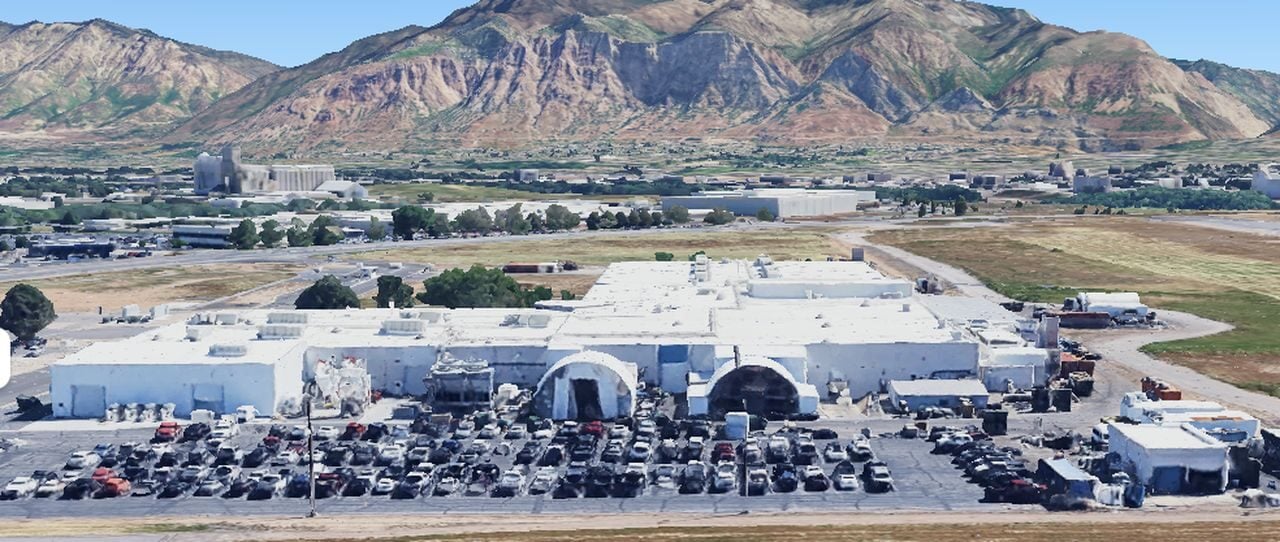
From Jets to Jay Leno’s Garage: Williams International’s Engineering Legacy
Charles R. Goulding and Preeti Sulibhavi explore how Williams International’s Weber County expansion, turbine expertise, and 3D printing innovations are driving advancements in aerospace, motorsports, and beyond.

From Layoffs to Liftoff: The Role of 3D Printing in Huntsville’s Economic Comeback
Charles R. Goulding and Preeti Sulibhavi explore how Huntsville, Alabama, is leveraging 3D printing and emerging technologies to counter workforce reductions and drive economic resilience.
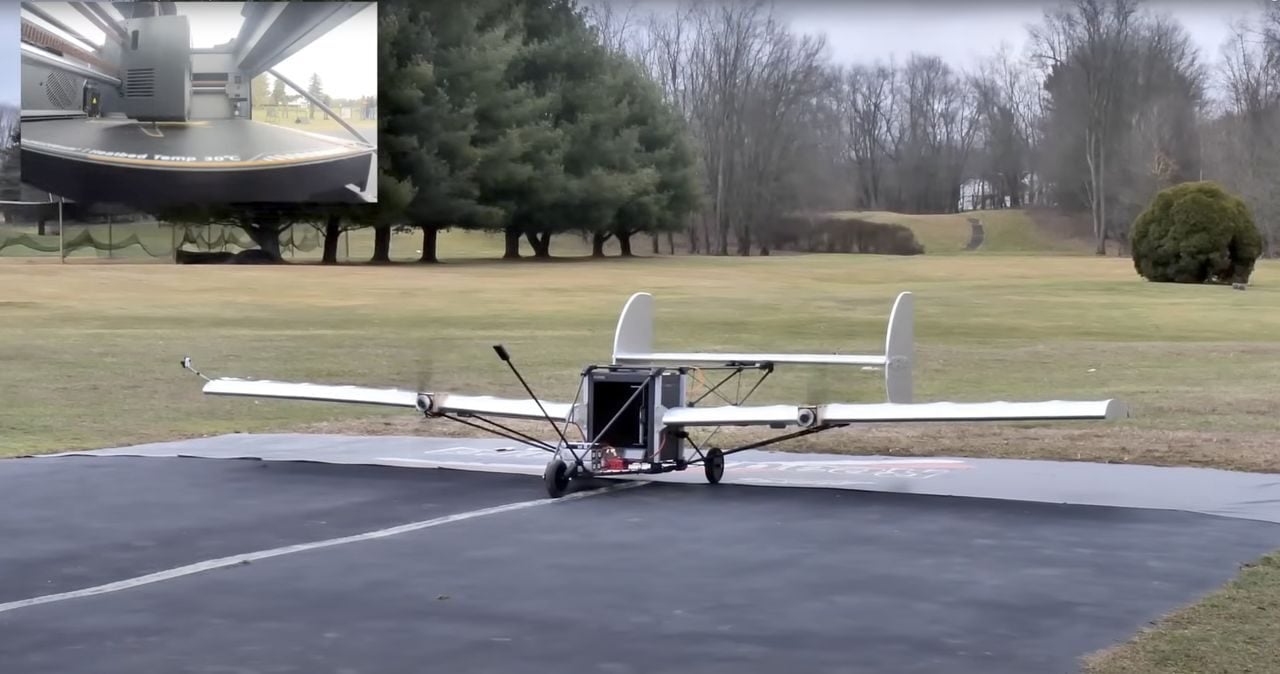
Can a 3D Printer Fly? Elegoo 3D Printer Takes Flight
Do 3D printers fly? Apparently, they do.
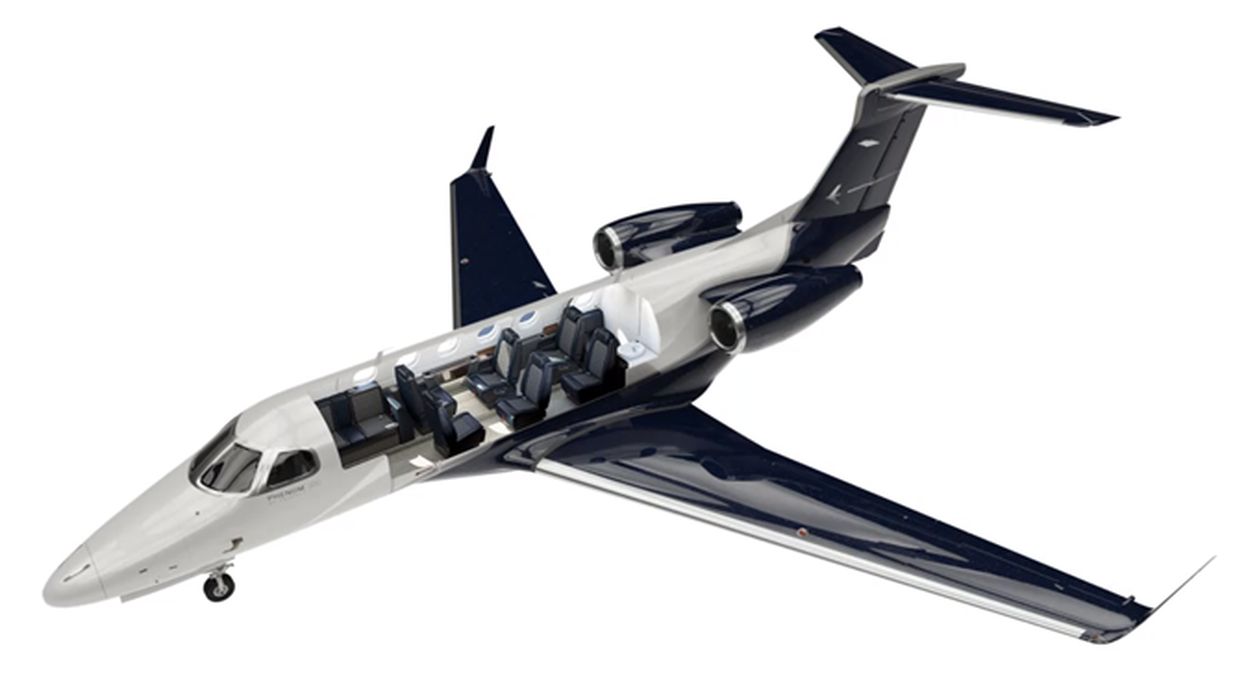
Embraer’s Ascent: A Rising Contender Amid Boeing and Airbus Woes
Charles R. Goulding and Andressa Bonafe explore how Embraer’s innovative manufacturing strategies, including additive manufacturing, position the Brazilian aerospace giant as a formidable competitor amid Boeing and Airbus’ struggles.
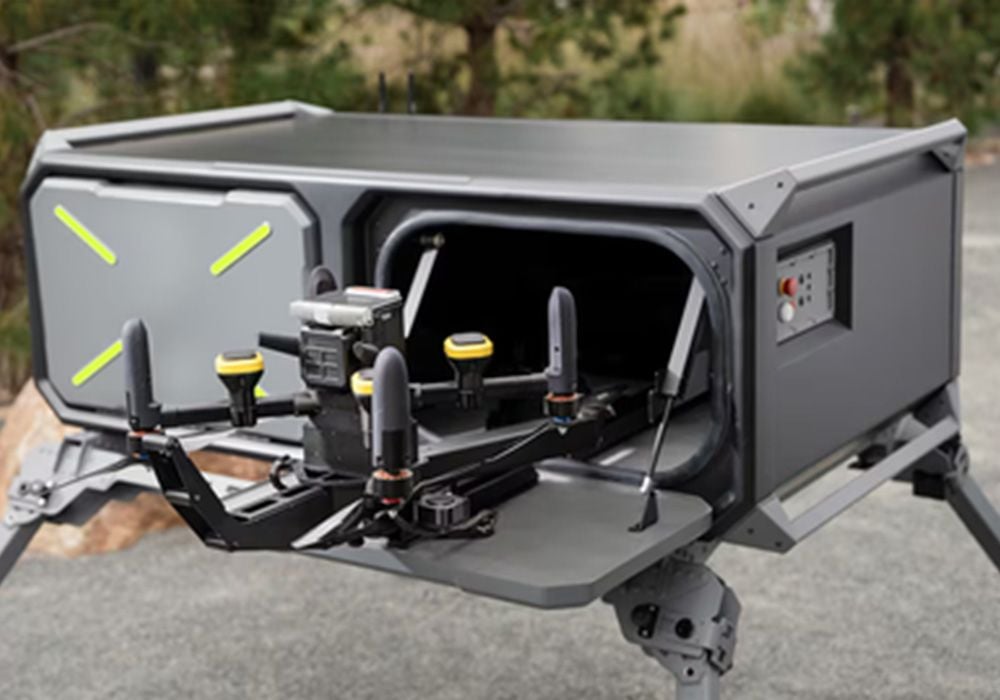
Revolutionizing Manufacturing: Performance Composites’ Role in Aerospace, EVs, and Drones
Charles R. Goulding and Preeti Sulibhavi discover how Performance Composites harnesses 3D printing, robotics, and digitization to lead the way in high-performance composite manufacturing.

Collaboration and Innovation: 3D Printing’s Impact on European Defense
Charles R. Goulding and Preeti Sulibhavi explore how Airbus, Dassault, Rolls-Royce, and others are using additive manufacturing to drive military innovation and enhance European security.

From Predator Drones to Fusion Energy: The Cutting-Edge Technologies of General Atomics
Charles R. Goulding and Preeti Sulibhavi explore how General Atomics is revolutionizing aerospace, defense, and energy with groundbreaking 3D printing and advanced composites technologies.
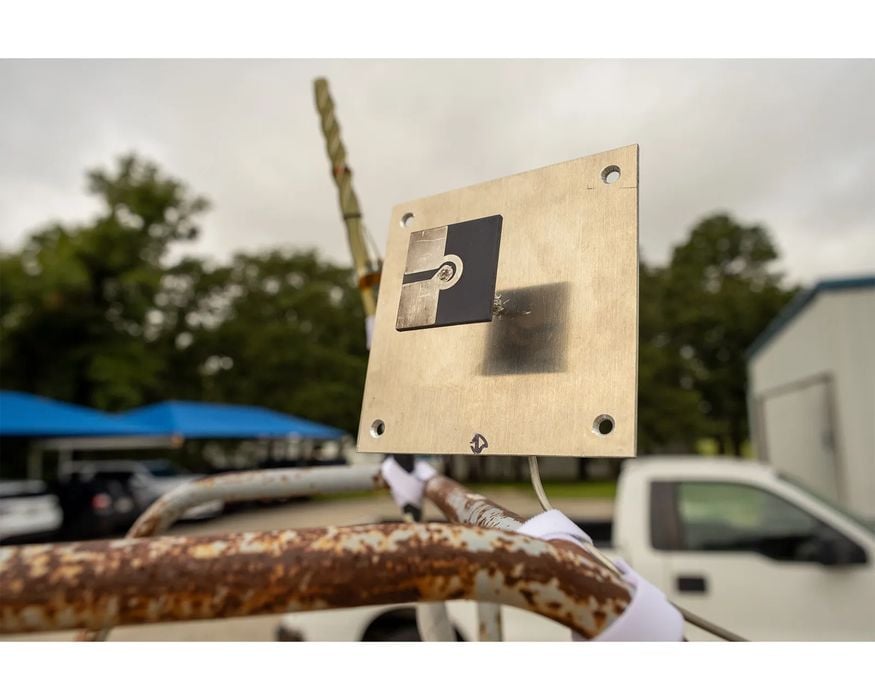
NASA and Fortify Partner to 3D Print Cost-Effective Antenna for Space Applications
Fortify helped NASA 3D print an inexpensive antenna for space applications.

Breaking the Duopoly: How COMAC is Using 3D Printing to Challenge Boeing and Airbus
Charles R. Goulding and Preeti Sulibhavi discover how COMAC’s innovative use of large-scale 3D printing technology positions it to disrupt the Boeing-Airbus stronghold and redefine aerospace manufacturing.
From Retired Jets to Replacement Parts: The Sustainability Revolution in Aerospace
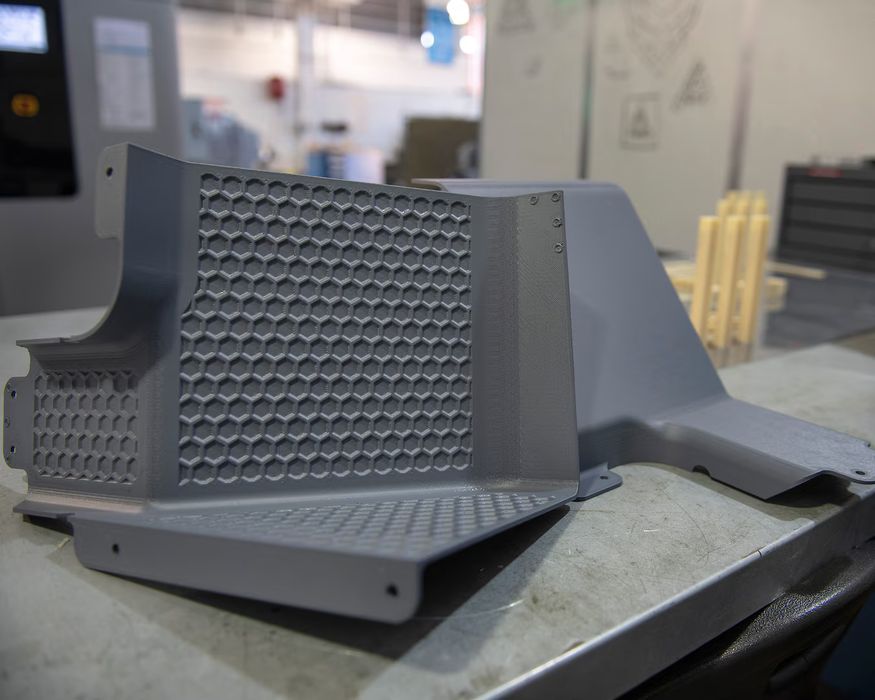
Charles R. Goulding and Preeti Sulibhavi explore how the convergence of aircraft recycling and 3D printing is driving sustainability and efficiency in the aerospace industry.
China Develops High-Performance Niobium-Silicon Alloy for Extreme Applications
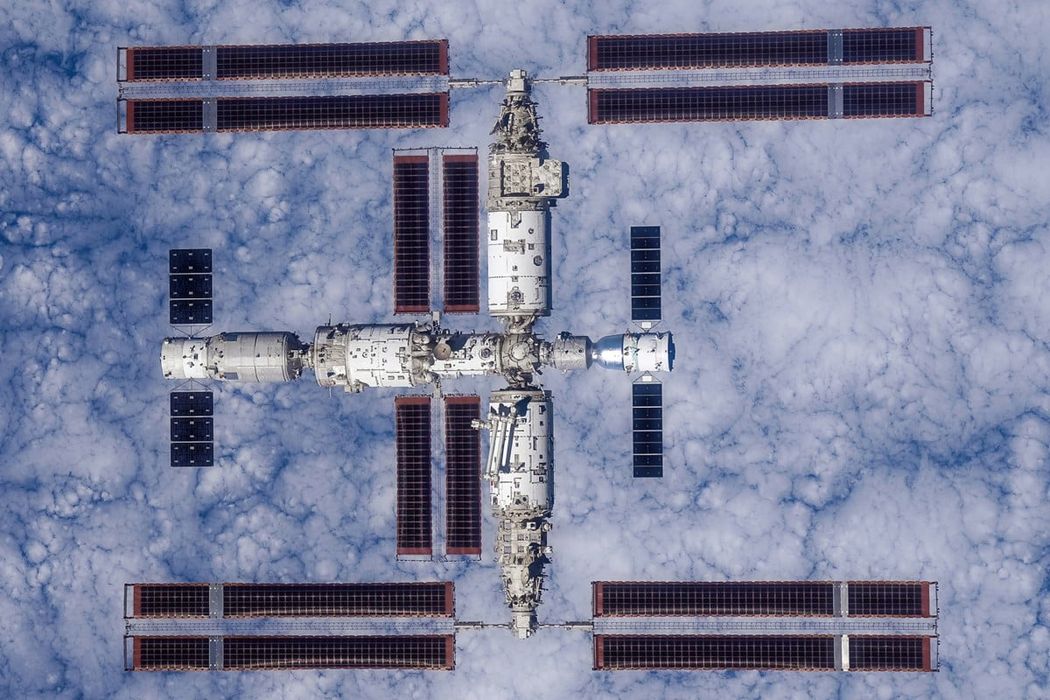
Researchers in China have developed a new alloy that could affect metal additive manufacturing.
Loar Group’s Rise: Innovation in the Aerospace MRO Industry
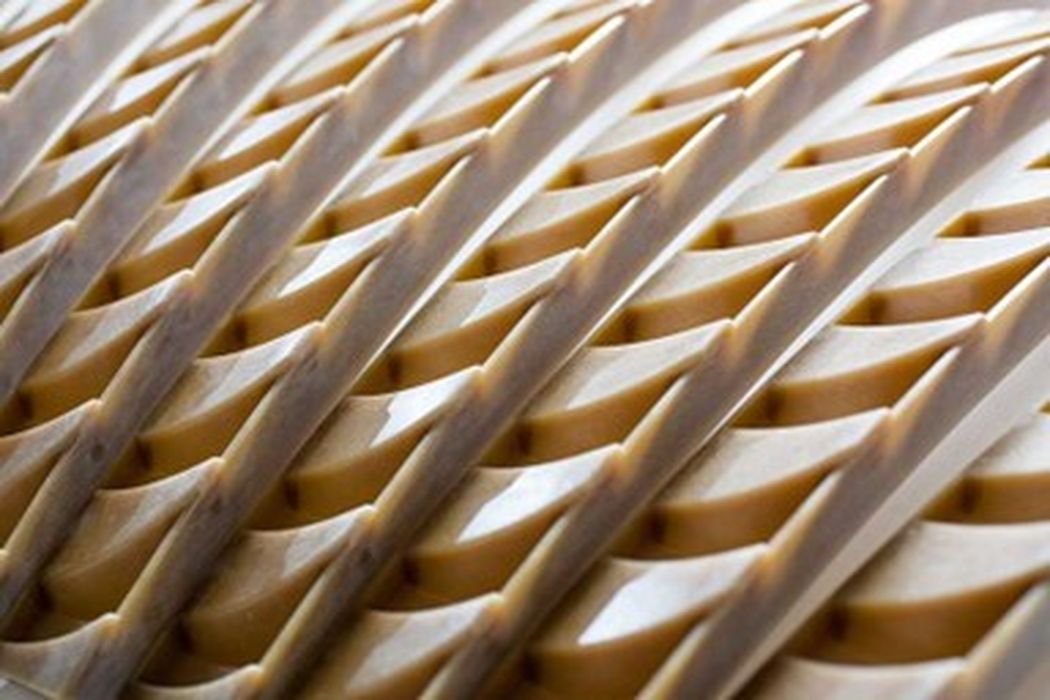
Charles R. Goulding and Preeti Sulibhavi dive into how Loar Group’s bold strategies are “taking off” with help from 3D printing, and how Loar is challenging industry giants.
How Relativity Space’s Strategy Pivot May Affect Perception of 3D Printing
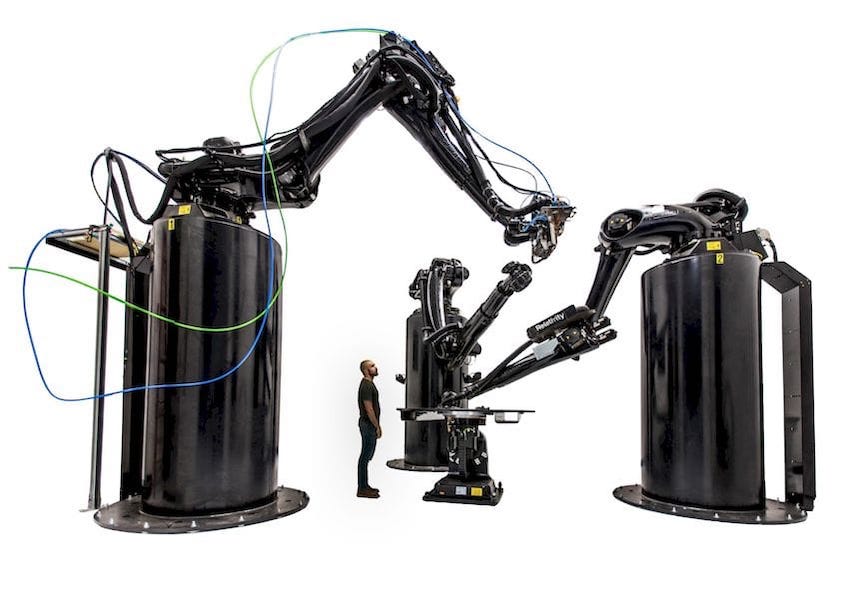
It seems that Relativity Space’s dreams of a 3D-printed rocket may be heading sideways.
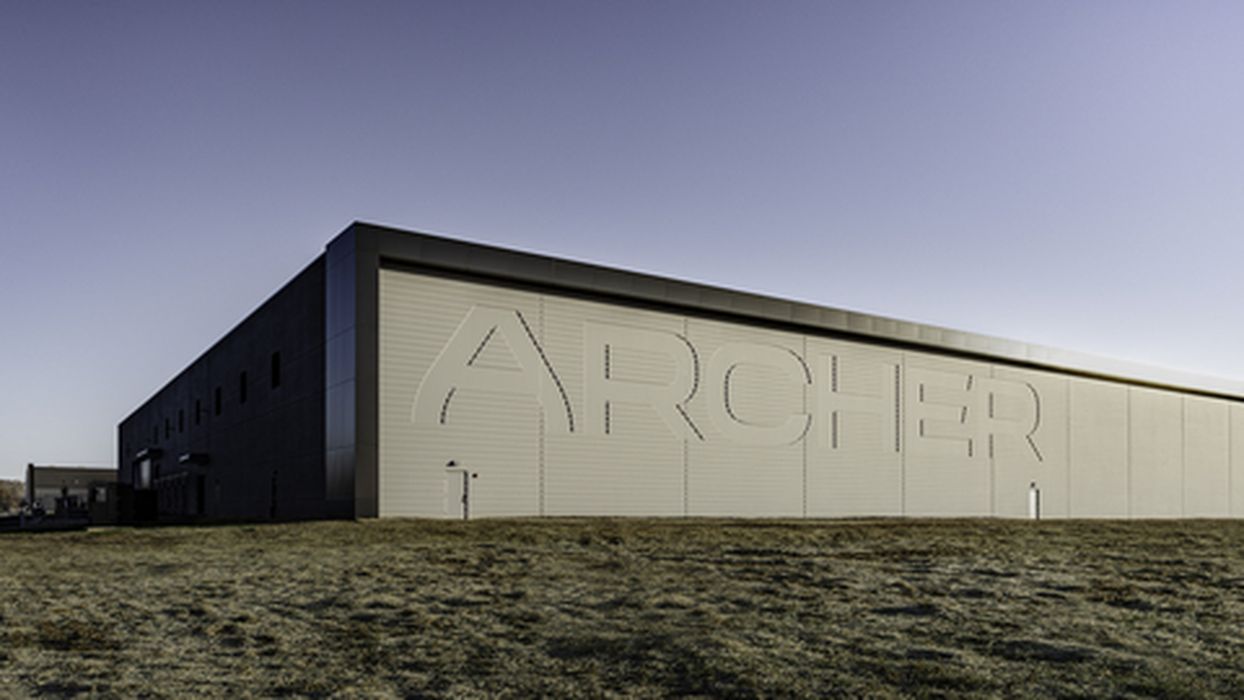
Taking Flight: How 3D Printing and Hybrid Tech are Propelling the eVTOL Industry
Charles R. Goulding and Preeti Sulibhavi examine the transformative synergy between eVTOL advancements and 3D printing, showcasing how companies like Archer, Zuri, and Anduril are shaping the future of aviation.

2024: The Year 3D Printing Transformed Industries Amid Global Upheaval
Charles R. Goulding and Preeti Sulibhavi reveal how 3D printing technology surged forward, reshaping defense, healthcare, and other sectors despite global economic pressures.
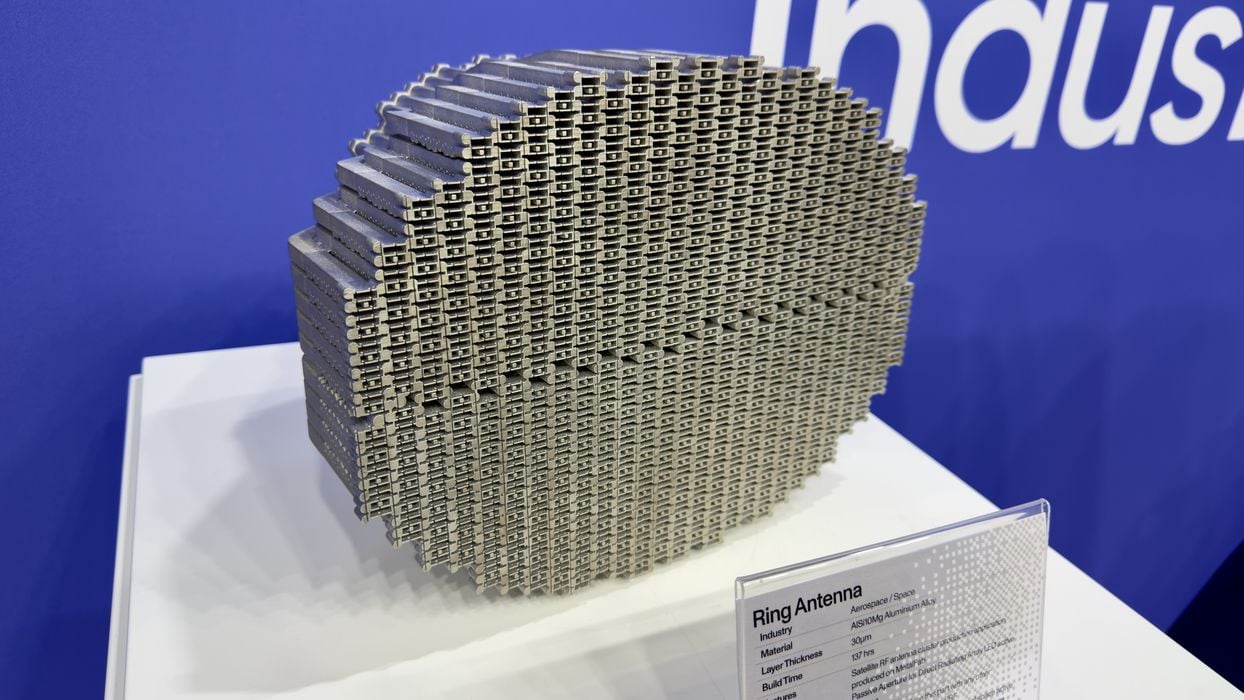
Additive Manufacturing Demonstrates Additive Advantages with Complex Satellite Antenna Cluster
We had a look at some interesting metal 3D prints made by Additive Industries.
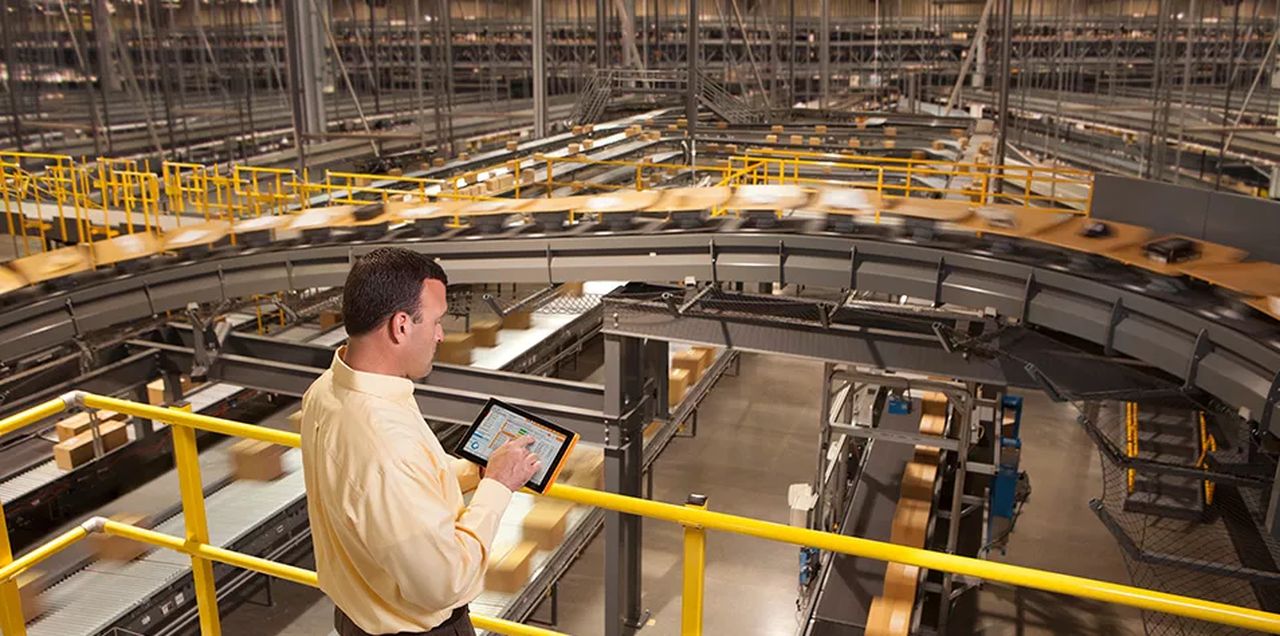
Honeywell at a Crossroads: Splits, 3D Printing, and a US$5 Billion Shakeup
Charles R. Goulding and Preeti Sulibhavi describe Honeywell’s journey through aerospace breakthroughs and automation innovation sets the stage for Elliott’s $5 billion-driven restructuring proposal.
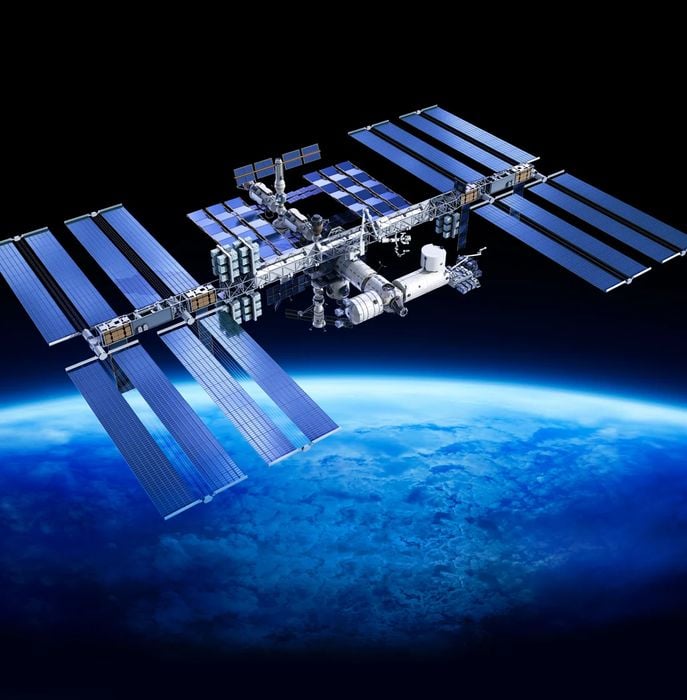
Teledyne and Excelitas: Powering the Future of Aerospace, Defense, and Industrial Tech
Charles R. Goulding and Preeti Sulibhavi divulge how Teledyne Technologies’ acquisition of Excelitas for $710 million brings advanced photonics and optics innovations into its portfolio, enhancing its capabilities in aerospace, defense, and industrial applications.
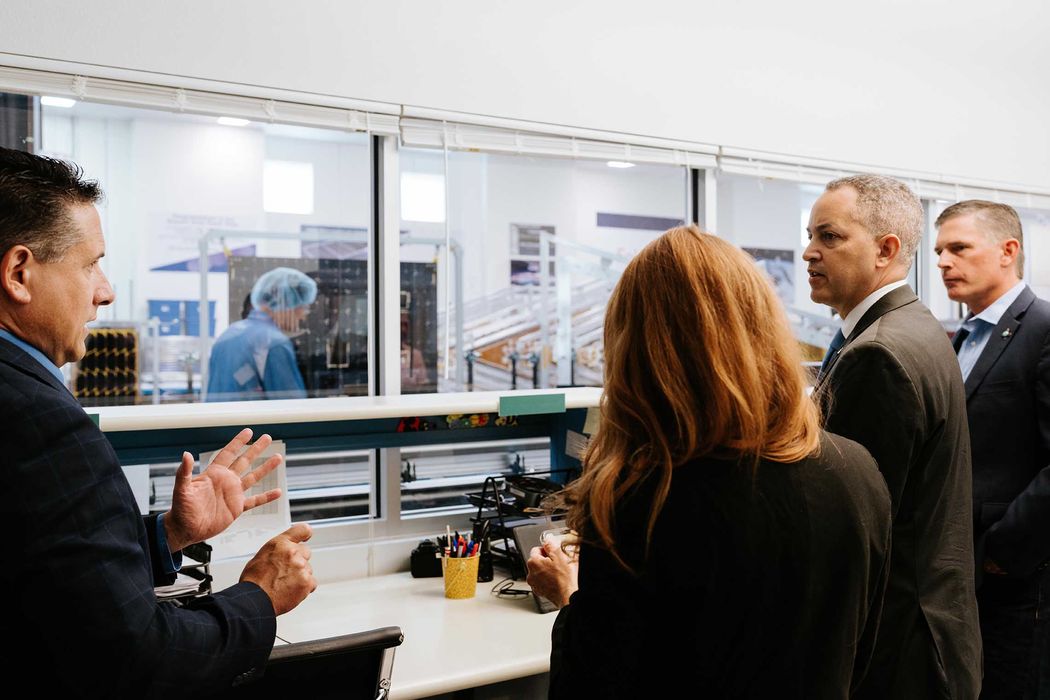
“We 3D Print Lots of Things!”: How Rocket Lab is Redefining Space Technology with Additive Manufacturing
Charles R. Goulding and Preeti Sulibhavi explore how Rocket Lab is transforming from a launch provider into a space technology powerhouse by integrating 3D printing across its operations, pioneering advances in space infrastructure and manufacturing.
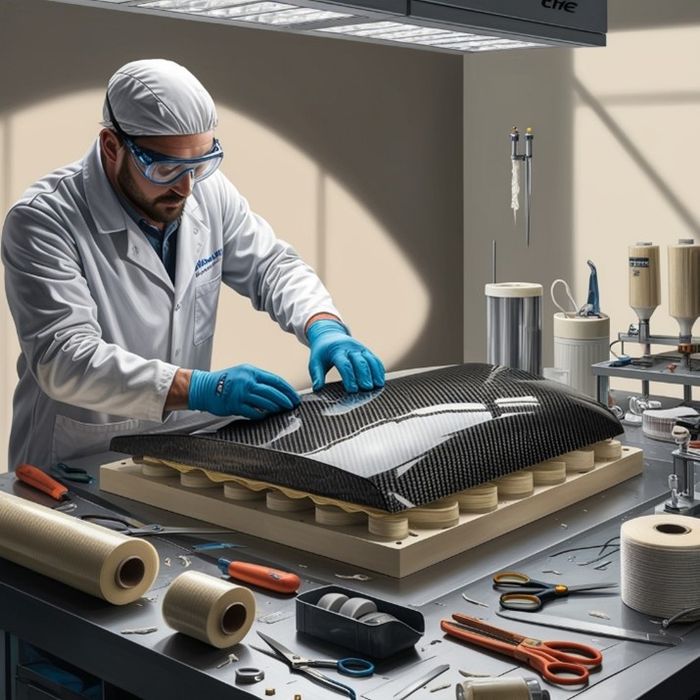
The Power of Composites: Revolutionizing Manufacturing with 3D Printing
Charles R. Goulding and Preeti Sulibhavi examine how cutting-edge 3D printing with composites enables precise, durable solutions that meet the highest industry standards.

Ozone Partners with Sculpteo to 3D Print Custom Paraglider Parts for Enhanced Flight Performance
One of Sculpteo’s customers has developed a new application for 3D printed parts: customized paraglider parts.
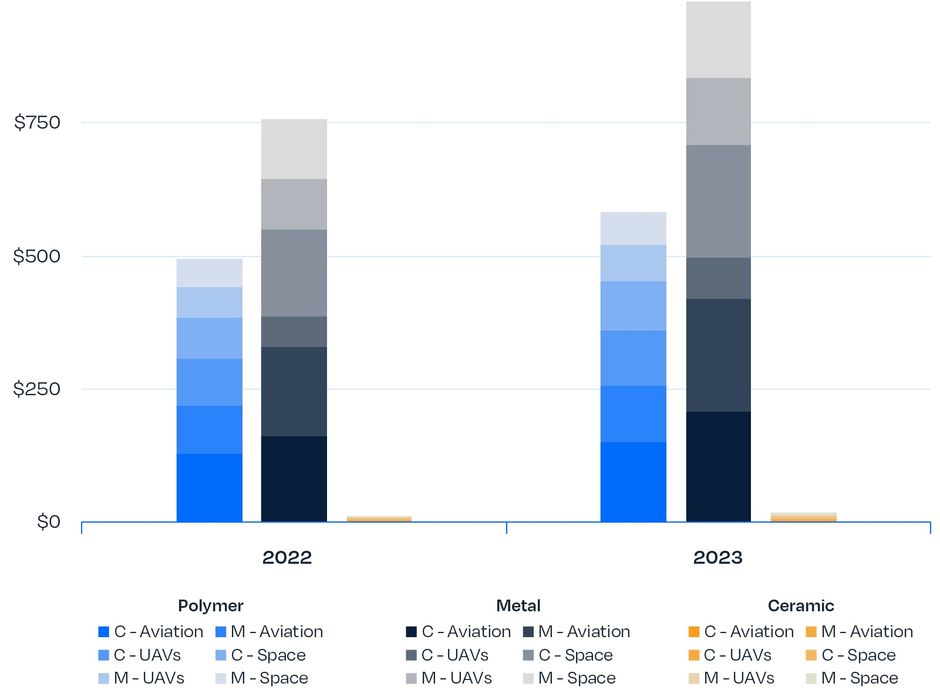
VoxelMatters Releases 2024 Report on Explosive Growth of Aerospace Additive Manufacturing
VoxelMatters today released a comprehensive report on the state of additive manufacturing in the aerospace industry.
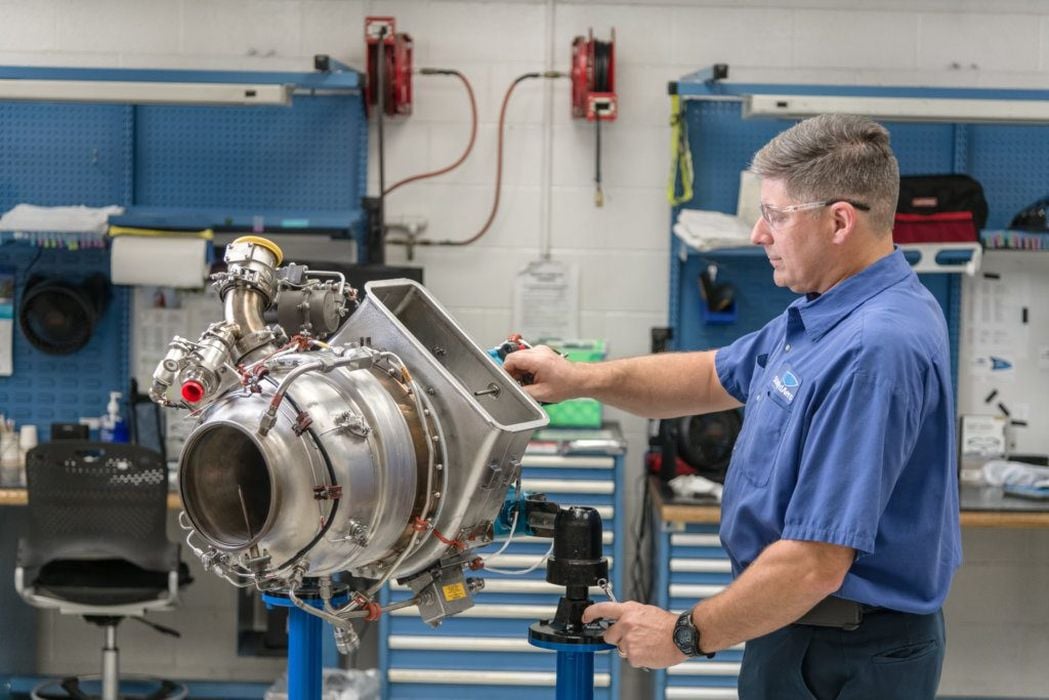
StandardAero Soars Toward IPO: Carlyle’s $10 Billion Aviation Powerhouse
Charles R. Goulding and Preeti Sulibhavi examine how Carlyle Group’s IPO plans for StandardAero are set to reshape the aviation MRO industry in 2024.

Rocket Lab to Study Bringing Rock Samples from Mars for NASA
Using vertically integrated technologies as part of the Mars Sample Return Program.
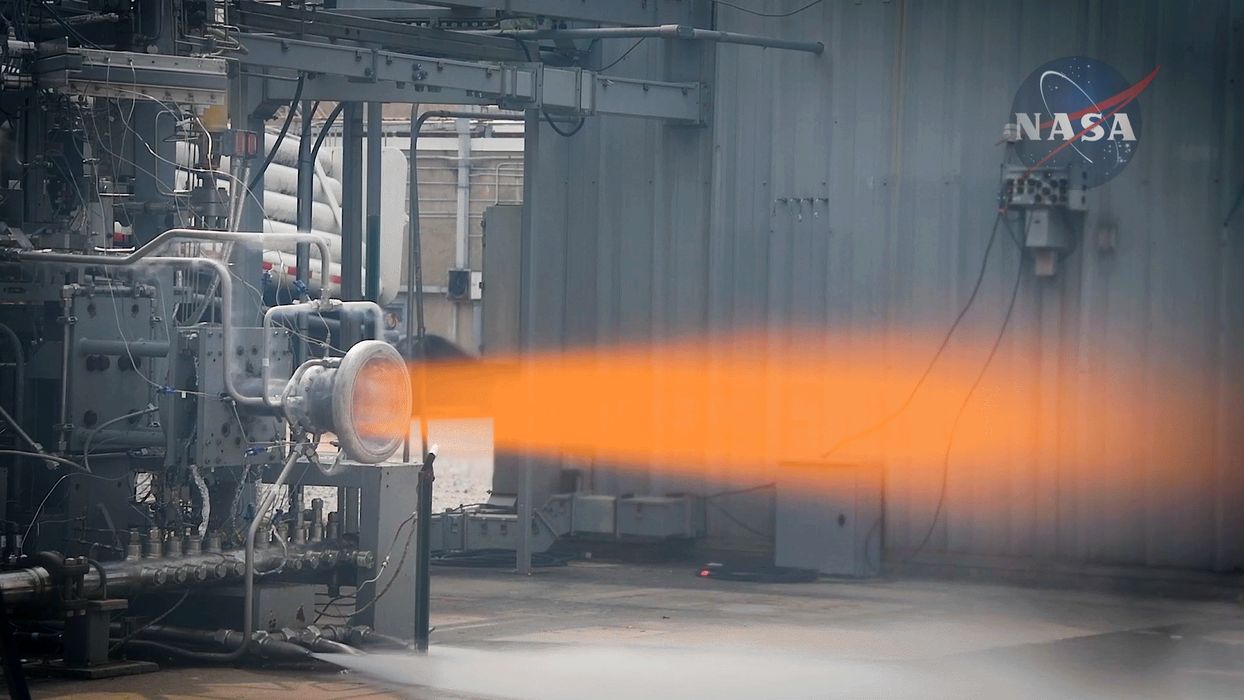
NASA Qualifies Elementum 3D’s Aluminum Alloy for Rocket Engine 3D Printing
NASA qualified a very interesting additive manufacturing material for rocket engines.
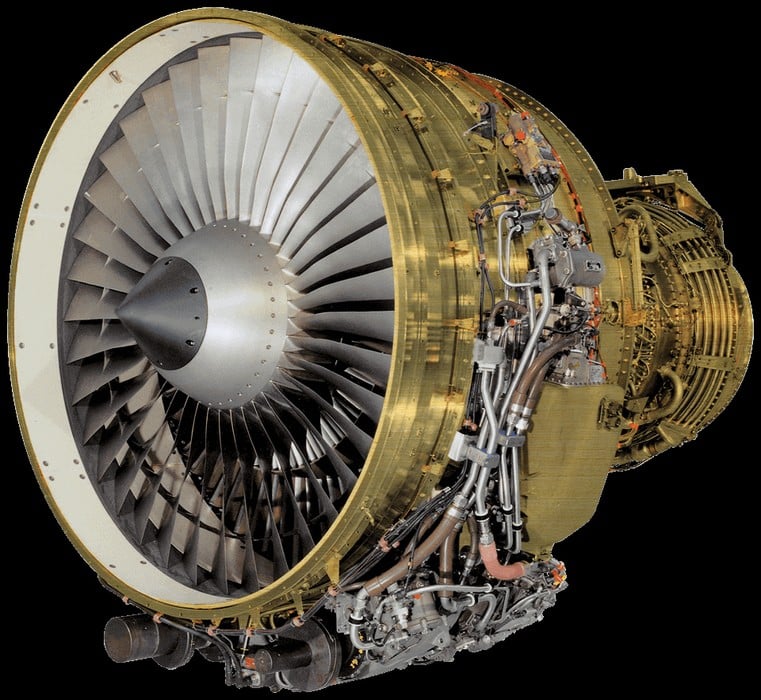
Innovative Skies: FTAI Aviation’s Strategic Growth and 3D Printing’s Role in Aerospace
Charles R. Goulding and Preeti Sulibhavi explore how FTAI Aviation’s unique approach and potential integration of 3D printing could revolutionize the aerospace industry.

Striking Out? How Boeing’s Suppliers Are Navigating the Industry Shake-Up
Charles R. Goulding and Preeti Sulibhavi consider how Boeing’s suppliers, facing industry disruptions and potential strikes, are turning to submarines, defense, HVAC, and 3D printing to diversify and reduce dependency on the aerospace giant.

Relativity Space Shifts Focus Away from 3D Printed Rockets with Terran-R Redesign
It seems that Relativity Space has abandoned their goal of 3D printing an entire rocket.

Reshaping the Future: GE’s Vernova Spinout and 3D Printing Impact
Charles R. Goulding and Preeti Sulibhavi spotlight GE’s final spinout, Vernova, and highlight the transformative impact of 3D printing technology on various industries involved.
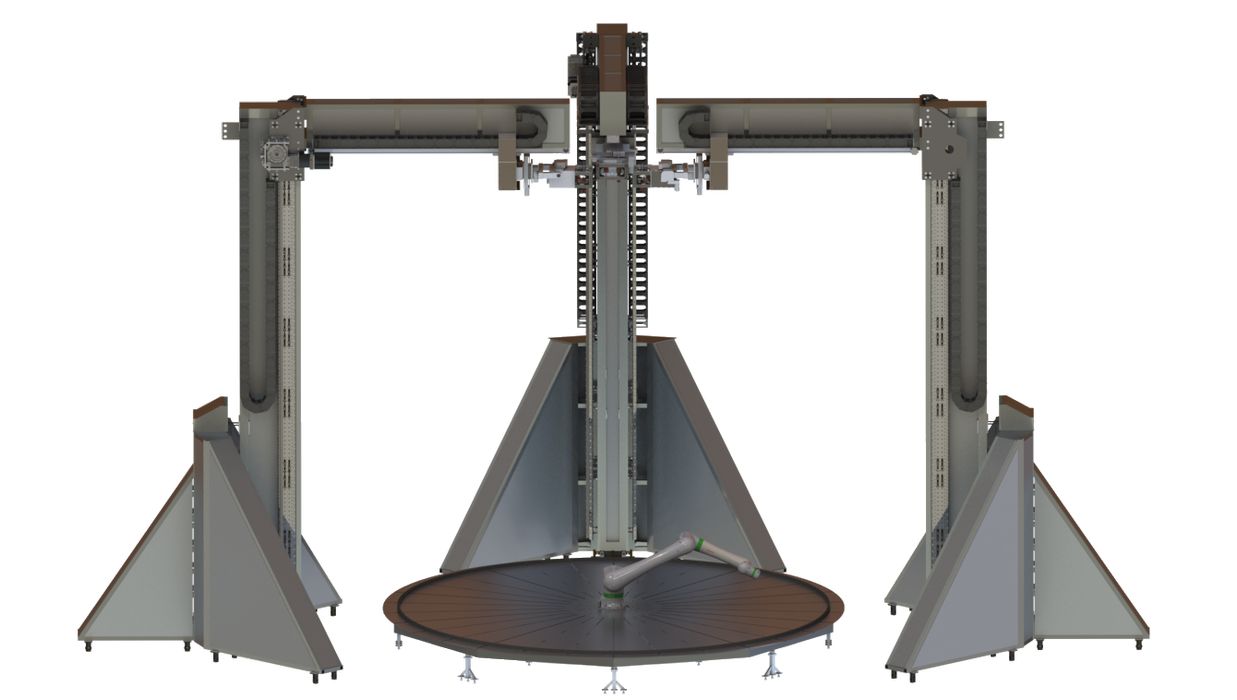
Meet Halo: The Self-Assembling, Hyper-Efficient Metal 3D Printer from Rosotics
A rather unusual metal 3D printer has been announced by Rosotics, the Halo.

Design of the Week: Propulsive Landing Rocket
This week’s selection is the Propulsive Landing Rocket by JRD Propulsion.
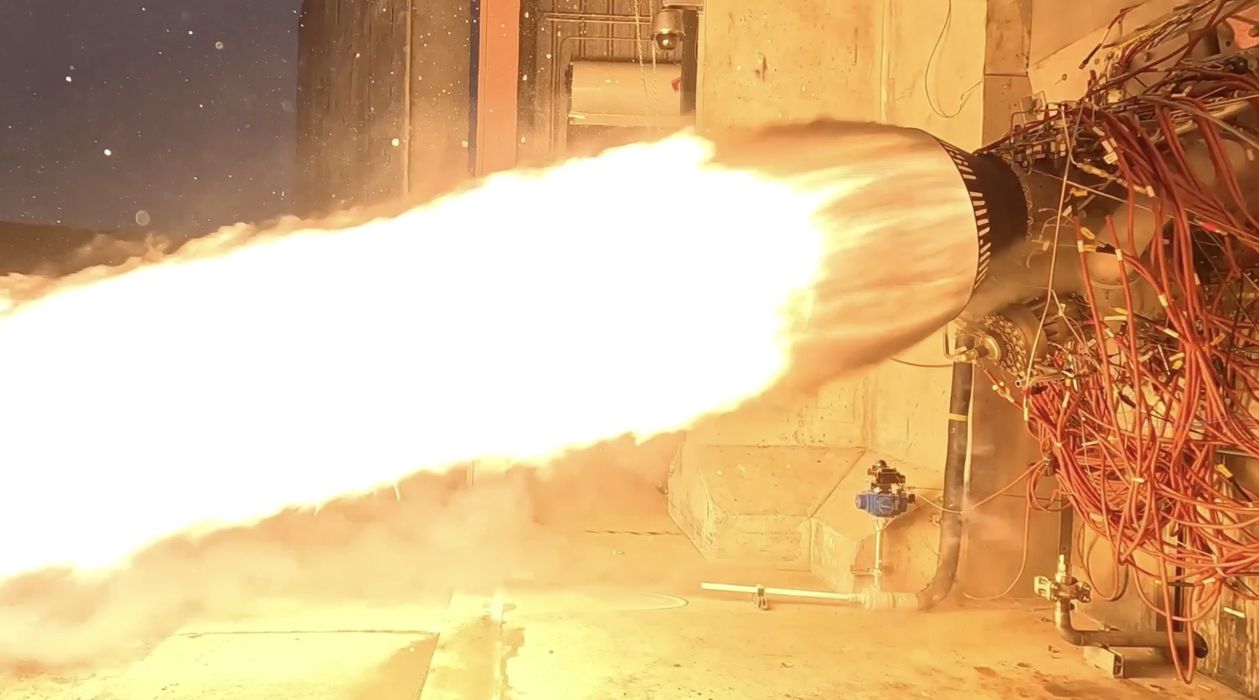
A New Way to Identify Potential 3D Print Applications?
A novel application of 3D printing could help identify additional ways to use the technology.
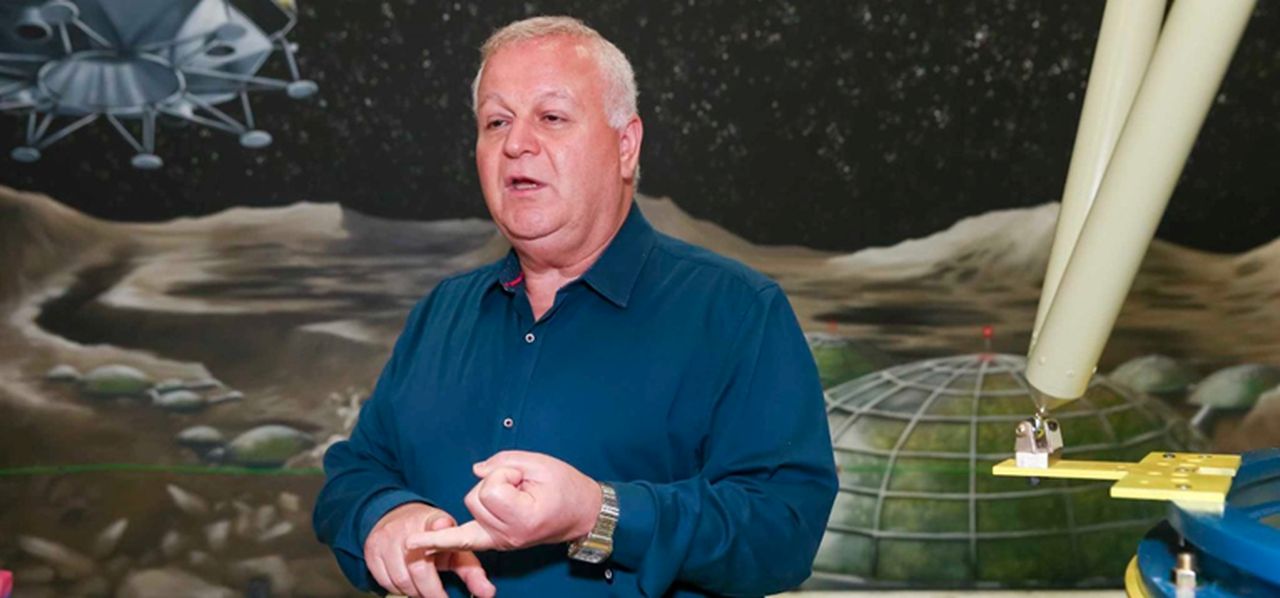
The Role of 3D Printing in the Skyrocketing Space Market
Charles R. Goulding and Preeti Sulibhavi discuss how 3D printing has the ability to transform the rapidly growing space market.

HEICO and Wencor: A New Era in Spare Parts and 3D Printing for Aviation
Charles R. Goulding and Preeti Sulibhavi discusses HEICO’s record-breaking sales, strategic Wencor acquisition, and innovative advancements in PMA spare parts and 3D printing within the aviation industry.
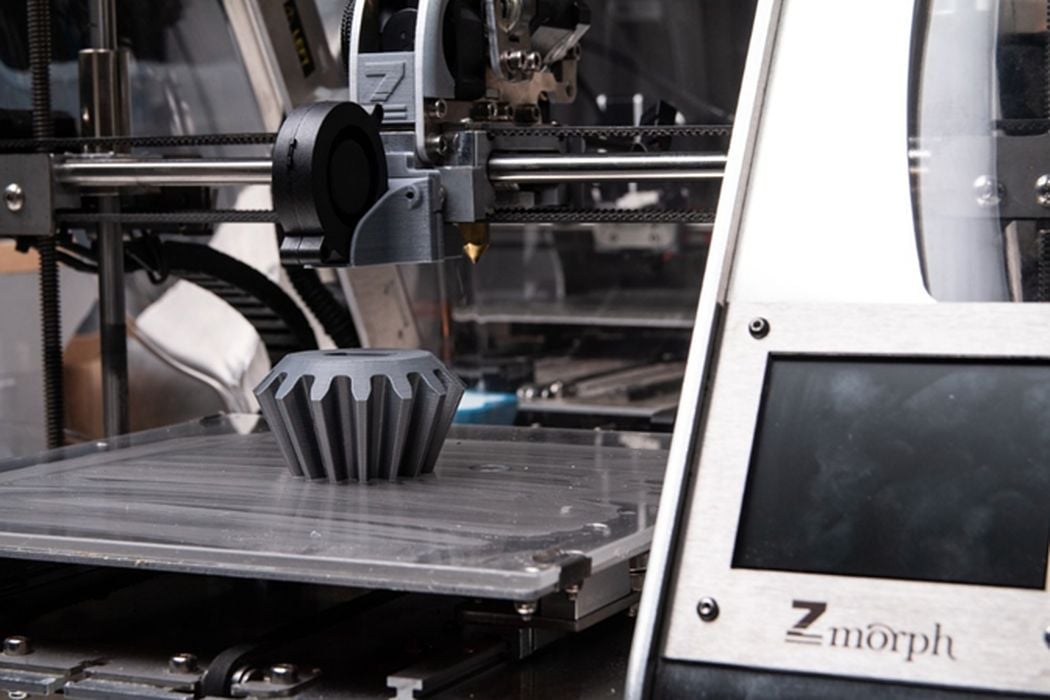
Stifel and ASTRO America Fund 3D Printing for Defense
Charles R. Goulding and Preeti Sulibhavi discuss the newly established and groundbreaking “AM Forward Critical Technologies SBIC” fund.
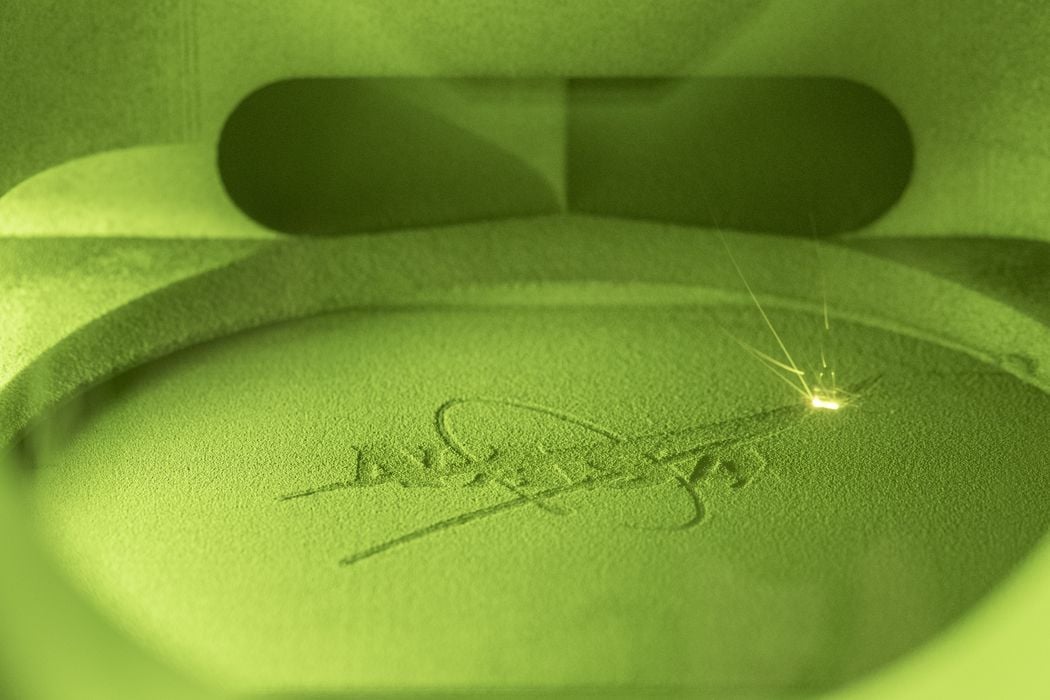
Revolutionary GRX-810 Superalloy from NASA Now Licensed to Key Industry Partners
NASA has exclusively licensed a unique metal 3D print material to four partners.

CNSA’s Experimental 3D Printed Storage Tank Proves Successful in Lunar Mission
There was an interesting 3D print development from the China National Space Administration (CNSA).

Leap71 and Solideon Partner to Develop Large-Scale Metal 3D Printer for Space Manufacturing
Leap71 has struck another very interesting strategic agreement to help develop a large-scale metal 3D printer for industry.
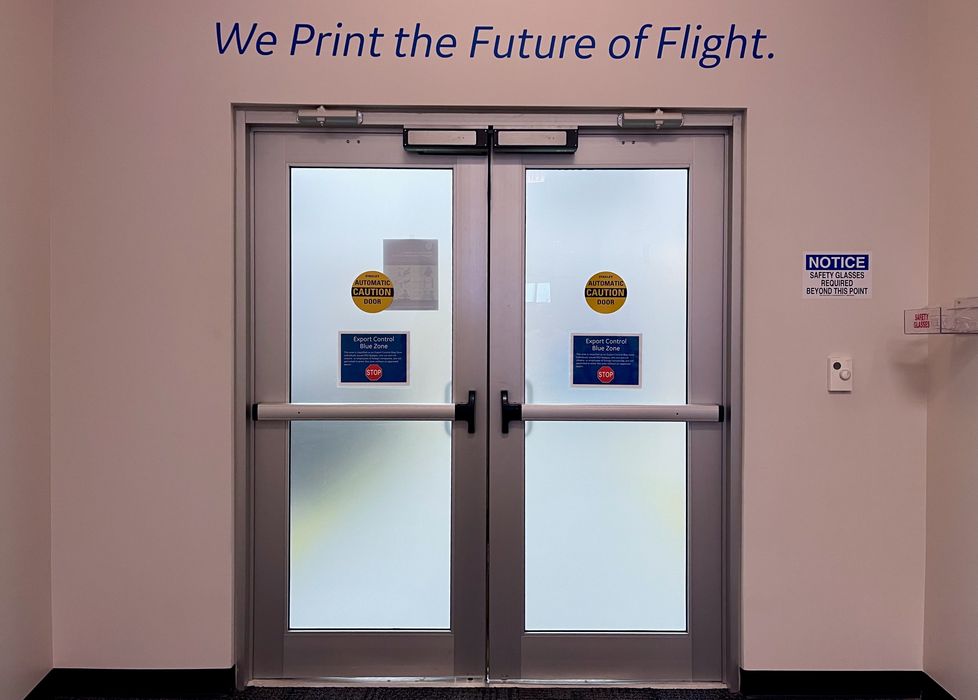
GE Aerospace Targets Additive Manufacturing in $650M Investment
Manufacturing facilities in Alabama, Massachusetts, North Carolina and Ohio to receive building and equipment upgrades along with more than 1,000 new jobs.
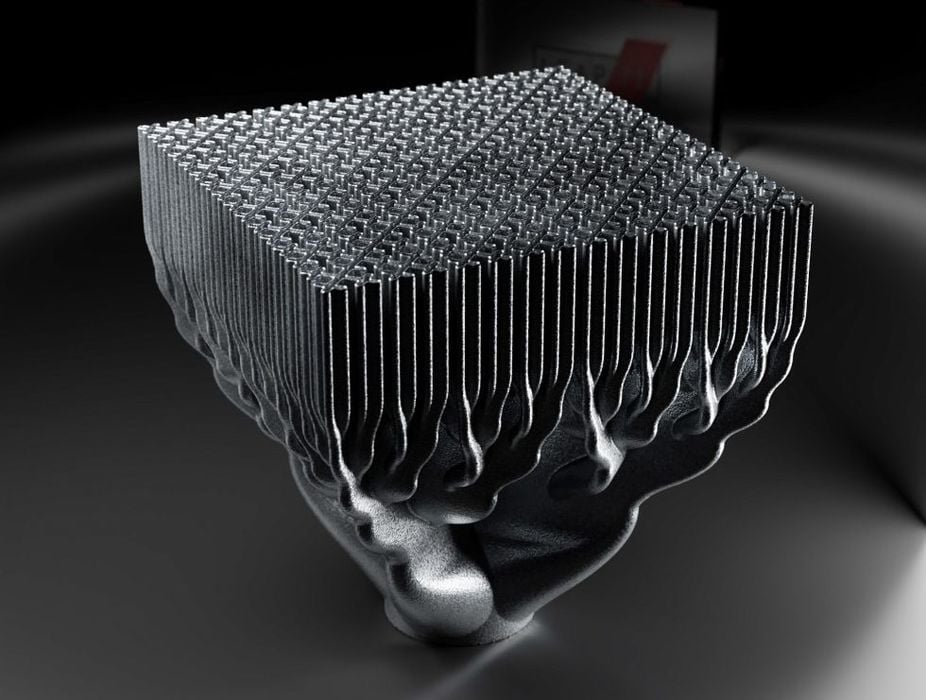
Leap71 Lands Milestone Aerospace Deal to Elevate Computational Engineering
Leap71 has secured a major deal to provide their computational engineering services to the aerospace industry.
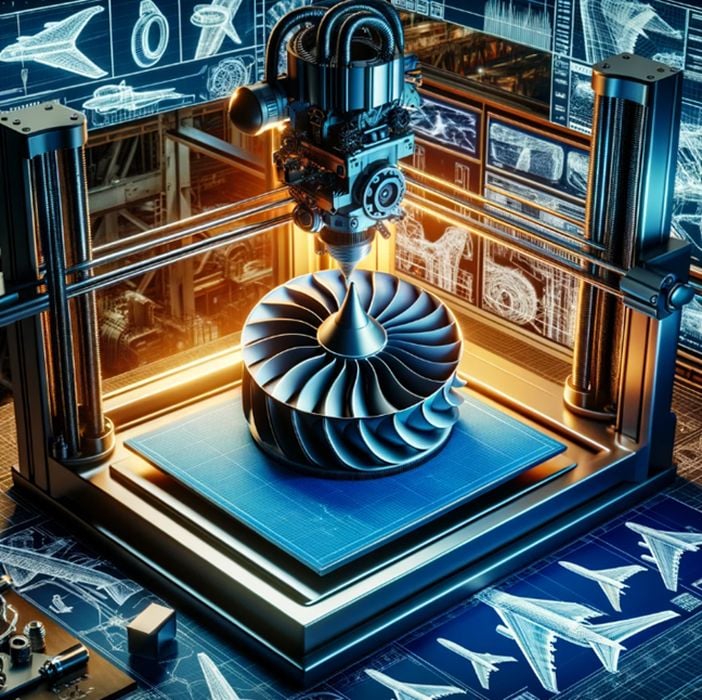
3D Printing for Quality Assurance: A Closer Look at Aerospace Component Inspection Protocols
Charles R. Goulding and Warren Buzzell Jr. examine how 3D printing can be leveraged to address some of the recent challenges in aerospace component production.
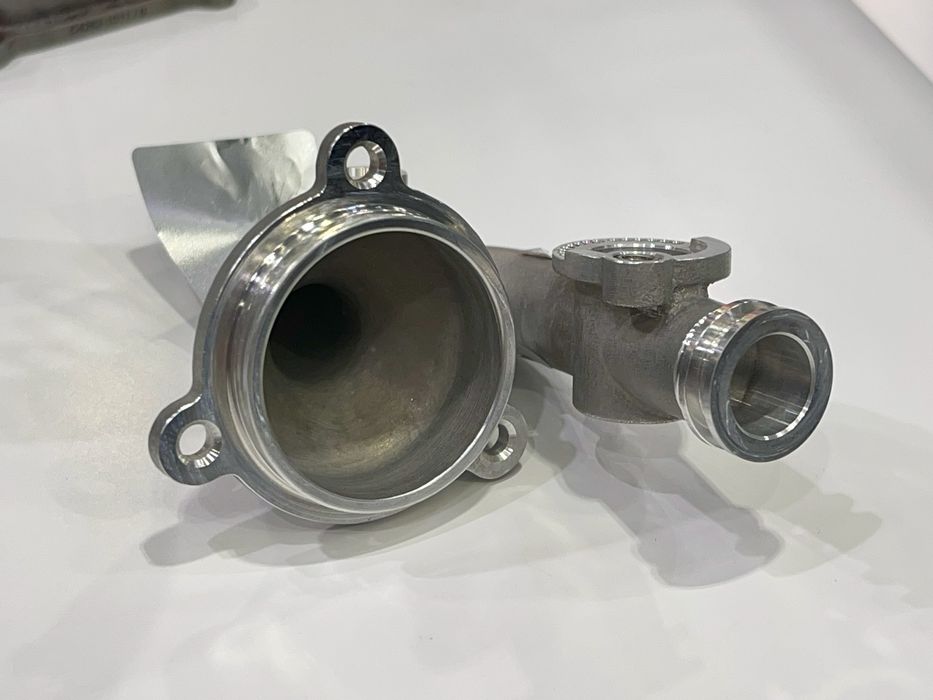
Additive Industries: Making Metal 3D Printing Efficient for Automotive and Aerospace
Additive Industries seems to be continuing with their never-ending quest for efficiency.
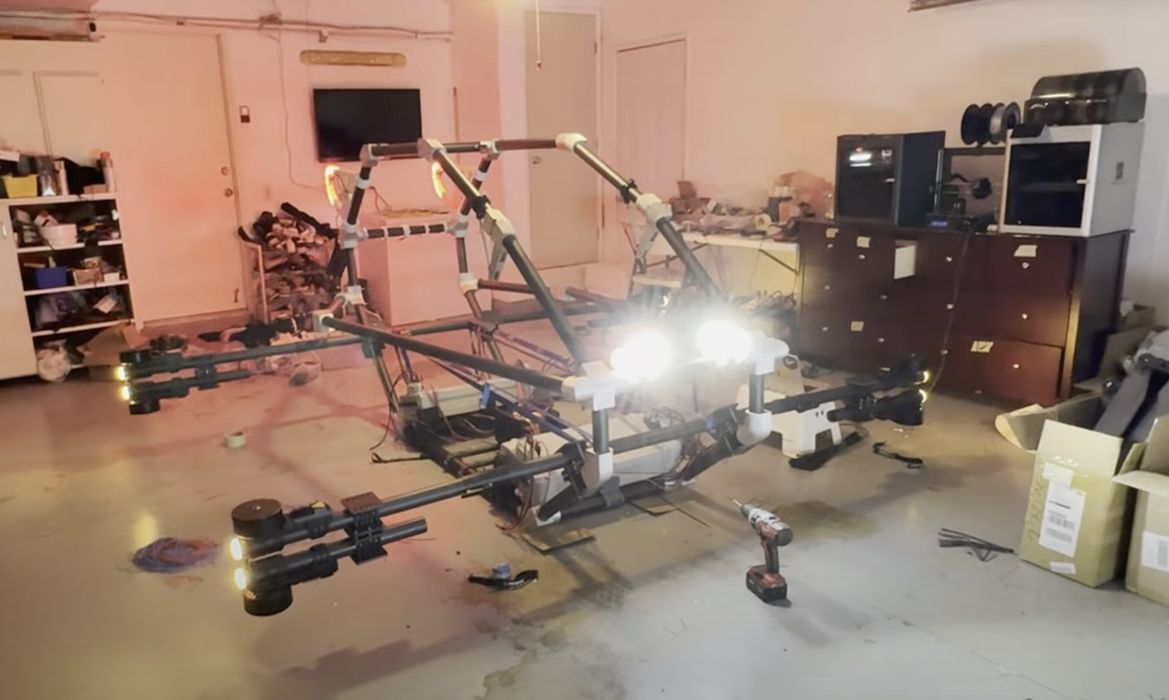
Design of the Week: 3D Printed Flying Car
This week’s selection is the 3D Printed Flying Car by Alan Zhang.
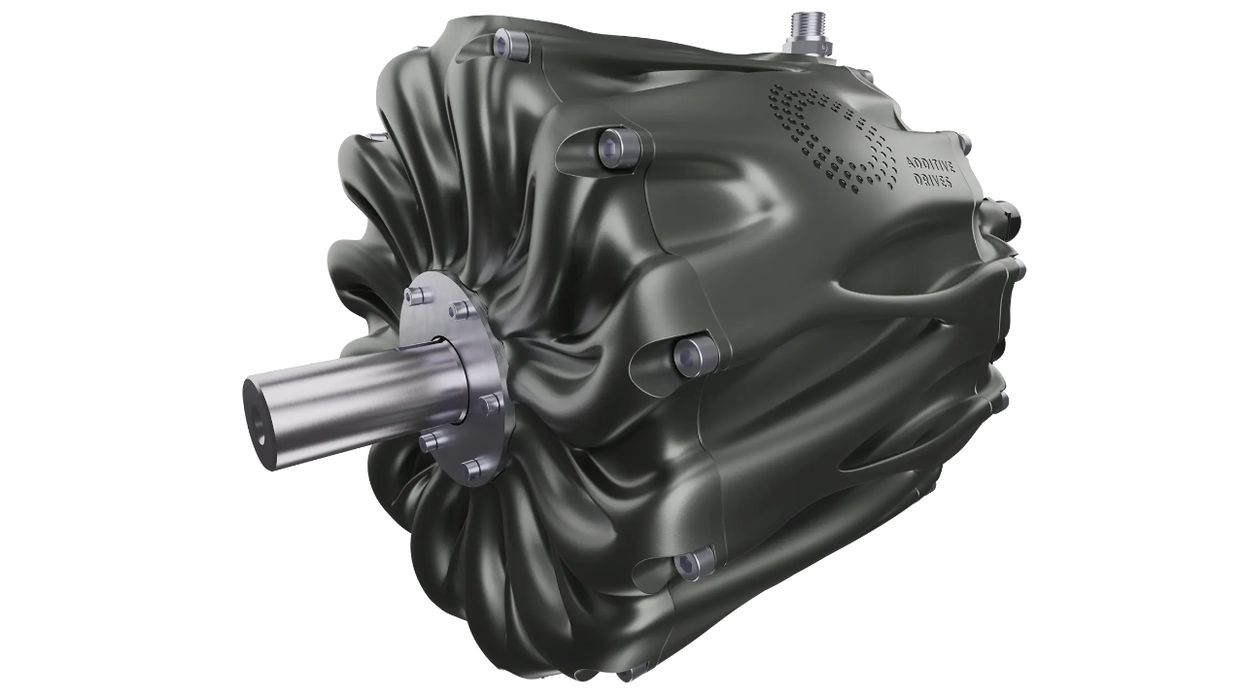
Additive Drives’ 3D Printed Motors Could Revolutionize EV Industry with Enhanced Efficiency
An interesting development has occurred in the automotive sector that could drive adoption of 3D printing.

Sidus Space Launches Multi-Material 3D Printing Division for Space Industry
Sidus Space announced a new division dedicated to 3D printing parts for space missions.
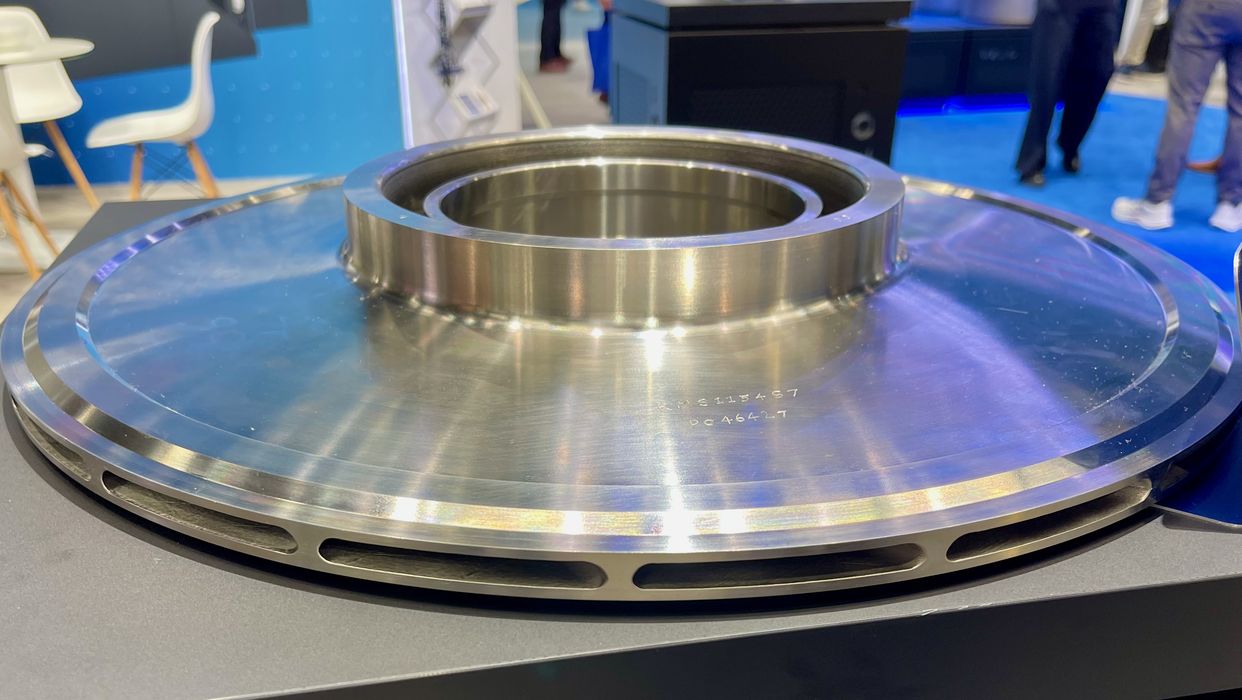
Cost-Efficient and Complex Metal Parts Achievable When There’s No Support Structures
The importance of support structures, or rather the lack of them, was revealed in a visit with Velo3D.
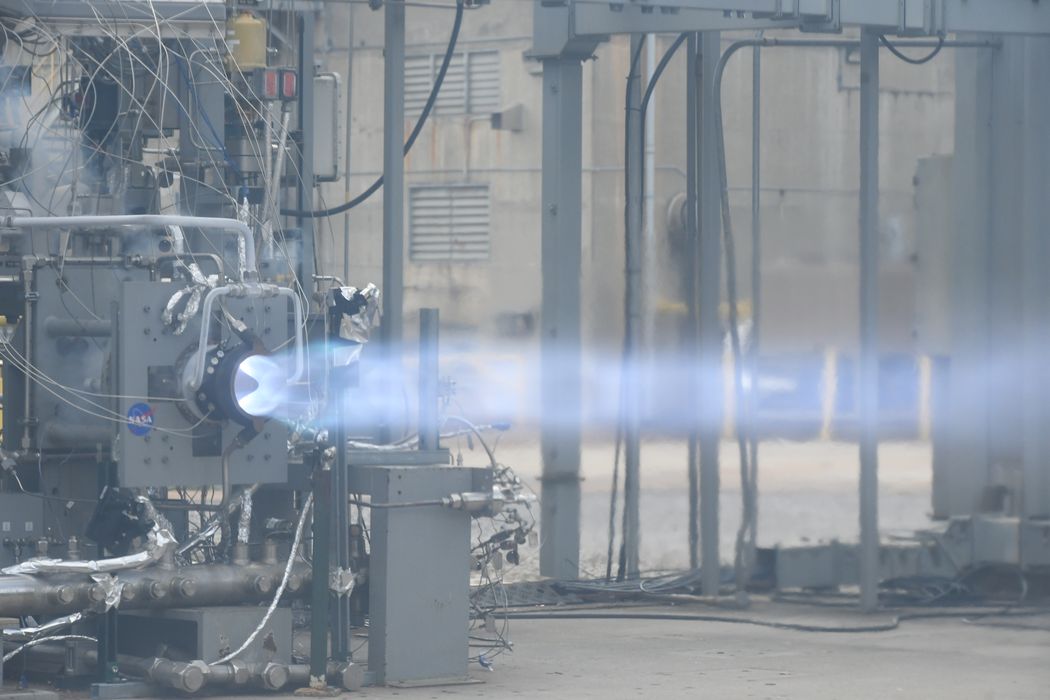
NASA Innovates with 3D Printed Rotating Detonation Rocket Engine
NASA announced they’ve 3D printed a very different type of rocket engine.
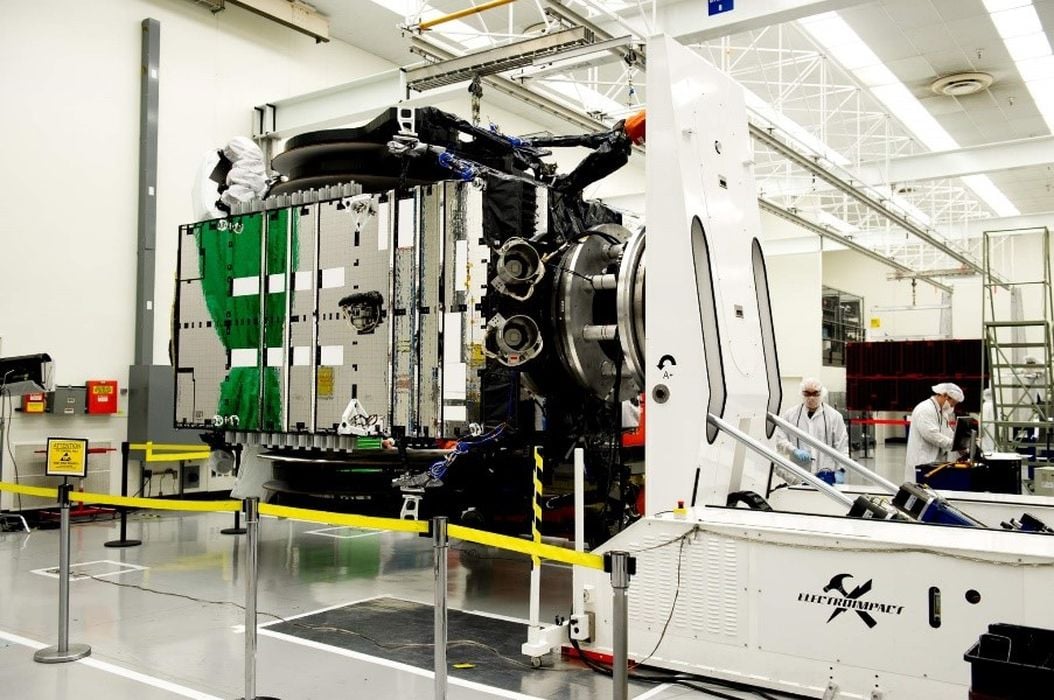
How ULA’s Sale Could Change Aerospace Manufacturing
Preeti Sulibhavi and Charles Goulding look at the 3D print possibilities that may open up should United Launch Alliance (ULA) be sold.
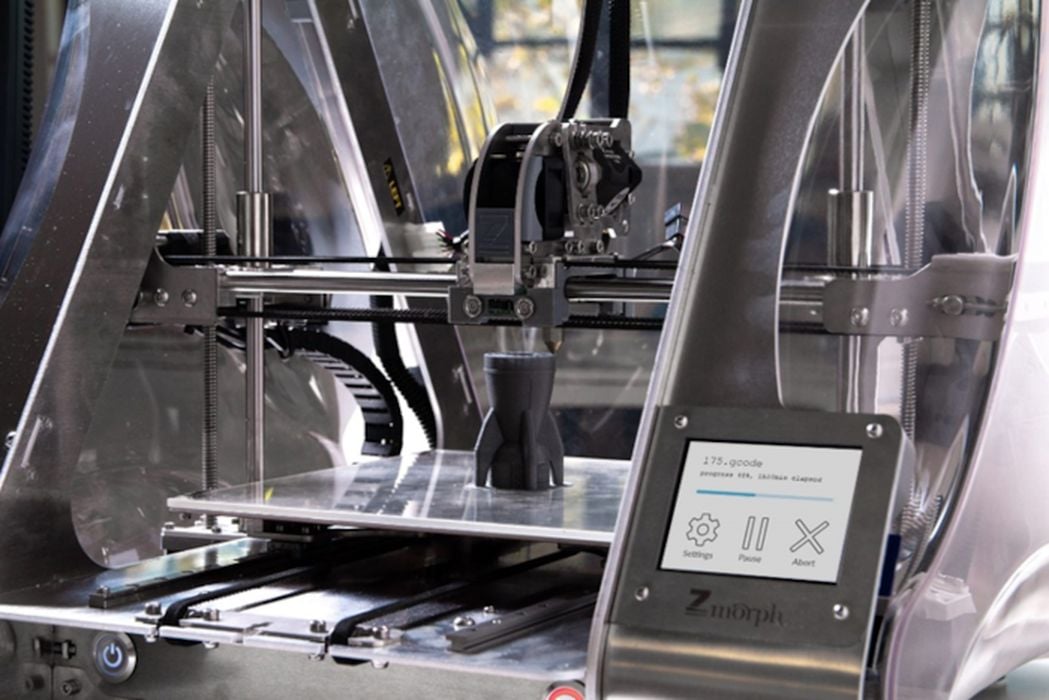
Houston Emerges as a Hub for 3D Printing Innovation Across Industries
Charles R. Goulding and Preeti Sulibhavi highlight industries that are flourishing in Houston, Texas.
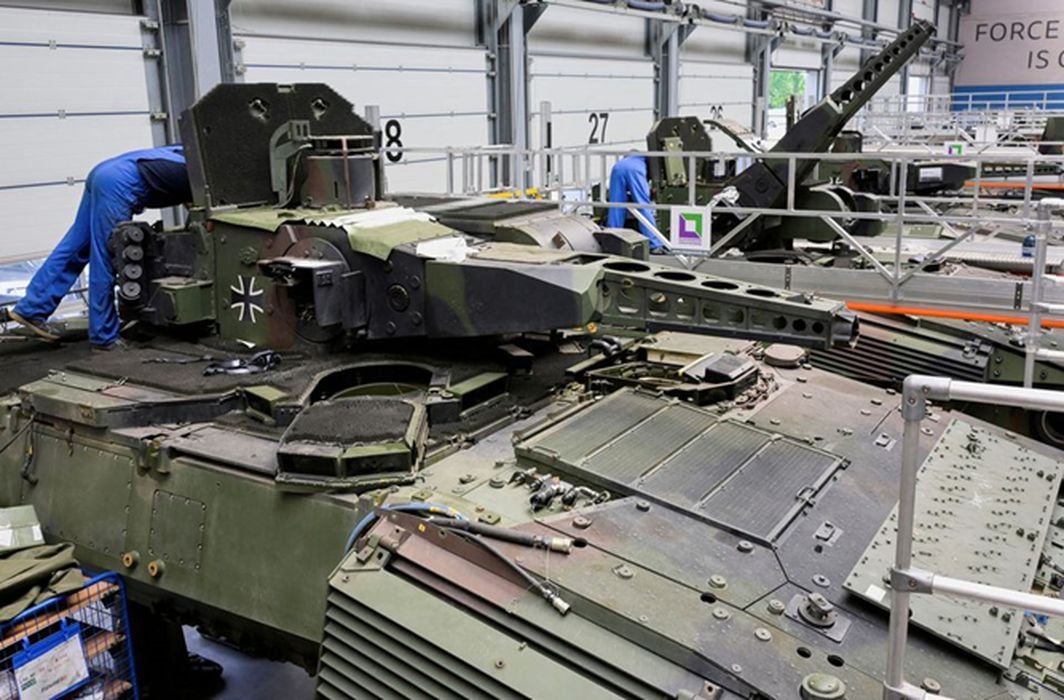
Ukraine Employs 3D Printing in Defense Sector, Strengthening Military Production
Charles R. Goulding and Preeti Sulibhavi discuss how the ongoing conflict in Ukraine is driving the country’s transformation of industrial capabilities to boost the domestic defense sector.