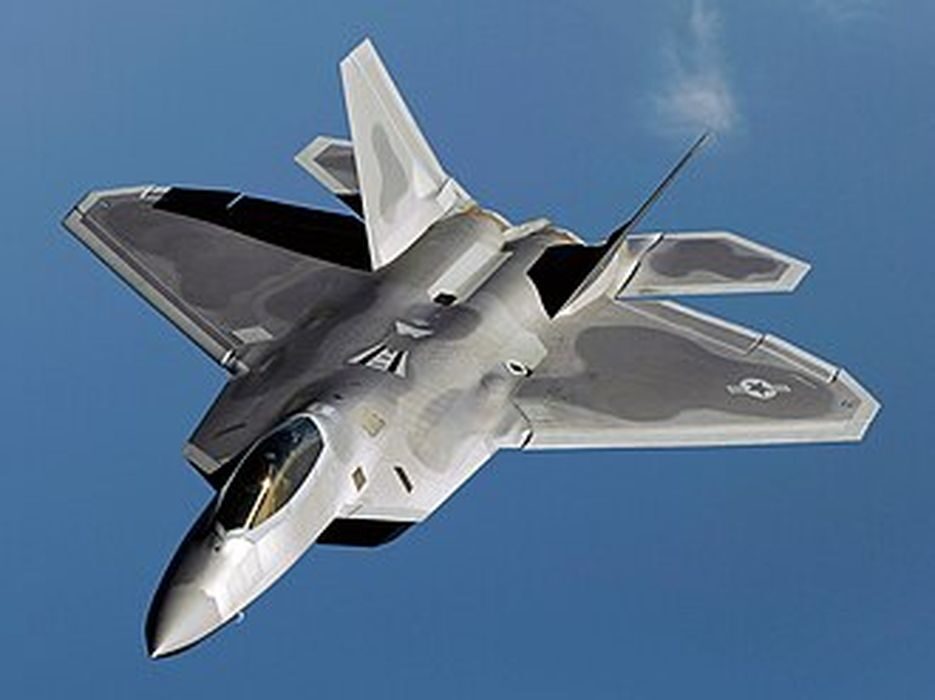
Charles R. Goulding and Jacob T. Nolan explore how 3D printing is accelerating innovation and unlocking valuable R&D Tax Credits across industries—from prototyping to next-gen fighter jet production.
Next Generation Combat Powered by Collaboration and Printing
A new era in air defense is unfolding through the Global Combat Air Programme (GCAP), a tri-national fighter jet initiative led by the United Kingdom, Italy, and Japan. The goal is to deliver a sixth-generation stealth fighter by 2035 that can outperform the latest Chinese and Russian aircraft. Key to achieving this vision is 3D printing, which is enabling faster prototyping, weight reduction, and highly complex geometries for critical components. Major defense firms like BAE Systems, Leonardo S.p.A., and Mitsubishi Heavy Industries are leveraging additive manufacturing to turn digital designs into physical dominance.
GCAP Unites Three Nations in Aerospace Innovation
Launched in 2022 and formalized in 2024, GCAP merges the UK’s Tempest project, Italy’s defense industrial base, and Japan’s F-X fighter program into one unified vision. The shared ambition is to build a fighter platform with AI-assisted targeting, autonomous swarming drones, advanced stealth, and sensor fusion. But building such a platform through traditional manufacturing would take decades. GCAP partners are using 3D printing to accelerate timelines and improve design iteration at scale.
BAE Systems Accelerates Development with Additive Precision
As a lead contractor on GCAP, BAE Systems has already used additive manufacturing to create more than 30 parts for combat aircraft. Their advanced 3D printing facility in Lancashire produces titanium and polymer parts for jet airframes, cockpit systems, and cooling ducts. BAE engineers report that complex parts that once required multiple components can now be printed as one seamless structure, enhancing stealth and structural strength.
BAE has publicly demonstrated the real-time printing of cockpit frames and mission-critical housing, showcasing how 3D printing allows for design flexibility and digital iteration. These capabilities help BAE move from design to flight-testing in months instead of years.
Leonardo S.p.A. Builds Smarter, Lighter Systems
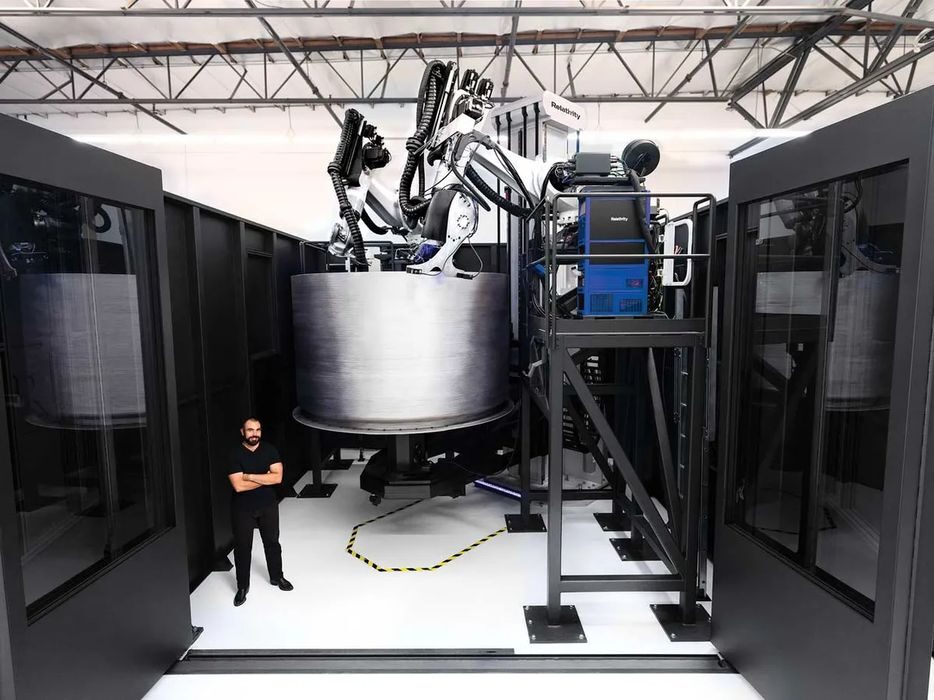
Italy’s Leonardo S.p.A. brings deep aerospace and avionics expertise to GCAP. The company uses 3D printing for structural components, engine casings, and sensor mounts. Leonardo’s facilities in Italy are equipped to support decentralized manufacturing, where engineers can quickly print and test parts for airframes and jet systems without traditional tooling delays.
Leonardo collaborates with universities and research labs to develop next-generation alloys and ceramics that withstand high heat and pressure. These materials are vital for jet engines, afterburners, and radar shielding, and are now being printed with extreme precision.
Mitsubishi Lays the Digital Foundation for Japan’s Air Superiority
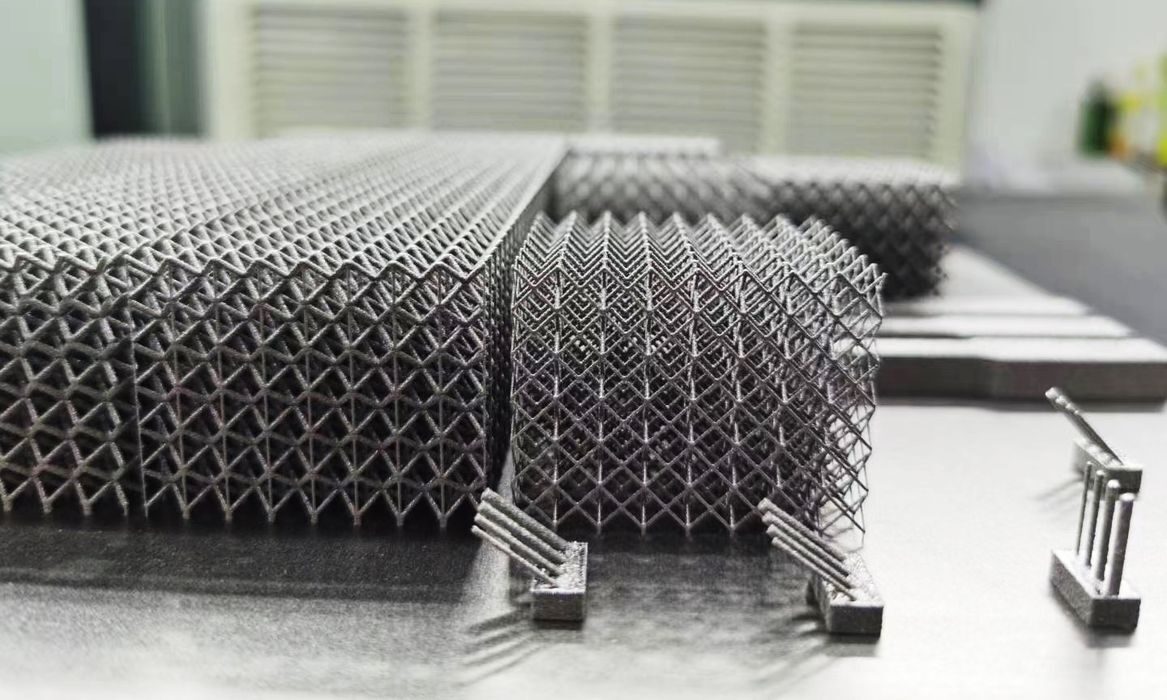
In Japan, Mitsubishi Heavy Industries contributes to GCAP by folding in its experience from the F-X stealth fighter program. Mitsubishi uses additive manufacturing for large titanium airframe parts, wing structures, and radar enclosures. Japan’s defense ministry views 3D printing as a strategic technology for fast deployment and maintenance in the Indo-Pacific region.
Mitsubishi is testing printed parts under simulated combat stress, including high g-force and thermal loads. These trials ensure that 3D printed components can match or exceed traditionally machined equivalents in combat performance.
Additive Manufacturing Is the Edge in Air Dominance
GCAP’s ambitious timeline requires the ability to innovate quickly and adjust rapidly to emerging threats. 3D printing allows engineers to skip months of tooling, deliver optimized components on demand, and customize parts in response to battlefield feedback. This digital agility is vital in a world where adversaries are advancing rapidly.
Additive parts are lighter, stronger, and smoother, enhancing stealth and agility. They also reduce the number of failure points by eliminating seams and joints. With integrated drones, AI systems, and electronic warfare onboard, printed parts will be essential for housing sensors, managing heat, and maintaining modularity for upgrades.
The Research & Development Tax Credit
The now permanent Research & Development Tax Credit (R&D) Tax Credit is available for companies developing new or improved products, processes and/or software.
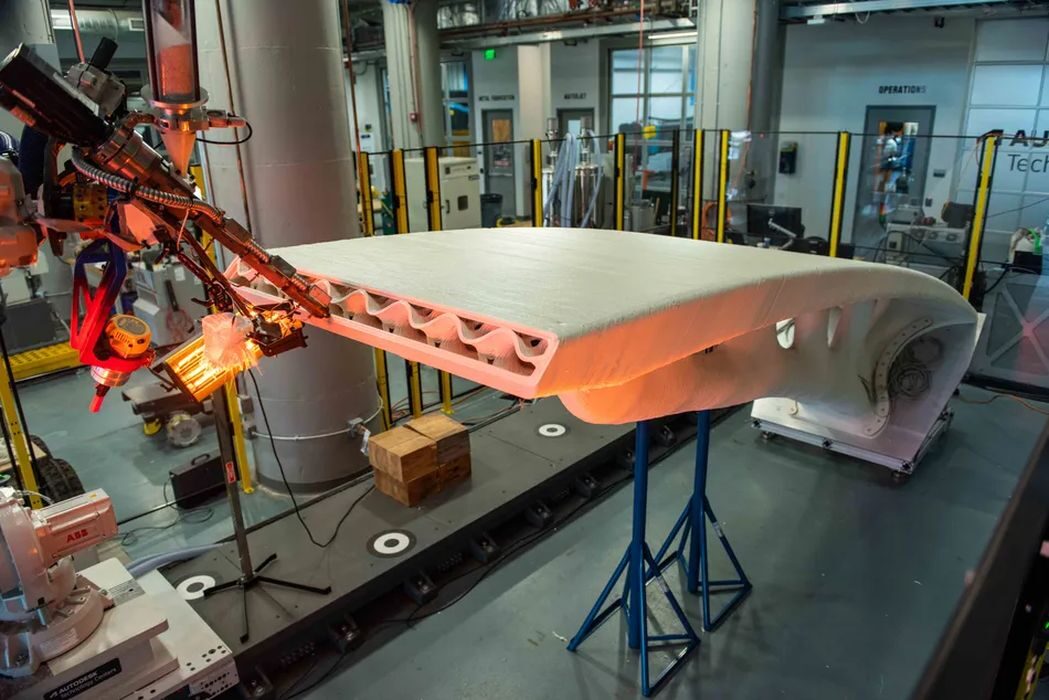
3D printing can help boost a company’s R&D Tax Credits. Wages for technical employees creating, testing and revising 3D printed prototypes can be included as a percentage of the eligible time spent on the R&D Tax Credit. Similarly, when used as a method of improving a process, time spent integrating 3D printing hardware and software counts as an eligible activity. Lastly, when used for modeling and preproduction, the costs of filaments consumed during the development process may also be recovered.
Whether it is used for creating and testing prototypes or for final production, 3D printing is a great indicator that R&D Credit eligible activities are taking place. Companies implementing this technology at any point should consider taking advantage of R&D Tax Credits.
Conclusion
As GCAP sets a new standard for multinational defense collaboration, 3D printing is proving essential to designing and delivering the world’s most advanced fighter jets. BAE Systems, Leonardo S.p.A., and Mitsubishi Heavy Industries are using additive manufacturing not only to reduce costs and save time but to push the limits of design and performance. The future of fighter aviation is not just engineered. It is printed.