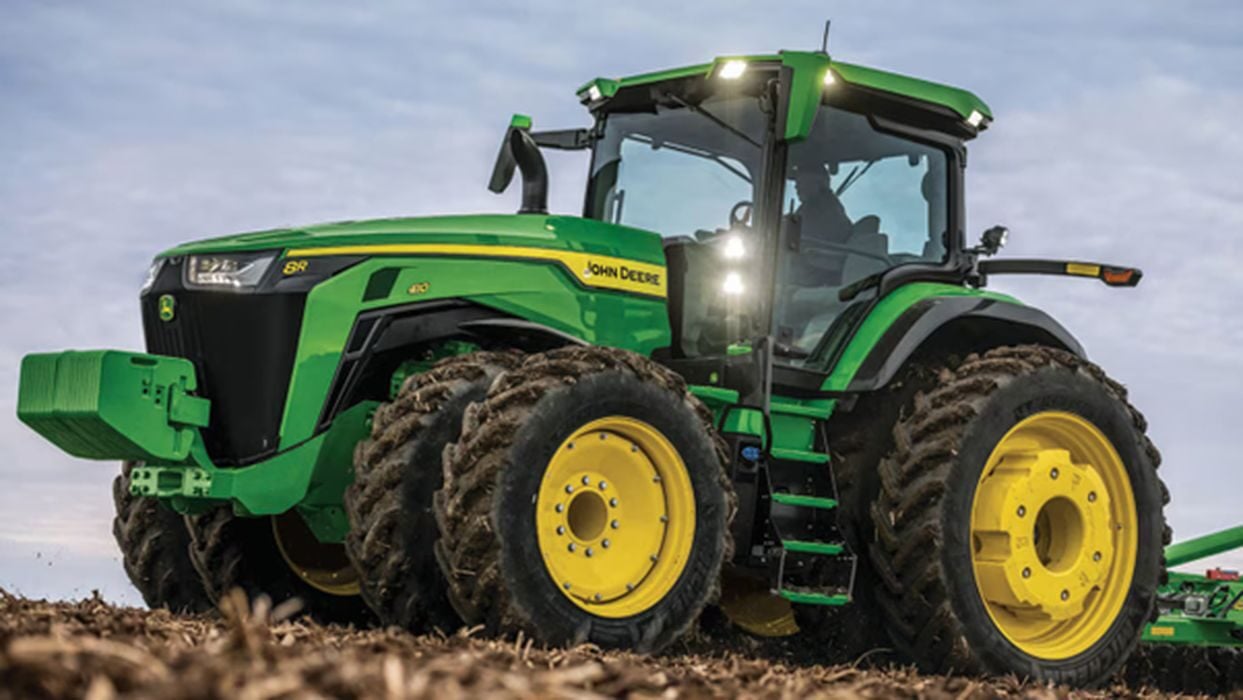
Charles R. Goulding and Andressa Bonafe delve into how John Deere is leveraging additive manufacturing and R&D tax incentives to stay ahead amid tariffs, supply chain strains, and global competition.
Deere & Company, widely recognized by its iconic John Deere brand, has been a cornerstone of American industry since its founding in 1837. The company began when blacksmith John Deere crafted a self-scouring steel plow in Grand Detour, Illinois, an invention that transformed farming practices across the Midwest. From those modest beginnings, Deere steadily broadened its reach, first with agricultural implements and later with a full range of tractors, combines, planters, sprayers, and engines. Over time, the company also moved into forestry and construction machinery, cementing its place as a diversified global manufacturer of heavy equipment.
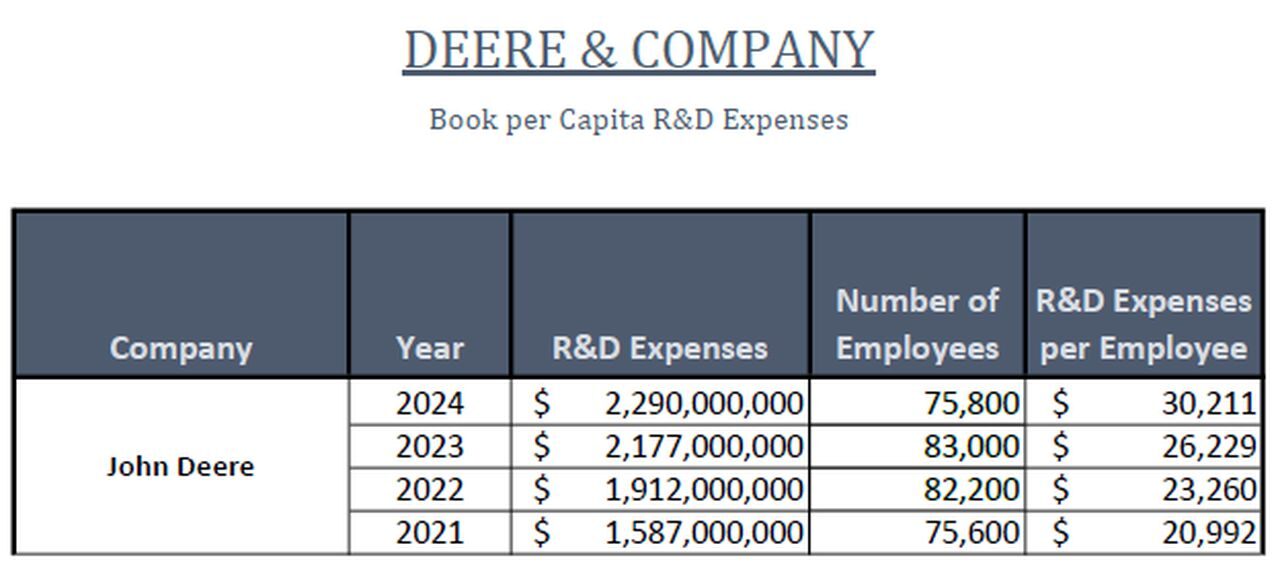
Today, John Deere is headquartered in Moline, Illinois, and operates as a truly international enterprise. As of 2025, it employs about 75,800 employees with nearly 30,000 in the U.S. alone. It maintains an extensive network of manufacturing, assembly plants, and dealers across 30 countries. With annual revenues consistently exceeding US$50 billion, John Deere has strengthened its leadership position in the agricultural equipment market, thanks not only to its powerful machinery but also to a growing emphasis on precision agriculture technology and strong aftermarket services. This combination has helped the company remain resilient in the face of volatile commodity prices, shifting trade dynamics, and changing global demand – factors that have made ongoing innovation and diversification central to its long-term strategy.
Challenging Times for an Industry Leader
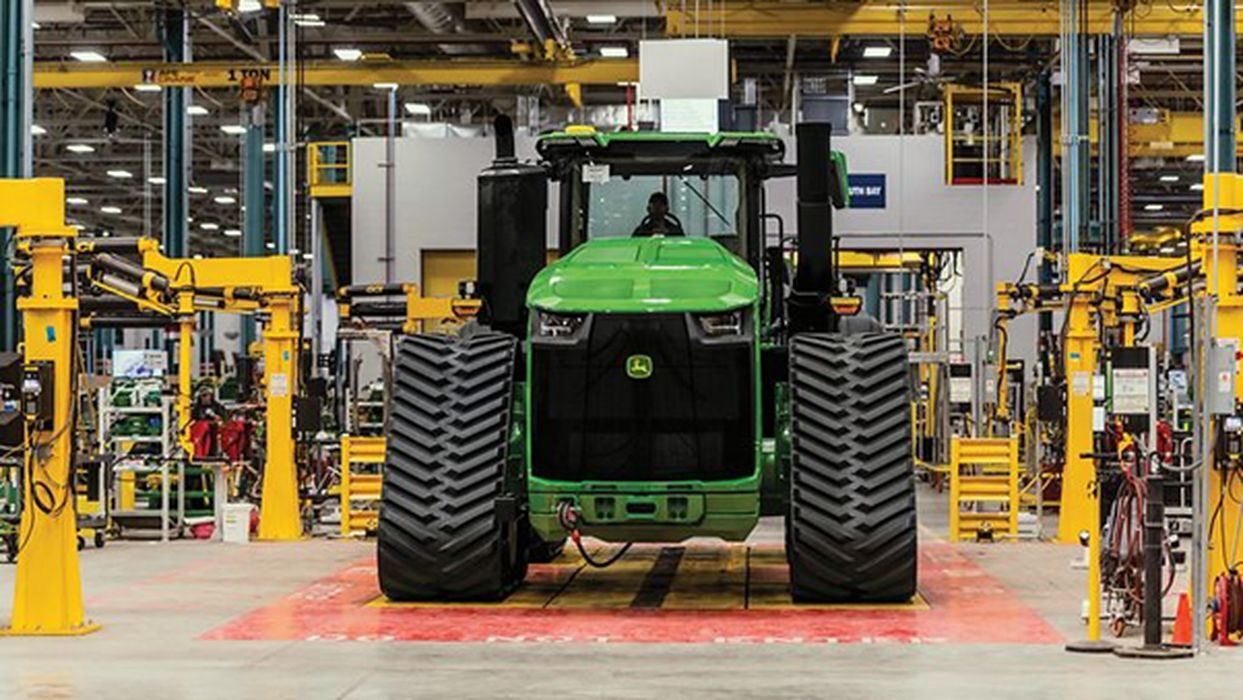
Even for a company with nearly two centuries of innovation behind it, the current landscape presents significant challenges. Global supply chains remain unsettled, with parts and raw materials flowing through a complex web of international routes that are vulnerable to disruption. Bottlenecks, shipping delays, and rising logistics costs add layers of uncertainty to John Deere’s finely tuned manufacturing operations. These pressures come at a time when farmers and contractors depend on equipment availability more than ever.
Tariffs have become another heavy burden. In 2025, John Deere projected that import duties could reduce earnings by close to US US$600 million for the year, with about US$200 million already absorbed in the third quarter alone. Such figures reveal just how much shifting trade policies can weigh on even the largest manufacturers, eroding margins and forcing difficult pricing decisions (pressures felt across the sector, as we noted in our previous piece on Caterpillar). Meanwhile, broader demand signals are mixed: U.S. agriculture is on track for a record trade deficit in FY2025, highlighting tougher global competition and currency effects that can dampen export momentum.
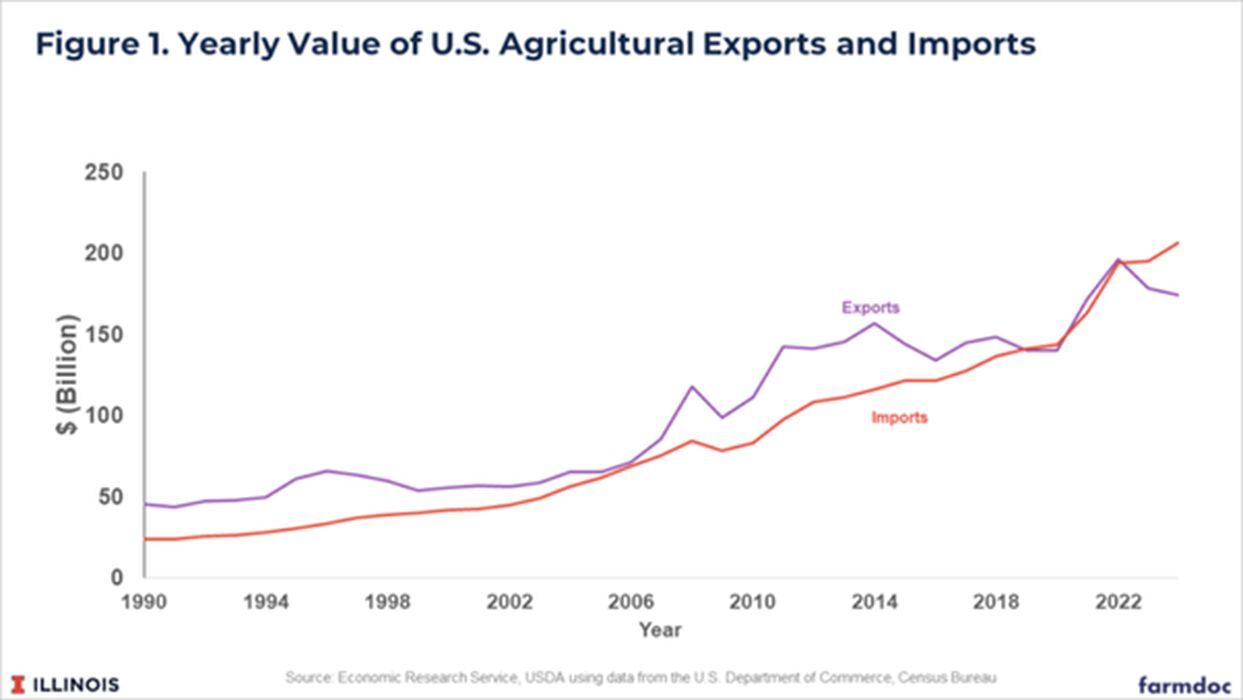
That said, there are meaningful offsets on the policy and market access fronts. Recent U.S. efforts to expand export markets aim to create new demand for American farm products, which can support investment in equipment. Beyond programs such as the USDA’s Regional Agricultural Promotion Program and proposals to increase funding for MAP and FMD, 2025 also brought announced transatlantic agreements. The U.S. and the United Kingdom reached an economic arrangement that outlines expanded agricultural access and tariff adjustments, and the U.S. and the European Union introduced a framework designed to lower a wide range of tariffs while signaling preferential access for selected U.S. farm products. While the details and timelines will matter, these openings, together with export promotion programs, could help balance some of the headwinds and encourage growers to invest in new machinery, creating new opportunities for companies such as John Deere. In addition, a one-year, US$31 billion Farm Bill extension for 2025 (including US$21 billion for disaster recovery and US$10 billion in direct payments) is designed to stabilize farm cash flow and accelerate adoption of modern, data-driven practices, which are potential drivers for machinery demand.
Additive Manufacturing as a Strategic Response
In the face of tariffs, supply chain volatility, and uneven global demand, John Deere is leaning on one of its historic strengths: finding new ways to innovate. One of the most visible expressions of that in recent years has been the expansion of additive manufacturing. What started as a practical tool on the shop floor is now emerging as part of a broader strategy to make the company more agile and resilient.
John Deere initially applied 3D printing to factory operations, producing thousands of jigs, fixtures, and ergonomic aids each year to help streamline assembly and reduce worker strain. At its Mannheim design center in Germany, engineers began using in-house printers to create prototypes at speed, cutting down the number of trial-and-error cycles and helping new ideas move more quickly toward production. These incremental steps prepared the ground for a more ambitious use case: actual production parts.
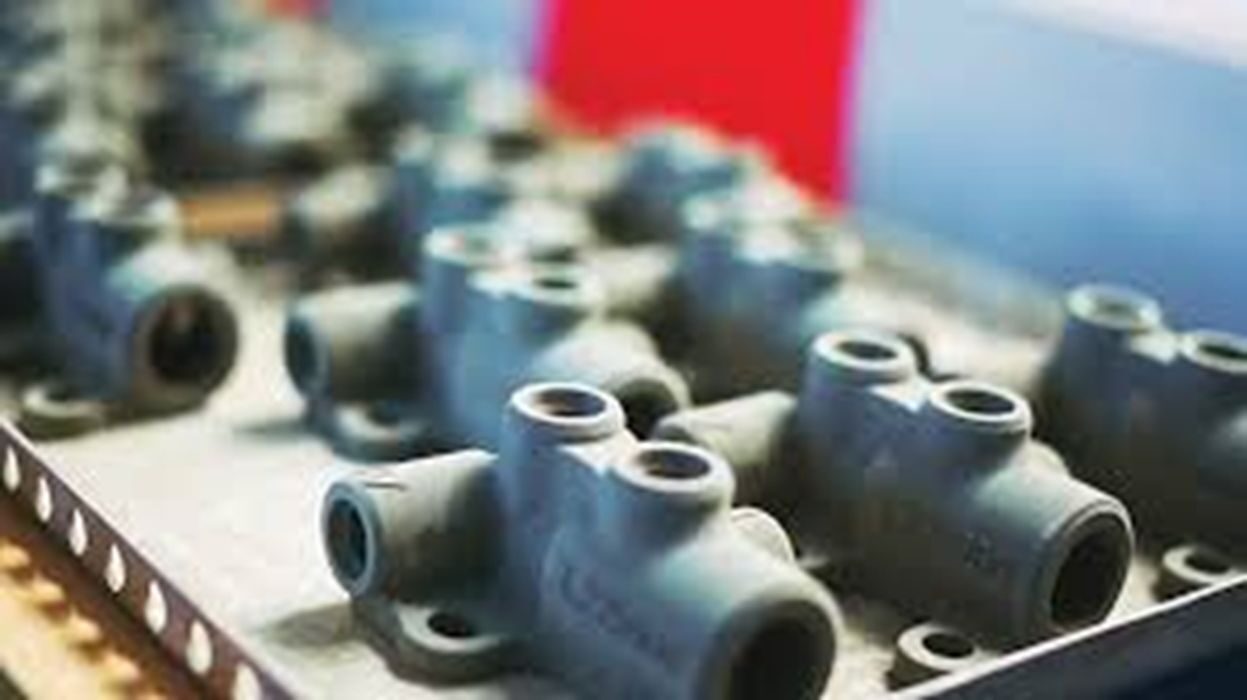
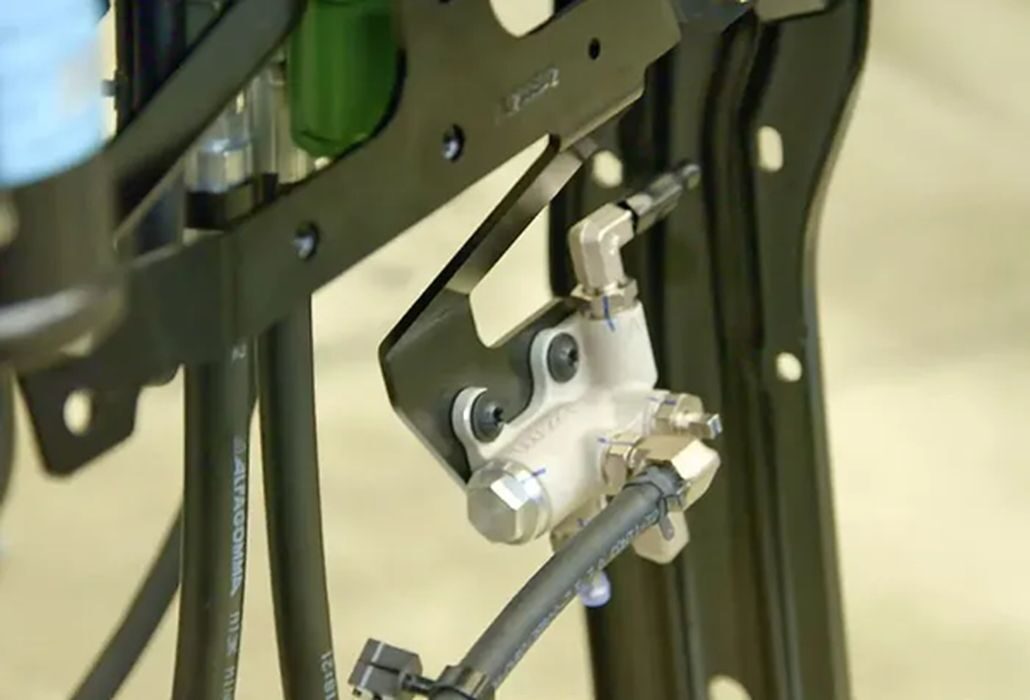
That breakthrough came with a thermal diverter valve, developed with GKN Powder Metallurgy and produced through HP’s Metal Jet binder jet process. More than 4,000 units of this valve have already been shipped for installation in John Deere tractors, making it a landmark in the company’s additive journey. By pushing 3D printing from a back-room support role into serial production, the company is demonstrating how digital manufacturing can help offset today’s trade and supply challenges while opening the door to future efficiencies.
In addition to the clear operational benefits of additive manufacturing, forward-looking investments in advanced production methods can also create financial advantages. The following section looks at how manufacturers, including those in the heavy equipment sector, can take advantage of the permanent federal Research and Development (R&D) Tax Credit, and how additive manufacturing projects often qualify as part of an innovation pipeline.
The Research & Development Tax Credit
The now permanent Research and Development (R&D) Tax Credit is available for companies developing new or improved products, processes and/or software.
3D printing can help boost a company’s R&D Tax Credits. Wages for technical employees creating, testing and revising 3D printed prototypes can be included as a percentage of eligible time spent for the R&D Tax Credit. Similarly, when used as a method of improving a process, time spent integrating 3D printing hardware and software counts as an eligible activity. Lastly, when used for modeling and preproduction, the costs of filaments consumed during the development process may also be recovered.
Whether it is used for creating and testing prototypes or for final production, 3D printing is a great indicator that R&D Credit eligible activities are taking place. Companies implementing this technology at any point should consider taking advantage of R&D Tax Credits.
Conclusion
From its origins in the 19th century to its present role as a global leader in agricultural equipment, John Deere has consistently relied on innovation to navigate shifting economic and technological landscapes. Today, that spirit is evident in the company’s adoption of additive manufacturing, which not only streamlines production and strengthens supply chains but can also position the company to take advantage of supportive policies and incentives, such as the federal R&D Tax Credit. As trade pressures, tariffs, and global competition continue to reshape the agricultural market, John Deere’s ability to combine tradition with forward-looking manufacturing strategies will remain central to sustaining its leadership and delivering value to farmers worldwide.