
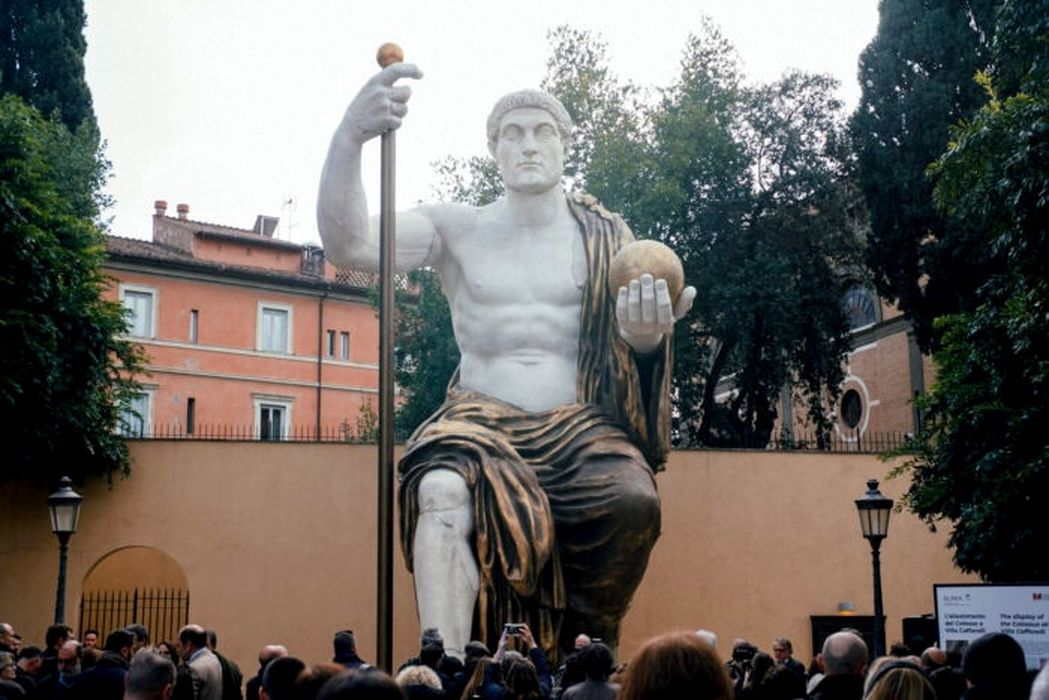
This week’s selection is the Colossus of Constantine by Factum Foundation.
A few years ago an incredible project attempted to reconstruct a famous ancient sculpture, the Colossus of Constantine. Constantine (“the Great”) being the Emperor of Rome from 313-324 CE. Constantine was the Emperor who first legalized Christianity in the Empire.
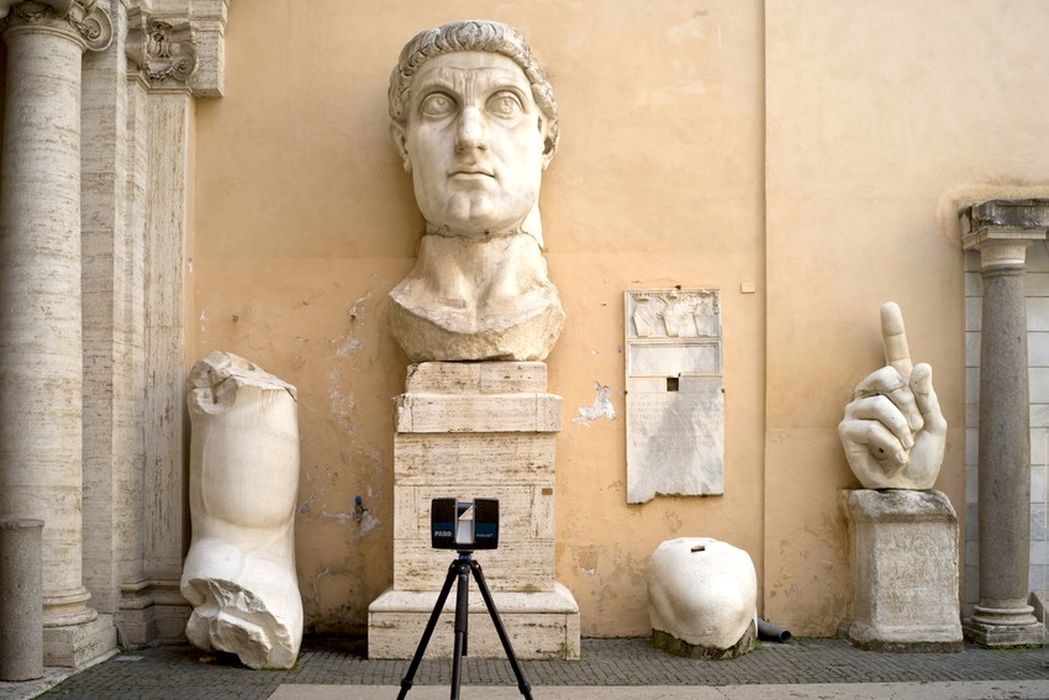
The original enormous Colossus was taken apart by metal scavengers in the dark ages, leaving only remnants. The ten fragments were re-discovered in the 15th century, and that’s where this project starts.
The fragments were 3D scanned using both photogrammetry and LiDAR, enabling digital manipulation. These were then combined with scans of very similar statue configurations to come up with a fully complete 3D model of the Colossus. This video shows the process:
Once complete, the 3D model was then transformed into physical form. But it was quite a challenging project due to the immense size of the Colossus.
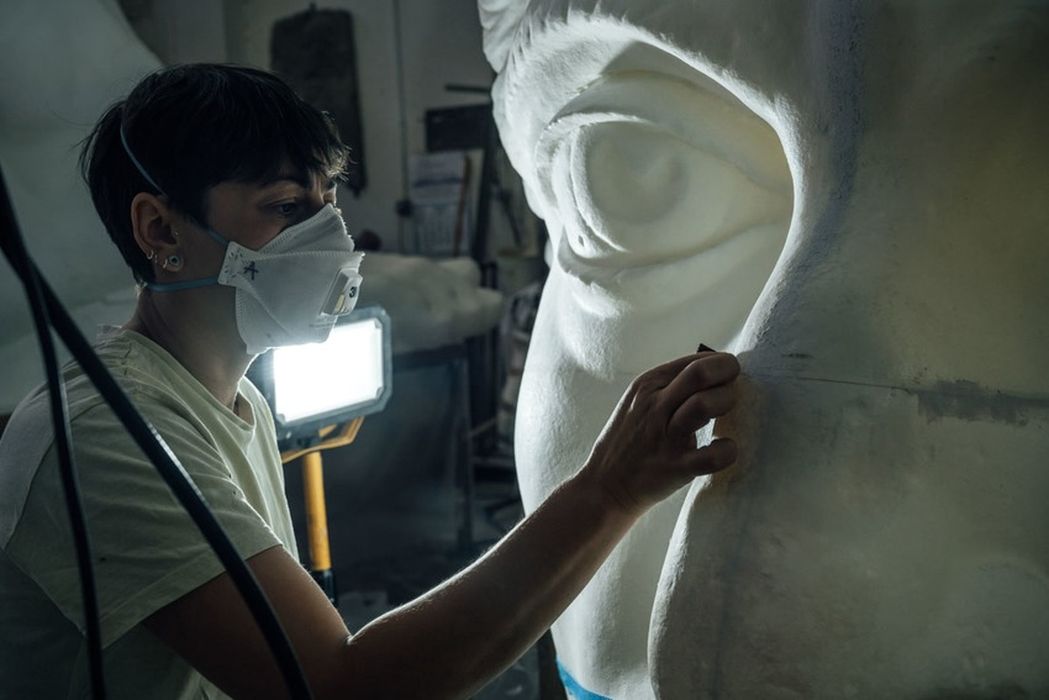
The model was segmented into reasonable, but large sized parts. The project team decided to visually identify the “original” fragments, so these were separately prepared. The fragment 3D models were each 3D printed and used to create casts made of a durable resin. The parts were carefully painted with a custom mix that mimicked the appearance of the original marble that comprised the Colossus.
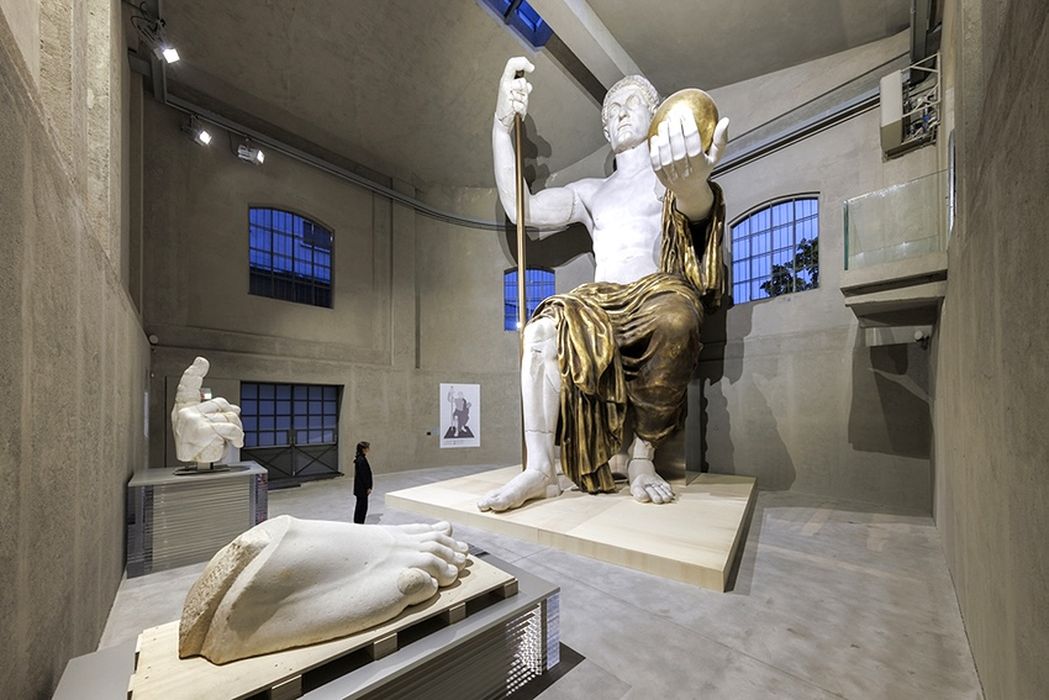
The remainder of the Colossus was built using polyurethane, covered with a custom mix of resin and marble/mic powder, again to achieve a marble-like finish. Other elements were coated with acrylic resin or gold gilding as required.
The resulting statue is incredibly impressive, and remains standing to this day.
