Charles R. Goulding and Andressa Bonafe highlight the shift from clinical pilot programs to everyday pharmacy practice, where 3D printing and R&D tax credits are reshaping the future of pediatric drug compounding.
Recent advances in personalized medicine are pushing healthcare beyond one-size-fits-all treatments. As highlighted in The Economist‘s recent Custom Cures article, therapies are increasingly being tailored to individual patients, sometimes to address the needs of a single child with a rare condition. While these breakthroughs often focus on novel drugs or genetic approaches, they raise a practical question: how can highly customized treatments be turned into safe, usable medicines at the point of care?
In pediatrics, that challenge is especially acute. Most pharmacies lack the expertise to prepare specialty pediatric formulations, leaving compounding pharmacies to fill the gap. Pharmaceutical 3D printing is now emerging as a tool that could help standardize and scale this process, offering digitally controlled, patient-specific medicines designed for precise dosing, improved adherence, and small-batch production.
3D Printing and the Evolution of Drug Compounding
Drug compounding has long served as a bridge between standardized pharmaceuticals and patient-specific needs.In a 2020 article, we examined how 3D printing began to gain relevance in drug compounding during the coronavirus crisis, when supply chain disruptions and urgent clinical demands highlighted the limitations of centralized pharmaceutical manufacturing. Since then,the role of 3D printing in compounding has evolved considerably. Today, the focus is on process control, repeatability, and digital workflows that enable compounders to translate prescriptions into digitally defined dosage forms produced in small batches with consistent geometry and dosing. This shift positions 3D printing not just as an alternative manufacturing method, but as a way to modernize compounding itself.
Why Pediatric Compounding Stands Out
Within the broader compounding landscape, pediatrics has emerged as one of the most compelling use cases for pharmaceutical 3D printing. Pediatric patients frequently require individualized doses that change with weight and age, along with dosage forms designed to improve adherence. These requirements are difficult to meet through mass-produced medications and often stretch the limits of traditional manual compounding.
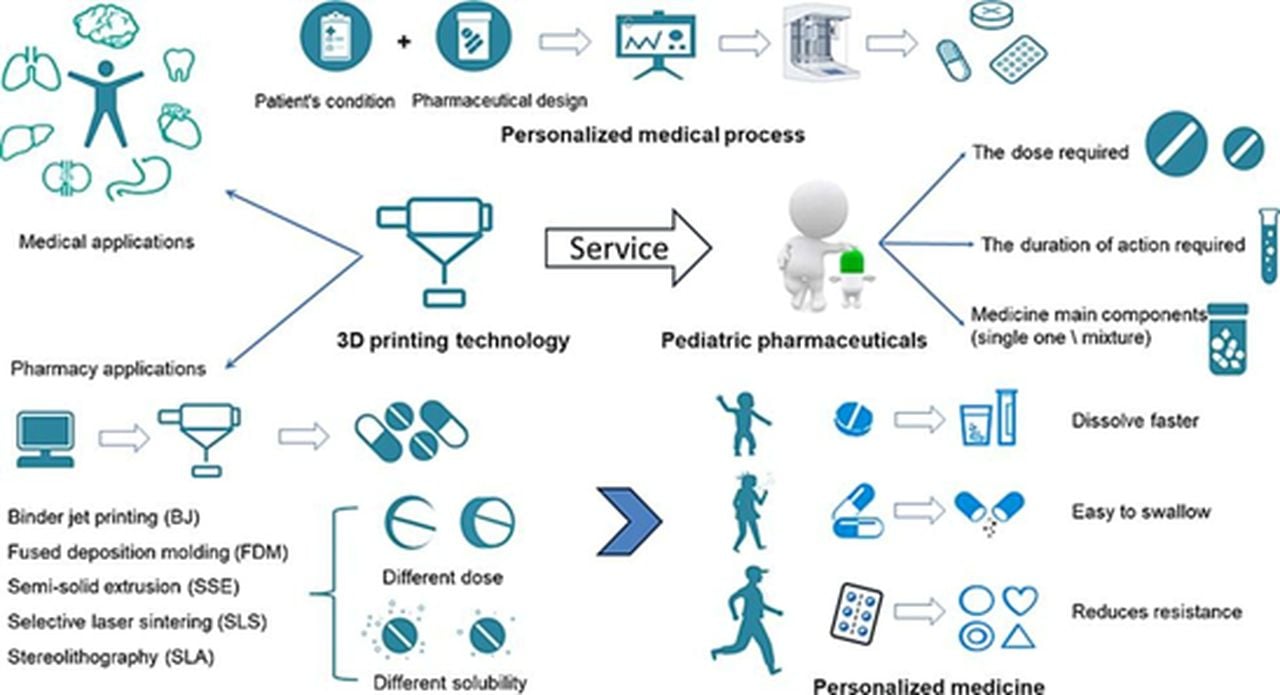
Here, the advantages of 3D printing become more pronounced. Digitally controlled fabrication allows precise dose adjustment, flexible form factors, and small production runs tailored to individual patients. Over the past several years, this has moved beyond theoretical promise, with clinical studies and hospital-based pilots demonstrating that 3D printed dosage forms can be produced, validated, and administered safely in pediatric settings. Much of this progress has been supported by the emergence of specialized pharmaceutical 3D printing platforms developed to translate research concepts into practical compounding workflows, combining formulation expertise, automation, and digitally driven design.
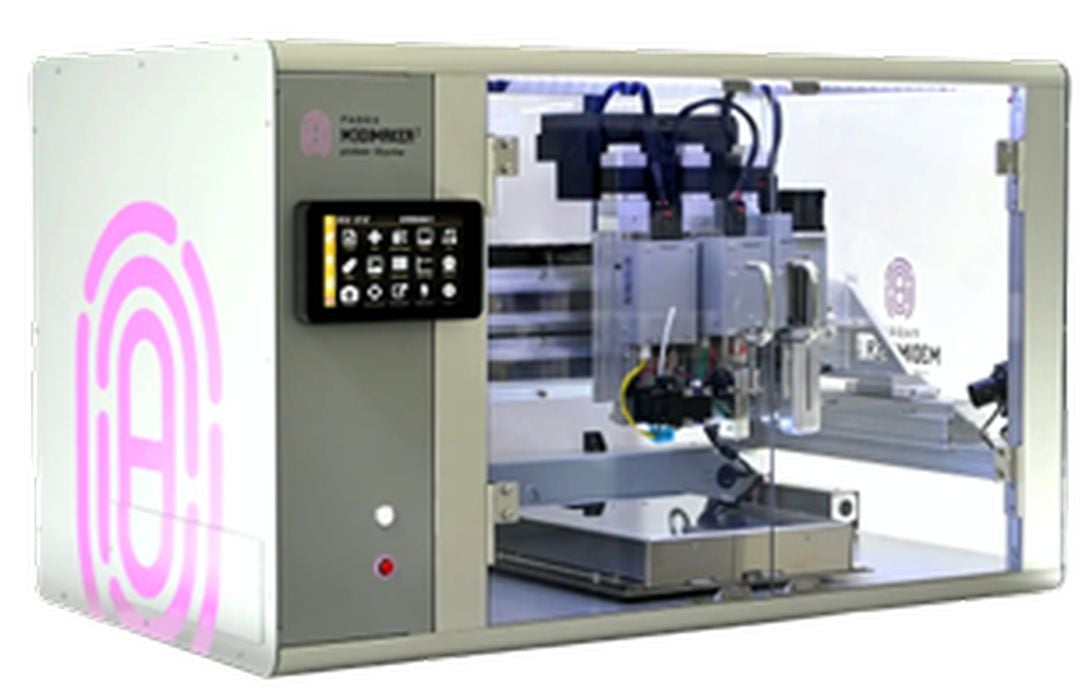
FabRx, a UK-based biotechnology company, has played a central role in advancing pharmaceutical 3D printing platforms capable of producing personalized dosage forms across research and clinical environments. Its printer systems support multiple fabrication approaches, including semi-solid extrusion and selective laser sintering, enabling chewable tablets, mini-tablets, and multi-drug printlets tailored to pediatric needs. Hospital collaborations have included clinical studies in children with rare inherited metabolic disorders,such as personalized chewable printlets for maple syrup urine disease (MSUD), demonstrating strong patient acceptance and, in some cases, tighter therapeutic control compared to conventional formulations, helping move pediatric 3D printing beyond purely experimental settings.
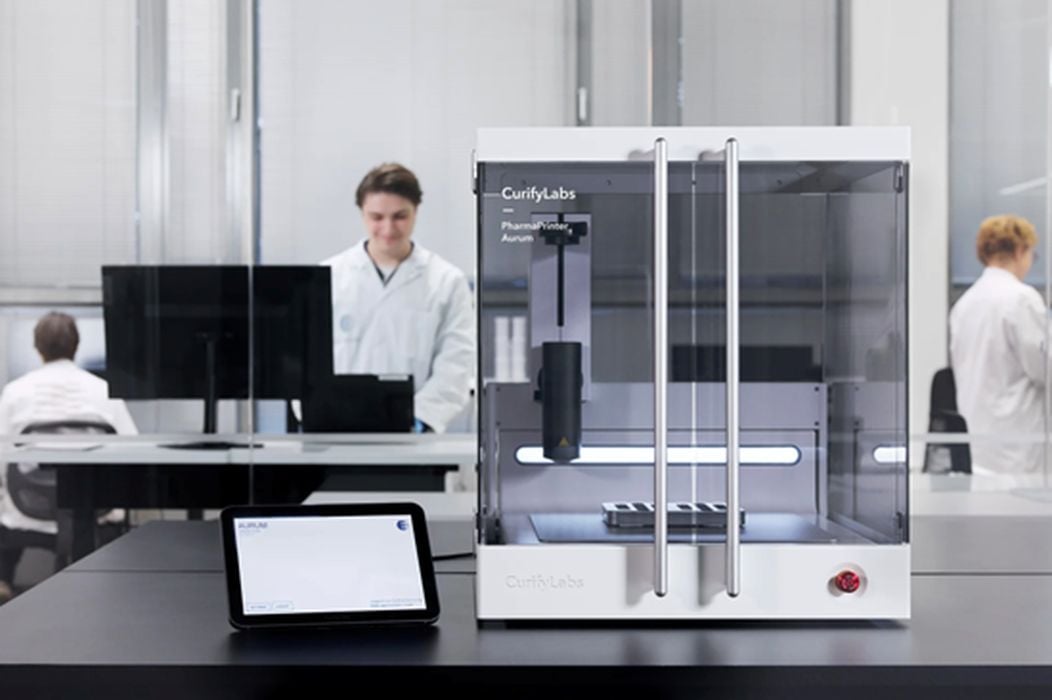
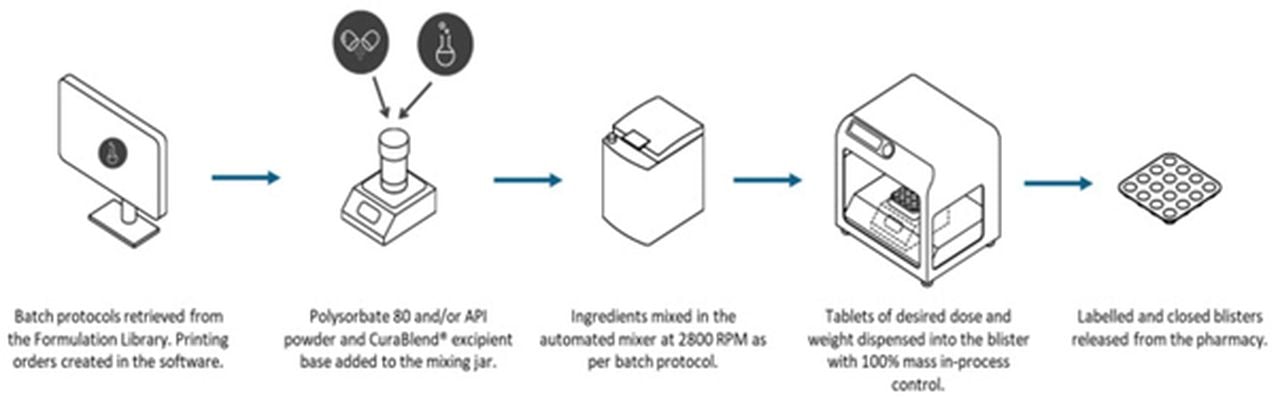
Finnish healthtech company CurifyLabs has approached 3D printing from a pharmacy automation perspective, developing integrated systems intended to modernize non-sterile compounding. By combining digitally controlled extrusion, standardized formulation libraries, and embedded quality-control features, its PharmaPrinter platforms aim to reduce variability associated with manual preparation while supporting individualized dosing strategies. Research collaborations have included pediatric oncology, an area where FDA data shows that only a minority of approved drugs have child-appropriate formulations. Hospital pilots have used 3D printing to explore personalized everolimus gel tablets and other tailored dosage forms designed to improve adherence, dosing precision, and tolerability, illustrating how software-driven compounding workflows can help bridge persistent gaps in pediatric cancer treatment.
Early pediatric applications of pharmaceutical 3D printing have largely emerged in hospital and research-driven settings, where clinical need, regulatory flexibility, and close pharmacist–clinician collaboration intersect. Rather than mass deployment, these efforts focus on validating feasibility, safety, acceptability, and workflow integration, laying the groundwork for broader adoption in pediatric compounding.
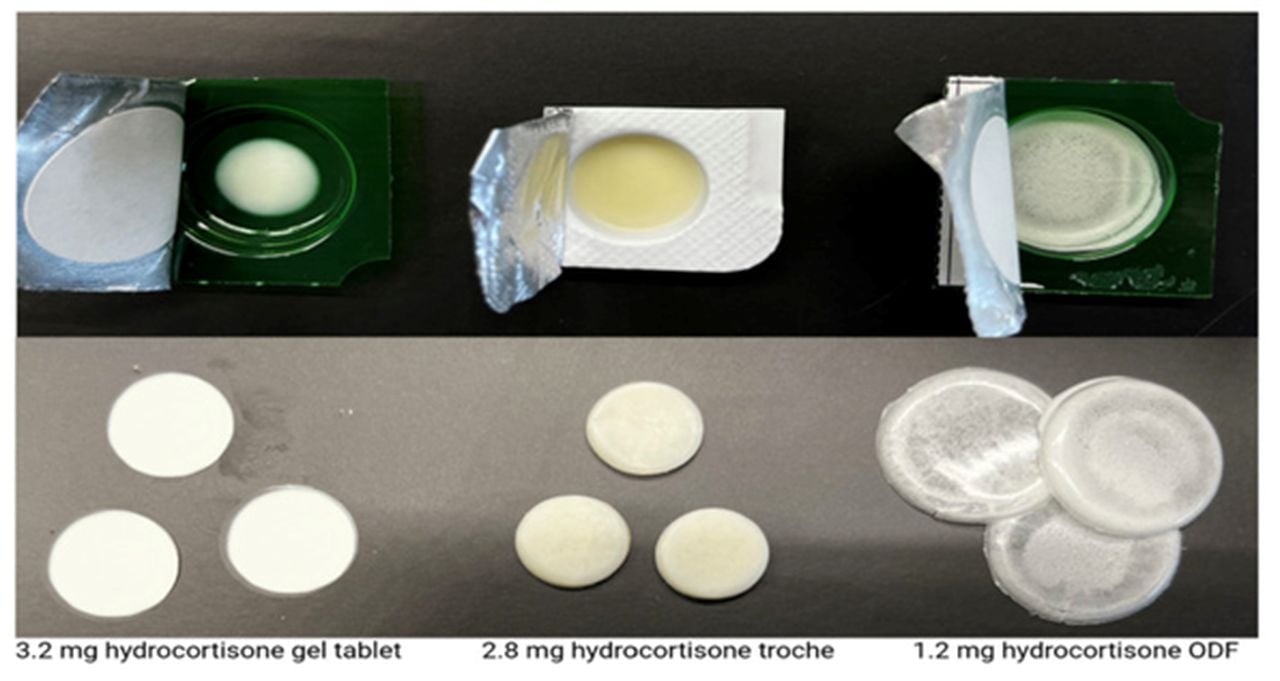
St. Jude Children’s Research Hospital: Based in Memphis, Tennessee, St. Jude represents one of the clearest examples of pediatric-focused, hospital-based exploration of pharmaceutical 3D printing. Pharmacists at the institution have conducted structured pilots using semi-solid extrusion printing powered by CurifyLabs’ PharmaPrinter platform and CuraBlend® excipient bases to produce non-sterile pediatric formulations of hydrocortisone, including gels, troches, and oral films tailored to individual dosing needs. These initiatives have emphasized analytical testing, reproducibility, and integration into existing pharmacy workflows, demonstrating that digitally controlled printing can deliver consistent, patient-specific dosage forms with reduced reliance on manual preparation.
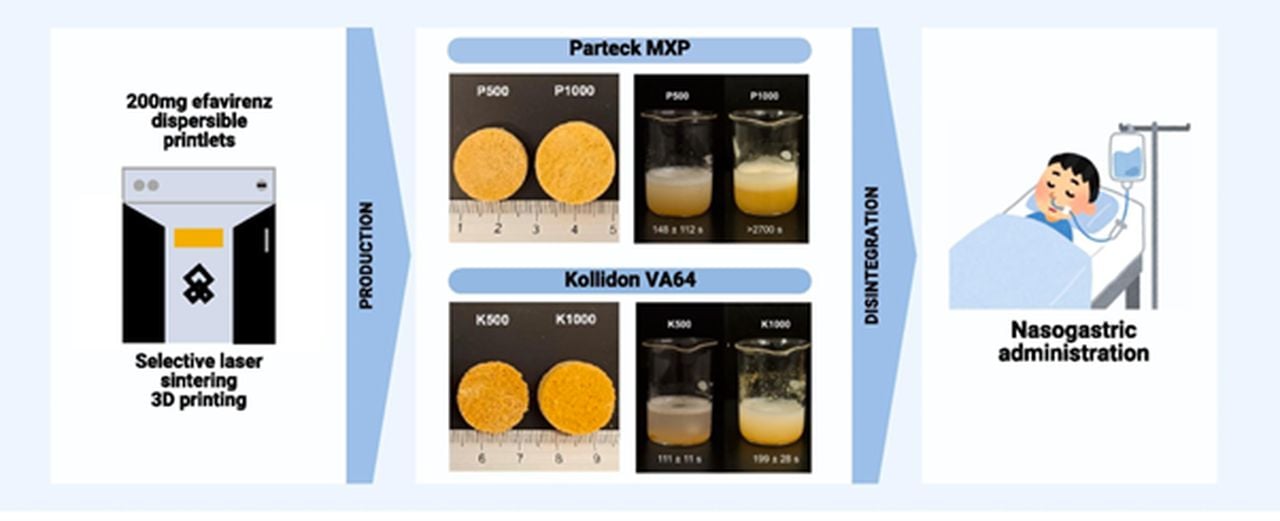
UCL School of Pharmacy, FabRx & Universidade Federal do Rio Grande do Sul: Academic researchers from University College London and FabRx, in collaboration with Brazilian partners at UFRGS, have explored the use of selective laser sintering (SLS) to produce dispersible efavirenz tablets designed for pediatric HIV patients requiring administration through enteral feeding tubes. The study demonstrated how porous, rapidly disintegrating printlets could address challenges such as dose accuracy, off-label manipulation, and tube clogging – common issues in pediatric care. Rather than focusing solely on personalization, this work highlights how pharmaceutical 3D printing can enable new dosage formats tailored to specific clinical delivery routes, expanding the role of additive manufacturing beyond traditional compounding scenarios.
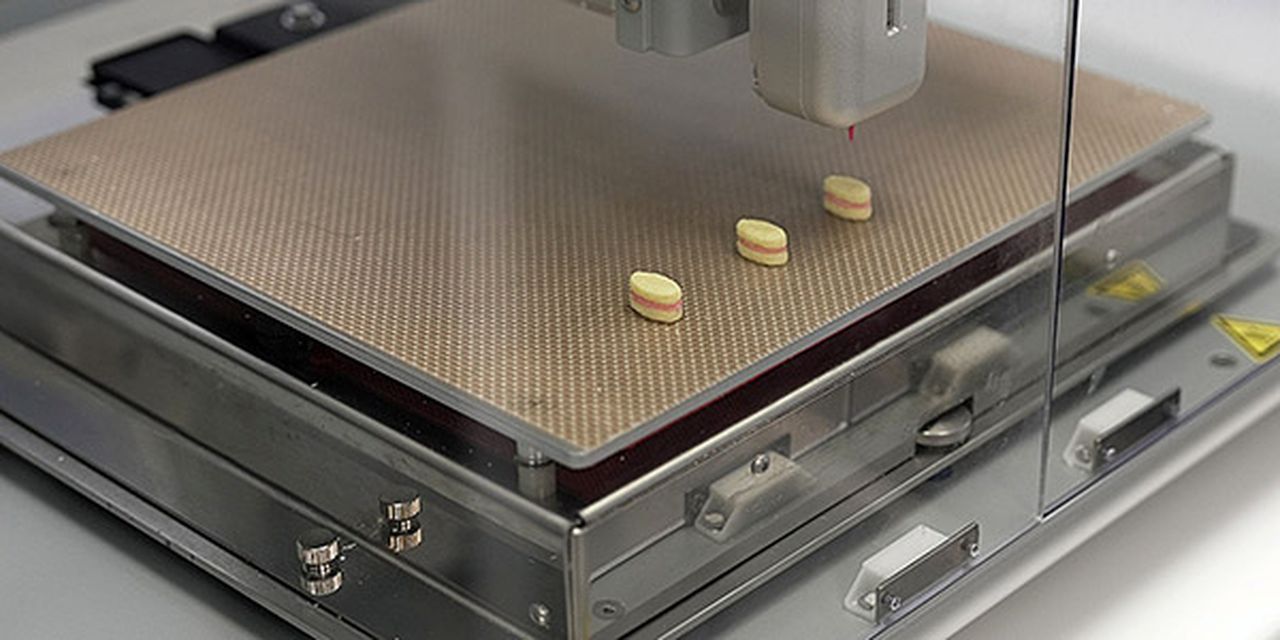
Gustave Roussy, of Paris, France: Europe’s leading oncology center marked International Childhood Cancer Day in February 2025 with a press release dedicated entirely to pharmaceutical 3D printing for pediatric patients, making it one of the most direct institutional endorsements of the technology to date. Since installing two 3D printers in 2021, Gustave Roussy has become the third hospital in the world to prescribe patients medicines printed in its own hospital pharmacy. A lead application has been in pediatric oncology: children with soft tissue sarcoma require a preventive antibiotic throughout chemotherapy, but the standard liquid formulation was so bitter that young patients frequently refused it. Hospital pharmacists used 3D printing to reformulate it as a menthol-flavored chewable gummy, changing the taste, texture, and form while preserving the dose.
Looking Ahead: From Clinical Pilots to Pharmacy Practice
The path forward for pharmaceutical 3D printing in pediatrics is less about technological breakthroughs and more about operational translation. Clinical pilots and hospital-based studies have already demonstrated that personalized, 3D printed medicines are feasible, safe, and clinically valuable. The next challenge is integrating these capabilities into everyday pharmacy practice, balancing customization with consistency, compliance, and cost control.
This transition demands sustained investment across several fronts: adapting printable formulations and validating production parameters; building workforce skills in digital workflows and equipment operation; establishing integrated quality-control and documentation processes; and demonstrating regulatory compliance with evolving pharmacy standards. Compounding pharmacies willing to undertake this groundwork should take advantage of the R&D tax credits described below.
The Research & Development Tax Credit
The now permanent Research and Development (R&D) Tax Credit is available for companies developing new or improved products, processes and/or software.
3D printing can help boost a company’s R&D Tax Credits. Wages for technical employees creating, testing and revising 3D printed prototypes can be included as a percentage of eligible time spent for the R&D Tax Credit. Similarly, when used as a method of improving a process, time spent integrating 3D printing hardware and software counts as an eligible activity. Lastly, when used for modeling and preproduction, the costs of filaments consumed during the development process may also be recovered.
Whether it is used for creating and testing prototypes or for final production, 3D printing is a strong indicator that R&D Credit-eligible activities are taking place. Companies implementing this technology at any point should consider taking advantage of R&D Tax Credits.
Conclusion
Pharmaceutical 3D printing is gradually redefining how personalized medicines can be produced at the pharmacy level. For compounding pharmacies serving children with complex or rare conditions, the technology offers a clear pathway to improve dose accuracy, formulation flexibility, and process consistency. Success will ultimately depend less on technological novelty and more on execution: thoughtful workflow integration, investment in training and quality control, and alignment with regulatory expectations. As these elements come together, pharmaceutical 3D printing has the potential to become a meaningful extension of modern compounding practice, helping specialty pharmacies bridge the gap between individualized clinical decisions and reliable, patient-ready medicines.