Charles R. Goulding and Preeti Sulibhavi continue to monitor how trade developments like the U.S.-Vietnam agreement shape the future of additive manufacturing, global logistics, and business innovation.
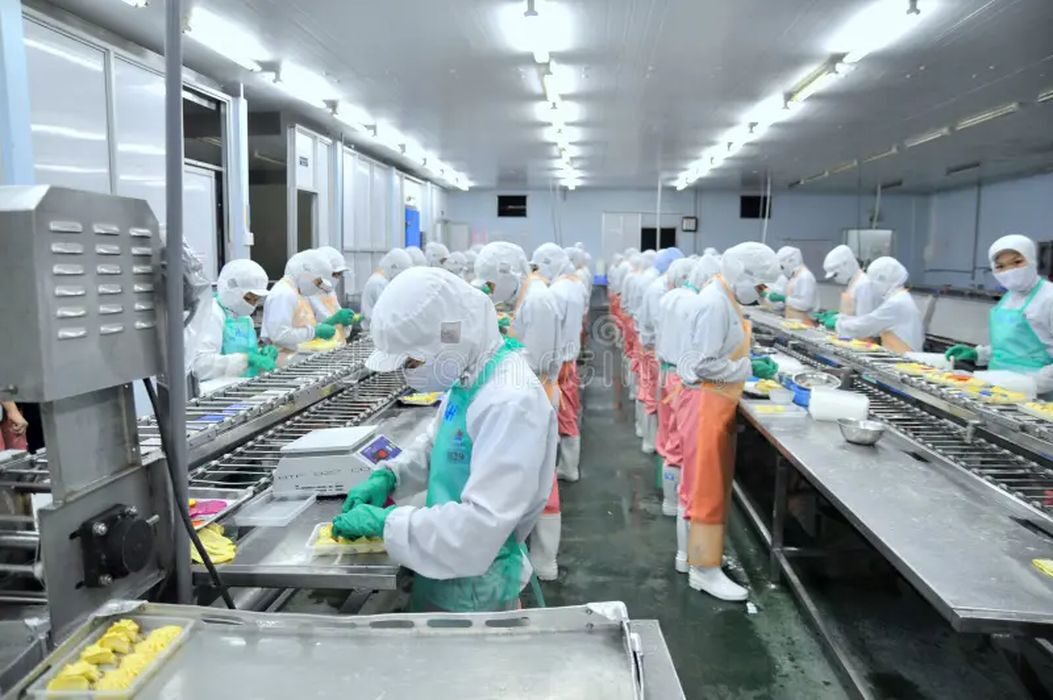
On July 2, 2025, former President Donald Trump announced a new trade agreement between the United States and Vietnam—one with significant implications for global supply chains, consumer goods, and the 3D printing industry. Vietnam, now the 10th-largest trading partner of the U.S., has risen rapidly over the past decade as a preferred manufacturing base—especially for apparel, footwear, bicycles, and electronics. Vietnam provided US$137 billion in U.S. imports, an increase of 19% from 2023.
The new deal lowers proposed U.S. import duties on Vietnamese goods from a threatened 46% to a more manageable 20%. This announcement comes as a relief to many American companies heavily dependent on Vietnamese manufacturing, particularly in the footwear, bicycle, and consumer electronics sectors.
While the full details of the agreement remain under wraps, early indications suggest this is a strategic recalibration rather than a reset. It reaffirms Vietnam’s growing importance as a manufacturing alternative to China—while putting new pressure on domestic manufacturers and 3D printing operations to rethink supply chains and tariff planning.
A Win for the Footwear Industry—With a 3D Printing Twist
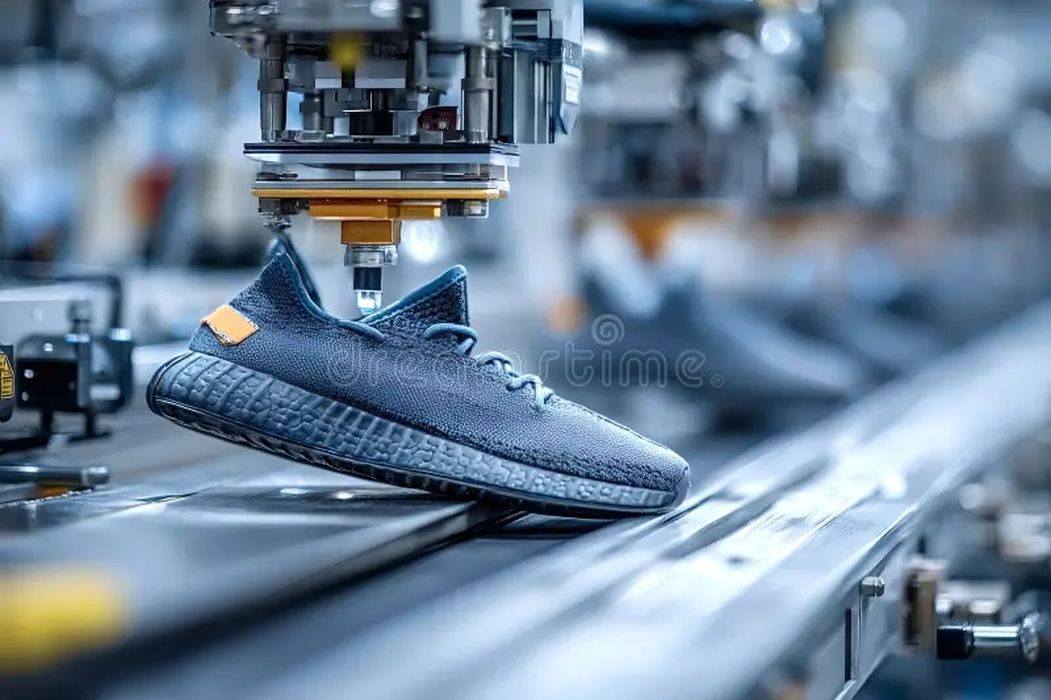
The footwear industry is one of the largest stakeholders in this deal. Vietnam has been the backbone of global sneaker manufacturing, supplying brands like Nike and Adidas with everything from soles to finished products. In fact, more than half of Nike’s global shoe production now originates in Vietnam. Adidas, too, has significantly scaled back Chinese manufacturing in favor of Vietnam’s more cost-efficient labor and more favorable regulatory environment.
A notable exception is New Balance, which continues to maintain significant U.S.-based manufacturing operations. The brand has made a point of producing a portion of its sneakers in its five American facilities, leveraging automation and—more recently—3D printing for custom components and midsoles. This commitment to domestic production could allow New Balance to avoid certain tariffs altogether and benefit from expanded R&D Tax Credits tied to U.S.-based innovation.
Still, for brands that rely on Vietnamese factories, the new trade deal helps them avoid what would have been a brutal 46% tariff hike. A 20% rate, while still impactful, is significantly more manageable—and it allows companies to keep pushing forward on integrating technologies like 3D printing for prototyping, custom insoles, and limited-run models within a mostly Vietnam-based production model.
Cracking Down on Transshipments: No More Loopholes
One major provision of the agreement is a clampdown on transshipments—goods that are manufactured in one country (often China) and then rerouted through Vietnam to avoid higher tariffs. These items will now face a 40% import duty, signaling a strong stance by U.S. customs against trade circumvention.
This provision sends a clear message: the U.S. wants genuine trade, not shell-game logistics.
As discussed in the recent Fashinnovation meeting, transshipments have long been a gray area in global commerce. But customs experts have consistently warned about the risks and scrutiny involved. Many have stated that transshipment enforcement is no longer theoretical—it’s active and aggressive.
Companies that use components sourced from multiple countries (e.g., soles from China, stitching in Vietnam) must now reassess how they document and justify origin claims. This is especially relevant for 3D printing operations that rely on globally sourced filaments, foams, and parts for hybrid production workflows.

Tariff-Free Exports for U.S. Goods: Autos, Bikes, and More
The trade deal is not one-sided. It reportedly opens the door to tariff-free exports of certain U.S. goods to Vietnam, including automobiles and select machinery. That’s big news for American automakers looking to expand in Southeast Asia—but it’s also important for smaller sectors like bicycles, which have quietly become one of Vietnam’s most dynamic export categories.
Vietnam is a major player in the bicycle manufacturing world, and many brands—including those experimenting with 3D printed frames, custom grips, and accessories—depend on Vietnamese factories. However, this ecosystem is fragile. As we outlined in our February 7,2022, Pedego article, building a bike today involves an intricate web of supply chains, with parts often coming from six or more countries.
These manufacturers now have to navigate new compliance rules while balancing innovation with cost and risk. 3D printing could play a growing role here, enabling regional U.S. operations to replace hard-to-trace imported parts with on-demand, locally printed alternatives.
Vietnam’s Rise: From China Alternative to Trade Powerhouse
Vietnam’s growing role in global trade didn’t happen overnight. For years, companies have looked to the country as a lower-cost, lower-risk alternative to China, especially as U.S.-China relations deteriorated. Vietnam has capitalized on this, investing in infrastructure, workforce training, and smart industrial policies that make it attractive for high-volume and specialized manufacturing alike.
As a result, Vietnam has become a hotbed for tech-enabled production. That includes everything from automated footwear lines to bicycle factories using additive manufacturing to optimize frame geometry and durability. With the new trade deal now in place, Vietnam is likely to double down on this model—focusing not just on labor cost, but on flexible manufacturing, digital tooling, and regional distribution efficiency.
3D Printing at the Crossroads
For the 3D printing industry, this agreement presents both opportunities and challenges.
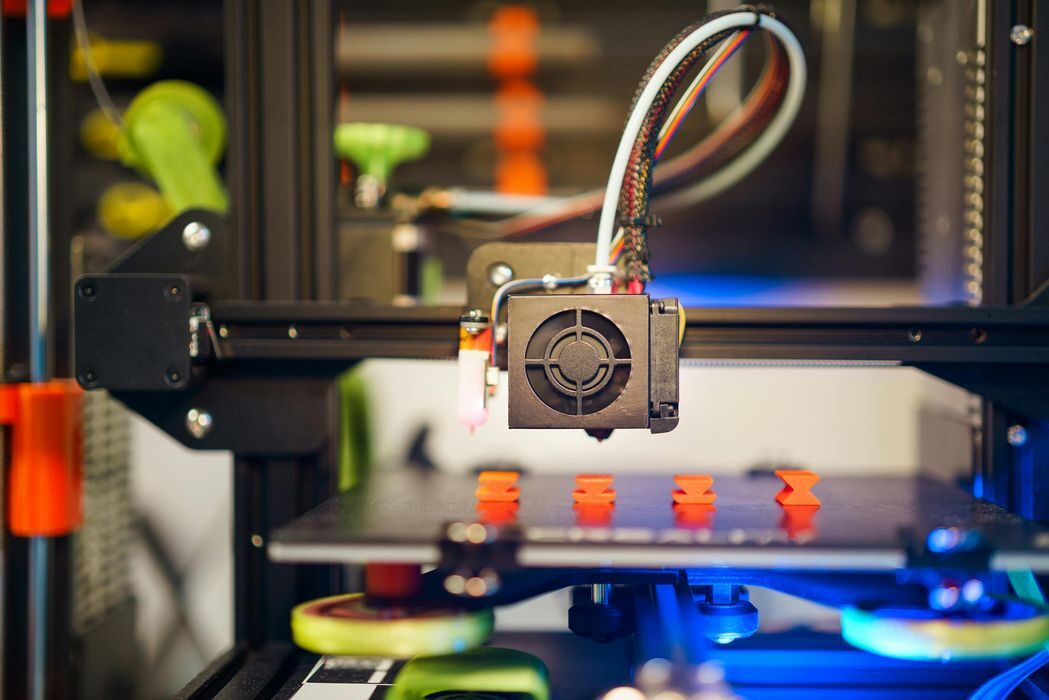
On one hand, domestic manufacturers may find new incentives to ramp up U.S.-based additive production to reduce exposure to even the lower 20% tariff. This could drive new investments in desktop and industrial printers, localized microfactories, and agile prototyping hubs.
On the other hand, Vietnam’s continued importance as a manufacturing center may push 3D printing firms to expand partnerships there—especially for large-scale production of consumer goods. Companies with hybrid 3D printing supply chain strategies will need to carefully assess component sourcing, machine installation logistics, and cross-border compliance.
Crucially, the use of 3D printing in both prototyping and final product manufacturing can also open doors to R&D Tax Credits. As we’ve previously highlighted, the IRS allows businesses to claim credits for the labor, software, and materials used in creating or improving products—even when additive manufacturing is just one step in the process. For U.S. businesses innovating at home while leveraging Vietnamese production, the opportunity is twofold: tax incentives here, tariff efficiencies there.
The Road Ahead: What We Don’t Know—Yet
At this juncture, the full terms of the Vietnam trade agreement have not been made public. And as always, the devil is in the details.
Key questions remain:
- Which product categories will qualify for the reduced 20% tariff?
- How will U.S. Customs enforce the transshipment crackdown?
- Will there be carve-outs or incentives for technology-enabled goods, like 3D-printed components or smart apparel?
- How will Vietnam’s own regulatory environment evolve in response to the agreement?
These unknowns will shape how companies recalibrate supply chains, invest in automation, and balance offshore efficiency with onshore agility.
The Research & Development Tax Credit
The now permanent Research and Development (R&D) Tax Credit is available for companies developing new or improved products, processes and/or software.
3D printing can help boost a company’s R&D Tax Credits. Wages for technical employees creating, testing and revising 3D printed prototypes are typically eligible expenses toward the R&D Tax Credit. Similarly, when used as a method of improving a process, time spent integrating 3D printing hardware and software can also be an eligible R&D expense. Lastly, when used for modeling and preproduction, the costs of filaments consumed during the development process may also be recovered.
Whether it is used for creating and testing prototypes or for final production, 3D printing is a great indicator that R&D Credit-eligible activities are taking place. Companies implementing this technology at any point should consider taking advantage of R&D Tax Credits.
A Turning Point for Trade and Tech
This new U.S.-Vietnam trade deal marks a pivotal moment—not just for tariff schedules, but for how industries like footwear, bicycles, and additive manufacturing structure their operations.
For companies like Nike and Adidas, it’s a relief. For domestic brands like New Balance, it’s a reminder that localized manufacturing has its advantages.
And for the 3D printing community, it’s a moment of reckoning.
As supply chains evolve, so too must the tools and technologies that power them. 3D printing isn’t just a workaround—it’s becoming a strategic necessity for speed, resilience, and control. Whether based in Boston, Ho Chi Minh City, or somewhere in between, manufacturers who can adapt quickly—especially using additive methods—will be the ones that thrive.