

Some 3D printer providers are setting up manufacturing operations in the US, but is this a good approach?
tariffs
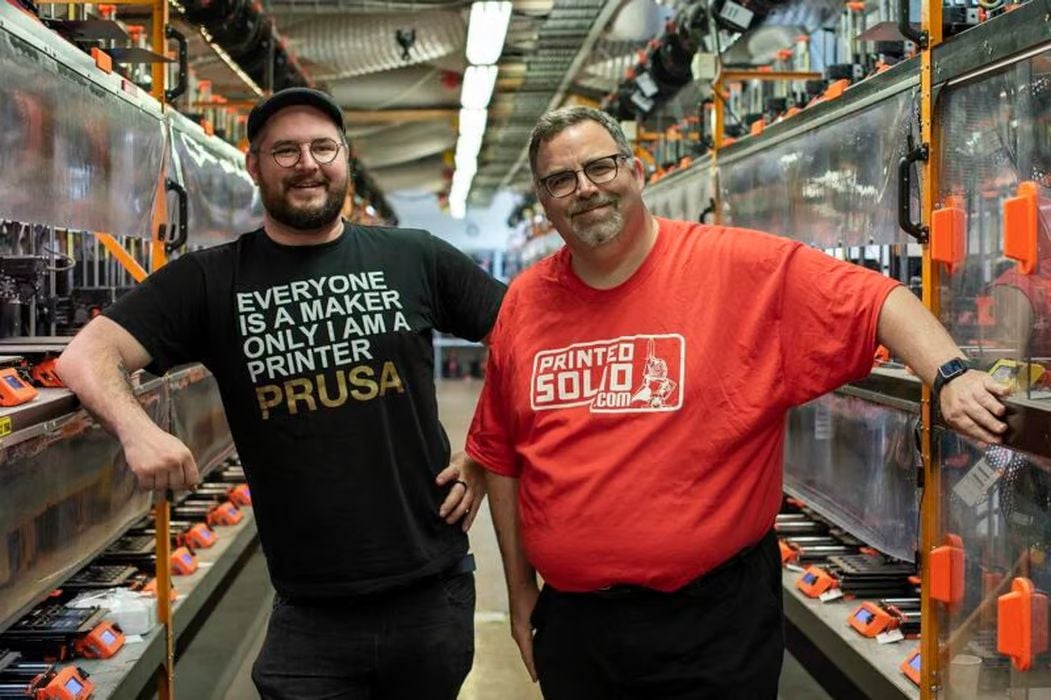
Leadership Transition at PrintedSolid Signals Deeper Integration with Prusa Research
Big changes are afoot at PrintedSolid.
Worthington Steel’s Proposed Acquisition of Klöckner and 3D Printing
Charles R. Goulding and Jacob Nolan analyze how additive manufacturing is helping Worthington Steel turn supply chain disruption and tariff risk into a strategic edge rather than a liability.

Escalating EU–US Trade Tensions May Create New Tariff Risks for 3D Printer Imports
There could be more tariff problems for US-based 3D printer operators.

Major Corporate Move: DJI Makes Huge Investment in Elegoo
In what could be one of the biggest corporate moves in 3D printing this year, DJI has apparently invested in Elegoo.
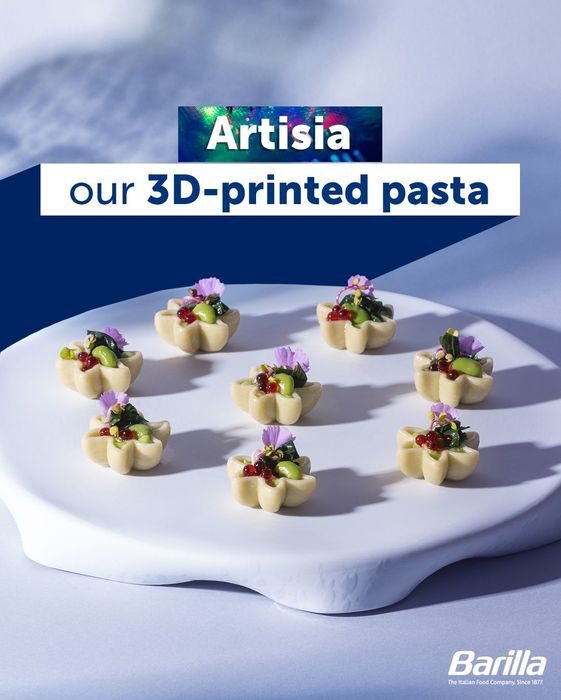
Tariff Shock in Pasta: Can 3D Printing Keep Italian Brands on American Tables?
Charles R. Goulding and Preeti Sulibhavi reveal how a pinch of 3D printing might be the secret ingredient Italy’s pasta makers need to beat America’s 107% tariff bite.
FCC Crackdown on China-Based Certification Labs Could Cause Delays for 3D Printers and Other Electronics
There’s another possible reason for 3D printer sales delays in the US.

From Tariffs to Customization: Why 3D Printing Matters for Kitchen Cabinets
Charles R. Goulding and Andressa Bonafe unpack the role 3D printing can play in light of recent tariffs and consumer trends related to kitchen cabinets.

US Tariff Laws Leave Few Options for Duty-Free 3D Printer Imports — Except in Rare Cases
Is it possible to avoid US tariffs when importing a 3D printer?

U.S. Commerce Department Survey Raises Questions About Future Restrictions on Imported 3D Printers
A US Department of Commerce survey suggests there could be troubles for non-US 3D printers in the future.

EU Medical Device Tariffs and 3D Printing: A New Strategic Imperative
Charles R. Goulding and Preeti Sulibhavi examine how new U.S. tariffs on EU medical devices could raise patient costs—but also open the door for America’s 3D printing expertise to lead the next wave of MedTech innovation.
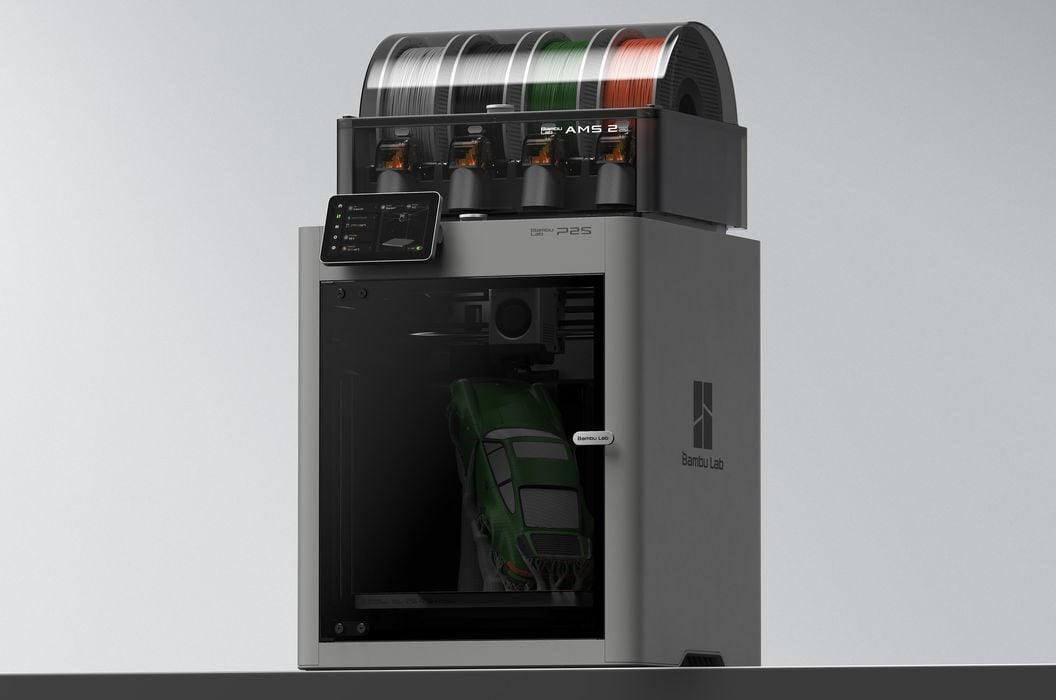
Bambu Lab Officially Launches P2S 3D Printer With AI Detection, Servo Extruder, and Adaptive Cooling
As expected, Bambu Lab announced the P2S desktop 3D printer.

Potential Furniture Tariffs and 3D Printing
Charles R. Goulding and Preeti Sulibhavi unpack the winners, losers, and consumer costs of the administration’s latest trade move.

DJI Developments Might Foreshadow Future 3D Printer Regulations
A quiet development with DJI has some implications for Asian 3D printer manufacturers.
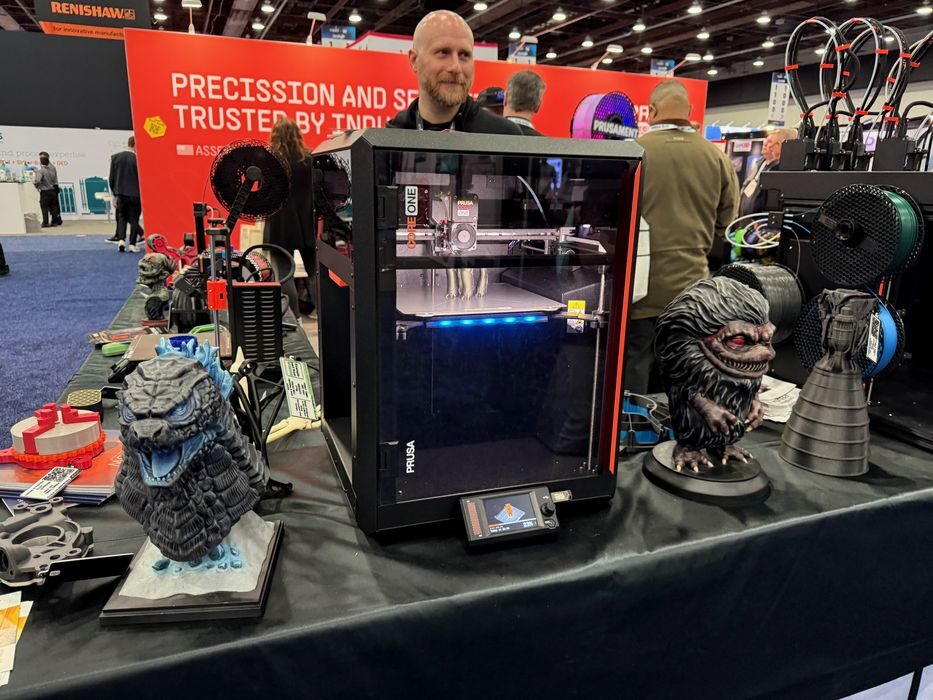
Managing 3D Printer Tariffs: Assembly Workarounds, Surprise Shipping Fees, Buyer Impact
Tariffs continue to mess up purchasing for US residents. The blanket imposition of a series of tariffs on non-US goods in recent months has made quite a bit of a mess for all concerned, including those purchasing desktop 3D printers. The issue is that the vast majority of desktop 3D printers used in the US… Continue reading Managing 3D Printer Tariffs: Assembly Workarounds, Surprise Shipping Fees, Buyer Impact
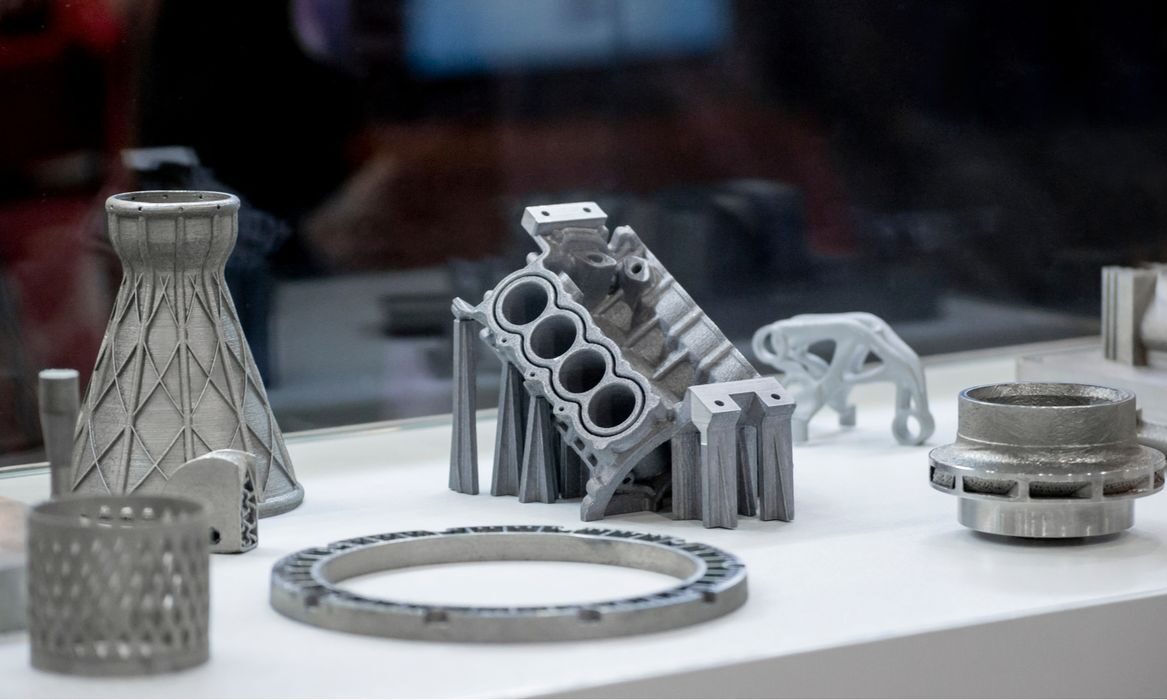
Why Tariffs Could Be the Tipping Point for Industrial 3D Printing Adoption
Charles R. Goulding and Preeti Sulibhavi explain how newly imposed 15–20 percent tariffs are reshaping global manufacturing strategies and why 3D printing is uniquely positioned to help companies reduce costs, reshore production, and gain resilience.
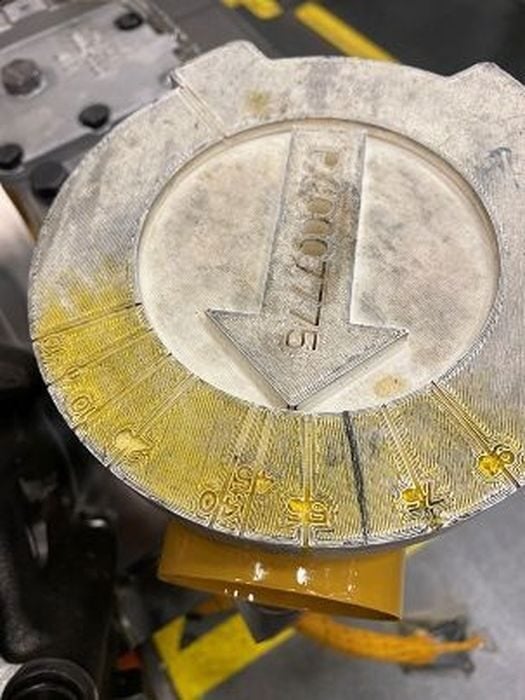
From Tariff Turmoil to Additive Advantage: Caterpillar’s 3D Printing Push
Charles R. Goulding and Preeti Sulibhavi reveal how Caterpillar’s US$1.5 billion tariff exposure is accelerating its 3D printing strategy to localize production, cut costs, and safeguard supply-chain resilience.

The U.S.–Philippines Agreement: Tariffs, Nuclear Energy, and the Role of 3D Printing
In this article, Charles Goulding and Anthony Palumbo examine the evolving U.S.–Philippines partnership, focusing on the 2025 trade-tariff agreement, expanding nuclear energy collaboration, and the growing role of additive manufacturing in supporting next-genertion reactor deployment.

Nickel Deals and 3D Dreams: Indonesia’s Strategy for Industrial Dominance
Charles R. Goulding and Kate Esposito explore how Indonesia’s bold downstreaming policy and trade deal with the U.S. are accelerating its transformation into a global hub for nickel, copper, and 3D printing innovation.

Levi Strauss & Co.: How the Iconic American Company Continues to Flourish Almost 200 Years After its Inception
Charles R. Goulding and Kate Esposito explain how Levi Strauss & Co. is beating tariff pressure with smart tech, sharp strategy, and a denim game stronger than ever.
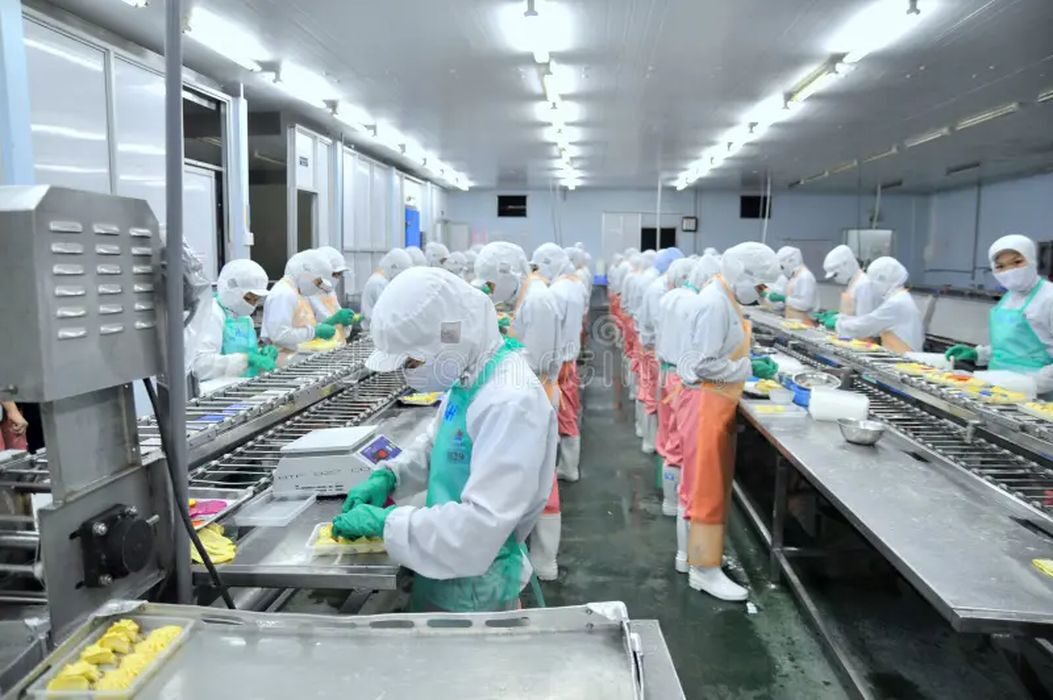
From Hanoi to Hard Hats: How the U.S.–Vietnam Trade Deal Supercharges 3D Printing Innovation
Charles R. Goulding and Preeti Sulibhavi continue to monitor how trade developments like the U.S.-Vietnam agreement shape the future of additive manufacturing, global logistics, and business innovation.

U.S.–Korea Trade Deal: A Game-Changer for 3D Printing in the Korean Industry
Charles R. Goulding and Preeti Sulibhavi study how the newly signed U.S.–Korea trade treaty unlocks major opportunities for Korean manufacturers like Hyundai, Hanwha, and Samsung to bypass import tariffs by leveraging their 3D printing capabilities in the U.S.

Forged in Tariffs: How 3D Printing Is Reinventing the Appliance Industry
In this article, Charles Goulding and Anthony Palumbo examine the Trump administration’s 2025 steel tariffs on imported appliance components, their effect on manufacturers and retailers, and how housing market trends are reshaping appliance demand, all while emphasizing additive manufacturing as a key to domestic supply resilience.

From Runway to Reshoring: How Fashion Leaders Are Tackling Tariffs
Charles R. Goulding and Ryan Donley explain how top fashion minds—from UNTUCKit to CargoTrans—are reshaping U.S. import strategies and boosting innovation with 3D printing and R&D tax credits.
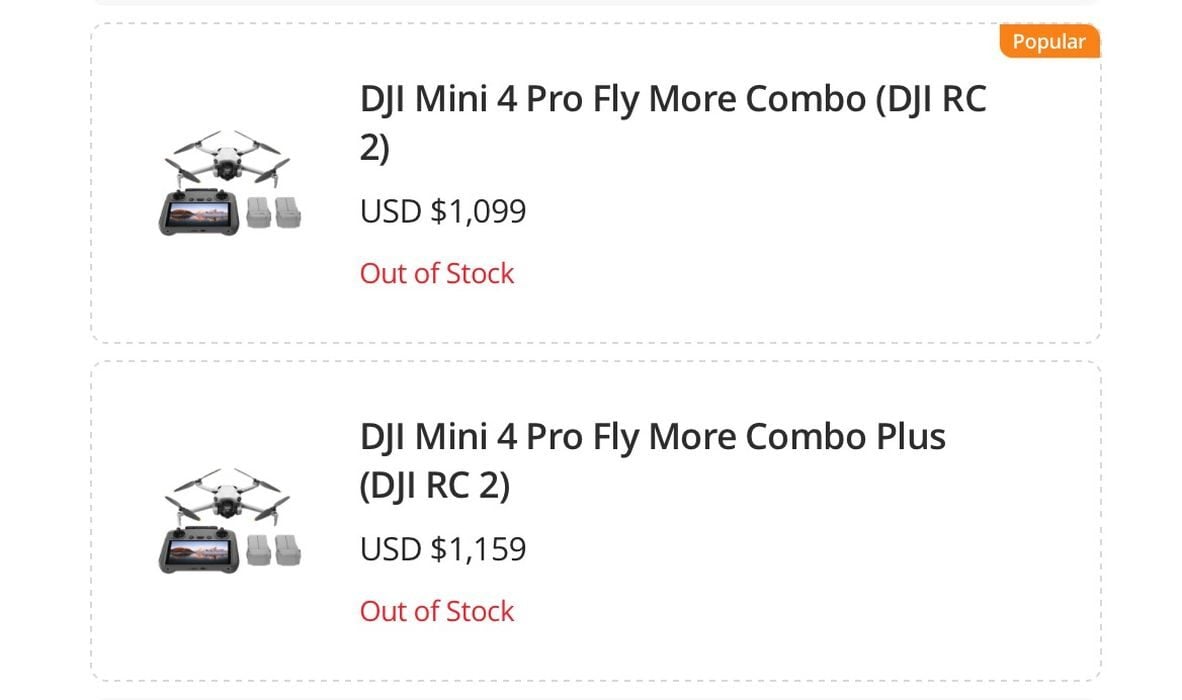
DJI Drone Sales Disrupted in U.S. Amid Tariff and Regulatory Pressure: Will Bambu Lab Be Next?
Something very strange is happening to DJI, and I’m wondering if Bambu Lab may follow.
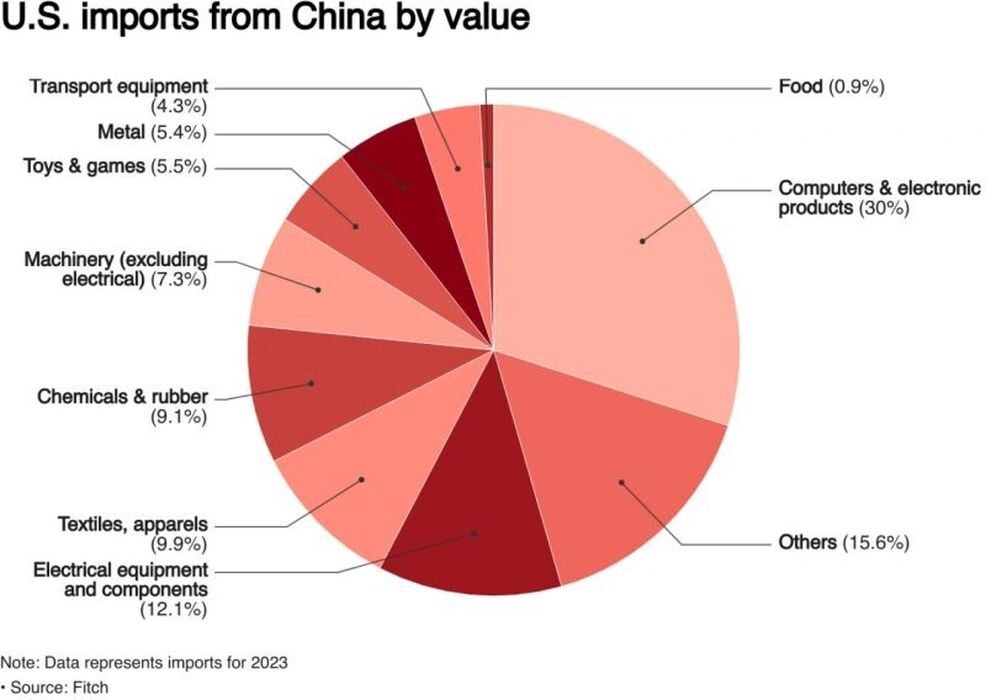
Game, Set, Print: 3D Printing’s Surprising Role in Sporting Goods and Beyond
Charles R. Goulding and Preeti Sulibhavi uncover how 3D printing is transforming U.S. industries — from sports gear to medical devices — by slashing reliance on imports and unlocking fresh innovation.

The Data-Driven Revolution in 3D Printing
Charles R. Goulding and Preeti Sulibhavi underscore how advanced databases—from trade flows to digital twins—are turning 3D printing into a proactive, data-powered engine for growth.
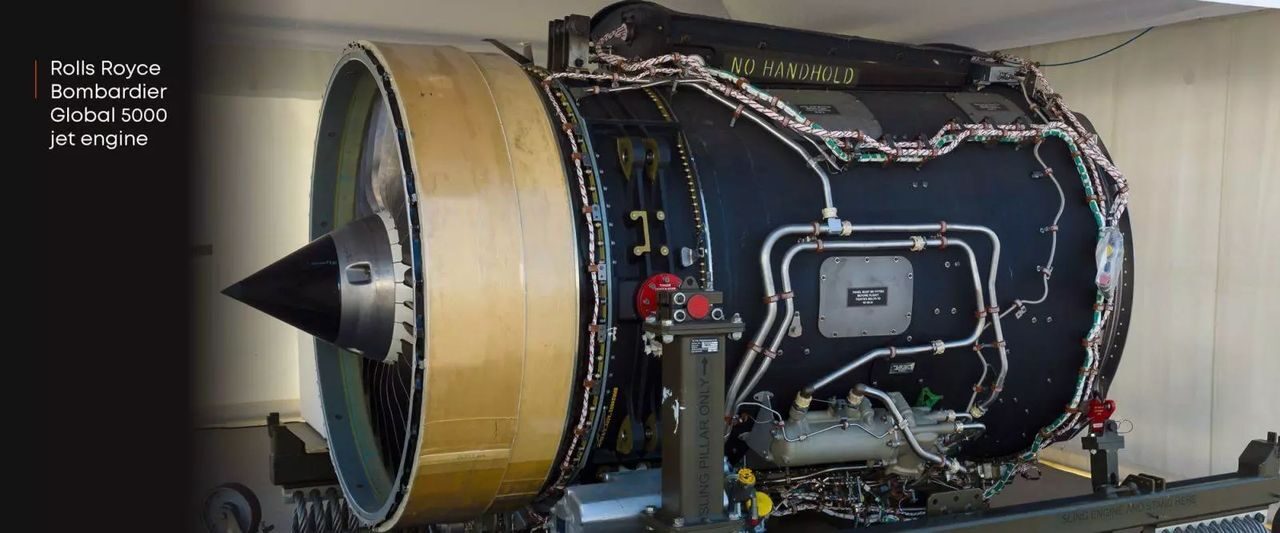
From Tariffs to Takeoff: Why the New Trade Agreement Is a Game-Changer for UK Manufacturing
British Airways
Beyond the direct impacts of the new UK-US trade agreement on aerospace manufacturers like BAE Systems, Rolls-Royce, and Renishaw, the broader aerospace has recently seen significant investment. International Airlines Group (IAG), the parent company of British Airways has made a deal to expand its fleet by purchasing 32 new Boeing planes valued at nearly $13 billion, while also adding 21 Airbus planes for its other airlines, Aer Lingus and Iberia, in a deal worth nearly $8 billion. Furthermore, IAG exercise an option from a previous order to buy an additional 12 aircraft from Airbus and 6 from Boeing, bringing their total order to 71 planes. These large-scale investments in new aircraft from major US and European manufacturers highlight the recent growth in the global aviation market as a result of the new UK-US trade agreement.
British Airways is also exploring innovative technologies to enhance operations and sustainability through the potential use of 3D printers to create aircraft parts in the future. The initiative to place these printers at airports globally is driven by the desire to reduce customer delays caused by waiting for replacement parts and decrease emissions caused by transporting these parts around the world. British Airways predicts to use 3D printing for cabin parts such as tray tables, seats, and in-flight entertainment screens, which, although not critical for flight safety, can cause significant flight delays if unavailable for passenger use. A key benefit to using 3D printing for these parts is sustainability, as 3D printed parts can be made significantly lighter compared to being produced through traditional methods. These 3D printed parts can be significantly lighter, weighing up to 55% less than traditional components, with every kilogram saved reducing up to 25 tons of CO2 emissions during the lifespan of an aircraft. Ricardo Vidal, Head of Innovation at British Airways, views 3D printing technology as more important than ever for a sustainable future, a seamless travel experience, and helping British Airways stay at the forefront of airline innovation.
Jaguar Land Rover
Beyond the aerospace industry, the automotive sector, represented by major UK players like Jaguar Land Rover (JLR), is also leveraging advanced techniques such as 3D printing. With British car exports now eligible for a lower 10% tariff in the US (up to 100,000 vehicles annually), JLR has renewed incentive to optimize and reduce time-to-market. Their investment in Stratasy’s Objet500 Connex 3D printer has become integral to that goal through its resin-based rapid prototyping capabilities. The multi-material printer allows JLR to create models with both flexible and rigid properties directly from CAD data, enabling the production of working mechanisms and reducing production cycles. The company’s design studio and engineering teams rely on these capabilities for fit and function testing, styling refinements and human-machine interface components like key fobs and control switches. One example of this is printing a complete, working facia air vent assembly for a Range Rover Sport, combining rigid materials for housing and blades with rubber-like materials for knobs and seals into a single process that was fully functional right off the machine. More than 2,500 parts have been produced on the Connex system, demonstrating both its reliability and centrality to JLR’s prototyping workflow. As automotive competition intensifies, and sustainability targets grow more urgent, JLR’s use of AM helps reduce development cycles and supports light, more efficient designs – giving them a strategic edge in both performance and trade competitiveness.
The Research & Development Tax Credit
The now permanent Research and Development (R&D) Tax Credit is available for companies developing new or improved products, processes and/or software.
3D printing can help boost a company’s R&D Tax Credits. Wages for technical employees creating, testing and revising 3D printed prototypes are typically eligible expenses toward the R&D Tax Credit. Similarly, when used as a method of improving a process, time spent integrating 3D printing hardware and software can also be an eligible R&D expense. Lastly, when used for modeling and preproduction, the costs of filaments consumed during the development process may also be recovered.
Whether it is used for creating and testing prototypes or for final production, 3D printing is a great indicator that R&D Credit-eligible activities are taking place. Companies implementing this technology at any point should consider taking advantage of R&D Tax Credits.
Conclusion
As the US and UK reshape their trade relationship with the recent trade agreement, both the aerospace and automotive industries emerge as major beneficiaries. The easing of tariffs and enhanced cooperation unlock new opportunities for British manufacturers – whether it’s BAE Systems, Rolls-Royce, or Renishaw driving forward next-generation aerospace innovation, or Jaguar Land Rover accelerating prototyping and design through AM. Even airlines like British Airways are investing in 3D printing to streamline operations and reduce emissions, signaling the wider industrial shift toward sustainable, tech-driven growth. By removing trade barriers and fostering transatlantic collaboration, the agreement ignites Britian’s industrial base and strengths its global competitiveness in defense and advanced manufacturing.

FAME 3D Launches LulzBot Direct, Expanding Into On-Demand 3D Printing Services
FAME 3D announced a new 3D print service: LulzBot Direct.

Australian Cold Spray Specialist Titomic Establishes U.S. Base and Strengthens Defense Focus
Titomic has taken another step into the United States.
46% Tariff, 100% Innovation: Vietnam’s Response to Rising Trade Tensions
Charles R. Goulding and Preeti Sulibhavi discuss how Global companies in Vietnam are turning to 3D printing and R&D tax credits to offset new tariffs and stay ahead in the manufacturing game.
Tariffs Fail to Narrow Cost Gap as China-Based 3D Print Services Undercut U.S. Providers
Tariffs recently imposed by multiple countries are making it more challenging to obtain parts.

Tariff Uncertainty and Shipping Policy Changes Complicate 3D Printer Imports into the U.S.
There are going to be issues for US-based individuals ordering a 3D printer from overseas.
From Imports to Innovation: The Auto Industry’s 3D Printing Pivot
Charles R. Goulding and Preeti Sulibhavi break down how new tariffs and tech are reshaping the auto supply chain.

Rapid+TCT 2025 Highlights Shifting Priorities and Economic Pressures in 3D Printing
Last week, our team attended the Rapid+TCT event in Detroit to see the latest 3D printing equipment and software.
From Tariffs to Tech: How BlueScope is Using 3D Printing to Stay Ahead
Charles R. Goulding and Preeti Sulibhavi expain how BlueScope is leveraging 3D printing technology to innovate, reduce costs, and navigate the challenges posed by U.S. steel tariffs.

Tariff-Proof and Tech-Forward: Why These U.S. Manufacturers Should Double Down on 3D Printing
Charles R. Goulding and Preeti Sulibhavi explain how Trane, JCI, Eaton, and Acuity Brands can leverage their domestic manufacturing edge and invest further in 3D printing to outpace competitors in a tariff-laden market.

How Potential Tariffs on Chinese Imports Could Reshape the 3D Printing Market
There’s been a lot of talk lately about tariffs, but what might they mean in the desktop 3D printing world?
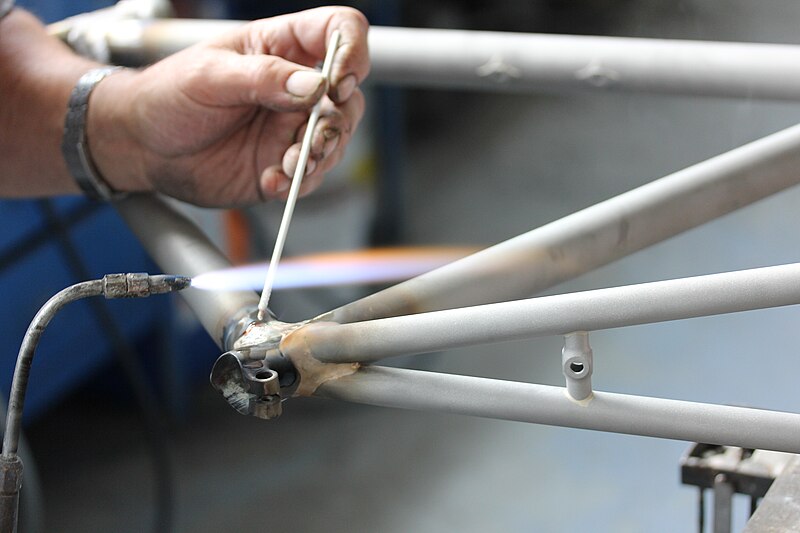
Tariffs and Bicycles: Making Things More “Agile” With Domestic 3D Printing
Peter Saenz investigates the transformative forces of tariffs, advanced manufacturing, and supply chain transparency, revealing how they could drive a new era of U.S. bicycle production.

Tariffs, Tech, and Transformation: How Biden’s Policies Shape U.S. Clean Energy and 3D Printing
Charles R. Goulding and Preeti Sulibhavi drill into how the Biden administration’s tariffs on Chinese clean tech materials are reshaping U.S. industrial policy and creating new opportunities for 3D printing innovation.
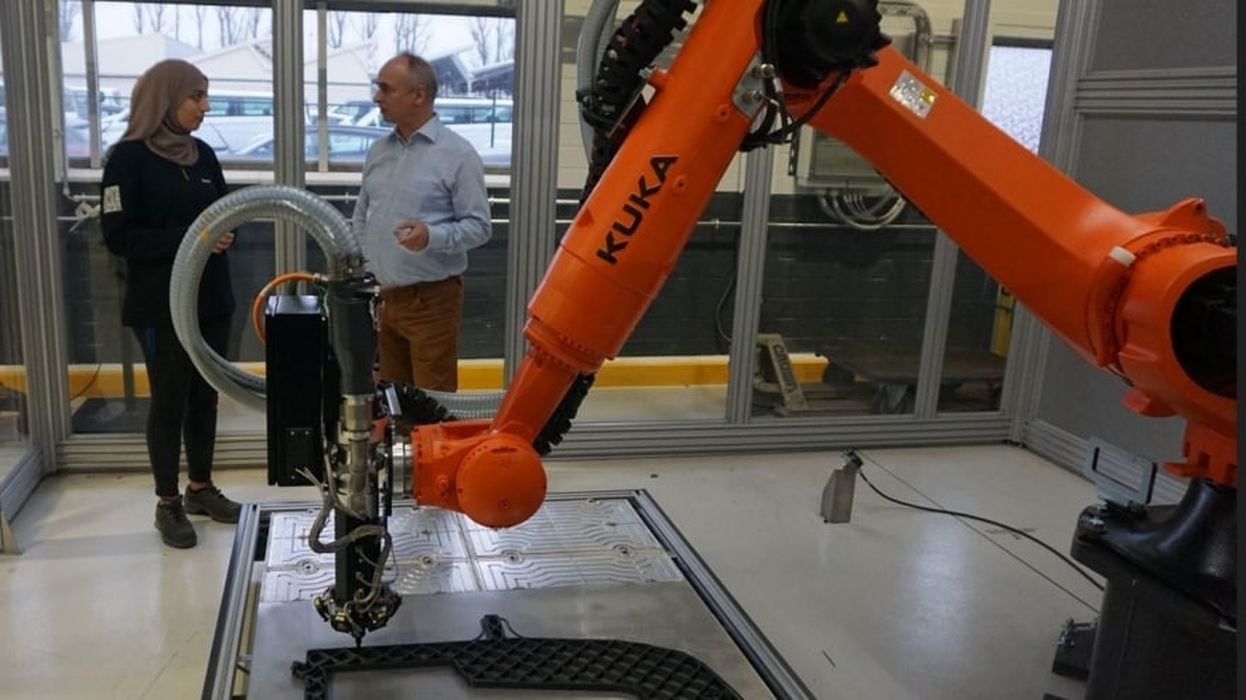
Navigating Tariffs and Tech: 3D Printing’s Role in Automotive Transformation
Charles R. Goulding and Preeti Sulibhavi examine how 3D printing helps automakers tackle economic pressures, trade challenges, and sustainability goals while revolutionizing production and design processes.
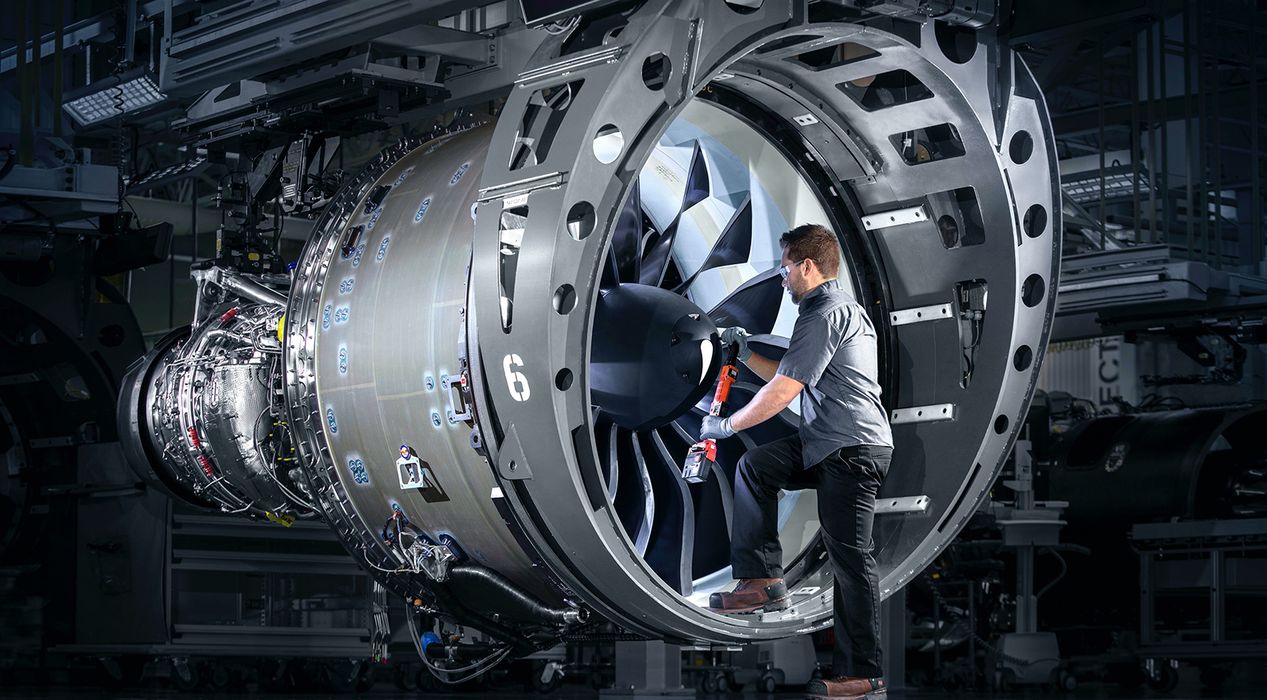
The Pentagon’s Secret Weapon: 3D Printing and Its Role in National Security
Charles R. Goulding and Preeti Sulibhavi explore how 3D printing is revolutionizing U.S. defense manufacturing, reducing reliance on Chinese imports, and unlocking new opportunities for innovation and security.
Tariffs, Retail, and the Rise of 3D Printing: A New Era for Supply Chains
Charles R. Goulding and Preeti Sulibhavi highlight the game-changing potential of additive manufacturing for retailers grappling with rising costs from China tariffs.

Toying with Change: How 3D Printing is Shaping the Future of Play
Charles R. Goulding and Preeti Sulibhavi discuss how U.S. toy companies are redesigning strategies, diversifying supply chains, and embracing 3D printing to overcome economic uncertainties.

From Imports to Innovation: Stanley Black & Decker’s Leap into 3D Printing
Charles R. Goulding and Preeti Sulibhavi explore how Stanley Black & Decker and other manufacturers can leverage 3D printing to cut costs, streamline supply chains, and capitalize on R&D Tax Credits amid tariff challenges.

Steve Madden Steps Into the Future: 3D Printing and the Shift From China
Charles R. Goulding and Preeti Sulibhavi explore how Steve Madden is leveraging cutting-edge 3D printing to adapt to potential tariff impacts and transform its manufacturing strategy.

From Tariffs to Innovation: The US$1.33 Billion Merger Transforming PPE
Charles R. Goulding and Preeti Sulibhavi explain how the transformative Honeywell-PIP merger leverages 3D printing to tackle supply chain challenges, drive innovation, and lead the PPE industry into the future.

India’s New Economic Shift: The Rise of 3D Printing in Electronics and Innovation
Charles R. Goulding and Preeti Sulibhavi consider how India’s 2024-2025 budget, with reduced tariffs on 3D printing materials, is poised to revolutionize manufacturing and electronics, making India a key player in global innovation.
New Trade Policies: Unleashing the Potential of 3D Printing in the U.S.
Charles R. Goulding and Preeti Sulibhavi discover how the latest U.S. tariff policies are driving innovation and growth in the 3D printing industry, reshaping the future of American manufacturing.
Chinese Drone Tariff Planning and the Role of 3D Printing in U.S. Security
Charles R. Goulding and Preeti Sulibhavi explore how 3D printing is transforming drone manufacturing and how Chinese drone tariff planning is influencing the global drone industry.

The Boeing-Airbus Truce And 3D Printing
Charles R. Goulding considers potential 3D printing-related implications of a major aerospace competitive truce.
US Firms Request Tariff Exemptions For 3D Printers
According to a report on Reuters, industry groups have requested tariff exemptions for a variety of tech tools, including 3D printers.
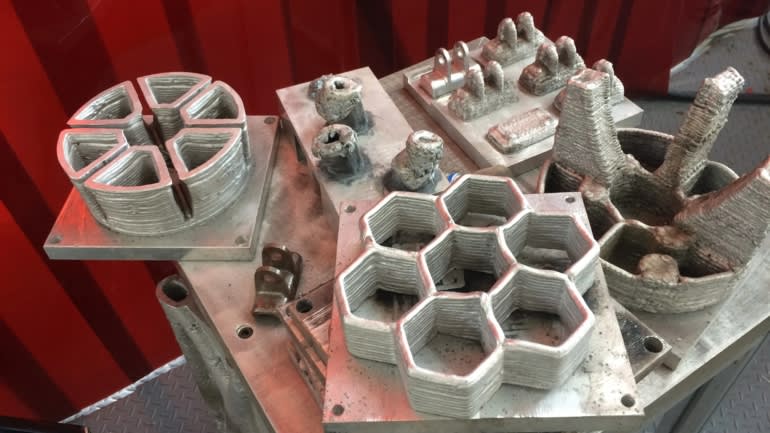
Realizing 3D Printing’s Opportunities In The Face Of Trade Wars
Global trade and increasing tariffs are major topics of discussion these days — and 3D printing is increasingly a part of that conversation.
10,000 Tariff Exemption Applications vs. 3D Printing
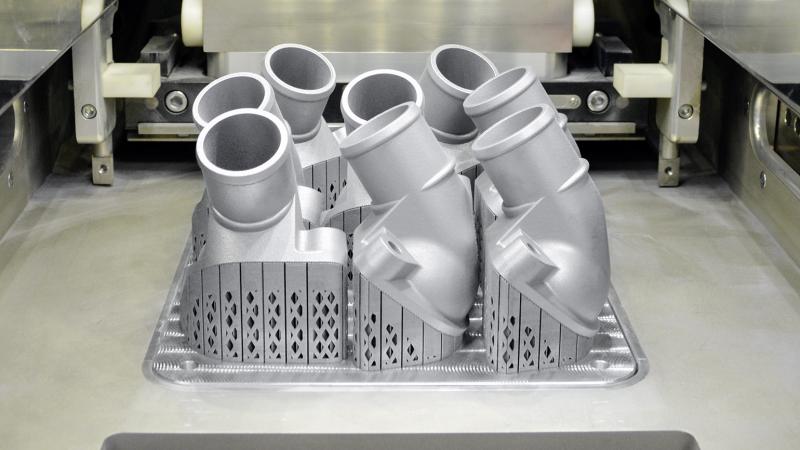
Charles Goulding and Peter Favata of R&D Tax Savers discuss the place of 3D printing in the face of tariff exemptions.
Can 3D Printing Overcome New Tariffs For Overseas Products?
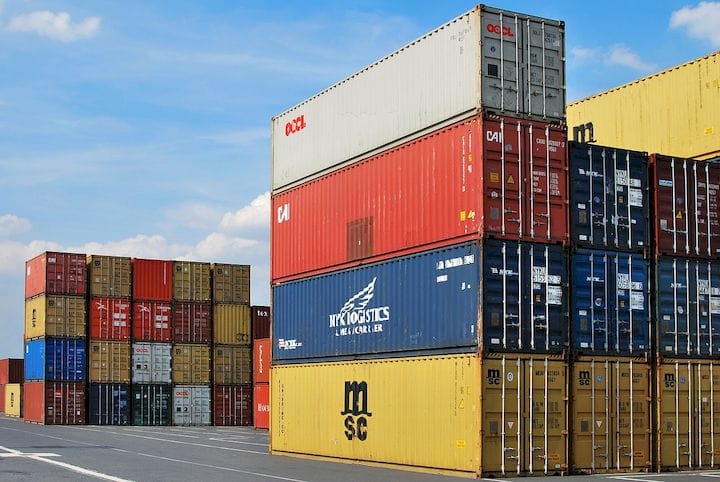
Tariffs have raised the prices of overseas parts. Could 3D printing be used to locally print equivalent parts? We investigate.
Vietnam and 3D Printing Supply Chain Alternatives
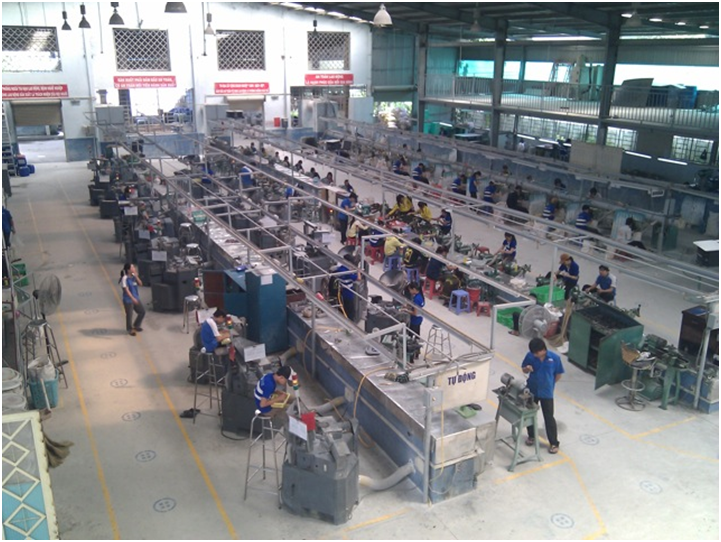
Cameron Torti and Charles Goulding of R&D Tax Savers examine the potential supply chain impact of 3D printing in Vietnam.
U.S. China Tariffs Provide New 3D Printing Business Opportunities
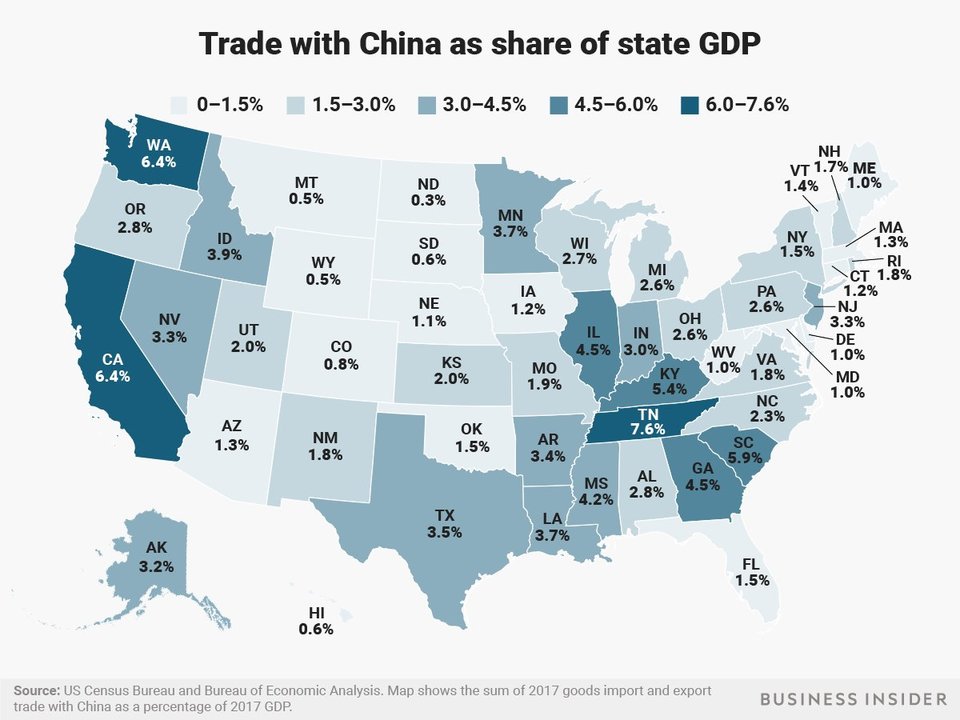
Charles Goulding and Andressa Bonafe from R&D Tax Savers discuss US/China trade tariffs and opportunities for 3D printing.