
Charles R. Goulding and Jacob T. Nolan reveal how Nikon is transforming from a camera giant into a major force in industrial-scale additive manufacturing.
Nikon’s Precision Legacy Expands into 3D Printing
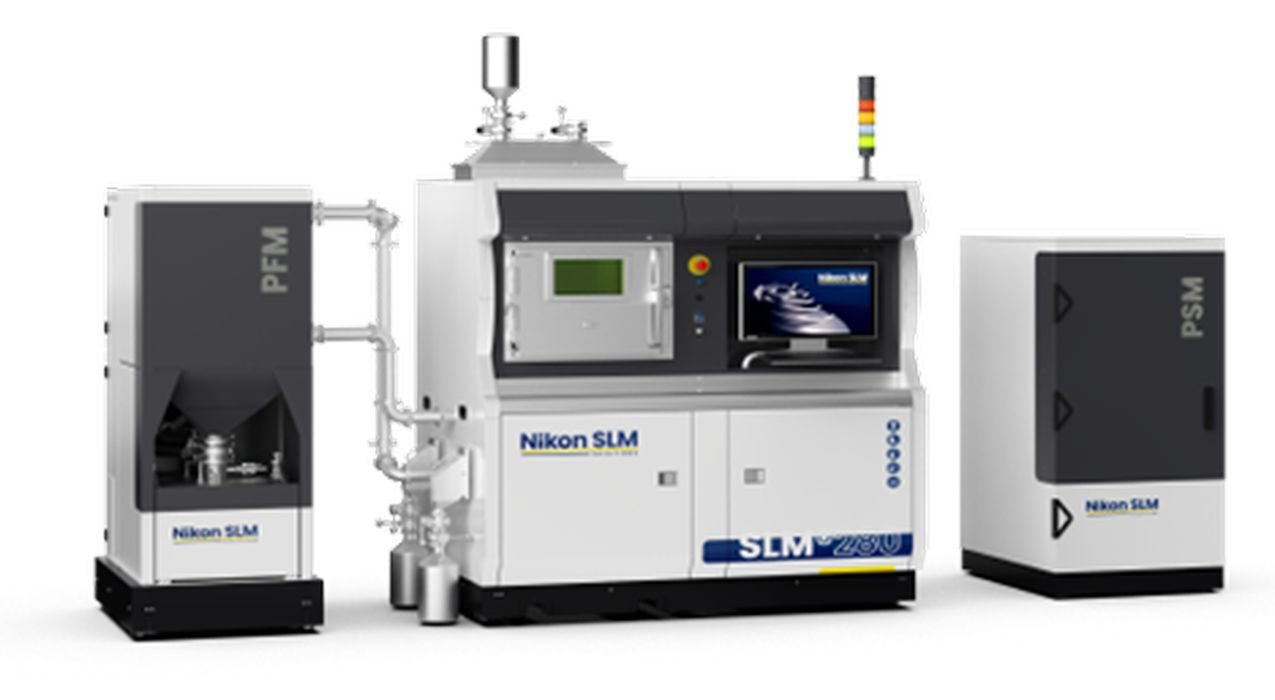
Nikon, known worldwide for its iconic cameras and imaging systems, is making a major shift into a very different kind of precision work: 3D printing. In recent years, Nikon has doubled down on additive manufacturing, acquiring a controlling stake in metal 3D printing leader SLM Solutions and investing heavily in its Advanced Manufacturing Center in Japan. This isn’t just diversification. Nikon is building a new business foundation centered on industrial-scale metal additive manufacturing, aiming to transform the way critical parts are made across aerospace, automotive, and energy sectors.
With Nikon’s experience in optics, metrology, and high-precision manufacturing, the transition into 3D printing was strategic. Their advanced 3D metal printers can fabricate dense, high-performance parts that are impossible to produce using traditional subtractive methods. Nikon’s goal is not only to sell machines but to offer complete ecosystems, including in-process monitoring, inspection, and digital workflow integration, to help customers scale up prototypes to full production with speed and accuracy.
Rocketdyne Partners with Nikon to Propel Aerospace Additive
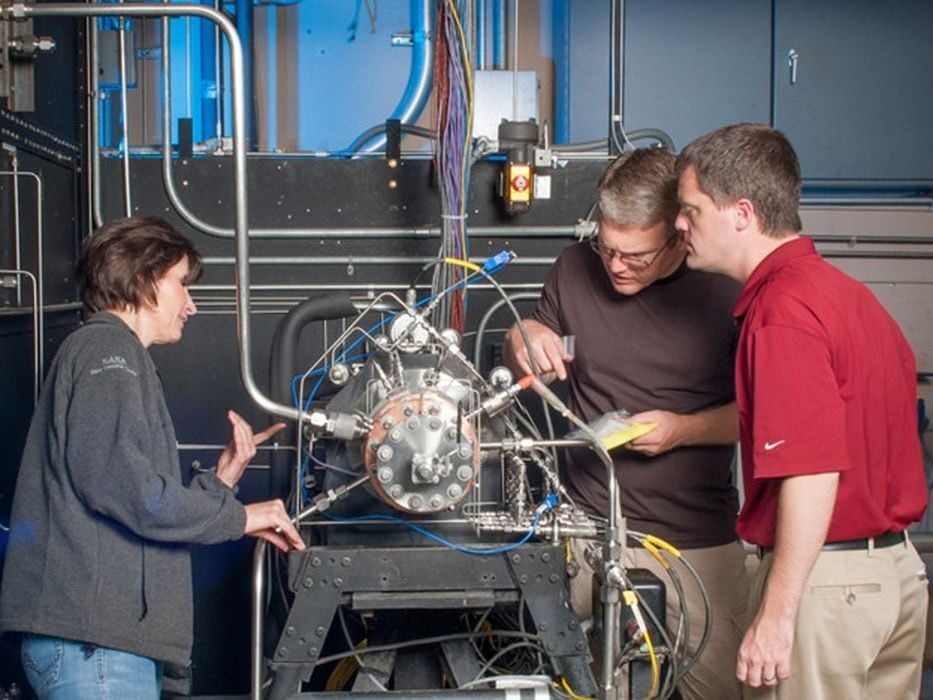
A standout example of Nikon’s impact in the 3D space is its collaboration with Rocketdyne, an emerging company in aerospace propulsion. Rocketdyne has embraced Nikon’s metal additive systems to manufacture critical rocket components such as nozzles, injectors, and combustion chambers. These parts are exposed to extreme conditions like high heat, pressure, and stress, making them ideal candidates for metal additive manufacturing, where part consolidation, internal cooling channels, and lightweight geometries can significantly improve performance.
By using Nikon’s technology, Rocketdyne has reduced manufacturing lead times while eliminating multiple assembly steps that traditionally require welding or brazing. The ability to print these parts as single monolithic structures improves reliability and reduces failure points. Nikon’s quality control systems further enhance this by offering real-time monitoring during the build, ensuring that aerospace-grade standards are maintained from the first layer to the last.
Automotive Giants like Honda and Hyundai Tap into Additive Power
While Nikon’s aerospace partnerships make headlines; the auto industry is also seeing major shifts thanks to additive manufacturing. Both Honda and Hyundai have begun using 3D printing not only for rapid prototyping but also for tooling, fixtures, and production-grade parts. Additives allow these manufacturers to produce custom tools quickly, iterate design elements faster, and explore innovative geometries for EV components that prioritize weight savings and thermal efficiency.
Honda has been developing 3D printed jigs and end-use parts that are lighter and more customizable than traditional alternatives. Hyundai, meanwhile, has taken steps to integrate additive into the design of battery housings and cooling systems for its electric vehicles, areas where performance and precision are vital. These advancements reduce design cycles and bring parts to market faster, helping automakers keep pace in an increasingly competitive EV landscape.
Building the Future: Nikon’s Additive Manufacturing Ecosystem
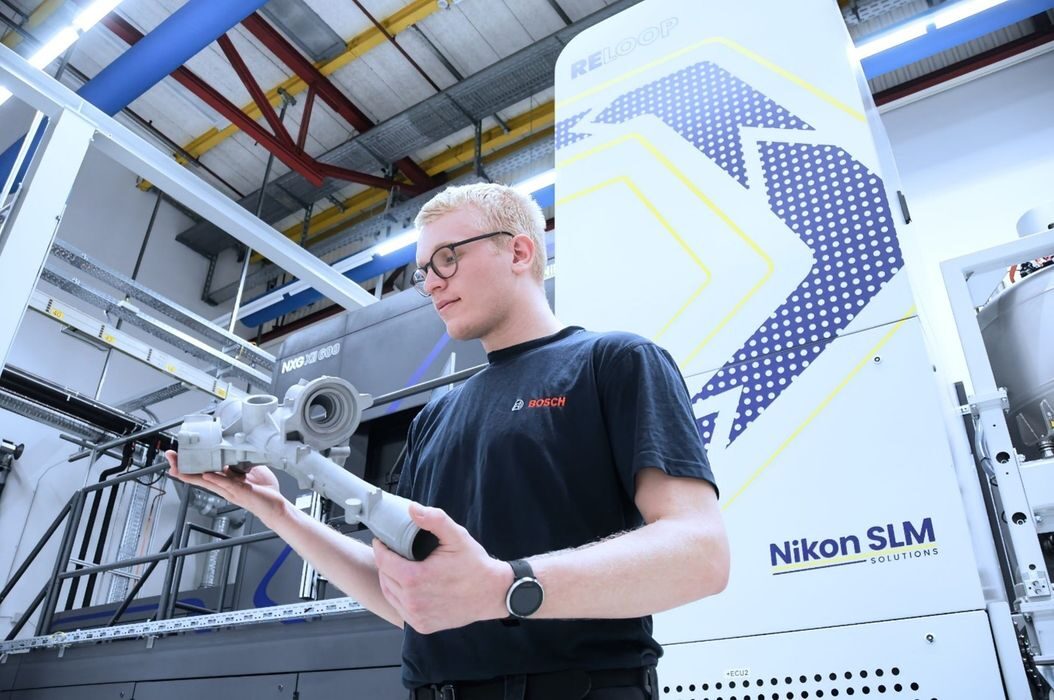
What ties these efforts together is Nikon’s bigger vision to establish a comprehensive additive manufacturing platform that supports industries from aerospace to automotive and beyond. Nikon is investing in more than machines. Its Advanced Manufacturing Center brings together design optimization, AI-powered monitoring, and optical inspection, offering customers an end-to-end solution that prioritizes speed, traceability, and precision.
This approach enables companies like Rocketdyne, Honda, and Hyundai to scale additive projects beyond the lab. Nikon’s focus on system integration means fewer variables, better part consistency, and smoother transitions into production. As demand grows for low-volume, high-complexity parts in aerospace and EVs, Nikon’s vertically integrated strategy positions it as a leader in industrial-scale additive manufacturing.
Nikon Expands Global Reach with JAXA Collaboration and New U.S. Subsidiary
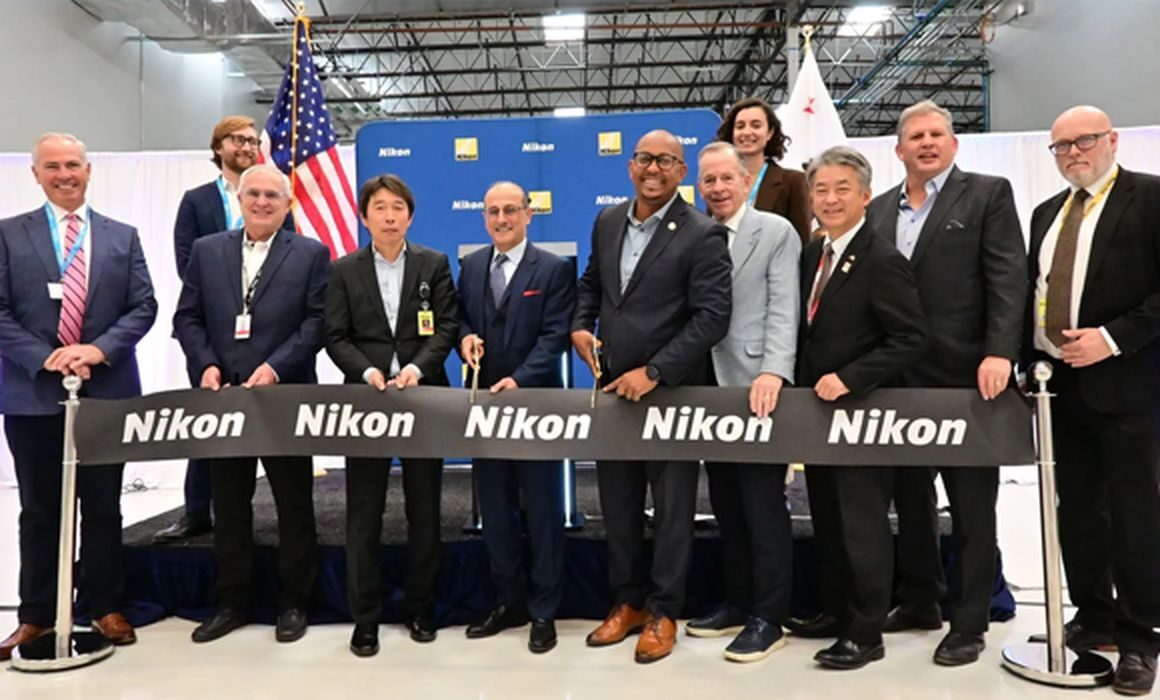
In early 2025, Nikon took a significant leap in expanding its additive manufacturing operations by launching Nikon Advanced Manufacturing Inc., a new subsidiary based in California. This U.S. arm is designed to drive Nikon’s industrial 3D printing presence in North America, offering localized support, development, and integration services. But this move wasn’t made in isolation it follows a landmark collaboration with the Japan Aerospace Exploration Agency (JAXA), where Nikon’s metal 3D printing systems were put to the test in space-grade applications. The joint research validated Nikon’s ability to produce highly complex components that meet the extreme standards required for aerospace environments, including resistance to high heat, pressure, and mechanical stress.
Using advanced monitoring systems, precision optics, and real-time feedback loops, Nikon’s additive solutions achieved consistent build quality across aerospace-critical geometries. These technologies, now proven in JAXA-led trials, are being transferred into commercial offerings, particularly through Nikon’s new U.S. subsidiary. This connection between space research and industrial application highlights Nikon’s dual-track approach: advancing scientific credibility while delivering scalable, production-ready systems. With facilities like the Advanced Manufacturing Center in Japan and now a physical presence in North America, Nikon is laying the groundwork to become a global powerhouse in additive manufacturing, capable of serving clients from aerospace labs to EV assembly lines with unmatched precision.
The Research & Development Tax Credit
The now permanent Research & Development Tax Credit (R&D) Tax Credit is available for companies developing new or improved products, processes and/or software.
3D printing can help boost a company’s R&D Tax Credits. Wages for technical employees creating, testing and revising 3D printed prototypes can be included as a percentage of the eligible time spent on the R&D Tax Credit. Similarly, when used as a method of improving a process, time spent integrating 3D printing hardware and software counts as an eligible activity. Lastly, when used for modeling and preproduction, the costs of filaments consumed during the development process may also be recovered.
Whether it is used for creating and testing prototypes or for final production, 3D printing is a great indicator that R&D Credit eligible activities are taking place. Companies implementing this technology at any point should consider taking advantage of R&D Tax Credits.
Conclusion
Nikon’s entry into 3D printing signals a powerful evolution from camera lenses to aerospace nozzles and EV components. By combining its heritage in precision engineering with a forward-looking investment in additive manufacturing, Nikon is helping reshape how parts are made and how fast industries can innovate. From Rocketdyne’s rocket engines to Hyundai’s electric vehicle platforms, Nikon’s additive technology is quietly powering a manufacturing revolution.