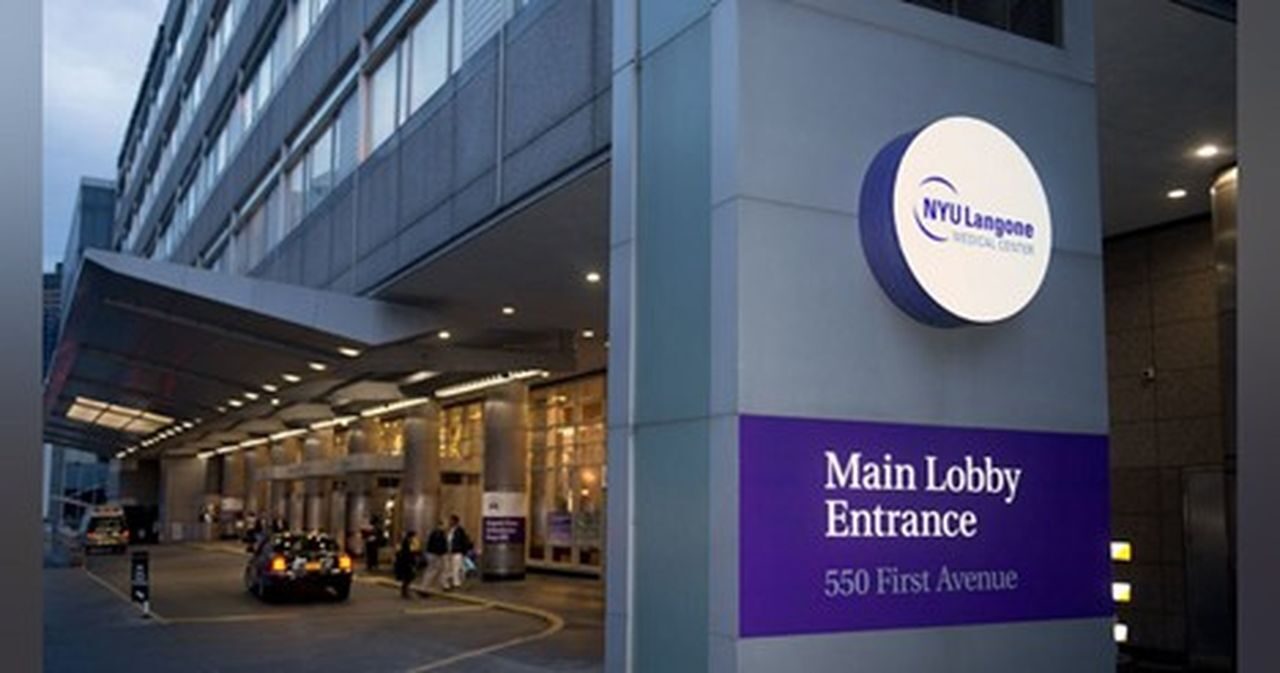
Charles R. Goulding and Kate Esposito delve into how NYU Langone is reshaping New York City’s medical innovation landscape through cutting-edge research centers, 3D printing advancements, and programs empowering the next generation of healthcare entrepreneurs.
Introduction: NYU Langone Fostering Breakthroughs
In the past, New York City lagged behind other medical innovation sectors such as Boston and San Diego due to a lack of laboratory space needed to work on curative technology. However, in recent years, NYU Langone has made significant progress towards building wet lab facilities to foster groundbreaking research, in addition to experimenting with additive manufacturing technology to revolutionize the medical field. Furthermore, their Entrepreneurial Institute cultivates young talent, gifting grants to students who develop promising breakthroughs to support emerging health startups. NYU Langone is in the midst of a transformation, becoming a major player in healthcare advancements.
Wet Lab Facilities and Research Centers Stimulate Innovation
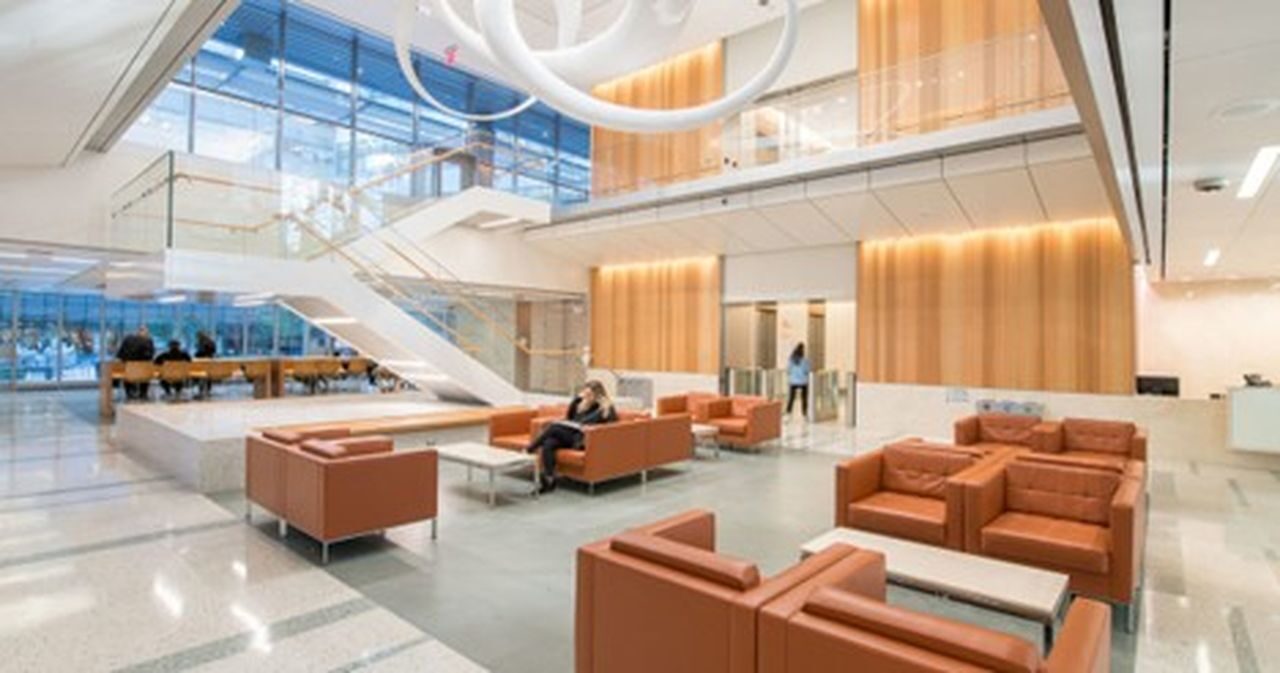
Recognizing that New York City was lacking in pioneering medical buildings, NYU Langone launched a 10-year campus transformation project, which aimed to create world-class integrated academic health centers to enable growth and modernization. As part of the project, research buildings were upgraded and new science hubs were constructed. These facilities have provided space for scientists to conduct groundbreaking studies, helping NYU Langone increase its presence in the medical innovation industry. Other companies and programs have also made efforts to advance New York City’s presence in the life science clusters, from Mayor Eric Adams to Mark Zuckerberg.
The Joan and Joel Smilow Research Center was built in 2006 and recently refurbished as part of the transformation project. It offers 13 stories of wet lab space equipped with the latest instruments and technologies, which are crucial for medical advancements. The center is dedicated to translational research in many fields, including biochemistry, pathology, dermatology, cancer biology, and radiation oncology. It houses over 40 multidisciplinary health teams, serving as the main development space for NYU Langone’s Perlmutter Cancer Center.
In 2018, NYU Langone opened its Science Building, a high-performance research facility featuring 365,000 square feet and 10 stories of wet laboratory space. The investigation rooms are flexibly designed and modularly planned, capable of being customized to certain standards. Lab benches are entirely modular and can be easily relocated, while all power and gases are supplied by cords hanging from the ceiling. The building is connected via walkways and green spaces to the entire campus, bringing together researchers previously scattered across the property and neighboring areas.
NYU Langone partnered with BioLabs New York to create BioLabs@NYULangone, a 50,000 square foot lab space equipped with cutting edge technology and research equipment. In addition to their US$8 million investment, Langone and BioLabs received a US$5 million grant from the New York City Economic Development Corporation to bring the lab to life. There are 22 companies currently on site, with space for up to 35. The lab also features business support and acceleration programming to help startups reach their milestones faster.
Following NYU Langone’s lead, in 2022 Mayor Eric Adams and Governor Kathy Hochul announced the Science Park and Research Campus (SPARC) Kips Bay, a first-of-its-kind job and education center meant to help New York City become a global leader in medical innovation. The campus features 750 health care and life sciences businesses, 5 medical institutions, and 11 institutions of higher education, providing more than 44,000 jobs. SPARC Kips Bay is conveniently located near the NYU Langone Science Building and the NYU Langone Medical Center, providing easy access to cutting-edge medical technology and research equipment.
The Chan Zuckerberg Initiative has introduced Biohubs, advanced centers for technological and medical innovation meant to develop revolutionary technologies, located in New York, Chicago, and San Francisco. CZ Biohub New York is currently testing ways to utilize the natural capabilities of immune cells to recognize and fix cellular abnormalities, along with bioengineering them to treat irregularities before diseases form. This groundbreaking work is greatly helping New York City emerge as a leading power within the life sciences sector.
Experimentation With Additive Manufacturing Technologies
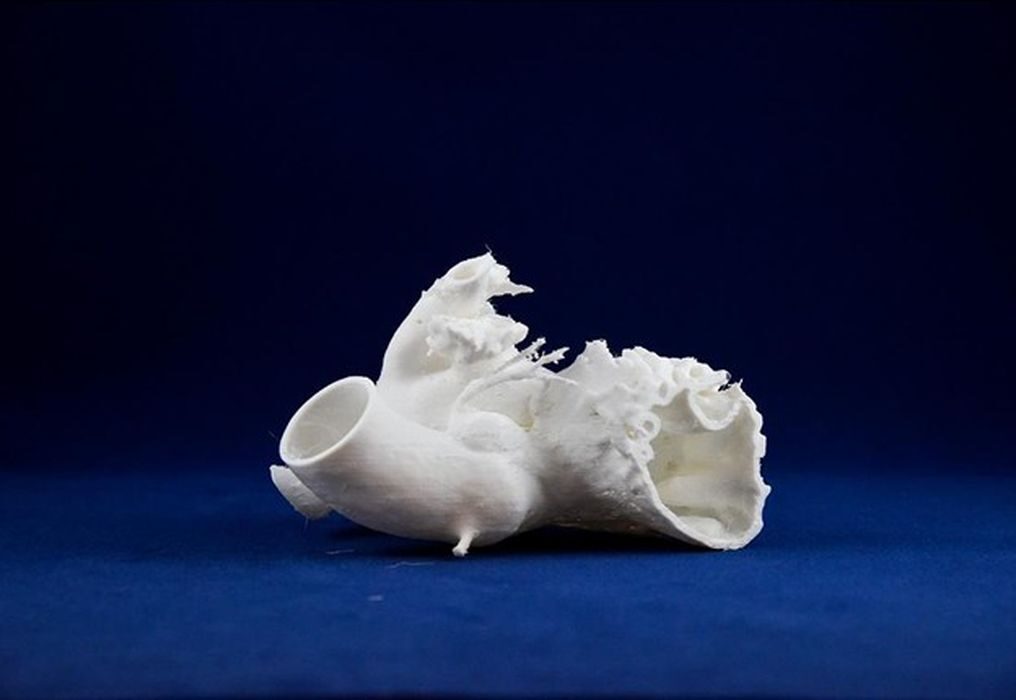
In addition to building cutting-edge research centers and wet lab facilities, NYU Langone has introduced 3D printing technology to advance New York City’s health sector. At the Sid and Ruth Lapidus Health Sciences Library, a 3D Printing Service enables students and providers to gain practical experience and insight into their studies. There is a focus on additive manufacturing in relation to medicine, especially when combined with model and prototype development. Anatomically correct body parts, such as feet, torsos, or hearts, are often 3D printed to help students better understand and study the human body. The service currently consists of three 3D printers: a Formlabs Form 2 resin printer, an Ultimaker 3 Extended, and an Ultimaker S5.
NYU Langone has utilized 3D printing for help in times of crisis. During the Covid-19 pandemic, there was a widespread shortage of personal protective equipment (PPE), which NYU Langone staff members desperately needed. Working with NYU LaGuardia Studio and Stratasys, the team was able to 3D print PPE that met all guidelines and sterility requirements. The equipment was printed to the exact specifications of Langone healthcare professionals, ensuring that the parts were useful and usable. In the midst of the pandemic, this technology enabled healthcare professionals to bypass the PPE shortage and continue working, helping to save many lives.
Langone also collaborated with LaGuardia Studio to 3D print a hyperportable, low-cost Stroke Detection Unit. This technology is revolutionary because it is capable of immediately diagnosing a stroke as caused either by sudden loss of blood flow (ischemic) or the rupture of brain vessels (hemorrhagic). Previously, strokes could only be diagnosed using a CT scan or MRI, meaning patients would have to waste crucial time travelling to a medical center. The detection unit functions by placing patients on a mobile, transportable gurney with a 3D printed helmet component attached to it. Once the helmet is placed on the patient, it scans for signs of an ischemic or hemorrhagic stroke, determining which type occurred. This technology could potentially transform emergency medicine, especially as additive manufacturing continues to expand and improve.
Additive manufacturing has also been implemented during complex surgical procedures. In 2021, NYU Langone surgeons were tasked with completing the first-ever double hand and face transplant. Prior to the surgery, anatomical models were 3D printed to better help the surgeons visualize the procedure and make suitable decisions before entering the operating room. 3D printed surgical guides were used to improve precision and accuracy, making the surgery faster and more cost-effective by reducing the number of incisions and instruments needed. Personalized implants were 3D printed to ensure that the surgeons matched the patient’s specific anatomy and needs, ensuring a better quality of life. In total, 180 parts were 3D printed for the surgery, which was successfully completed in a record time of 23 hours.
NYU Langone Investing in Rising Young Talent
Langone has implemented many programs to help current students develop potentially groundbreaking technologies and innovations. Most recently, the medical center introduced its new MedTech Pipeline, which has med students, residents, and fellows identify real-world clinical problems before developing prototypes and devices to solve them. The program lasts nine months and ends with three teams pitching ideas to a panel of NYU chairs, entrepreneurs, and healthcare venture capitalists for the chance to win a US$25,000 grant. The MedTech Pipeline is unlike other programs because it places students directly in charge of the innovative process, rather than subjecting them to consultative roles. This program is a great way to both help students train their skills and develop potentially life-saving technology.
In 2010, NYU launched the Tech Venture Program, a three-part curriculum meant to teach students how to test the commercial viability of their research, select the appropriate market, and receive funding for their ideas. The program consists of the Tech Venture Workshop, the NSF I-Corps, and the Tech Venture Accelerator. As students complete each stage of the program, they move forward in the process of making their products market-ready and appealing to potential investors. NYU Langone supplies their students with all the tools necessary to achieve success in medical school and beyond.
The Research & Development Tax Credit
The now permanent Research and Development (R&D) Tax Credit is available for companies developing new or improved products, processes and/or software.
3D printing can help boost a company’s R&D Tax Credits. Wages for technical employees creating, testing and revising 3D printed prototypes are typically eligible expenses toward the R&D Tax Credit. Similarly, when used as a method of improving a process, time spent integrating 3D printing hardware and software can also be an eligible R&D expense. Last, when used for modeling and preproduction, the costs of filaments consumed during the development process may also be recovered.
Whether it is used for creating and testing prototypes or for final production, 3D printing is a great indicator that R&D Credit-eligible activities are taking place. Companies implementing this technology at any point should consider taking advantage of R&D Tax Credits.
Conclusion: Making New York City the Center of Medical Innovation
Through their construction of advanced wet lab and research facilities, implementation of additive manufacturing, and creation of programs to aid promising students, NYU Langone is taking the necessary steps to help New York City compete with the innovation hubs of Boston and San Diego. The city is ready to move into the future of medical technology, and Langone is greatly helping to initiate this transformation.