
The 3D print industry could be facing material shortages.
Why so? It all has to do with the ongoing conflict in the Gulf.
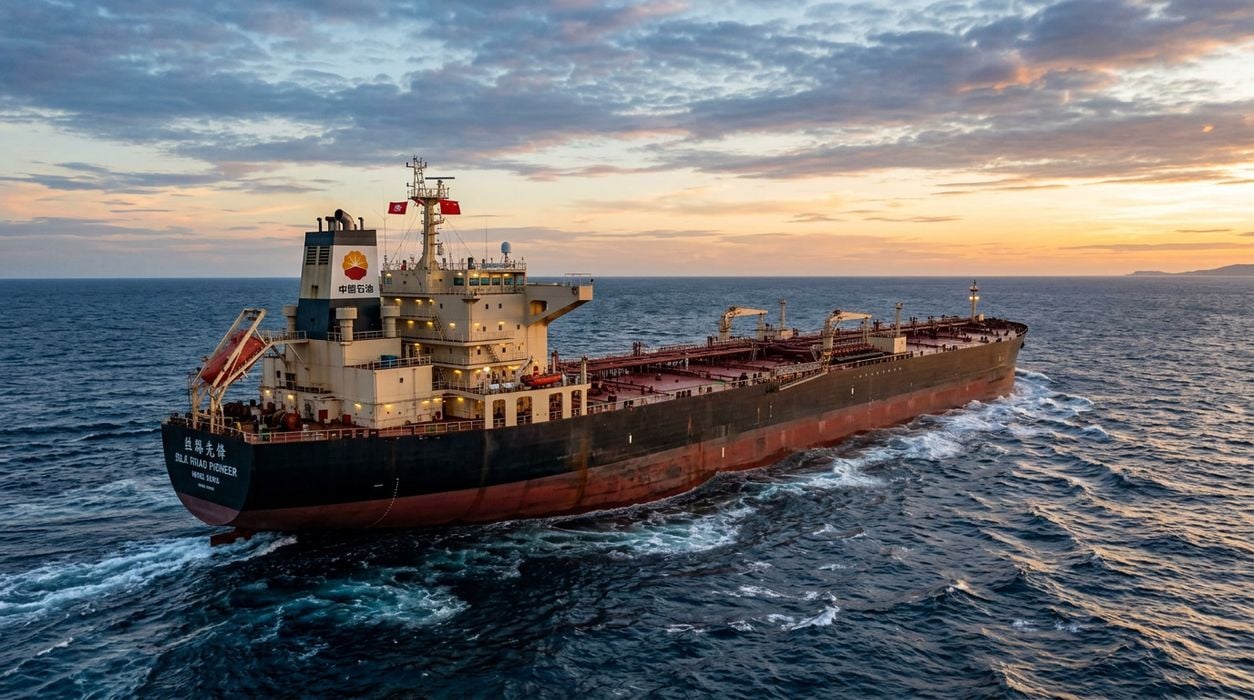
As you probably have heard, both the US and Iran have closed the Strait of Hormuz to commercial, or any, marine traffic. Through this strait flows something like 25% of the world’s oil.
That oil is destined mostly for large countries that don’t have sufficient oil reserves and production of their own. They would refine that oil into various oil-derived products, including gasoline.
Most people are concerned about the price of gasoline, which has been rising everywhere, even in countries quite distant from the Gulf. That’s because oil is a worldwide commodity. The price is set by buyers, who are willing to pay more because of the shortages. A local oil producer can sell their oil to buyers far away at global prices. It’s a single market for everyone.
While the price goes up, the oil flows should continue to flow towards its usual buyers from each location. In the case of the Gulf, most of the oil heads east to Asian countries such as India, Indonesia, Japan, and China. There, that oil enters refineries to be broken up into other materials that go well beyond gasoline. Products such as helium, fertilizer, and a range of other chemicals are produced.
Many of these chemicals are used by manufacturers in China to produce plastic resin. The result is pellets of various types that are then sold to other manufacturers who convert those pellets into 3D printer filament.
I think you can see the problem now: oil shortages will eventually result in filament shortages.
Or at least for certain material types. PLA, for example, is made from natural organic sources, like corn. It should not be affected.
On the other hand, we may see shortages and increased prices for oil-derived plastics. Which types of plastics are those? They would be ABS, ASA, PET, PETG, nylon, TPU, PC, HIPS, TPU, and PP.
That’s just about all 3D printer filaments, except for the aforementioned PLA.
When would this occur? I don’t believe this will happen for quite a few months. You have to consider the chain of events that takes place:
- Oil ships to China
- Transferred to refineries
- Refineries convert the oil to base chemicals
- Chemicals shipped to resin manufacturers
- Chemicals are used to make plastic resins and pellets
- Pellets are shipped to 3D printer filament manufacturers
- Pellets are converted into 3D printer filament
- Filament shipped to distribution centres
- Filament shipped from distribution centres to retailers and resellers
- Filament finally sold to actual 3D printer operators
As you can tell, each of these steps can take weeks. There are also going to be stocks of product stored at each step that can stretch things out even longer. This implies that there could be shortages and price increases taking place several months or more from now, if the conflict continues that long.
And it will, unfortunately.
Stock up now.
