Charles R. Goulding and Preeti Sulibhavi explain how The Rodon Group is using 3D printing, robotics, and automation to lead a new era of American manufacturing.
In today’s fiercely competitive manufacturing landscape, speed, precision, and adaptability are everything. That’s why The Rodon Group, a Pennsylvania-based injection molding company, has invested aggressively in innovation to stay ahead of the curve. With a legacy of American manufacturing excellence, Rodon isn’t just keeping up with the future—they’re helping build it.
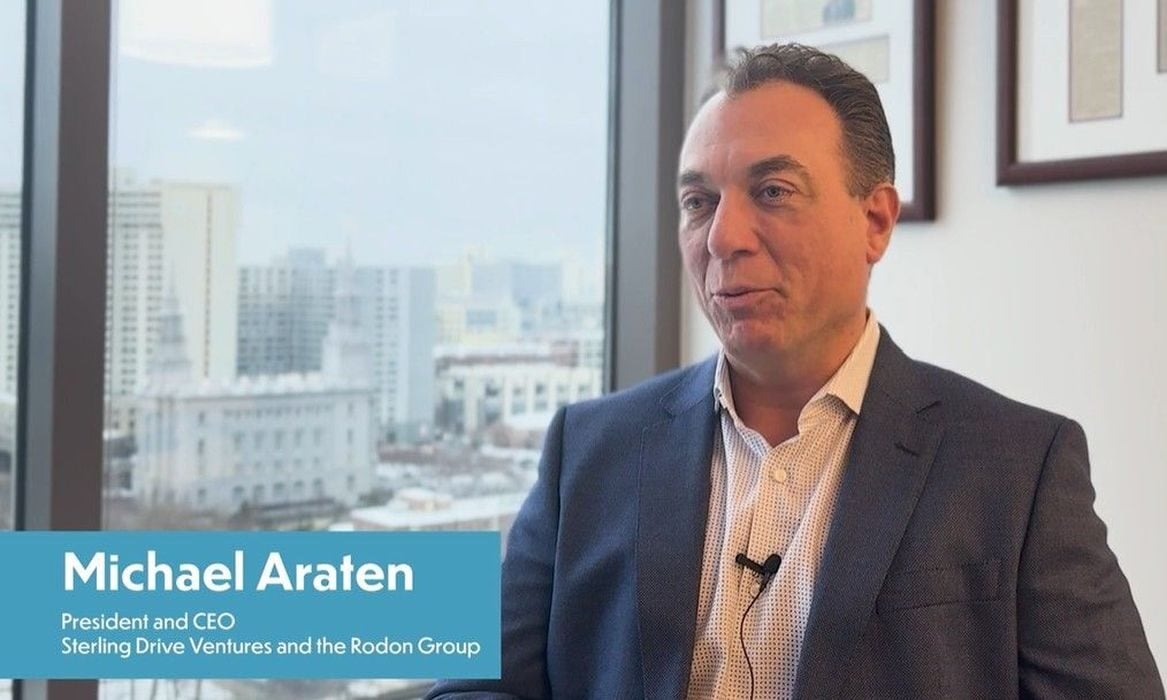
Recently, in an interview, Michael Araten, President of The Rodon Group, joined CBS News Correspondent Nancy Chen to discuss the critical impact of Trump tariffs on imports to the USA. During the CBS interview, Michael took an overall industry view, commenting that if tariffs lead to a recession, the entire toy industry would be severely impacted.
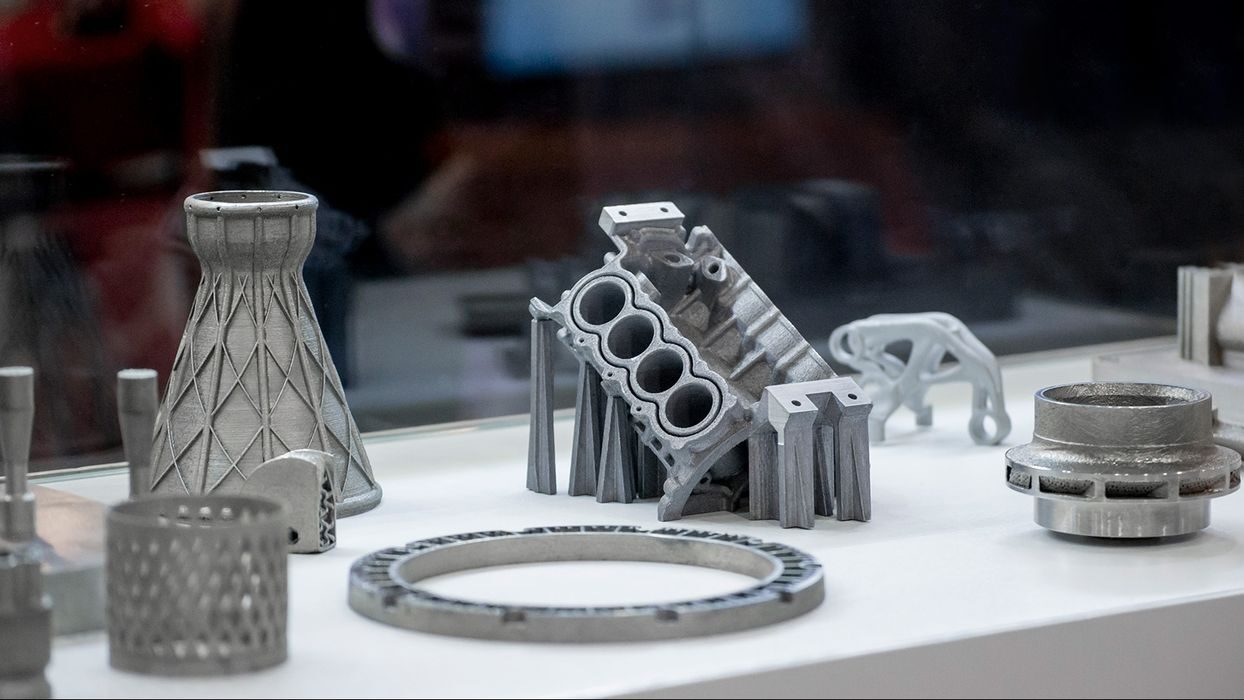
One of the most powerful tools in Rodon’s arsenal to combat this effect is additive manufacturing, more commonly known as 3D printing. Traditionally, injection molding companies relied on lengthy and expensive processes to move from product concept to production. Mold fabrication alone can take weeks or even months. Rodon has flipped that timeline on its head.
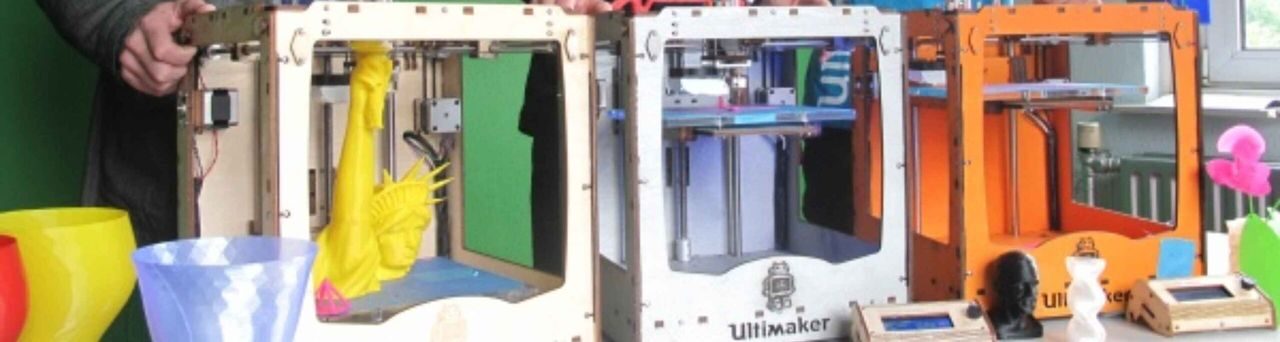
By integrating in-house 3D printing capabilities, Rodon now produces physical prototypes within days. Designers can test multiple versions of a product quickly, validate fit and functionality, and make informed decisions before any steel is cut for final tooling. This not only saves money on mold revisions but drastically reduces time to market.
The company’s offerings include 3D printed prototypes and broader additive manufacturing services, making them a one-stop shop for clients who want to move from idea to production without juggling multiple vendors. Whether it’s a consumer product or a critical component for a medical device, Rodon can print, test, and transition the part to high-volume molding—all under one roof.
This approach is especially valuable for startups or businesses launching new SKUs. Instead of committing to expensive molds upfront, they can iterate cheaply and efficiently. Once the design is finalized, Rodon’s advanced tooling and injection molding operations take over, scaling production quickly with the same level of precision.
But additive manufacturing is just one piece of the innovation puzzle. Rodon has also embraced factory automation in a big way. They use Baxter robots at every press to handle repetitive tasks, improve consistency, and reduce human error. These robots are collaborative, working safely alongside human operators to streamline operations.
Add in sensor-equipped smart molds, real-time quality monitoring, and digital workflows, and you’re looking at a modern manufacturing powerhouse. This combination of additive and automated technologies lets Rodon offer faster cycles, better quality, and lower costs—three things every customer wants.
There are tangible sustainability benefits, too. 3D printing produces less waste than traditional prototyping, and the company’s automation strategy is closely tied to its zero-landfill manufacturing goal. Rodon’s innovations aren’t just smart; they’re sustainable.
Imagine a product launch scenario. A client approaches Rodon with a concept for a new device enclosure. Within days, Rodon’s engineers could 3D print and test several iterations. The design is tweaked for function and aesthetics, then finalized. Tooling begins with digital precision, and in a matter of weeks, the part is being produced in high volumes, with robotic arms handling the output at each press. The product hits shelves faster, with fewer surprises and lower upfront investment.
This kind of agility is increasingly vital across industries like medical, consumer electronics, and packaging, where fast innovation cycles can make or break market success. Rodon’s capabilities mean that clients don’t have to choose between speed, quality, and cost. They can have it all.
What makes this especially notable is that it’s happening in the U.S., not overseas. In an era of global supply chain fragility and reshoring efforts, Rodon’s smart, domestic manufacturing model is a compelling alternative. It delivers the responsiveness and security businesses need without sacrificing innovation or efficiency.
Looking ahead, Rodon’s investments open the door to even more advanced possibilities: digital twins for virtual testing, AI-assisted design optimization, and expanded use of customized additive parts in final products. The foundation is already there—they’re not just imagining the future, they’re actively building it.
For manufacturers facing increasing pressure to do more with less, Rodon offers a proven path forward. They’ve created a system where robotics, additive manufacturing, and precision tooling all reinforce each other, creating a flexible, high-performance engine for innovation.
The Research & Development Tax Credit
The now permanent Research and Development (R&D) Tax Credit is available for companies developing new or improved products, processes and/or software.
3D printing can help boost a company’s R&D Tax Credits. Wages for technical employees creating, testing and revising 3D printed prototypes are typically eligible expenses toward the R&D Tax Credit. Similarly, when used as a method of improving a process, time spent integrating 3D printing hardware and software can also be an eligible R&D expense. Lastly, when used for modeling and preproduction, the costs of filaments consumed during the development process may also be recovered.
Whether it is used for creating and testing prototypes or for final production, 3D printing is a great indicator that R&D Credit-eligible activities are taking place. Companies implementing this technology at any point should consider taking advantage of R&D Tax Credits.
Conclusion
The Rodon Group isn’t just making parts. They’re making manufacturing smarter, faster, and more resilient—one 3D printed prototype at a time. To me, Rodon should be applauded for making long-term innovative investments that are truly exceptional.