
Charles R. Goulding and Preeti Sulibhavi examine how Hubbell’s $3 billion acquisition of NSI Industries and the integration of 3D printing technology signal a transformative era for electrical infrastructure innovation and R&D Tax Credit opportunities.
One of North America’s most important electrical infrastructure manufacturers, Hubbell has spent more than a century lighting up the industry. Now, the Connecticut-based company is making one of the biggest moves in its history with the planned US$3 billion acquisition of NSI Industries, a deal that could significantly reshape the electrical, utility, and lighting sectors over the next several years.
The acquisition arrives at a time when electrification, AI-driven data center growth, grid modernization, and industrial automation are accelerating demand for electrical hardware across nearly every market segment. Hubbell clearly sees this moment as an opportunity to expand aggressively. There’s another aspect to this transaction that should not go unnoticed.
Hubbell’s US$3 billion acquisition of NSI Industries accelerates the development of integrated electrical infrastructure, creating significant opportunities for companies to claim Section 41 R&D Tax Credits. As Hubbell integrates NSI’s 15,000+ product portfolio—including Polaris and TORK—into its Electrical Solutions division, the shift toward “intelligent infrastructure” and additive manufacturing (3D printing) serves as a primary indicator of R&D-eligible activities. Under IRS Section 174, costs associated with designing integrated power systems, smart lighting controls, and AI-driven data center hardware qualify for dollar-for-dollar tax offsets.
For the lighting and electrical industries, the acquisition signals more than simple consolidation. It represents a strategic repositioning toward integrated infrastructure systems, smarter electrical distribution, and faster product innovation.
Hubbell’s Long Industrial History
Founded in 1888 by Harvey Hubbell in Bridgeport, Connecticut, Hubbell originally became known for inventions that simplified electrical connectivity. One of the company’s earliest breakthroughs was the pull-chain lamp socket, which helped standardize residential electric lighting during the early growth of electrification in the United States.
Over time, Hubbell expanded into industrial connectors, utility hardware, commercial lighting, wiring devices, transmission components, utility communications systems, and power distribution products. The company eventually evolved into one of the largest electrical infrastructure suppliers in North America.
Today Hubbell operates across two primary divisions:
- Utility Solutions
- Electrical Solutions
The Utility Solutions segment focuses on transmission, distribution, substation, communications, and grid infrastructure products. Electrical Solutions covers commercial and industrial electrical systems, wiring devices, lighting, connectors, enclosures, controls, and related products.
Hubbell products are deeply embedded in everyday infrastructure. Its systems can be found in utility substations, data centers, factories, airports, roadways, commercial buildings, and telecommunications installations.
The company also owns numerous well-known brands across the electrical sector, including Killark, Burndy, Raco, Bell, Crouse-Hinds B-Line, and Hubbell Lighting products.
Hubbell’s Financial Position in 2025
The acquisition comes from a position of strength.
Hubbell reported approximately US$5.84 billion in 2025 revenue and employed roughly 18,000 people worldwide by the end of the year. Revenue growth continued despite broader industrial market uncertainty, supported largely by utility infrastructure demand, grid modernization programs, and increasing data center construction.
One major growth driver has been the rapid expansion of AI-related infrastructure. Large-scale AI data centers require massive electrical distribution systems, cooling systems, connectors, wiring assemblies, and power management hardware. Hubbell has increasingly positioned itself as a supplier to these high-growth markets.
Prior to the NSI deal, Hubbell acquired DMC Power in 2025 for approximately US$825 million, strengthening its position in high-voltage connector technology for substations and transmission infrastructure.
The NSI transaction is considerably larger and more transformative.
The Structure of the NSI Industries Deal
When Hubbell announced plans to acquire NSI Industries from private equity firm Sentinel Capital Partners for approximately US$3 billion the industry took notice.
NSI Industries, headquartered in Huntersville, North Carolina, manufactures more than 15,000 electrical products spanning connectors, fittings, wire management systems, timers, controls, and installation components. The company’s portfolio includes established brands such as Polaris, TORK, Bridgeport, and WarriorWrap.
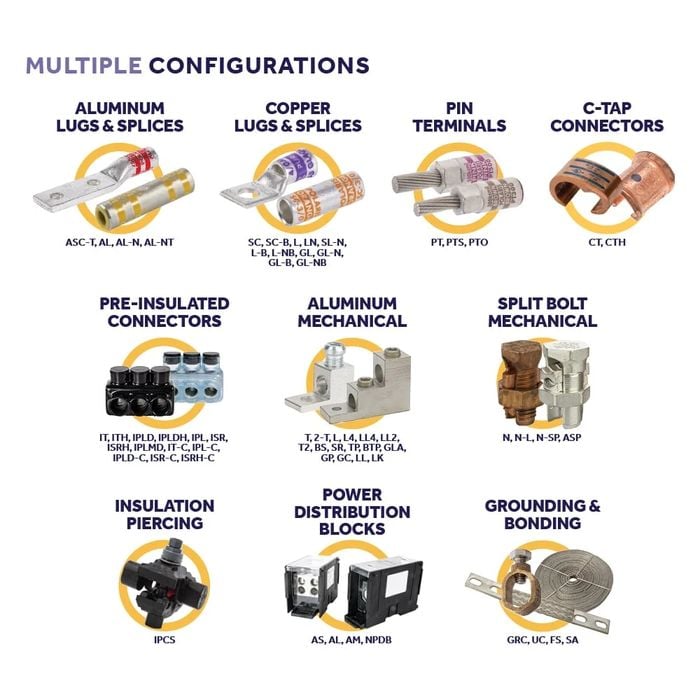
NSI products are distributed through more than 2,000 electrical distributors across North America, giving Hubbell access to a broader distribution footprint and stronger channel penetration.
Financially, the acquisition is substantial.
NSI is expected to generate approximately US$570 million in revenue in 2026. Hubbell plans to finance the transaction using a combination of cash reserves and debt financing backed by major banks including JPMorgan Chase, Bank of America, and HSBC.
Structurally, the acquisition appears designed to integrate NSI directly into Hubbell’s Electrical Solutions business. The two companies already serve overlapping customer bases in commercial construction, industrial facilities, utility installations, and network infrastructure projects.
The strategic fit is obvious.
Hubbell gains and expanded product portfolio, distribution channels, data center infrastructure, and recurring replacement-part sales.
NSI gains access to Hubbell’s global scale, engineering resources, manufacturing capacity, and utility infrastructure expertise.
How does the Hubbell-NSI merger drive R&D Tax Credit eligibility?
The consolidation of Hubbell and NSI Industries centers on integrated infrastructure systems rather than isolated hardware. This transition requires extensive technical experimentation, which is the core requirement for the R&D Tax Credit.
- Process of Experimentation: Engineering teams must evaluate multiple design iterations to ensure NSI’s connectivity components integrate seamlessly with Hubbell’s utility-scale hardware.
- Technological in Nature: Development cycles rely on hard sciences, including electrical engineering and materials science, to meet modern grid modernization and AI data center demands.
- Elimination of Uncertainty: Projects focused on improving mechanical performance, field durability, and modular installation are inherently eligible.
While Hubbell is not commonly viewed as a dedicated additive manufacturing company, the organization has increasingly incorporated advanced manufacturing methods into product development and prototyping.
One recent example came from Hubbell Power Systems, which highlighted a redesigned neutral clevis component intended for utility applications. The redesign process focused on improving mechanical performance, simplifying installation, and increasing field durability.
With approximately 3,100 active US and foreign patents as of 2025, Hubbell stands to further benefit from the R&D credit as patents are excellent indicators of R&D eligible activities at a company and portions of patent expenses are potentially credit-eligible.
Meanwhile NSI’s patent portfolio includes hundreds of active and pending patents across the electrical, low-voltage, and network infrastructure markets. The combination of both patent portfolios is a powerful alliance and a great indicator of R&D.
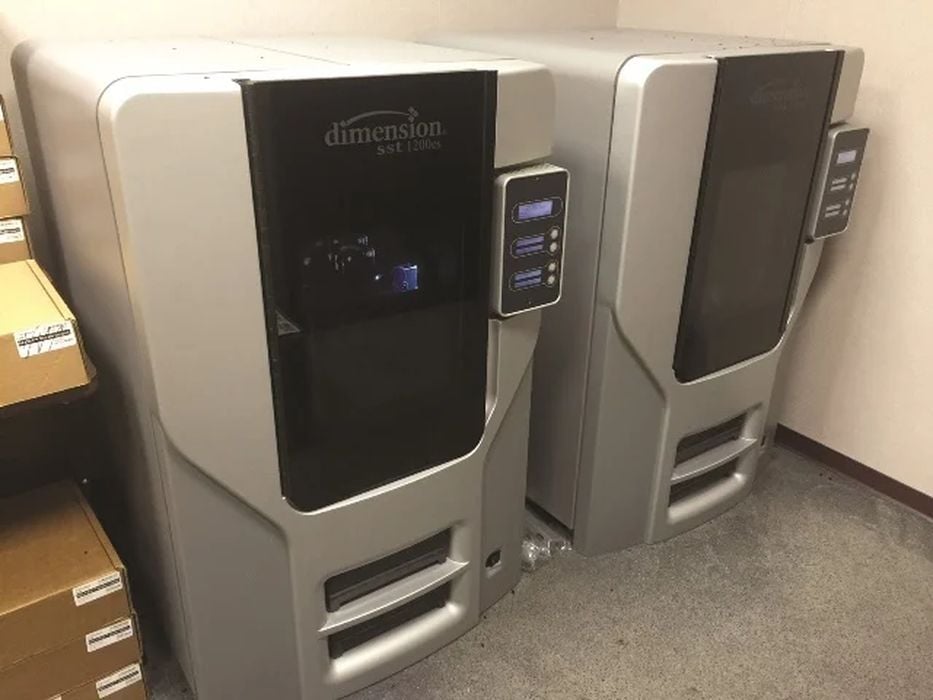
Projects like this increasingly rely on rapid prototyping and additive manufacturing workflows during development cycles. Even when final products are produced using conventional industrial methods, 3D printing often accelerates engineering validation, fit testing, and design optimization.
This trend is becoming widespread across the electrical hardware industry.
Companies like Hubbell are under pressure to shorten product development timelines while adapting designs for changing utility standards, renewable energy integration, and modern installation practices.
Can 3D printing and prototyping really boost R&D Tax Credit claims?
Yes. Hubbell’s use of additive manufacturing for utility applications—such as the redesigned neutral clevis—is a high-density indicator of R&D eligibility.
- Qualified Research Expenses (QREs): Wages for technical employees involved in creating, testing, and revising 3D printed prototypes are eligible.
- Supply Costs: The cost of filaments and materials consumed during the modeling and preproduction phases can be recovered.
- Process Improvement: Time spent integrating 3D printing hardware into manufacturing workflows for jigs, fixtures, and custom tooling qualifies as an eligible activity.
Why the Acquisition Matters to the Industry
This deal matters because it reflects where the electrical industry is heading.
The sector is increasingly moving toward integrated infrastructure ecosystems rather than isolated hardware products. Customers now want complete systems that simplify installation, improve reliability, and reduce labor costs.
Large contractors and infrastructure developers increasingly prefer suppliers capable of delivering complete packages including:
- Connectors
- Wire management
- Lighting systems
- Controls
- Power distribution
- Monitoring systems
- Utility hardware
Hubbell’s acquisition of NSI helps create precisely that kind of integrated supplier.
The timing also aligns with several major market trends.
Grid Modernization
Utilities across North America are replacing aging electrical infrastructure while adapting grids for renewable energy integration, electric vehicles, and higher overall power demand.
That requires enormous amounts of transmission hardware, connectors, protective systems, and distribution equipment.
Data Center Expansion
AI infrastructure is driving one of the largest data center construction booms in history. Modern hyperscale facilities require dense electrical distribution systems with high reliability and redundancy.
Hubbell specifically cited data centers and network infrastructure as major strategic growth targets tied to the NSI acquisition.
Labor Shortages
Electrical contractors continue facing skilled labor shortages. Manufacturers that can simplify installation through modular or integrated products gain a competitive advantage.
NSI’s portfolio of connectors, fittings, and installation systems complements Hubbell’s broader infrastructure products in exactly this area.
| Industry Segment | Innovation Driver | R&D Tax Impact |
| Electrical Utility | Grid modernization and renewable energy integration. | Credits for high-voltage connector technology and transmission protective systems. |
| Data Centers | AI-driven power demand and high-redundancy distribution. | Eligibility for designing dense electrical assemblies and specialized cooling connectors. |
| Lighting | Intelligent, sensor-integrated lighting ecosystems. | Claims for developing building automation controls and network-managed lighting platforms. |
Beyond prototyping, additive manufacturing is increasingly important for:
- Manufacturing jigs and fixtures
- Tooling optimization
- Spare parts production
- Rapid field-service components
- Low-volume customization
For electrical infrastructure manufacturers, these capabilities can reduce production downtime and accelerate new product launches.
As Hubbell integrates NSI, additive manufacturing could become even more important internally as engineering teams consolidate development resources across multiple product families.
Implications for the Lighting Industry
The lighting industry may ultimately experience some of the largest long-term effects from this acquisition.
Lighting is no longer a standalone business.
Modern commercial and industrial lighting systems are increasingly tied into broader electrical infrastructure platforms involving controls, energy management, sensors, building automation, and network connectivity.
Hubbell already has substantial experience in commercial and industrial lighting applications. By combining that expertise with NSI’s wiring, connectivity, and control-related products, the company could create more tightly integrated lighting ecosystems.
That matters because the market is shifting toward intelligent infrastructure.
Examples include:
- Smart industrial facilities
- Connected warehouses
- Automated manufacturing plants
- Intelligent commercial buildings
- AI-enabled data centers
- Energy-managed campuses
In all of these environments, lighting systems interact with broader electrical infrastructure.
Contractors increasingly want lighting products that integrate seamlessly with sensors, controls, power distribution systems, and network management platforms.
NSI’s strength in timers, controls, connectors, and electrical installation systems complement Hubbell’s existing lighting capabilities in ways that could accelerate integrated product offerings.
The acquisition could also increase competitive pressure across the lighting market.
Major players including Acuity Brands, Signify, Eaton, and Legrand have all been moving toward more integrated electrical ecosystems combining lighting, controls, networking, and infrastructure products.
Hubbell’s acquisition of NSI positions the company more directly within that competitive landscape.
Another likely outcome is increased investment in domestic manufacturing and supply chain resilience.
Recent disruptions have exposed vulnerabilities in global electrical component sourcing. Large manufacturers are increasingly prioritizing regionalized production and vertically integrated supply chains.
Combining Hubbell and NSI may improve sourcing flexibility while giving the combined organization greater leverage over manufacturing operations and distribution logistics.
A Sign of Industry Consolidation Ahead
The Hubbell-NSI acquisition may also signal broader consolidation across the electrical infrastructure and lighting industries.
As electrification accelerates, companies capable of delivering integrated infrastructure solutions are gaining strategic advantages.
Smaller specialized manufacturers may increasingly become acquisition targets as larger firms attempt to build comprehensive portfolios spanning utilities, data centers, commercial construction, industrial automation, and intelligent building systems.
For Hubbell, the NSI acquisition is not simply about adding revenue.
It is about positioning the company for the next generation of electrical infrastructure.
And That future includes:
- Electrified transportation
- Smart grids
- AI-driven power demand
- Intelligent buildings
- Connected industrial systems
- Digitally managed lighting infrastructure
The companies that control the hardware layers connecting those systems will likely play a central role in shaping the future of industrial electrification.
Hubbell is one of them.