
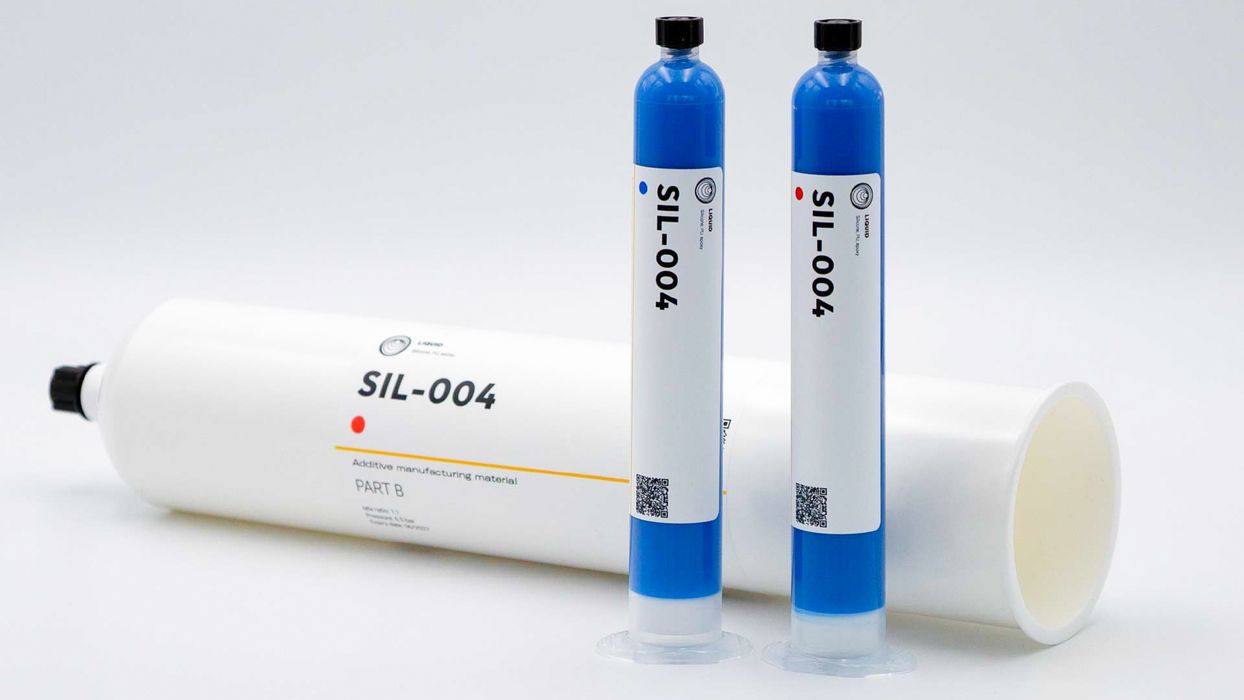
Two interesting new 3D print materials appeared this week.
As time passes, the range of materials and properties continues to increase. Today, there are hundreds of different types of 3D print materials that can be used with specific 3D print processes.
Recently, two new materials appeared that caught my eye.
Lynxter Silicone
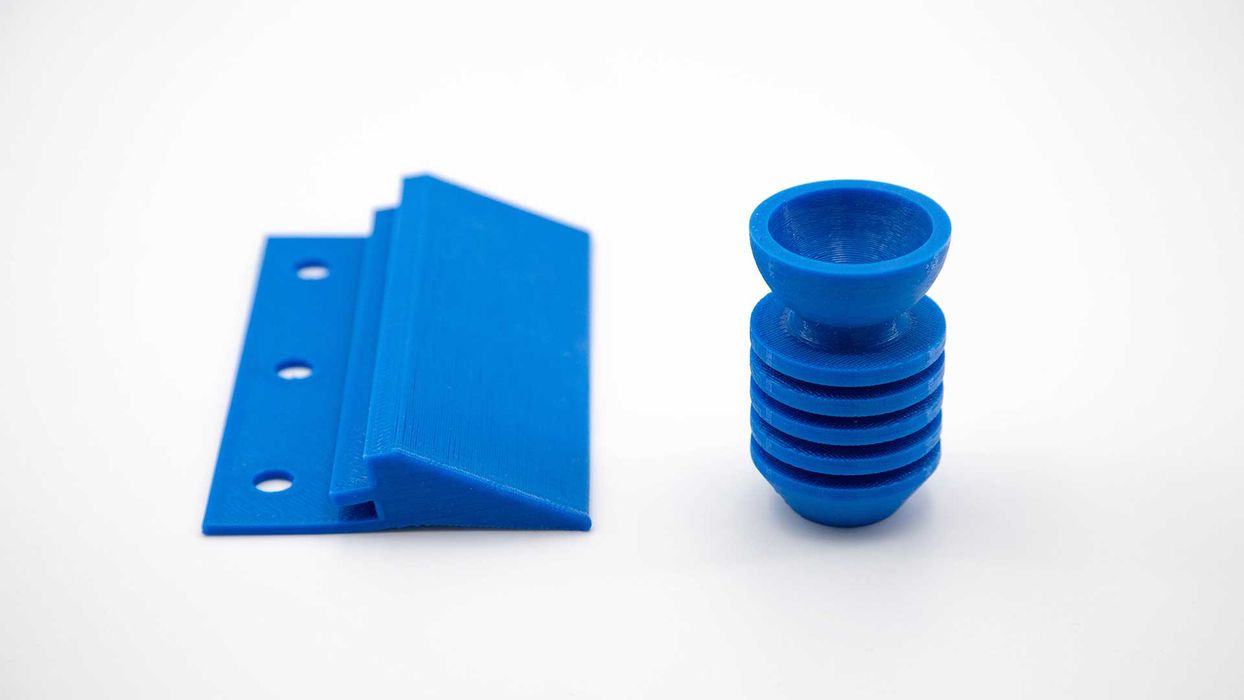
France-based Lynxter specializes in silicone 3D printing, something that can’t normally be done on typical FFF/FGF/Resin 3D printers. Silicone can be used for a variety of industrial parts, including gaskets.
Their new material is “SIL-004”, a silicone elastomer. The most interesting property of SIL-004 is that it passes food-safe certifications, specifically FDA CFR21 177-2600.
This means that it would be possible with this material (and Lynxter’s 3D printers) to print parts that contact food. They explain:
“With SIL-004, it is now possible to produce components such as custom seals, scrapers, or complex molds within a few hours, without tooling, while ensuring compliance, hygiene, and mechanical performance.”
That could be quite important for food production systems, where machines are often reconfigured to produce different food products. SIL-004 would allow operators to quickly produce parts required for such changeovers.
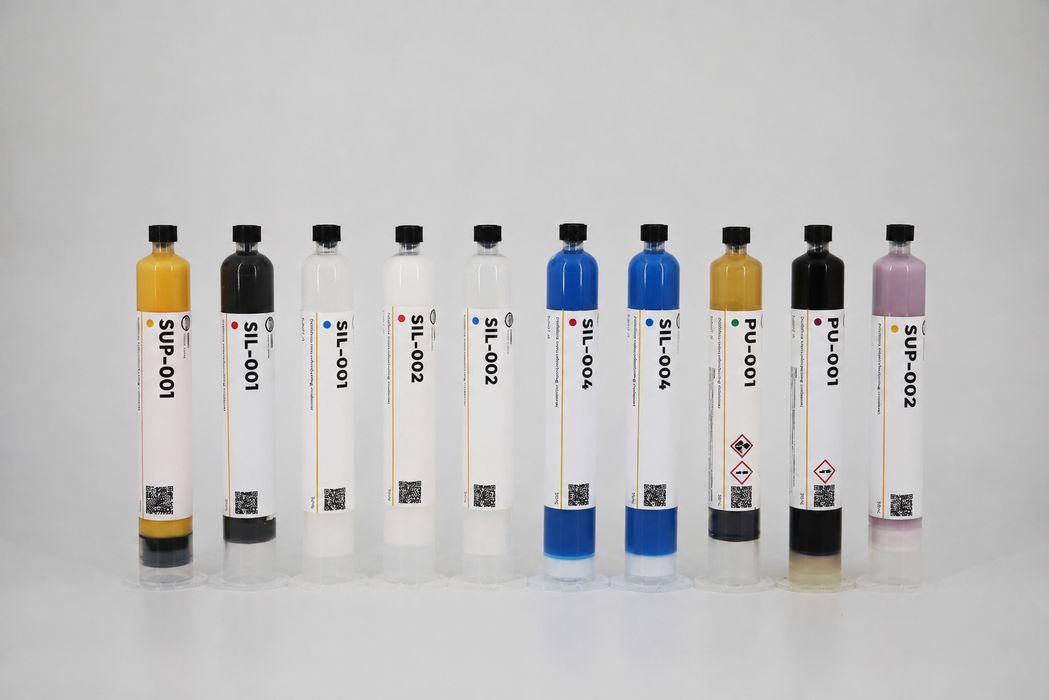
This also extends the company’s growing set of unique silicone materials.
Iglidur i190PF
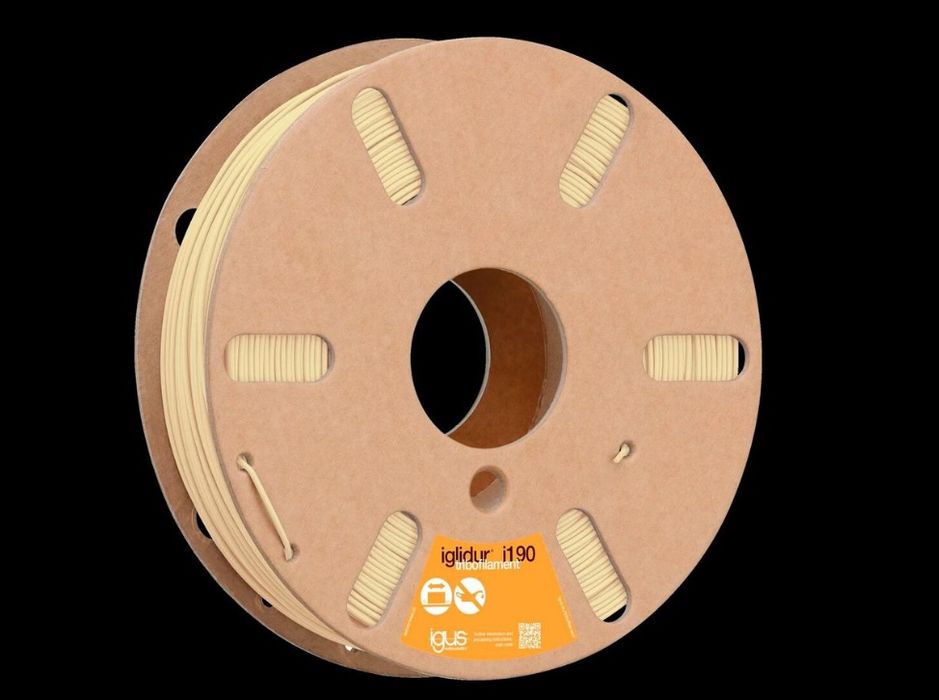
Igus offers a wide range of unusual engineering filaments for FFF 3D printing. One of the latest materials is Iglidur i190PF.
Igus is known for their “motion plastics”. These are materials that can slide without lubrication, which can be a critical property in some applications. With this property, parts made with the material suffer far less wear over time. The company offers dozens of products with this capability.
Iglidur i190PF is another one, but it falls into another category, too: PFAS-free. Most slidy materials use PTFE, which contains “forever chemicals”, also known as PFAS. The new material includes no PTFE, making it both safe and functional.
Via Lynxter, ETMM, and Igus (PDF)
