Charles R. Goulding and Preeti Sulibhavi explore how the FAA and DOT’s new eVTOL Integration Pilot Program (eIPP) could accelerate Advanced Air Mobility while creating fresh opportunities for aerospace 3D printing leaders such as BETA Technologies.
For years, electric air taxis have occupied a strange space between science fiction and commercial reality. Aircraft manufacturers have raised billions of dollars, built full-scale prototypes, and conducted thousands of test flights. Yet despite the industry’s momentum, widespread deployment of electric vertical takeoff and landing (eVTOL) aircraft remains elusive.
The problem is not necessarily the aircraft themselves.
Instead, one of the largest barriers has been regulation.
The FAA and U.S. Department of Transportation (DOT) recently took a significant step toward addressing that challenge through the launch of the eVTOL Integration Pilot Program (eIPP), a nationwide initiative designed to accelerate the safe deployment of Advanced Air Mobility (AAM) aircraft. While the aviation industry views the program as a critical regulatory milestone, the initiative could have equally important implications for the additive manufacturing sector.
Many of the aircraft participating in eIPP rely heavily on 3D printing technologies throughout development and production. As these aircraft move closer to commercial operation, additive manufacturing may become one of the key enabling technologies behind the next generation of aviation.
Why the Industry Needs eIPP
The Advanced Air Mobility sector has progressed remarkably quickly.
According to Morgan Stanley, the global urban air mobility market could eventually reach US$1 trillion by 2040 and expand to US$9 trillion by 2050 under aggressive adoption scenarios. Other analysts project a market worth tens of billions of dollars within the next decade, driven by passenger transport, cargo logistics, emergency services, and regional mobility applications.
Manufacturers including Joby Aviation, Archer Aviation, Wisk Aero, BETA Technologies, and others have collectively logged thousands of flight-test hours while developing aircraft designed to move people and cargo with lower emissions and reduced operating costs.
The technology, however, has advanced faster than the regulatory framework governing it.
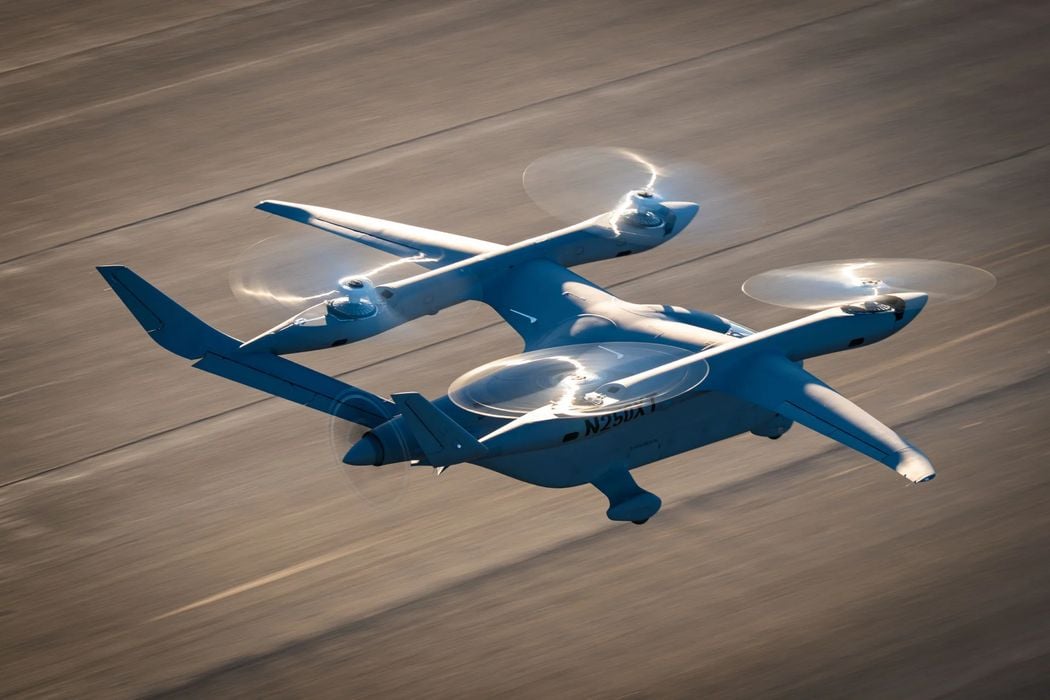
eVTOL aircraft introduce entirely new operational concepts. Many utilize distributed electric propulsion systems, autonomous or highly automated flight controls, novel pilot certification requirements, and new infrastructure such as vertiports and high-capacity charging networks.
The FAA cannot simply apply existing airplane or helicopter regulations to these aircraft and call it a day.
Regulators need operational data from real-world environments before they can confidently establish long-term rules covering safety, airspace integration, infrastructure, training, noise, emergency procedures, and eventually autonomous operations.
This is precisely why eIPP was created.
What Is the eVTOL Integration Pilot Program?
The eVTOL Integration Pilot Program was established by the FAA and DOT to accelerate the safe integration of Advanced Air Mobility aircraft into the National Airspace System.
Rather than relying solely on simulations and certification testing, the program creates partnerships among aircraft manufacturers, state transportation agencies, airports, local governments, and federal regulators. The objective is to collect operational data through real-world deployments while helping regulators understand how these aircraft will function in everyday environments.
In March 2026, the FAA selected eight pilot projects spanning 26 states. The projects encompass a broad range of missions, including:
- Passenger transportation
- Air taxi services
- Medical logistics
- Emergency response operations
- Cargo delivery
- Regional transportation
- Autonomous flight demonstrations
Demonstration flights and operational activities are expected to begin as early as Summer 2026. The program will continue for approximately three years after the launch of the first participating project, creating one of the largest real-world evaluations of Advanced Air Mobility ever conducted in the United States.
Importantly, participating aircraft manufacturers must already be progressing through the FAA’s type certification process. The program is therefore focused on aircraft with realistic pathways toward commercial deployment rather than experimental concepts.
For the additive manufacturing industry, this distinction matters.
The closer these aircraft move toward production and certification, the more scrutiny their manufacturing methods receive. That includes any 3D printed parts, tooling, fixtures, thermal systems, or production processes used to build them.
BETA Technologies Becomes the Program’s Dominant Participant
Among all manufacturers selected for eIPP, one company stands out.
Vermont-based BETA Technologies was chosen to participate in seven of the eight approved projects, giving it a larger role than any other aircraft manufacturer involved in the initiative.
The company will support projects involving transportation agencies and operators across multiple states, including New York, Texas, Pennsylvania, Florida, North Carolina, Utah, and Louisiana.
That level of participation reflects BETA’s increasingly influential position within the Advanced Air Mobility sector.
Unlike many competitors focused exclusively on urban air taxi operations, BETA has pursued a broader strategy centered around its ALIA aircraft platform. The company has developed both conventional takeoff-and-landing and vertical takeoff-and-landing versions of ALIA, allowing the aircraft to serve cargo, passenger, medical, and regional transportation missions.
For regulators seeking operational data across multiple scenarios, BETA offers an unusually versatile platform.
Its presence in seven projects means that a significant portion of the operational data generated through eIPP will likely involve BETA aircraft.
BETA’s Extensive Use of Additive Manufacturing
BETA’s prominence within eIPP is particularly interesting because the company has also embraced additive manufacturing throughout its development process.
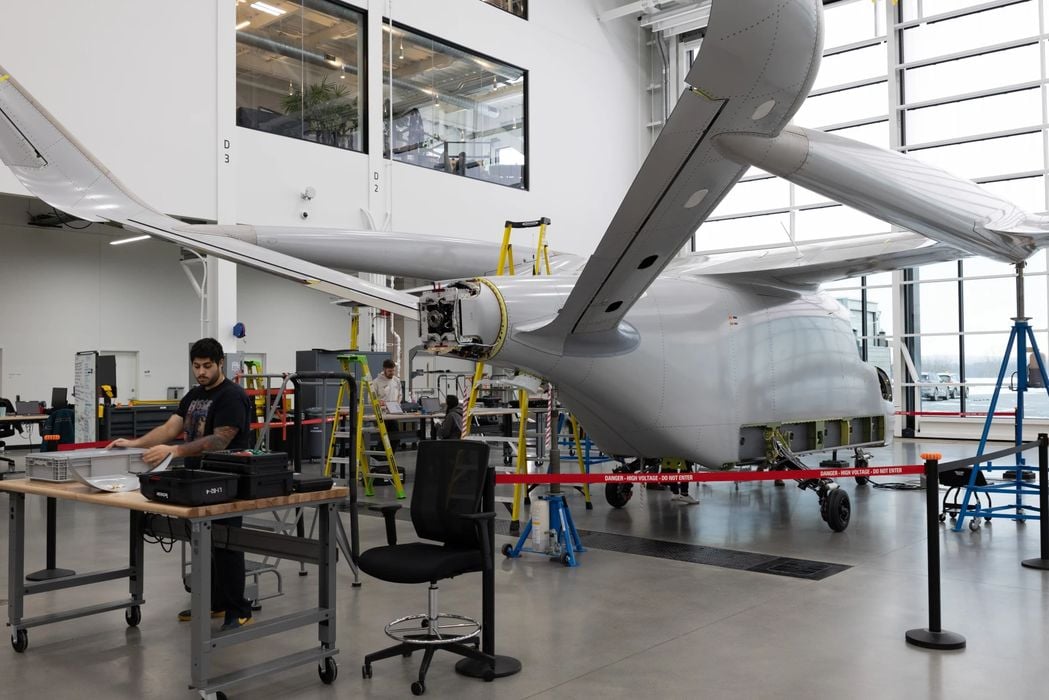
One of the most visible examples comes directly from the company’s engineering operations. Reporting by Seven Days Vermont documented engineers using in-house 3D printers within company hangars to create scale models of aircraft concepts during the development of the ALIA platform. These printed models allow teams to quickly evaluate designs, communicate ideas, and iterate without the delays associated with traditional manufacturing methods.
While prototype models are common throughout aerospace, BETA’s additive manufacturing activities extend much further.
The company’s New Product Introduction and Advanced Materials teams have actively recruited engineers with expertise in metal additive manufacturing, advanced composites, resin casting, and related production technologies. Public job postings indicate that these teams are responsible for developing manufacturing processes capable of supporting the company’s transition from low-volume aircraft production to commercial-scale manufacturing.
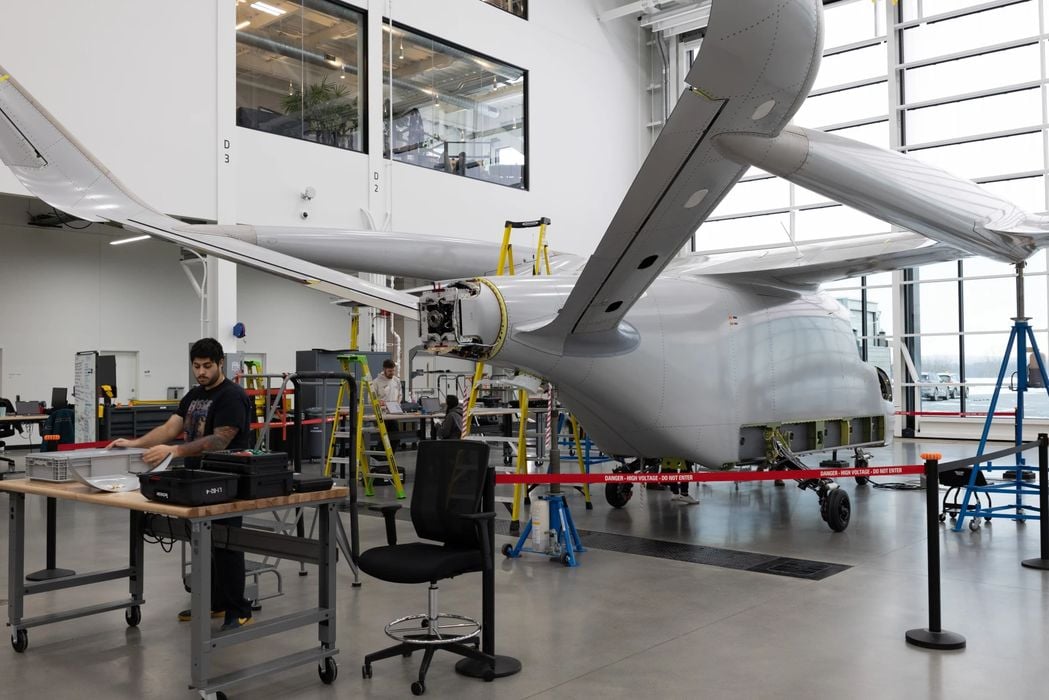
Many aerospace firms use 3D printing for prototyping. Far few invest in the personnel and infrastructure needed to integrate additive manufacturing into production-oriented workflows.
The company is also connected to a broader aerospace ecosystem that increasingly leverages additive manufacturing for flight-critical technologies.
For example, GE Aerospace has publicly discussed collaborations involving advanced thermal management systems for hybrid-electric propulsion platforms. Such systems frequently rely on additively manufactured heat exchangers because 3D printing allows engineers to create highly complex internal geometries that would be impossible or prohibitively expensive using conventional manufacturing methods.
Thermal management remains one of the most significant engineering challenges facing electric aviation. Batteries, motors, power electronics, and charging systems all generate substantial heat. Efficient thermal systems can directly influence aircraft performance, weight, range, and reliability.
How Does 3D Printing Resolve Critical Electric Aviation Engineering Challenges?
Integrating advanced additive manufacturing platforms allows aerospace innovators to overcome weight, thermal, and geometric limitations inherent to electric flight:
- Monolithic Thermal Management: High-capacity battery packs, electric motors, and charging systems generate extreme thermal stress. Additive manufacturing allows developers to print consolidated heat exchangers with highly complex internal geometries that maximize surface area while minimizing pressure loss.
- Rapid Hangar-Level Prototyping: Utilizing in-house industrial 3D printers allows design teams to fabricate scale models and custom flight fixtures directly within hangars, compressing engineering feedback loops from weeks to hours.
- Part Count Consolidation: 3D printing enables the fabrication of unified, lightweight structural components that replace heavy, multi-part traditional assemblies, directly increasing an electric aircraft’s range and load capacity.
BETA also has a unique relationship with United Therapeutics, one of its major investors and early customers. United Therapeutics has become well known for its investments in regenerative medicine and 3D bioprinting technologies aimed at producing transplantable human organs. The company has publicly discussed using BETA aircraft to transport organs and medical materials in future logistics networks.
Although the aircraft themselves are not transporting printed organs today, the long-term convergence of additive manufacturing, advanced medical technology, and electric aviation presents a fascinating glimpse into how multiple emerging industries may intersect.
How Do eVTOL Additive Manufacturing Processes Align with the Research and Development (R&D) Tax Credit under IRC Section 41?
Developing, testing, and scaling aerospace-grade elastomer or metal printed components requires resolving severe material science and software uncertainties, aligning directly with research and development credit eligibility.
| Core R&D Technical Activity | IRS Four-Part Test Alignment | Financial Recovery Impact |
| Advanced Thermal System Engineering | Resolves engineering uncertainty regarding fluid-dynamic behavior, heat dissipation efficiency, and structural integrity of 3D printed internal passages. | Captures qualified internal engineering hours spent modeling fluid channels and performing non-destructive thermal stress analysis. |
| Metal Additive Parameter Tuning | Conducts a systematic process of experimentation to overcome laser powder bed fusion defects, structural micro-voids, and mechanical part shrinkage. | Recovers the internal labor costs of materials scientists and the direct cost of specialized titanium or alloy powders consumed. |
| Commercial Production Scaling | Evaluates technical manufacturing alternatives to transition low-volume rapid prototyping workflows into automated, certified industrial assembly. | Offsets internal labor expenditures of computational, mechanical, and quality control systems engineers designing print profiles. |
Strategic Insight for CFOs and Tech Directors: While forward-looking initiatives highlight future convergences—such as BETA Technologies’ alliance with United Therapeutics to transport bioprinted organs—the current corporate financial priority is capturing immediate cash flow from active engineering pipelines. Industry leaders selected across seven of the eight eIPP categories generate highly defensible, compounding QREs through ongoing component design modifications. Partnering with an expert firm like R&D Tax Savers ensures that technical testing hours and material consumption costs are thoroughly documented against strict IRS standards.
Why eIPP Matters to the 3D Printing Industry
At first glance, eIPP appears to be a regulatory program.
In reality, it may also serve as proving ground for advanced manufacturing technologies.
Every eVTOL manufacturer faces the same challenges: reducing weight, shortening development cycles, improving performance, lowering production costs, and scaling manufacturing capacity.
Those goals align remarkably well with the strengths of additive manufacturing.
As aircraft move from prototype programs into certified commercial fleets, manufacturers will increasingly seek opportunities to consolidate assemblies, reduce part counts, optimize thermal systems, create lightweight structures, and accelerate design iterations. Many of those objectives are already being achieved through additive manufacturing.
The success or failure of eIPP will not determine the future of 3D printing in aerospace.
But it may significantly influence how quickly certified additive manufacturing technologies become embedded within the emerging Advanced Air Mobility ecosystem.
The Future Is Still Up in the Air
The launch of eIPP represents a major milestone for Advanced Air Mobility. For the first time, regulators and manufacturers will gather large-scale operational data from real-world deployments rather than isolated demonstration flights.
The program does not guarantee that air taxis will soon fill urban skies. Significant questions remain regarding infrastructure, economics, battery technology, public acceptance, and certification timelines.
What eIPP does provide is a pathway toward answering those questions.
For companies like BETA Technologies, it offers an opportunity to demonstrate both aircraft performance and manufacturing readiness. For the additive manufacturing industry, it provides another example of how 3D printing is moving beyond prototyping and becoming part of the infrastructure supporting next-generation transportation.
The future of electric aviation remains uncertain. But if these aircraft are going to become a meaningful part of everyday transportation, regulators will need the data to govern them properly.
The future may be up in the air but ensuring that our future develops safely will require keeping both feet firmly planted on solid ground.