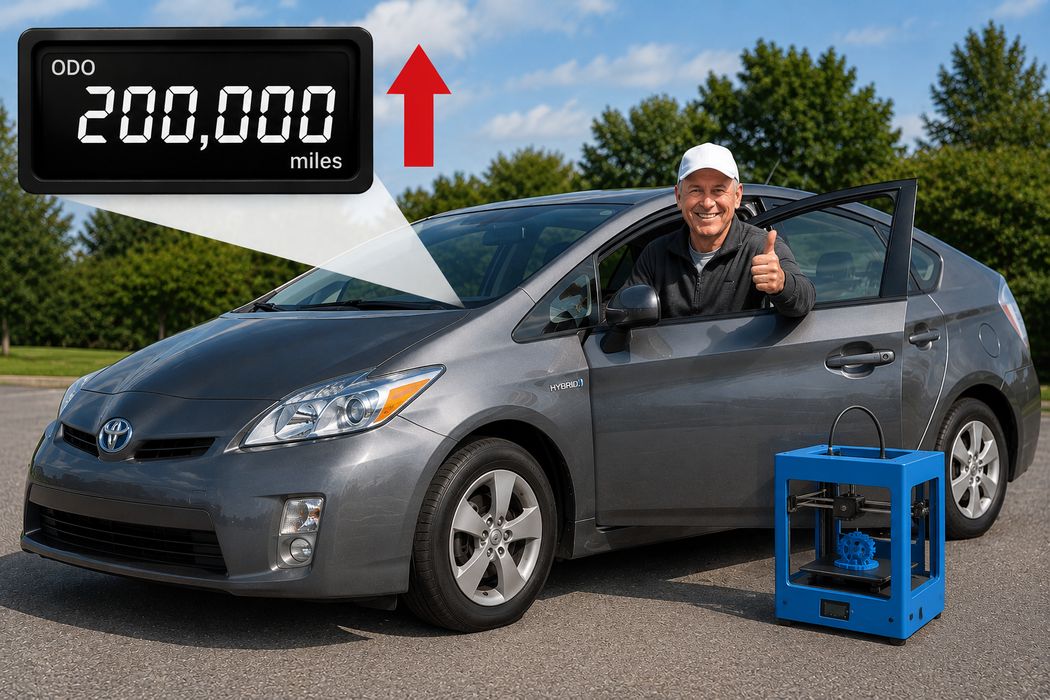
Charles R. Goulding and Preeti Sulibhavi discuss how political developments and longer vehicle lifespans are making maintenance data, repair efficiency, and digital asset management more valuable than ever.
For decades, the automotive ownership lifespans depended on a predictable cycle: consumers would purchase a new vehicle every few years, trade it in, and repeat the process. That model is changing.
A June 2026 Wall Street Journal report by Sharon Terlep highlighted a major shift taking place across the United States. Americans are keeping their vehicles longer than ever before, a trend that is reshaping not only the auto sales market but also the entire ecosystem surrounding vehicle maintenance, repairs, replacement parts, and service operations.
According to the report, the average vehicle on U.S. roads is now approximately 13 years old, the highest level ever recorded and roughly 10% older than the national fleet a decade ago. The trend has been building steadily for more than 15 years but accelerated significantly following the COVID-era supply chain disruptions that limited vehicle production and drove prices upward.
The reasons are not difficult to understand.
New vehicle prices now average close to US$50,000, while elevated interest rates have pushed monthly payments to levels many consumers find difficult to justify. At the same time, advances in engineering, materials, electronics, and manufacturing quality have produced vehicles capable of lasting far longer than previous generations. As a result, many owners see little financial benefit in replacing a reliable vehicle that still performs well.
The Wall Street Journal noted numerous examples of owners driving vehicles well beyond 200,000 miles. Some consumers who could easily afford new cars are nevertheless choosing to hold onto existing vehicles because they remain dependable and economical.
The data supports the trend. Earlier figures from S&P Global Mobility showed the average age of vehicles in operation reaching a record 12.6 years in 2024, with analysts expecting older vehicles to represent approximately 70% of vehicles on the road over the next several years.
This shift has major implications for the automotive aftermarket. Taking into consideration the recent rise in Chinese investments in the US auto industry and the supply chain risks that poses, the 3D printing industry is well-positioned to solve this problem.
A Growing Repair and Replacement Parts Opportunity
As vehicles age, maintenance requirements inevitably increase. Components wear out, repairs become more frequent, and replacement parts demand rises.
Recognizing this reality, automakers, dealerships, and independent repair networks are increasingly focusing on aftersales revenue rather than solely on new vehicle sales. The Wall Street Journal reported that dealerships are expanding service operations, adding repair bays, investing in maintenance programs, and competing aggressively for repair business.
The economics are compelling. Service operations often generate significantly higher margins than vehicle sales. According to industry data cited in the article, service and repair activities now account for roughly half of the average dealership’s gross profit.
Independent repair shops are benefiting as well. As consumers seek to maximize the lifespan of their vehicles, demand for diagnostics, maintenance planning, parts sourcing, and repair documentation continues to grow.
However, growing repair activity creates another challenge: managing increasing volumes of technical information.
Modern vehicles generate enormous amounts of service data, maintenance records, inspection results, diagnostic reports, parts histories, and repair documentation. As fleets age and repair events become more frequent, managing this information efficiently becomes increasingly important.
That is where digitalization platforms are beginning to play a larger role.
BASSETTI Group and the Digitalization of Maintenance Information
One company positioning itself in this space is BASSETTI Group, a France-based software provider focused on technical data management and knowledge management solutions.
Founded in 1992 and headquartered in Grenoble, France, BASSETTI Group develops software platforms designed to help organizations manage technical expertise, operational knowledge, and engineering data. The company has expanded internationally over the past three decades and today serves more than 600 companies and approximately 180,000 users worldwide.
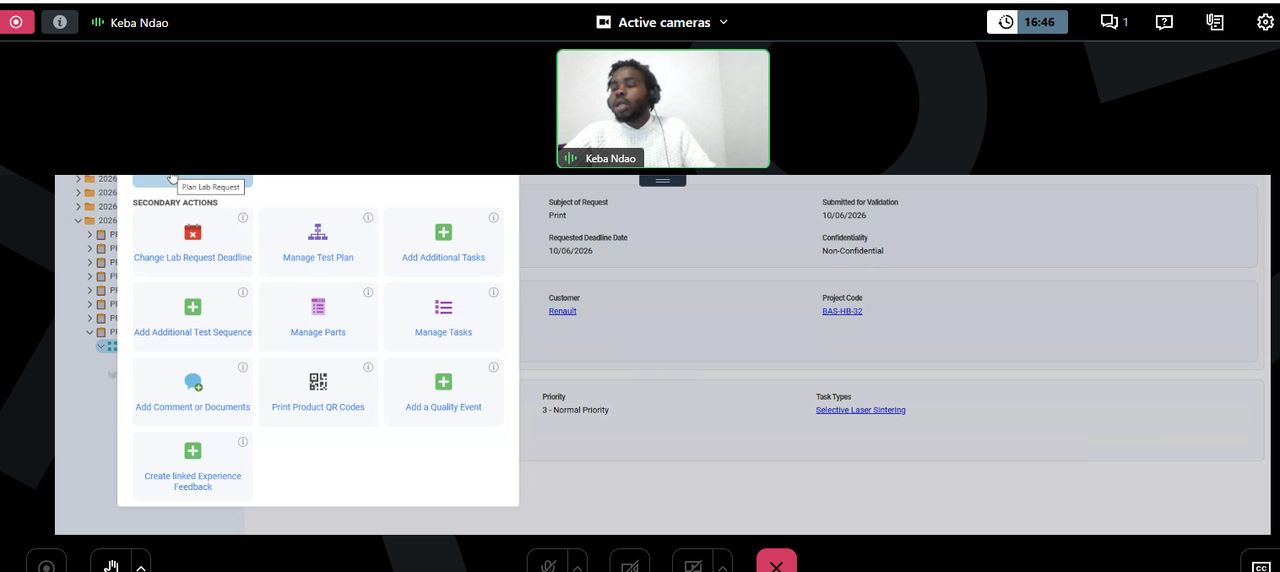
BASSETTI is best known as the creator of TEEXMA, a modular software platform used across multiple industrial sectors for managing technical information, maintenance processes, laboratory data, product lifecycle information, quality management, and additive manufacturing workflows.
Independent business databases estimate BASSETTI’s annual revenue at approximately US$11 million with a workforce of roughly 70 to 80 employees during 2025.
The company’s focus on technical knowledge management places it squarely within a growing trend toward digital transformation in maintenance-intensive industries.
TEEXMA and Auto Repair Digitization
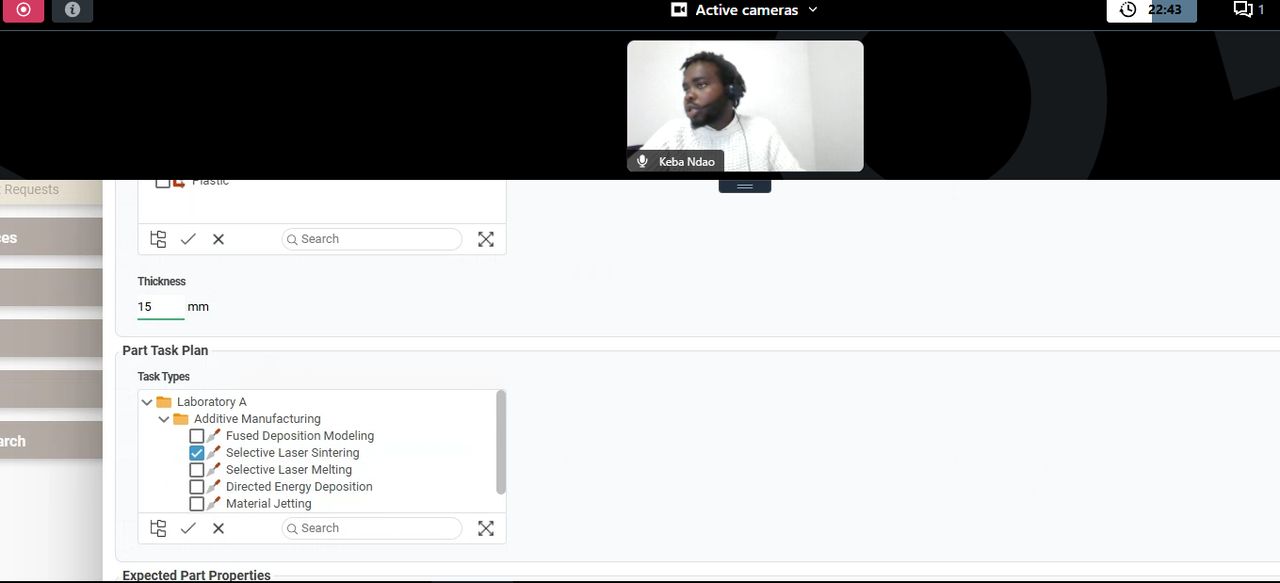
BASSETTI hosted a webinar on June 10, 2026, focused on Auto Repair Digitization and the role digital platforms can play in modern maintenance operations.
While the automotive repair industry has traditionally relied heavily on paper records, disconnected software systems, spreadsheets, and technician experience, increasing vehicle complexity is driving demand for more structured approaches.
TEEXMA addresses this challenge by creating a centralized environment for capturing, organizing, and leveraging technical information.
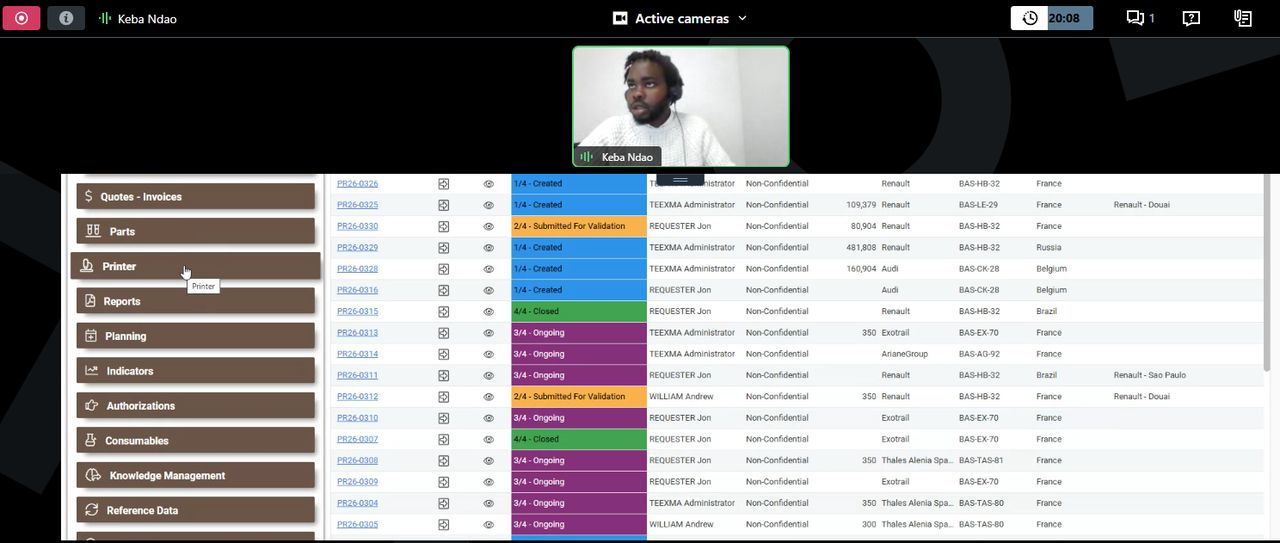
The platform enables organizations to manage maintenance records, repair histories, equipment documentation, technical procedures, inspection results, inventory information, and performance metrics within a unified digital framework.
For repair organizations, this can create several advantages:
- Improved traceability of maintenance activities.
- Faster access to historical repair information.
- Better documentation of service procedures.
- Enhanced knowledge sharing among technicians.
- More effective parts and inventory management.
- Greater visibility into maintenance performance metrics.
BASSETTI has also been promoting TEEXMA’s maintenance and KPI capabilities, including tools for tracking metrics such as Mean Time Between Failures (MTBF), Mean Time To Repair (MTTR), availability rates, intervention histories, and equipment performance.
As repair volumes increase and vehicles remain in service longer, these types of capabilities become increasingly valuable.
The trend is not limited to automotive repair. Across industrial maintenance sectors, organizations are investing in predictive maintenance, digital inspection systems, and data-driven asset management platforms that help extend asset life while reducing operational costs.
The same principles increasingly apply to vehicles.
The EV Transition May Simply Be Delayed
Interestingly, keeping vehicles longer does not necessarily imply resistance to electric vehicles.
In fact, many consumers delaying purchases today indicate that their next vehicle will likely be an EV.
The Wall Street Journal profiled several owners who intend for their current gasoline-powered vehicle to be their last internal combustion vehicle. Rather than replacing it now, however, they plan to maximize its useful life before eventually transitioning to an electric model.
This creates an unusual dynamic.
Consumers may be postponing EV purchases rather than rejecting them outright. As a result, the current vehicle fleet could continue aging while future EV adoption remains part of long-term purchase plans.
That means repair demand for conventional vehicles may remain elevated for years before a broader transition occurs.
Can Automotive Repair Software and Digitization Qualify for the R&D Tax Credit?
Yes. Automotive aftermarket companies, dealerships, and software providers developing digital maintenance platforms can claim the Section 41 R&D Tax Credit for Qualified Research Expenses (QREs) incurred during the design, development, and testing of advanced technical data management systems. Physical parts and software engineering initiatives aimed at optimizing technical data capturing, cross-platform repair tracking, and automated Key Performance Indicator (KPI) analytics must satisfy several criteria to qualify for federal and state tax incentives.
What Types of Repair Digitization Activities Qualify as QREs?
Eligible software development and engineering workflows within the automotive aftermarket ecosystem include:
- Advanced Diagnostics Integration: Developing custom API integrations to ingest and map complex telemetry and diagnostic trouble codes (DTCs) from legacy internal combustion engines and transitioning electric vehicle (EV) architectures into a centralized database.
- Automated Knowledge Management: Architecting specialized data schemas and modular software structures to capture, organize, and translate unstructured paper records and technician workflows into searchable, compliant digital assets.
- Predictive Maintenance Logistics: Engineering predictive data models and algorithm matrices that calculate parts degradation speeds, accelerating supply chain efficiency for hard-to-source components for older vehicle fleets.
Automotive Maintenance R&D Case Studies
| Sector & Developer | Innovation Focus | Technical & Operational Impact |
| Industrial Enterprise Software (e.g., BASSETTI Group) | Modular platform architecture (TEEXMA) for technical data and additive manufacturing workflows. | Centralizes multi-system maintenance logs, ensures strict traceability, and automates KPI asset tracking. |
| Aftermarket Logistics Provider | Predictive algorithms for legacy component inventory mapping. | Maximizes supply chain efficiency for hard-to-source parts required by vehicles exceeding 200,000 miles. |
| Dealership Network Service Systems | Cloud-based multi-bay synchronization and diagnostic tool interfaces. | Lowers operational down-time and improves service-bay gross profit margins via automated repair data capture. |
Final Thoughts
The aging of America’s vehicle fleet appears likely to remain a defining automotive trend throughout the remainder of the decade.
Geopolitical considerations favor US auto parts manufacturing. The US’ goal is to have a greater share of US auto parts manufacturing as opposed to Canada and Mexico, in the next round of North American Trade negotiations.
Additionally, Chinese car parts have flooded the automotive parts market. Approximately 10 percent of US auto parts are imported directly into the US, and it is estimated that another 40 percent come through indirectly. This presents both economic and security risks for the nation. Lawmakers are deliberating legislation that would ban China-made air bags and seat belts, arguing that Chinese investments in the American auto supply chain are increasingly concerning. All signs point to a 3D printed solution.
Higher vehicle prices, elevated financing costs, durable vehicle designs, and cautious consumer spending habits all support continued long-term ownership. As more vehicles stay on the road longer, geopolitical tensions are considered, and supply chain concerns remain, demand for repairs, maintenance services, replacement parts, diagnostics, and technical documentation will continue to expand.
Against that backdrop, BASSETTI Group’s TEEXMA platform arrives at a particularly relevant moment.
As repair organizations manage larger volumes of service information and increasingly complex maintenance operations, digital platforms that organize technical knowledge and maintenance data become more valuable. The company’s emphasis on maintenance digitization, knowledge capture, performance analytics, and technical data management aligns closely with the realities created by an aging vehicle fleet.
If Americans continue keeping their vehicles longer than ever before, solutions such as TEEXMA may find growing opportunities to help repair organizations operate more efficiently and leverage maintenance data more effectively. This trend suggests that digitalized maintenance management is not simply a modernization initiative. It may become an operational necessity.