
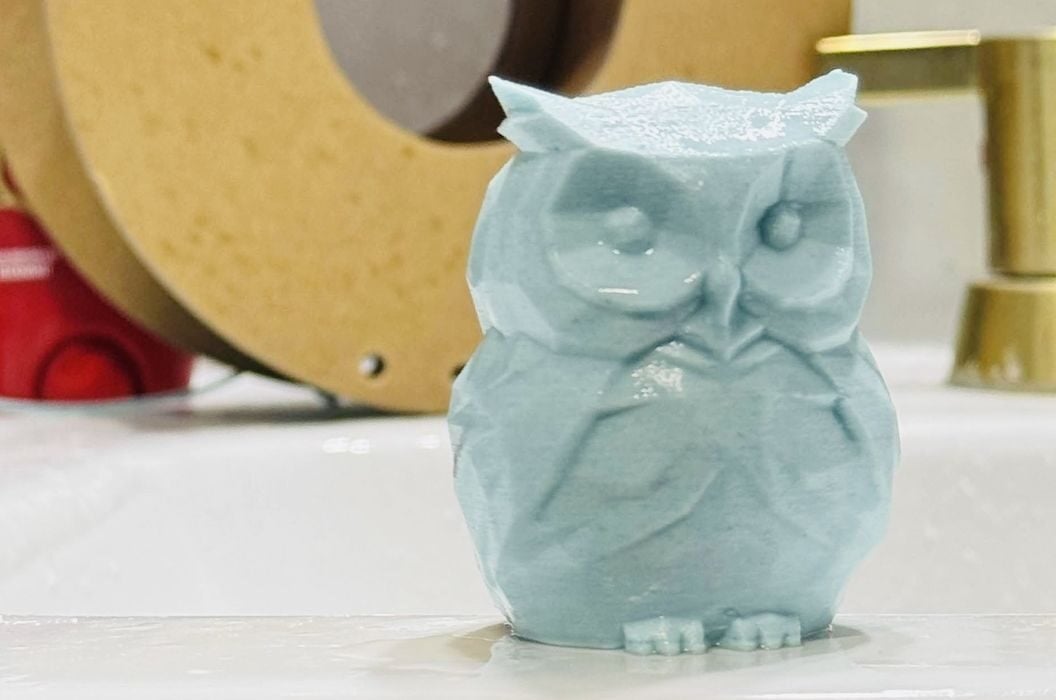
Timeplast has some incredibly unusual 3D printer filaments, now including “soap”!
We last saw Timeplast in November, when we learned that the Orlando-based company was developing a “time-based” filament. Basically, their alcohol-based material would dissolve in a predictable sequence. This enables the printing of “4D” objects, like a seed pod that would periodically release seeds.
It turns out that their alcohol-based material can be used for a range of other applications, based on a look at their current offerings.
While you can still buy basic Timeplast material, they have developed four extremely unusual 3D print materials that I am certain you have never seen before.
Note, these are not “gimmick” 3D printer filaments, like coffee, algae, coconut shells, bamboo, or other “filler” products made for marketing purposes. These new “TimeMass” products are practical and can be used for specific applications.
Let’s take a look at the four TimeMass products.
Soap
This is actually soap filament, meaning you can literally print a bar of soap with this material (see image at top). The soap can be used for washing, and it even forms bubbles in the latest version. Imagine being able to 3D print custom soap bars as gifts!
Fire
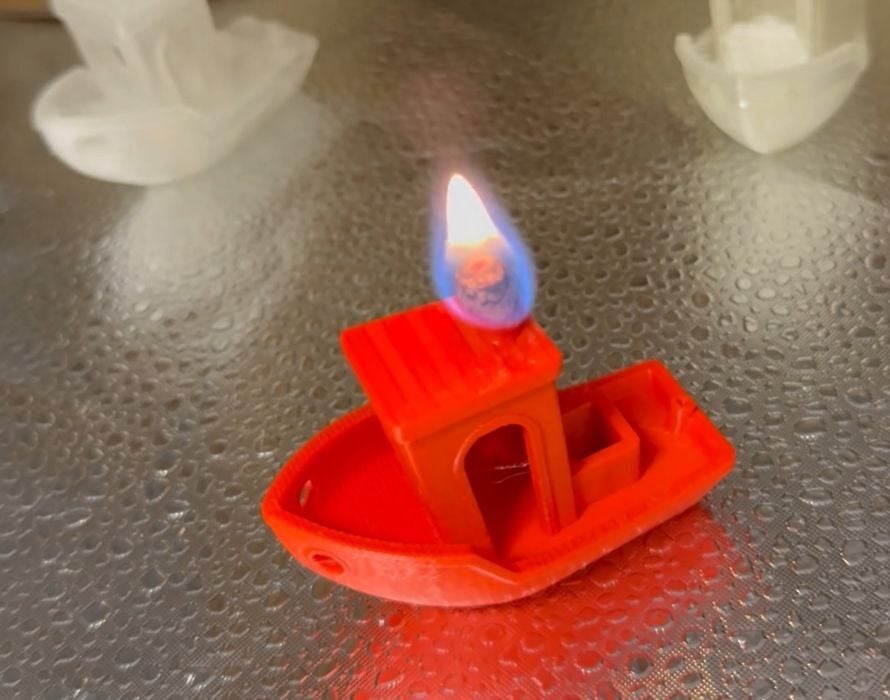
This is another very unusual material. Normally, PLA, PETG, and most 3D printer filaments simply melt when strongly heated. This material, however, literally lights on fire. Timeplast explains some possible applications:
“Want to print candles? Fire sculptures? Ritual objects for your post-plastic utopia? Go wild. You can even design your prints to control how they burn—fast, slow, flashy, or dramatic.”
Plant Vitamin
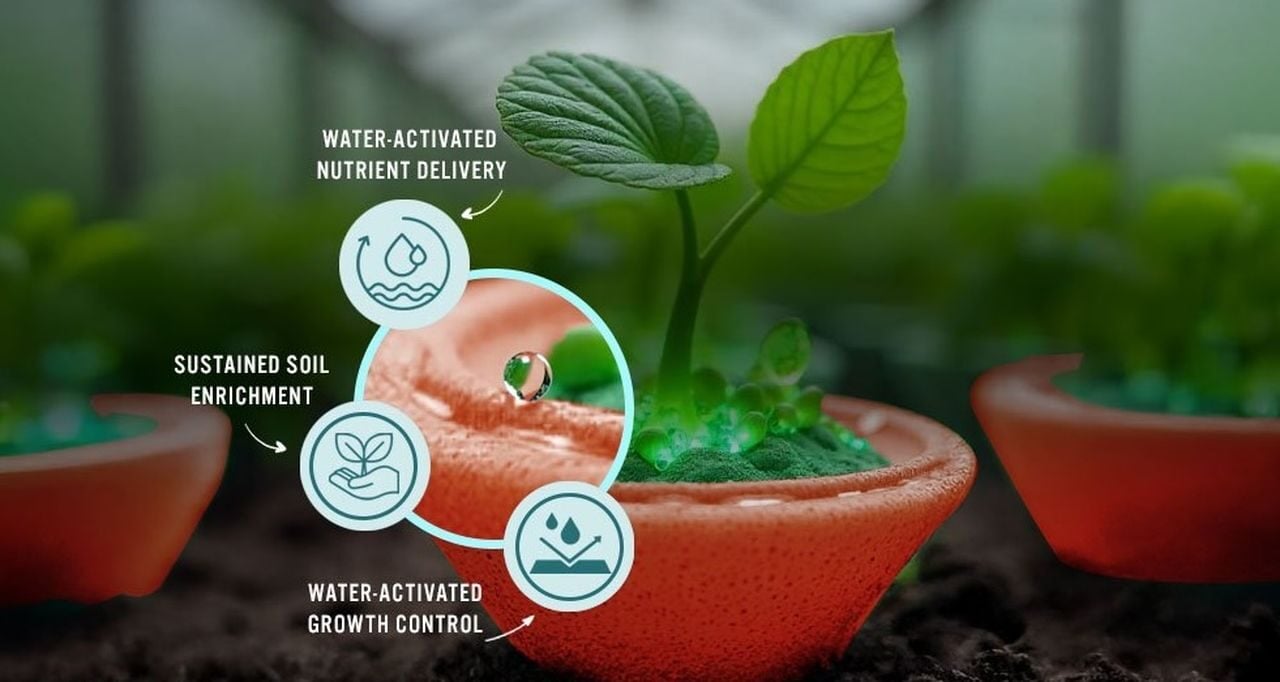
This material will slowly release plant nutrients, including carbon, nitrogen, phosphorus, sulfur, and calcium carbonate. The idea is to 3D print a structure that can be placed around a plant to slowly release food for the plant.
The interesting aspect is that you can program the nutrient delivery by adjusting the amount of time that dissolving will take. It’s like having a programmable feeder for your plant, but without the electronics.
Light
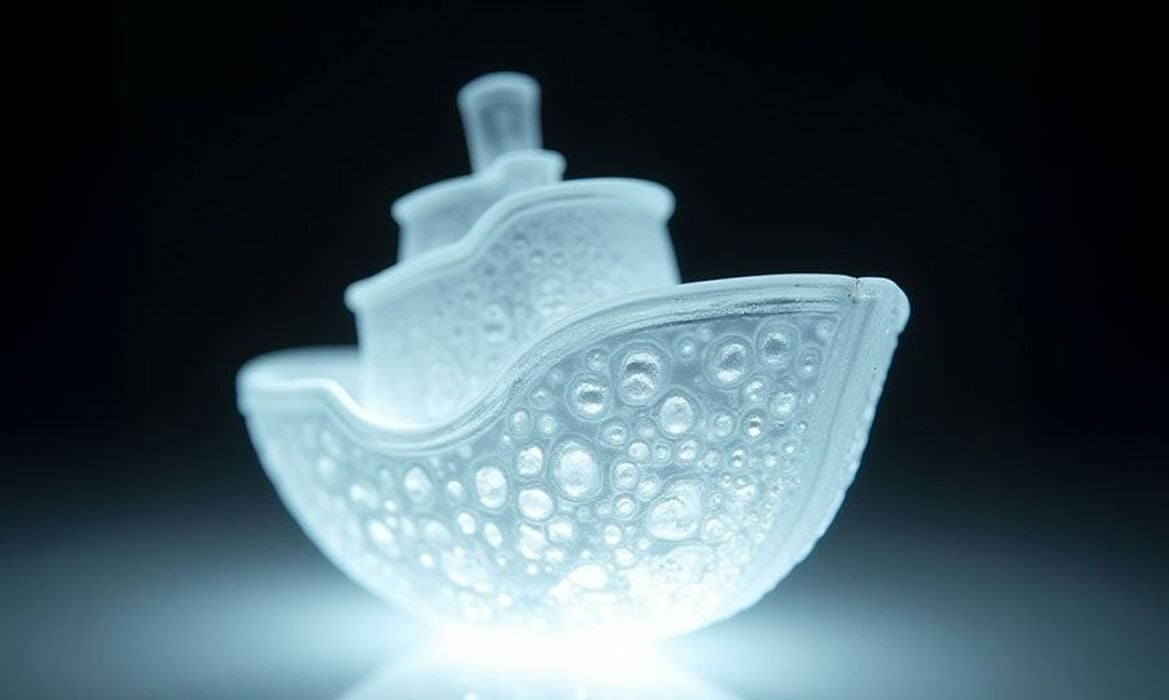
This material includes microscopic voids that capture and bend light, meaning you can 3D print structures that act somewhat like optical fibre. Light is transmitted along paths, creating even light distribution. You can create strange glowing sculptures that require a minimum amount of LEDs to power them because the light is so efficiently transferred.
Specifications
These filaments are all available today from Timeplast, and seem to be sold on 350g spools, about a third the size of typical 1kg spools. The small size is likely due to the price of the material, along with the fact that they would typically be used sparingly in applications.
Pricing is US$20 for each, except for the Plant Vitamin product, which is priced at US$25 per spool.
Timeplast provides extensive instructions on how to print each, including some directly usable print profiles.
Via Timeplast
