
A 3D printed shoe could change from mesh to solid-looking surface without creating a stiff seam, according to a new Zellerfeld patent application.
A mesh section is flexible because its outer lines are separated by gaps. A closed section has continuous walls, which can make it noticeably stiffer. Put the two side by side and the boundary can behave like an unwanted hinge or hard strip.
Zellerfeld R&D GmbH, based in Hamburg, proposes handling the transition inside the slicing process instead of building the shoe from several separate models. They are one of the leaders in the on-demand production of 3D printed footwear, now with many dozens of different shoe designs available. Their patent application, published as US20260257416A1, is titled “Method for Designing and 3D Printing a Shoe With a Plurality of Outer Surface Areas.”
One Shoe Model Instead Of Several Parts
The designer starts with one volume model for the shoe and adds surface information identifying areas that should look or behave differently. One area might have a closed outer shell, another might expose a mesh, and a third might use a rough or repeating texture.
A new slicer reads that surface model and generates the extrusion paths. It can create walls where a closed surface is wanted, leave gaps where the upper should look like mesh, and connect both regions with the same underlying infill pattern. The goal is for the infill lines to continue across the boundary instead of stopping at a vertical wall and starting again on the other side.
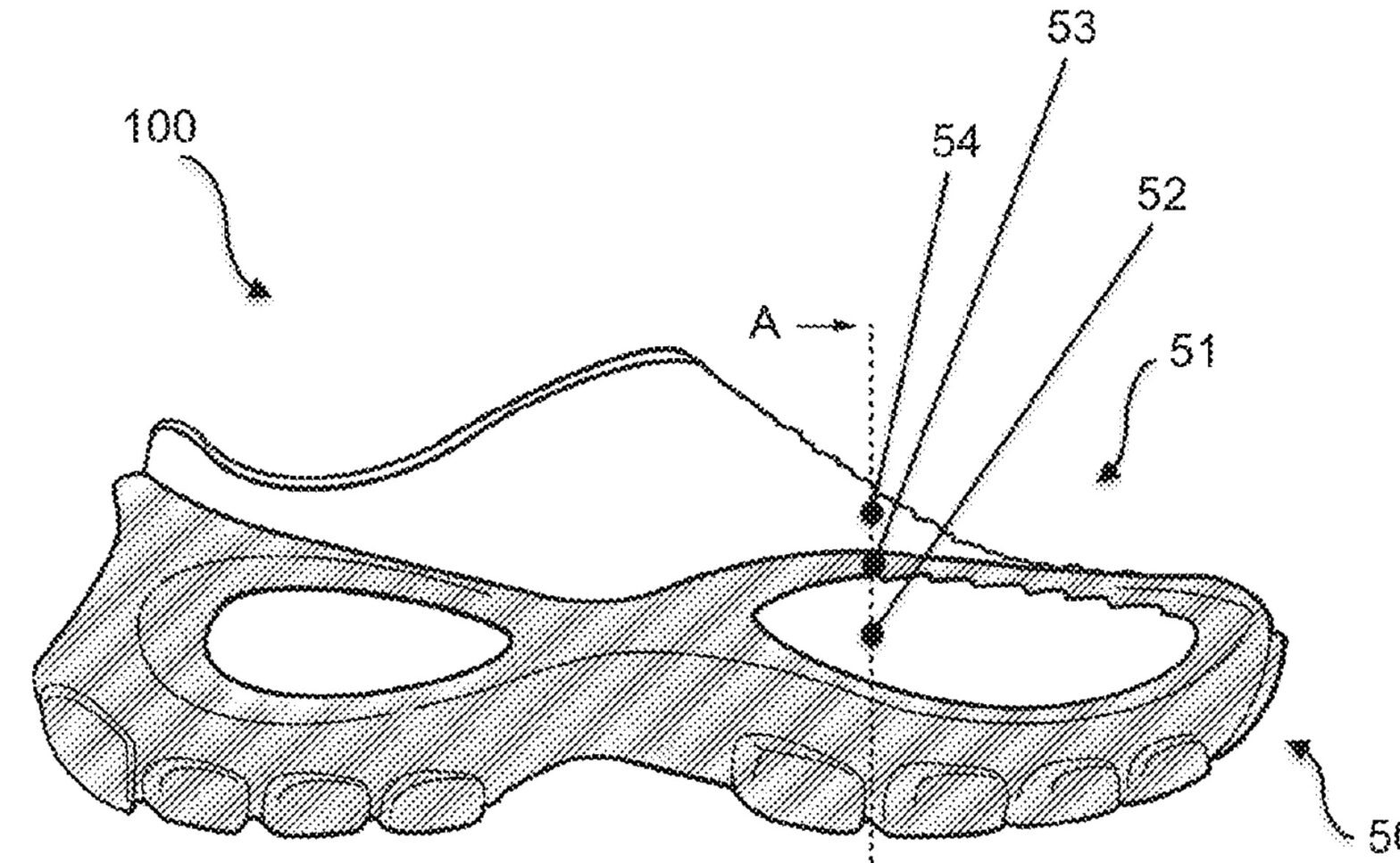
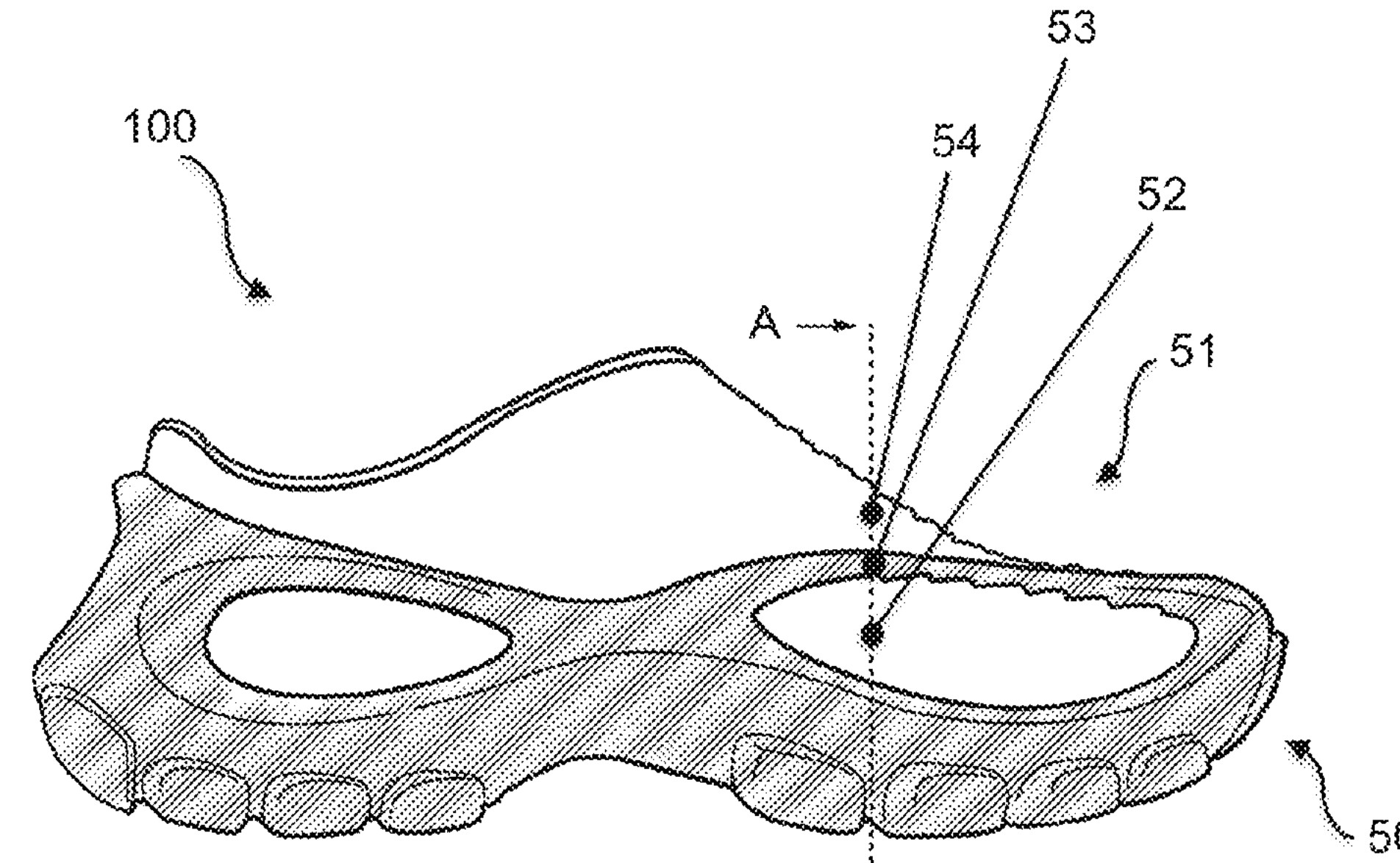
The drawings show a shoe upper with a closed strip next to open mesh. In the older approach described by the filing, those regions are treated as separate models. The resulting toolpaths can create an “island” of extra material, making that spot harder and less comfortable. Zellerfeld’s proposed path lets the internal structure flow through the change in appearance.
The patent also pays close attention to the angle of the infill lines. Lines that run nearly perpendicular between the outer and inner surfaces tend to make a shoe section stiff, so the claims describe keeping the orientation changes between neighboring connecting lines relatively small. The filing gives preferred differences below 30 degrees, with smaller values preferred.
That geometry is doing more work than the surface texture itself. A closed outer line can change the appearance while the infill beneath it remains similar to the neighboring mesh region. The shoe can therefore have a smooth-looking band, a ventilated mesh area and a continuous internal structure without a hard seam marking every transition.
Sizing The Infill For The Shoe, Not Just The File
Another interesting part of the filing concerns shoe sizes. Simply scaling GCODE from a reference size can change the distance between infill lines, the wall thickness and the feel underfoot. A small shoe may end up stiffer than a larger version of the same design.
The proposed slicer creates an individual slicing model for each size. It can preserve the same surface properties and general softness while changing the number or arrangement of infill connections. The application even describes a design platform where a customer could provide foot measurements and select surface characteristics before the shoe is printed.
The claims cover extrusion 3D printing, a continuous inner mesh or textile-like structure, a sole with a continuous outer surface, and printing without retracting the extrusion head. In the most ambitious version, a layer can be produced in one continuous motion, reducing stops and starts across the shoe.
That last part puts a substantial burden on the slicer. It has to turn a designer’s surface labels into reliable paths while preserving softness, strength and appearance across many sizes and shapes.
The Zellerfeld filing reveals a pretty sensible direction for automated footwear: let the designer describe the outside of the shoe once, then let software manage the invisible structure underneath.
For Zellerfeld, this patent could form a key advantage for their future in the rapidly growing 3D printed custom footwear market.
Via Espacenet
