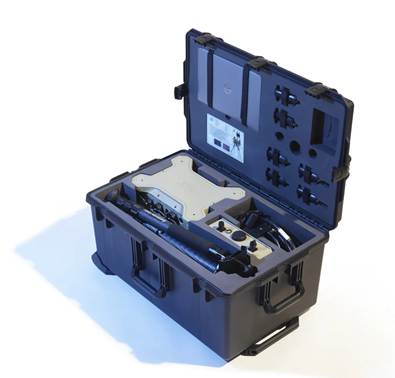
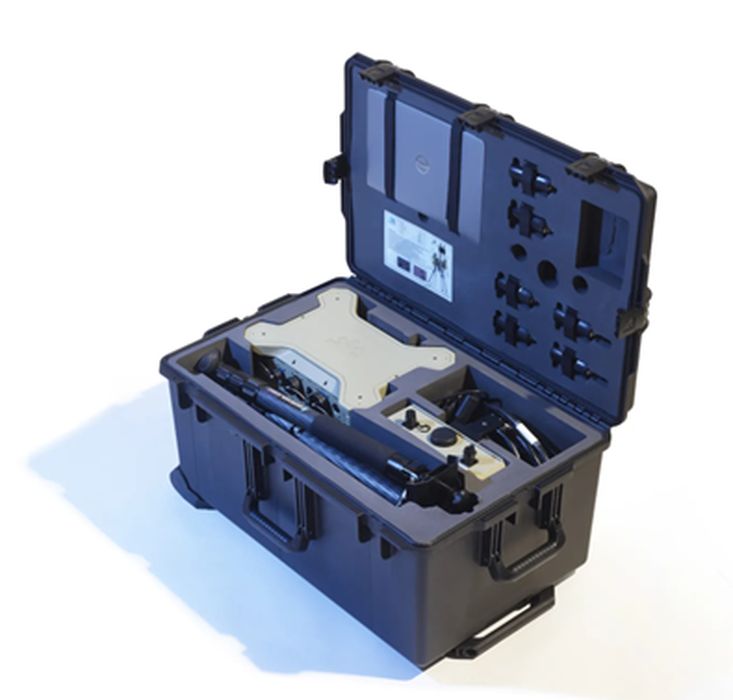
Charles R. Goulding and Andressa Bonafe cover the deployment of counter-drone security across many FIFA World Cup 2026 venues and how 3D printing can achieve new heights with these measures.
Ondas Holdings recently announced that its subsidiary Sentrycs had secured multiple contracts worth millions of dollars from federal, state, and local public safety organizations to deploy counter-drone protection across most FIFA World Cup 2026 venues. The announcement underscores how seriously security planners are treating the aerial threat landscape ahead of the tournament, which opens June 11, 2026, in Mexico City and concludes July 19 at MetLife Stadium in New Jersey. Far beyond a soccer tournament, the World Cup is, by any measure, one of the most complex security operations ever attempted on North American soil.
The World Cup’s Unprecedented Scale
The 2026 FIFA World Cup will be the largest in the tournament’s history. For the first time, three nations are co-hosting: the United States, Canada, and Mexico. A total of 48 teams will play 104 matches across 16 host cities. FIFA-assigned match capacities range from 45,736 at BMO Field in Toronto to 92,967 at AT&T Stadium in Dallas, with MetLife Stadium in New Jersey (host of the final) set at 87,157. FIFA President Gianni Infantino has compared the logistical scope to“hosting 80 major sports events” simultaneously.
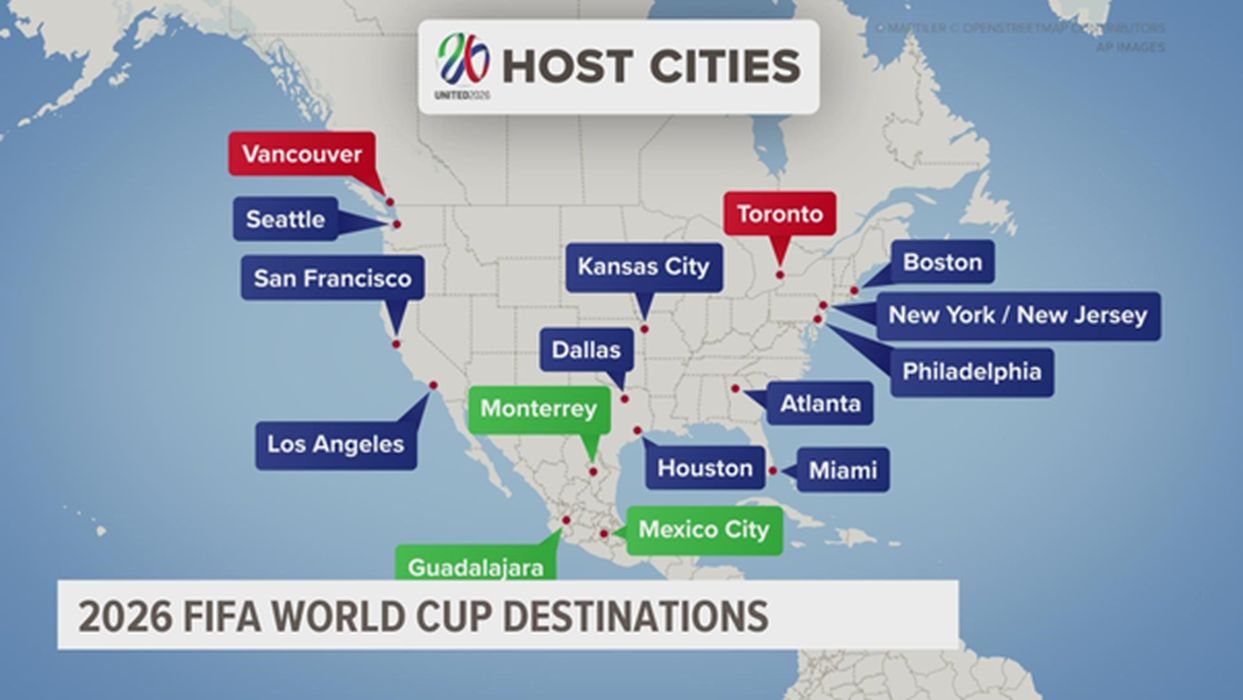
The scale creates layered security challenges that no single agency can address alone. Coordinating security across three sovereign nations, each with its own legal framework, currency, and transit infrastructure, presents unprecedented operational challenges. Roughly seven million fans are expected to attend matches, and millions more will gather at fan zones and unofficial watch parties across all three countries.
Security Threats and the Airspace Problem
Security planners have identified a range of threats, from lone-actor violence and organized terrorism to cyberattacks and crowd management failures. The 2015 Paris attacks at the Stade de France, in which suicide bombings targeted a stadium entrance and nearby areas during a soccer match, remain a reference point for event security professionals worldwide.
One threat has generated its own dedicated federal funding stream: unauthorized drones. Unmanned aerial systems can carry harmful payloads, disrupt matches, compromise surveillance operations, and penetrate perimeters that would stop a ground-level intruder.G.B. Jones, Chief Safety and Security Officer for the 2026 FIFA World Cup, flagged drone threats as among the most consequential facing his team, citing the difficulty of detection and the range of potential misuses.
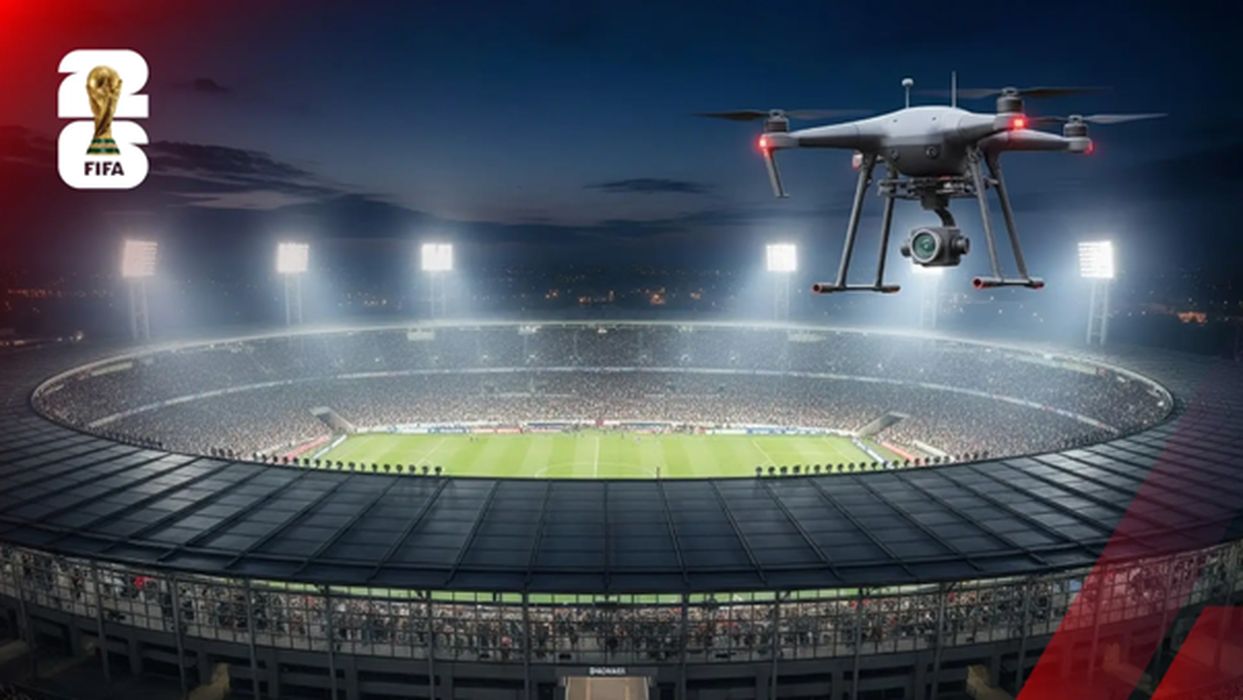
FEMA’s Counter-Unmanned Aircraft Systems Grant Program has allocated US$500 million over two fiscal years to the 11 host states specifically for drone detection and mitigation, with DHS adding a further US$115 million for counter-drone technologies, a threat category that barely existed a decade ago. Travis Scott of Dedrone by Axon described the coordination effort bluntly: “There’s no doubt that this is the largest multi-agency coordination for airspace security in U.S. history.”
A Multi-Layered Counter-Drone Architecture
Security planners have built a layered counter-UAS architecture that combines detection, tracking, identification, and mitigation deployed across stadiums, fan zones, and surrounding areas. No single technology handles all of these functions. Instead, multiple vendors and systems operate in concert under DHS coordination.
Detection systems identify unauthorized drones entering protected airspace and alert operators in real time. Identification systems determine the drone’s type, origin signal, and likely operator. Mitigation systems either disable, intercept, or redirect drones away from sensitive areas. Drone as First Responder (DFR) programs add a positive-use dimension, deploying police drones to investigate threats faster than ground units can respond.
Key Counter-Drone Players at the World Cup
Three companies have announced confirmed roles in World Cup airspace security, each bringing a distinct technical approach.
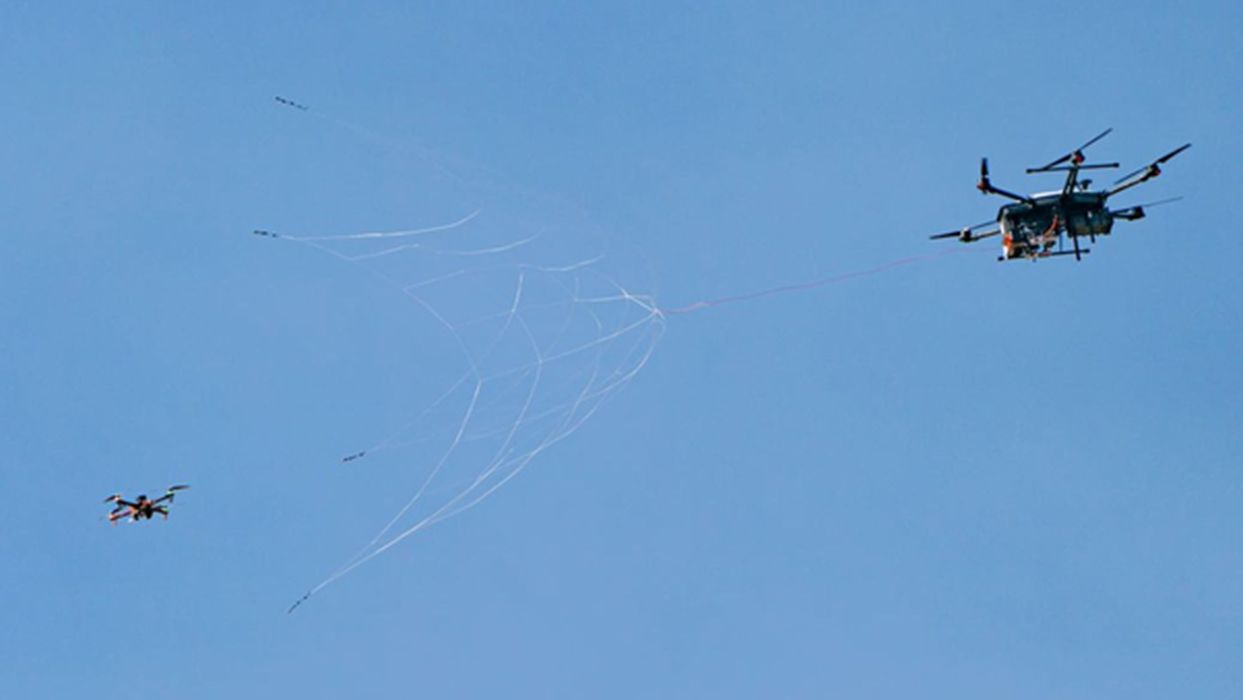
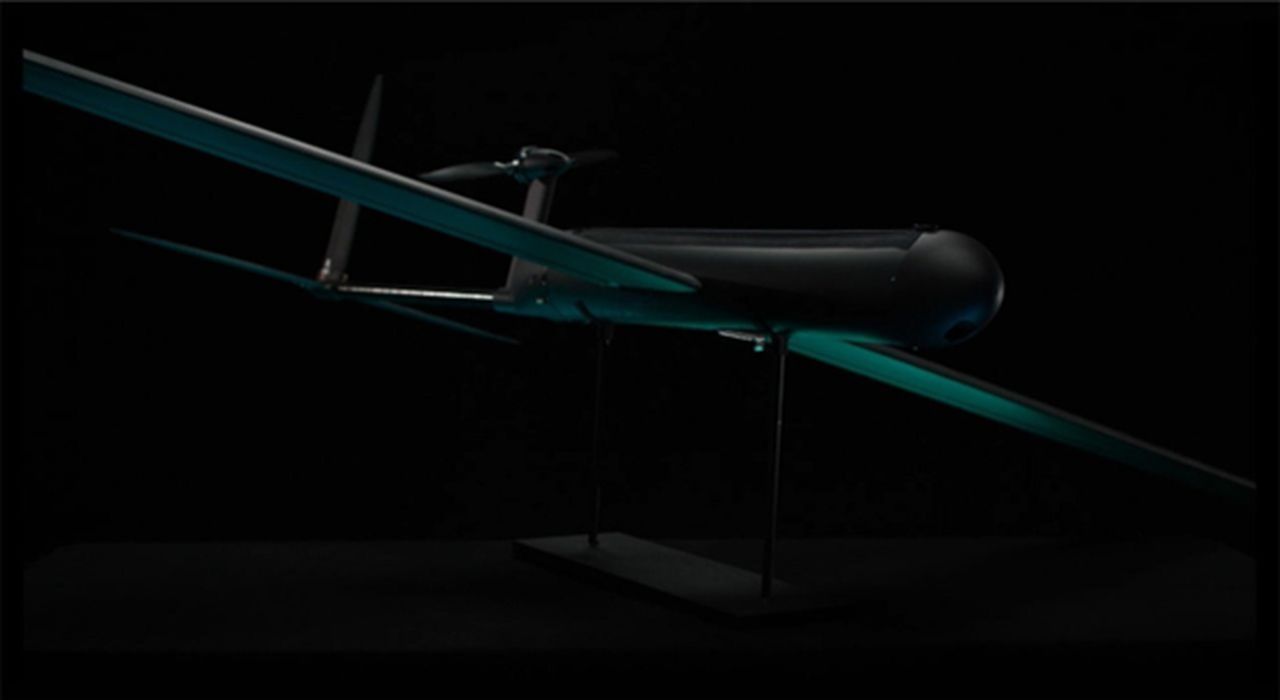
Fortem Technologies, based in Utah, has been awarded amultimillion-dollar contract by the Department of Homeland Security to deploy its DroneHunter counter-drone system at World Cup venues. The DroneHunter 5.0 is an AI-enabled, radar-guided autonomous interceptor that pursues unauthorized aircraft, ensnares them in a tethered net, and carries them away from the protected area. The system integrates with Fortem’s TrueView R30 radar units and SkyDome command-and-control software. In January 2026, the Pentagon’s counter-UAS task force, JIATF-401, chose DroneHunter as its opening acquisition under the Replicator 2 program, a Pentagon program designed to compress the timeline between acquisition decisions and field deployment of counter-drone capabilities. In March 2026, the U.S. Army awarded Fortem an US$18 million contract for counter-drone systems at Army sites worldwide.
Dedrone by Axon brings deep event-security credentials to the World Cup. Axon acquired the counter-drone startup Dedrone in 2024, and Dedrone’s technology had already protected the 2022 FIFA World Cup in Qatar, protecting airspace across nearly 900 square kilometers and dozens of key locations throughout the host country. According to Axon, the company has built working relationships with law enforcement agencies in all 11 U.S. host cities, who will run drone detection and first-responder operations around match venues under DHS oversight. Dedrone’s 10th Annual Airspace Security Report, published in December 2025, predicted that the 2026 World Cup and 2028 Los Angeles Olympics will mark a turning point after which airspace security becomes a baseline expectation for any major public gathering, not just high-profile sporting events.
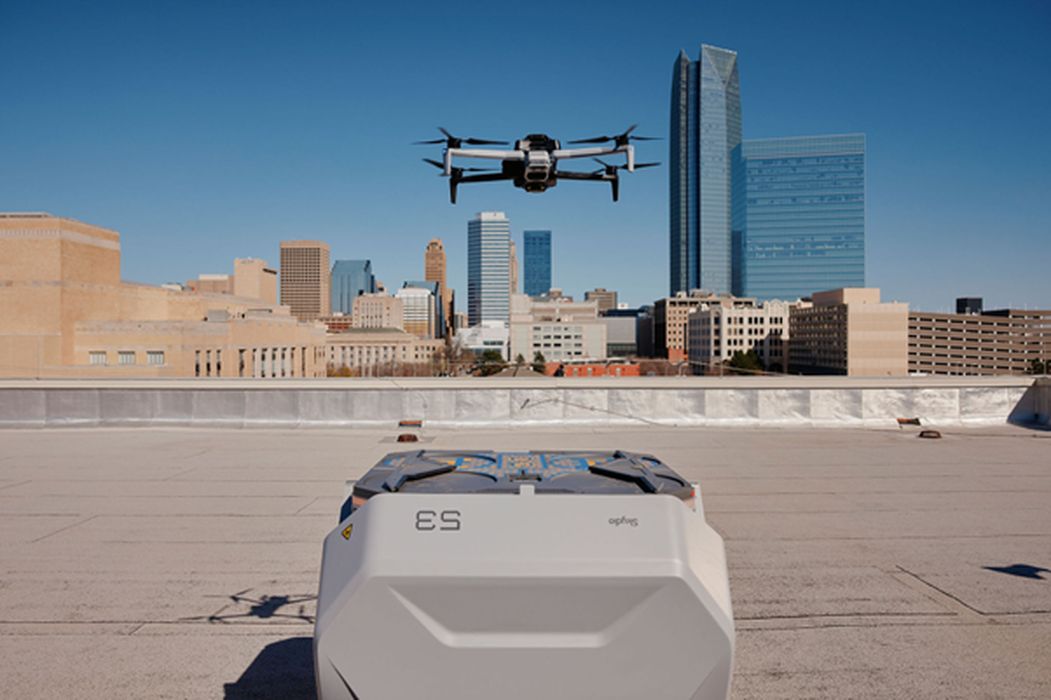
Sentrycs, a subsidiary of Nasdaq-listed Ondas Holdings, uses a Cyber-over-RF (CoRF) that monitors airspace for unauthorized drone activity using signal analysis alone, without disrupting communications or physically intercepting aircraft. When a threat is confirmed, operators can remotely assume control of the offending aircraft and bring it down at a predetermined safe location. The technology is designed specifically for dense urban environments and crowded venues, where interference with authorized communications must be avoided.
Where 3D Printing Enters the Picture
Across both the threat and defense sides of the drone industry, additive manufacturing has become an increasingly central part of how unmanned systems are designed and built. Drones are subject to a fundamental constraint: every gram of unnecessary weight reduces flight time, payload capacity, and maneuverability. Traditional manufacturing methods (such as CNC machining, injection molding, vacuum casting) impose design constraints that limit how aggressively engineers can optimize for weight. Additive manufacturing removes many of those constraints.
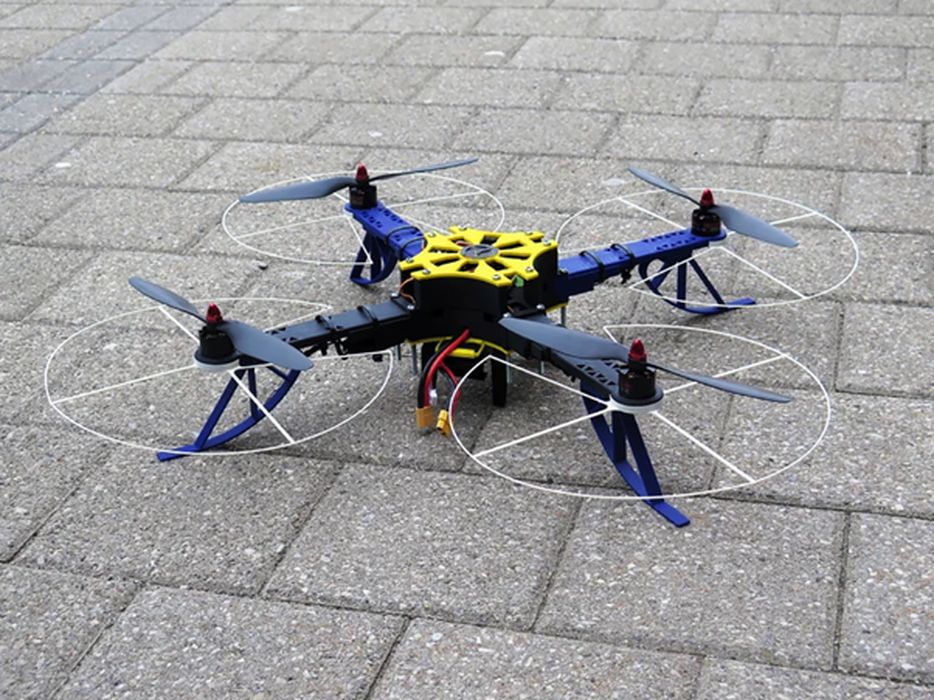
3D printing allows engineers to consolidate multiple components into single printed parts, incorporate internal lattice structures that reduce mass without sacrificing strength, and produce complex geometries that are impossible to machine from solid stock. The result is a manufacturing approach that is faster, more flexible, and increasingly cost-competitive for the low-to-medium production volumes typical of the drone industry.
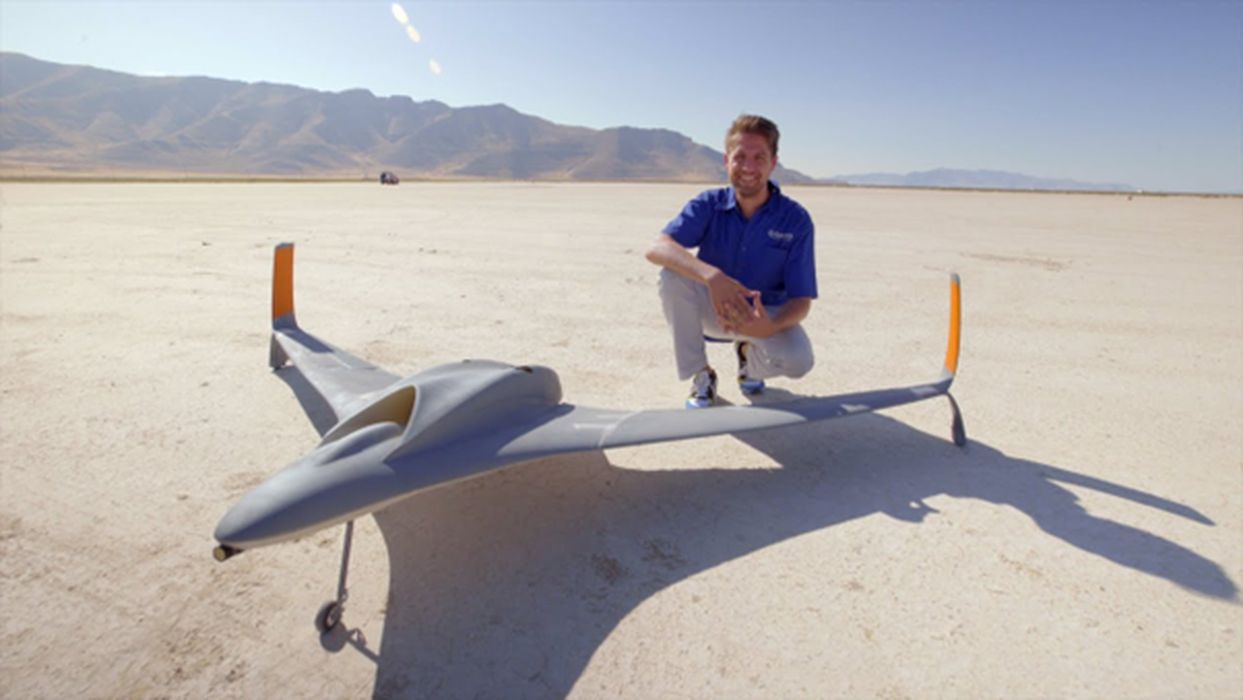
Stratasys, one of the longest-established names in additive manufacturing, has spent decades building expertise in UAV and drone applications. Stratasys Direct has built up more than three decades of UAV manufacturing experience, producing a range of printed components for commercial and defense drone applications, including structural brackets, battery housings, gimbals, and wire routing assemblies. The company also worked with Aurora Flight Sciences, a Boeing subsidiary, on what was reported as the world’s first jet-powered, 3D printed UAV, a demonstration of how additive manufacturing can build completely closed, hollow structures that are large yet less dense than conventionally manufactured equivalents.
HP’s Multi Jet Fusion (MJF) technology has become a significant force in drone production at scale. According to HP’s drone segment manager, a single MJF printer can support production of more than 7,000 small quadcopter units per month, or approximately 100 fixed-wing UAV airframes per month. HP exhibited its MJF capabilities for drone applications at XPONENTIAL 2025, where Forecast 3D, a long-standing HP partner, described scaling to produce millions of MJF parts annually. HP’s approach supports supply chain resilience by bringing manufacturing closer to the customer without the capital investment of building out parallel production facilities.
Unusual Machines, a publicly traded U.S. drone manufacturer, uses HP’s Multi Jet Fusion to produce critical components including hoops, connectors, and other small structural parts. The MJF process enables the complex geometries these components require while supporting mass production volumes.
AeroVironment, a leading U.S. defense drone manufacturer, uses additive manufacturing extensively for rapid prototyping and end-use component production. As we detailed in “From Printer to Payload: Additive Manufacturing’s Role in the U.S. Drone Surge,” AeroVironment’s integration of 3D printing supports the Pentagon’s demand for scalable, attritable drones under the Drone Dominance doctrine announced in July 2025. Unlike expensive “exquisite” systems, attritable assets are designed to be low-cost and expendable or highly-reusable, allowing commanders to accept losses of drones in combat without significant impact to the mission. Forward units using AeroVironment platforms can fabricate and replace parts on-site, reducing downtime in deployed environments.
These examples reflect a pattern we have been tracking for some time. In previous pieces, we examined how the conflict in Ukraine accelerated military adoption of 3D printed drone components; how six European nations are using printed parts to build a drone-based defense perimeter along the Russian border; how companies like Zipline, DroneUp, and Matternet are using additive manufacturing to produce the lightweight structures their delivery fleets depend on; and how North Texas has quietly become a national hub where drone production and 3D printing converge (the same region now hosting some of the World Cup’s largest matches at AT&T Stadium).
The Research & Development Tax Credit
The now permanent Research and Development (R&D) Tax Credit is available for companies developing new or improved products, processes and/or software.
3D printing can help boost a company’s R&D Tax Credits. Wages for technical employees creating, testing and revising 3D printed prototypes can be included as a percentage of eligible time spent for the R&D Tax Credit. Similarly, when used as a method of improving a process, time spent integrating 3D printing hardware and software counts as an eligible activity. Lastly, when used for modeling and preproduction, the costs of filaments consumed during the development process may also be recovered.
Whether it is used for creating and testing prototypes or for final production, 3D printing is a great indicator that R&D Credit eligible activities are taking place. Companies implementing this technology at any point should consider taking advantage of R&D Tax Credits.
Conclusion
The 2026 FIFA World Cup has become one of the most consequential proving grounds for counter-drone technology in history, driving hundreds of millions of dollars in public investment and deploying an array of detection, tracking, and mitigation systems across 16 cities and three countries. For the 3D printing industry, the World Cup is more than a backdrop; it is a live demonstration of additive manufacturing’s role at the frontier of public safety and defense, and a reminder that the companies driving that innovation may have significant, often unclaimed R&D tax benefits.