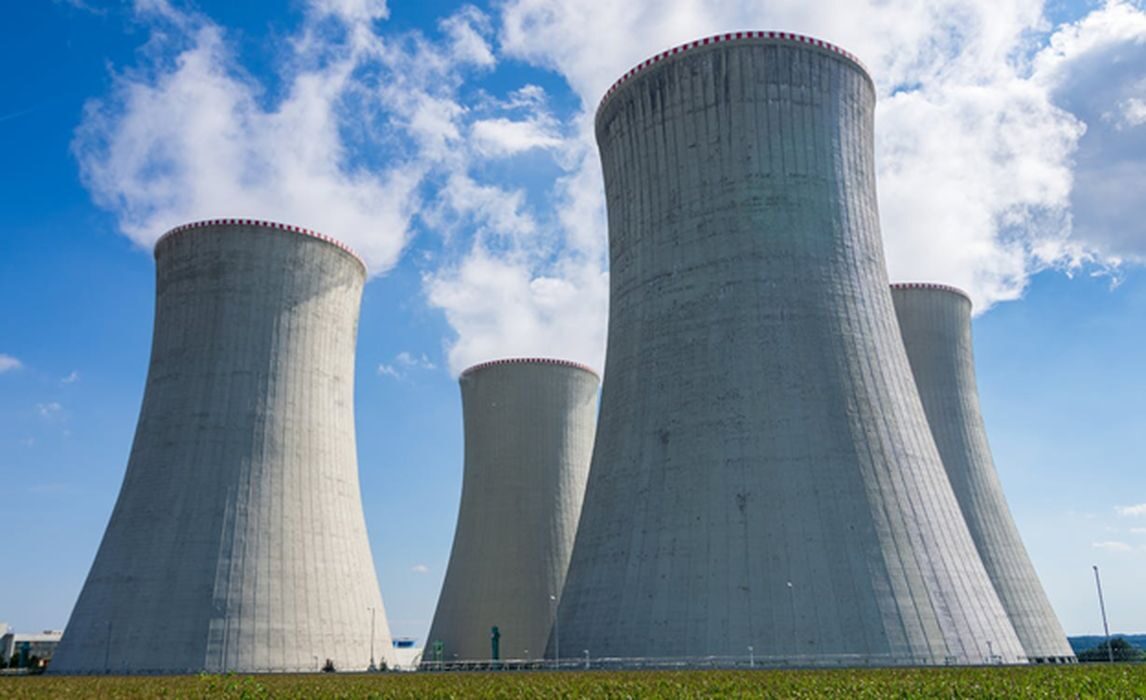
Charles R. Goulding and Kate Esposito detail how Finland is leveraging 3D printed components to extend reactor lifespans and reduce operational risks.
Introduction: Finland’s Increasing Focus on Nuclear Power
In 2022, Finland introduced its new climate policy with the Climate Change Act. Part of this approach involves an increase in nuclear power, which is a low-carbon energy source. Finland currently has five operating nuclear reactors in two power plants, providing 35% of the country’s electricity generation. In the future, Finland aims to commission two more nuclear reactors and extend the lifetimes of its existing plants. This creates an opportunity for additive manufacturing to be implemented both within the new reactors and to help the older ones continue to function. Additive manufacturing is gaining popularity across the nuclear field and could help Finland achieve its goal of carbon neutrality by 2035.
Why Finland is Turning Towards Additive Manufacturing in its Nuclear Sector
Additive manufacturing technologies are becoming increasingly popular within nuclear reactors, in part because they offer improved safety and reliability compared to traditionally manufactured components. Westinghouse Electric Company, a leading global provider of nuclear technology, has begun using additive manufacturing to create debris filters for reactors. 3D printing technology enhances design freedom when constructing the filters, ensuring smaller component sizes can be produced. By reducing the diameter of debris that can enter the reactor, the risk of fuel damage is greatly minimized. Additively manufactured filters have increased debris resistance from 65% to 96%, making nuclear reactors much safer and increasing global confidence in nuclear power.
Because nuclear reactors are used for multiple decades, components within the reactors frequently need to be replaced. However, it is often difficult to find replacement parts due to lack of supply or manufacturer shutdowns. Without replacements, nuclear companies must waste time and money on temporary shutdowns or close their reactors permanently. As a result, leading corporations are increasing their reliance on 3D printed reactor parts. Additive manufacturing technology offers many advantages, including rapid prototyping, increased efficiency, cost effectiveness, design flexibility, on-demand production, and the creation of complex geometries. By providing a way for outdated reactor parts to be easily replaced, 3D printing ensures that nuclear reactors can safely function without having to close.
Researchers at the Oak Ridge National Laboratory (ORNL) have recently finished testing the suitability of 3D-printed components in irradiated areas. ORNL’s tests were a resounding success, demonstrating that additively manufactured components can meet the rigorous safety standards required in nuclear applications. In the past, 3D printed components were only installed in low-pressure reactor sectors where they would not be exposed to high radiation levels. The results of ORNL’s tests prove that these parts can now be utilized wherever necessary and replace any components within the reactors.
The Finnish government recognizes the potential of additive manufacturing to revolutionize many different fields and is actively encouraging companies to implement this technology. In 2020, DIMECC Ltd., a leading innovation platform in Finnish manufacturing, launched the Finnish Additive Manufacturing Ecosystem (FAME) with funding from Finland’s Ministry of Employment and the Economy. The purpose of FAME is to create an open 3D printing experimental center to make Finland a leading country in additive manufacturing technology. Companies of all sizes are able to share facilities and equipment, bringing together material suppliers, machine builders, and design and printing experts to help even the smallest members grow and more effectively utilize additive manufacturing. FAME highlights Finland’s understanding that 3D printing is key to helping it become a global leader in manufacturing and nuclear power production.
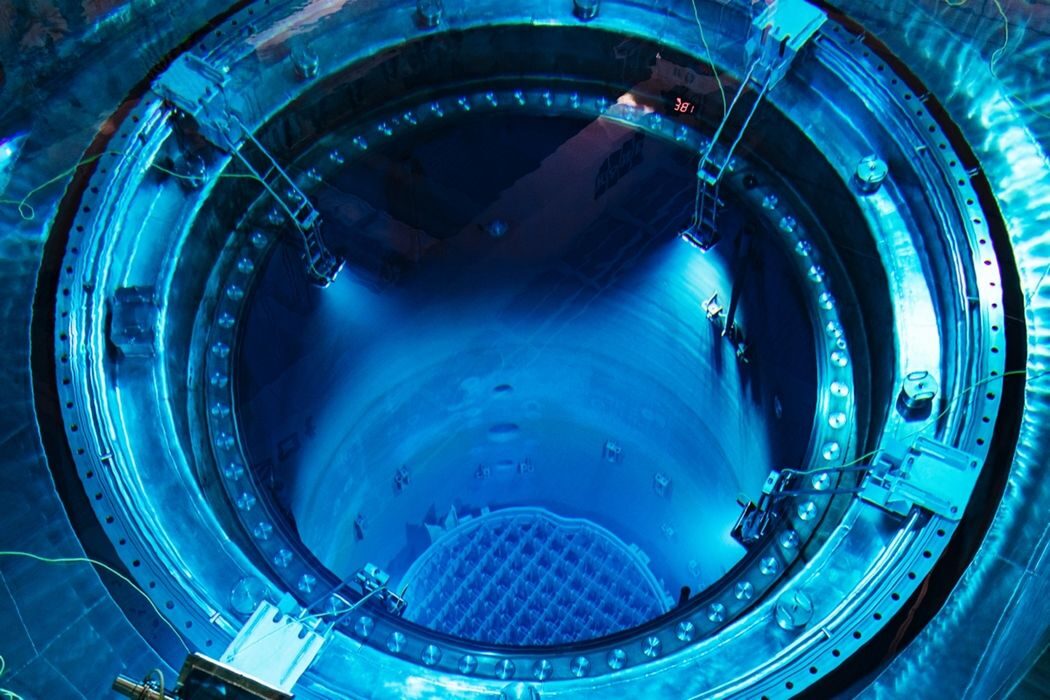
Implementation of 3D Printed Parts Within Finland’s Nuclear Power Plants
Leading nuclear companies have begun using additively manufactured parts in Finland’s nuclear reactors. In 2021, Fortum, owner of Finland’s Loviisa plant, and Teollisuuden Voima Oy (TVO), owner of the Olkiluoto power plant, carried out a joint test of the first valve featuring a 3D printed housing chamber. The valve was supplied by Finnish company Neles Oy and was installed at Olkiluoto. TVO stated that the valve housing was 3D printed to offer an alternative solution after suppliers for the part decreased and that they will continue using this method should they run into further supply issues. Fortum agreed, adding that in the future they wish to use additively manufactured parts to produce safety-classified components for nuclear plants. Both companies believe 3D technology has evolved to a degree that allows them to safely and comfortably use 3D printing in the nuclear energy sector.
In 2022, Westinghouse Electric installed its StrongHold AM debris filters in the Olkiluoto plant in close cooperation with TVO. The filters are fully manufactured using 3D printing and offer enhanced capture features to better prevent debris from entering the fuel assembly. This technology has proven to greatly reduce the risk of fuel damage, and the filters’ use at Olkiluoto has improved public opinion towards and increased confidence in the plant’s safety.
Because spent nuclear fuel remains radioactive for thousands to millions of years after use, it must be extremely well contained. Finland is working to create the best possible method of spent fuel storage. To do so, the Finnish company Posiva is constructing the world’s first geological fuel repository, called Onkalo, on Olkiluoto Island. The repository will hold all of Finland’s spent fuel from the last 45 years more than 1,300 feet below Earth’s surface in corrosion-resistant cannisters embedded in crystalline bedrock. The fuel will be stored for hundreds of thousands of years, with the facility set to be permanently sealed in the 2100s. Though Posiva has not stated that they will use additive manufacturing technology, it is possible that 3D printing could help with long-term fuel storage. ORNL recently used additive manufacturing to produce an 837-pound stainless steel fuel storage cannister which passed drop and puncture resistance tests. Posiva may be able to utilize this technology to produce storage containers faster and house spent fuel more securely.
The Research and Development Tax Credit
The now permanent Research and Development (R&D) Tax Credit is available for companies developing new or improved products, processes, and/or software. 3D printing can help boost a company’s R&D Tax Credits. Wages for technical employees creating, evaluating, and revising 3D-printed prototypes are typically eligible expenses toward the R&D Tax Credit. Similarly, when used as a method of improving a process, time spent integrating 3D printing hardware and software can also be an eligible R&D expense. Lastly, when used for modeling and preproduction, the costs of filaments consumed during the development process may also be recovered.
Whether it is used for creating and testing prototypes or for final production, 3D printing is a great indicator that R&D Credit-eligible activities are taking place. Companies implementing this technology at any point should consider taking advantage of R&D Tax Credits.
Conclusion: The Future of Finland’s Nuclear Power Sector
Leading nuclear power companies have made great progress towards implementing additive manufacturing technology within Finland’s nuclear reactors. From improved debris filters to more secure valve housings, 3D printing is revolutionizing Finland’s nuclear energy sector. Finland recognizes that implementing additive technology on a country-wide scale will help it rise as a global manufacturing power in the near future.