
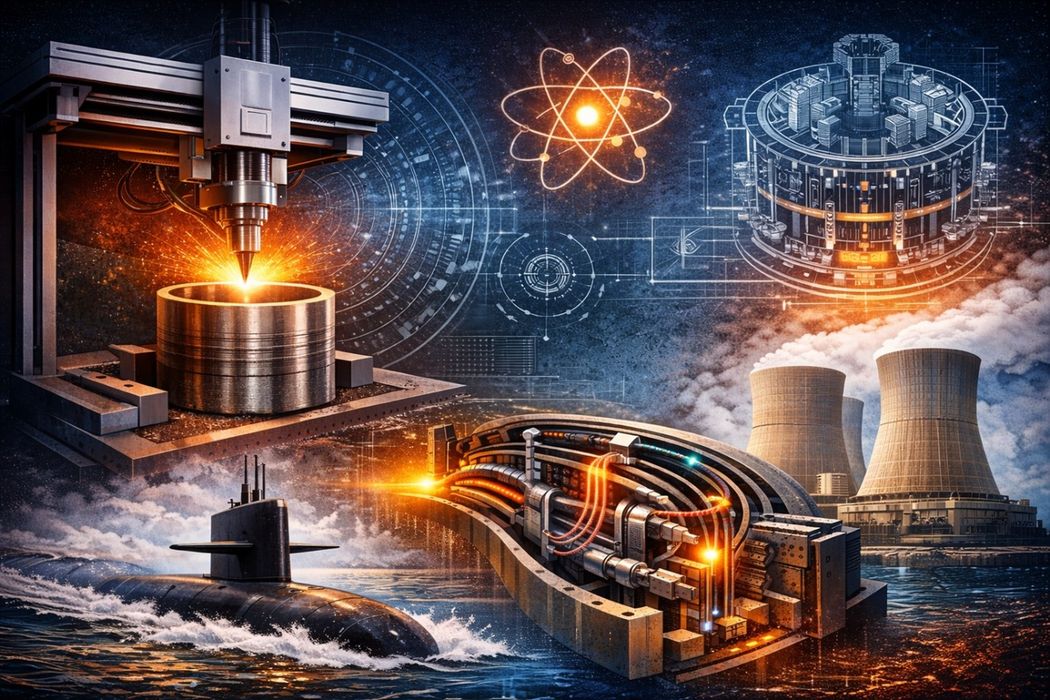
Anthony Palumbo and Charles Goulding examine how Fluor Corporation is advancing nuclear additive manufacturing through naval materials/process qualification and sensor-integrated hardware concepts, set against broader progress in 3D-printed fuel-related ceramics and nuclear construction tools.
reactor

Powering Tomorrow: How TVA and ORNL Are Rewriting the Rules of Nuclear Energy
Charles R. Goulding and Nimra Shakoor explain how from the Manhattan Project to molten-salt reactors, TVA and ORNL are redefining what nuclear innovation looks like in the 21st century.
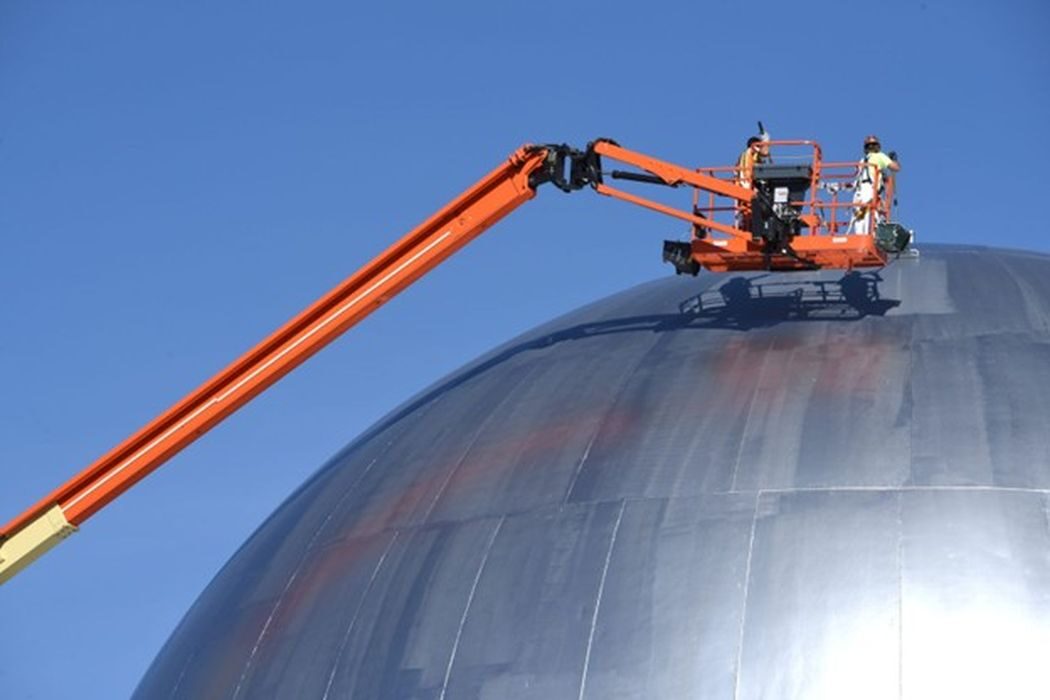
Small Reactors, Big Toolpaths: How DOE’s Fast-Track Pilot Puts Additive Manufacturing on Nuclear’s Critical Path
In this article, Anthony Palumbo and Charles Goulding show how DOE’s fast-track test-reactor pilot converts policy into product by pushing designs toward factory replication, with additive manufacturing (AM) accelerating qualification, thermal hardware performance, and supply-chain resilience.
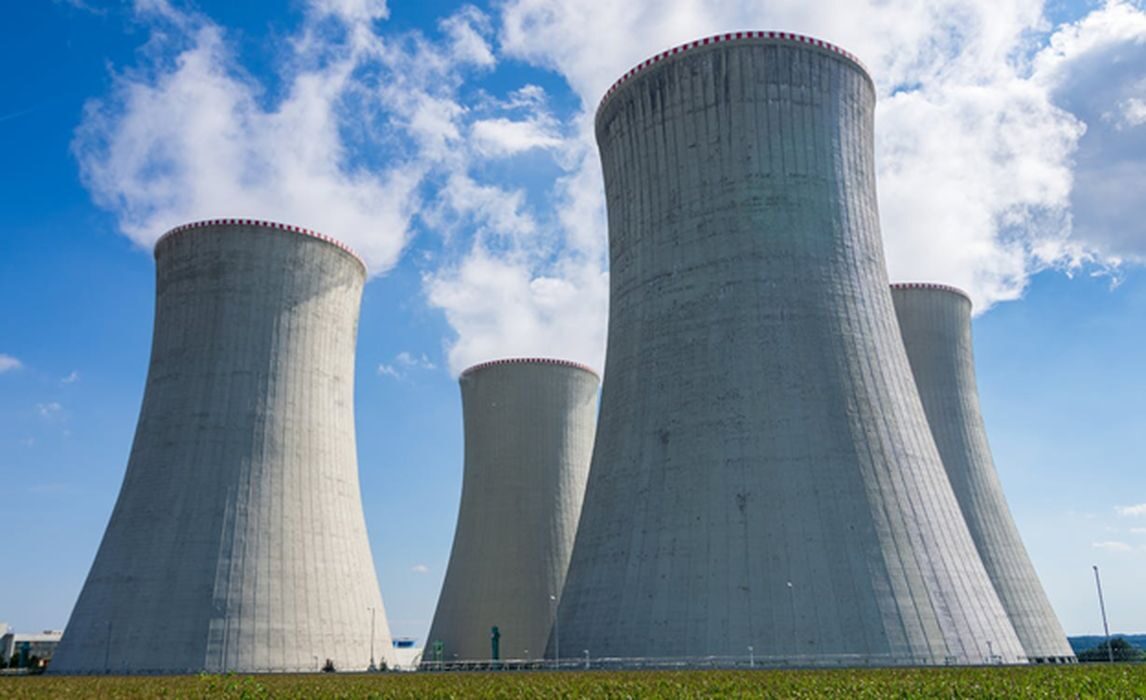
From Parts to Power: Finland’s 3D Printing Revolution in Nuclear Energy
Charles R. Goulding and Kate Esposito detail how Finland is leveraging 3D printed components to extend reactor lifespans and reduce operational risks.

Additive Manufacturing Sweeping Across Sweden: How the Country Plans to Become a Global Leader in Nuclear Power
Charles R. Goulding and Kate Esposito explore how 3D printing is breathing new life into Sweden’s nuclear power sector, making it faster, safer, and more resilient than ever.
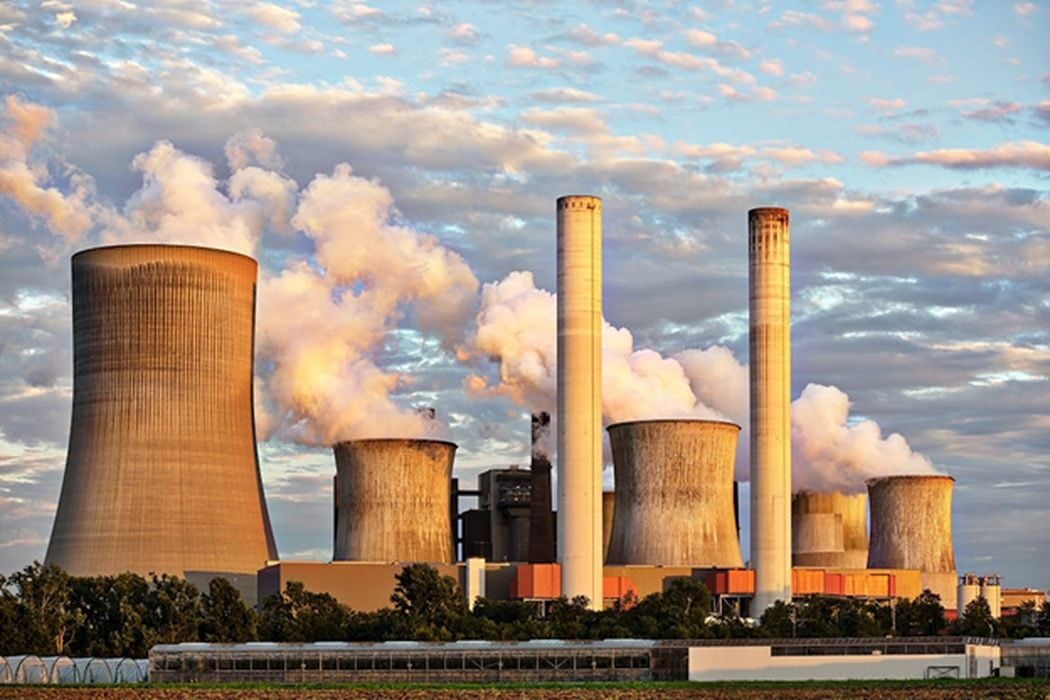
Reactivating Palisades: How Holtec is Using 3D Printing to Rewrite Nuclear History
Charles R. Goulding and Kate Esposito spotlight how Holtec International’s public offering and plans to restart a decommissioned nuclear plant are turbocharged by 3D printing and supported by valuable R&D tax incentives.

The Westinghouse Nuclear Resurgence and 3D Printing
In this article, Charles R. Goulding and Anthony Palumbo underscore Westinghouse Electric Company’s nuclear industry resurgence, highlighting their strategic global reactor projects and pioneering use of additive manufacturing technologies.

Printed Power: 3D Printing’s Role in the Private-Sector Race for Next-Gen Nuclear Energy
In a two-part series, Charles Goulding and Anthony Palumbo explore how recent U.S. executive orders and private-sector energy demands are driving a nuclear energy revival, with additive manufacturing (AM) poised to accelerate innovation and deployment. This second installment spotlights leading companies developing advanced fusion and fission technologies and examines how AM is enabling faster prototyping, complex component fabrication, and supply chain resilience across next-generation nuclear systems.
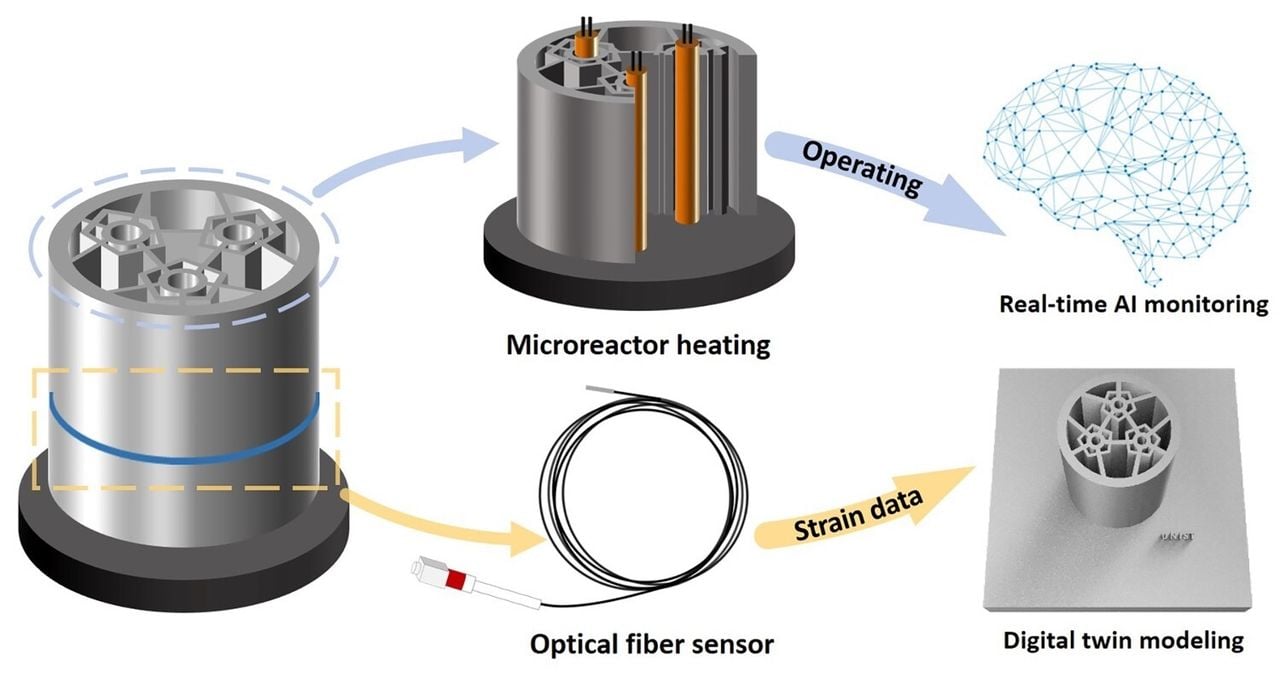
New 3D Printing Method Embeds Optical Sensors in Metal Parts for Micro Reactors
A new application area for additive manufacturing has been identified: micro reactors.
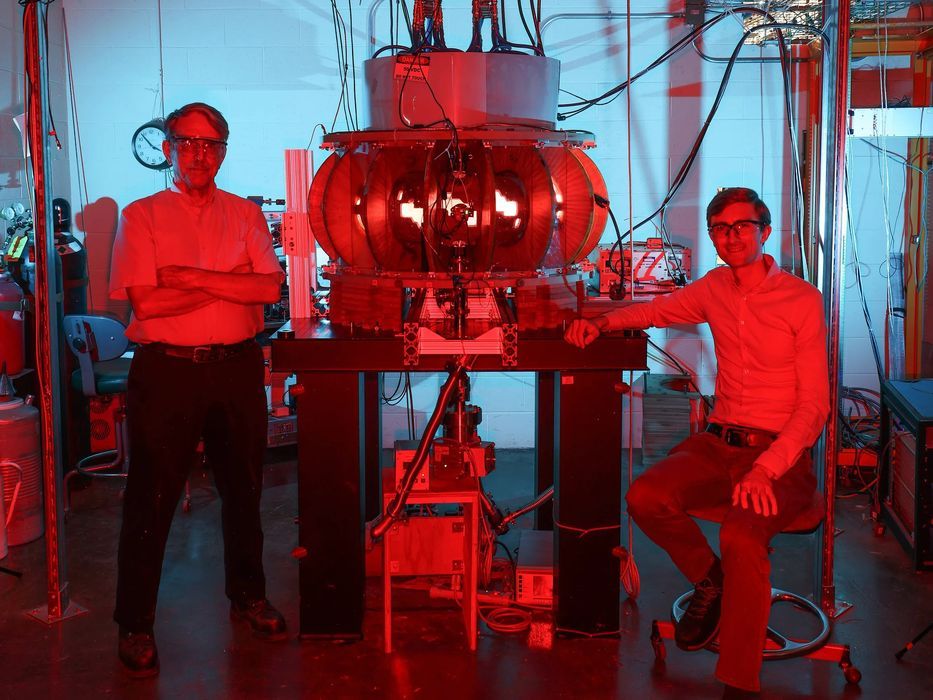
3D Printing Revives Fusion Energy Dreams: Princeton’s Stellerator Prototype on a Budget
There’s an interesting story from IEEE Spectrum describing how researchers built a low-cost fusion reactor — using 3D printing.

The Next Energy Revolution: How 3D Printing and Nuclear Power Are Shaping AI
Charles R. Goulding and Preeti Sulibhavi explore the growing partnership between nuclear energy, 3D printing, and big tech as companies like Microsoft and Oracle fuel their AI operations with re-commissioned reactors and cutting-edge innovations.
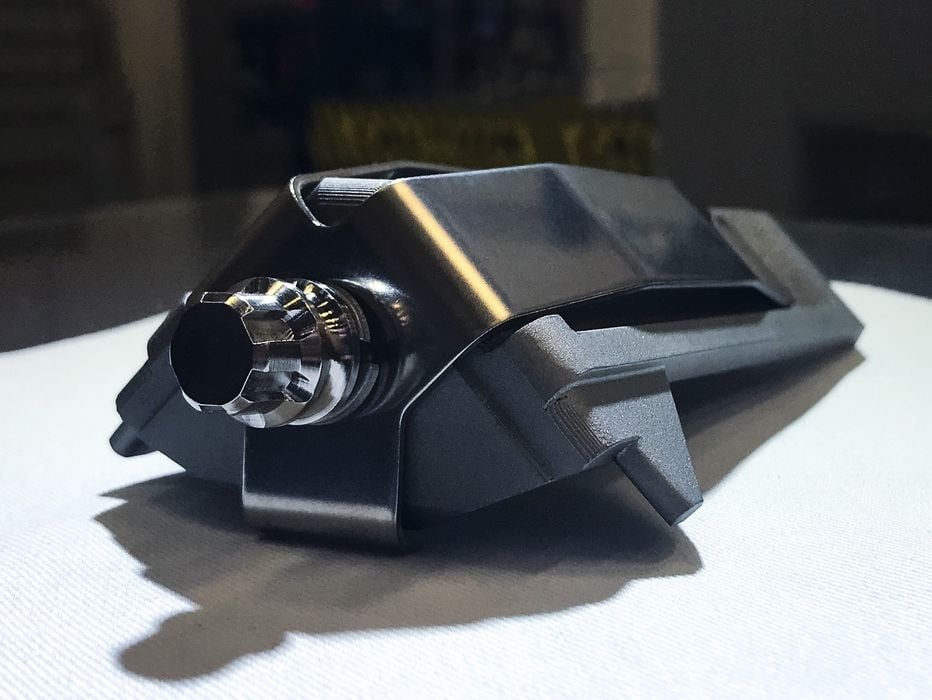
First 3D Printed Parts Installed in a Nuclear Reactor
Researchers have successfully installed 3D printed parts into a nuclear reactor.