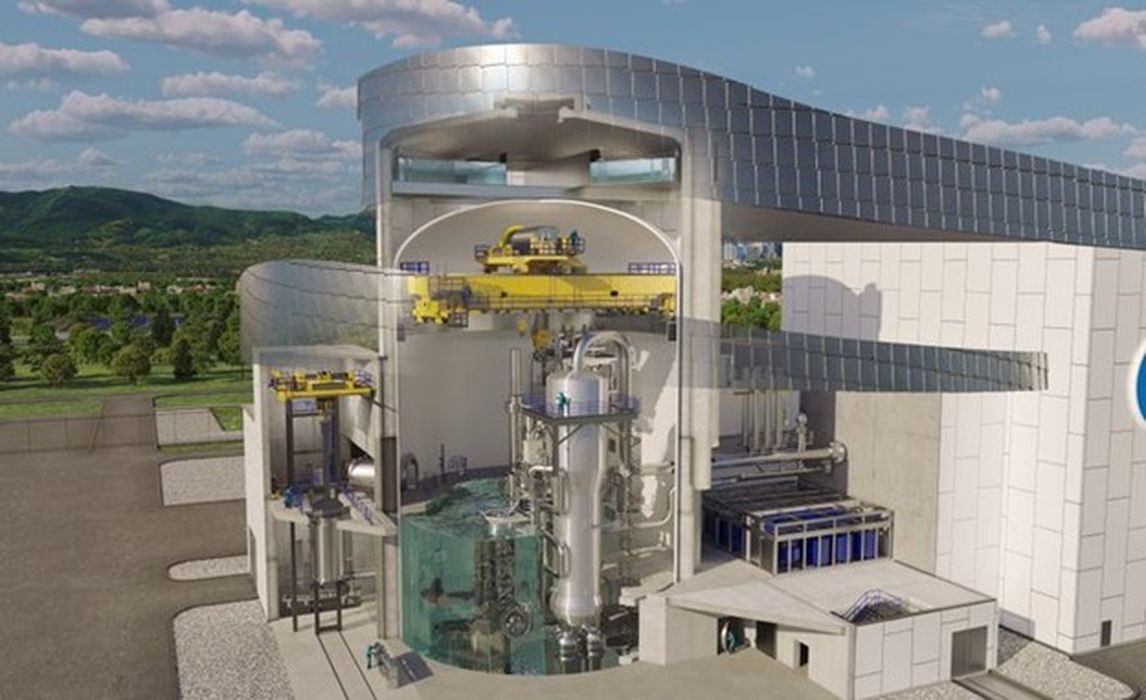
In this article, Charles R. Goulding and Anthony Palumbo underscore Westinghouse Electric Company’s nuclear industry resurgence, highlighting their strategic global reactor projects and pioneering use of additive manufacturing technologies.
Westinghouse Electric Company: Current Profile and Strategic Position
Westinghouse Electric Company LLC, headquartered in Cranberry Township, Pennsylvania, is a leading global provider of nuclear reactor technology, fuel production, and associated services. With over 11,000 employees across 21 countries and annual revenues of approximately US$4 billion, Westinghouse remains a critical player in the global nuclear energy sector. The company’s strategic position was strengthened significantly by a US$7.9 billion joint acquisition in November 2023, bringing it under the combined ownership of Brookfield Renewable Partners (51%) and Cameco (49%).
Today, Westinghouse supports approximately half of the world’s operating nuclear reactors and actively advances reactor technology, nuclear fuel solutions, plant modernization, decommissioning services, and digital engineering solutions. Its global leadership role is pivotal, particularly as worldwide energy policy increasingly prioritizes carbon-free nuclear power solutions.
Historical Foundations and Recent Challenges
Westinghouse traces its origins to 1886 when inventor George Westinghouse established the company, pioneering alternating current (AC) electricity and playing a crucial role in major projects like the 1893 Chicago World’s Fair and Niagara Falls power plant. The company became an early leader in nuclear energy, delivering the United States’ first commercial nuclear reactor at Shippingport, Pennsylvania in 1957. After expanding into multiple sectors throughout the 20th century, the conglomerate shifted focus toward media in 1997, becoming CBS Corporation and spinning off its nuclear division into Westinghouse Electric Company (WEC) in 1999.
In recent decades, Westinghouse faced substantial challenges, notably its 2017 bankruptcy triggered by cost overruns on AP1000 reactor projects in Georgia and South Carolina, leading to over $9 billion in losses under Toshiba’s ownership. Brookfield Business Partners acquired the company in 2018, stabilizing and refocusing its operations. The 2023 acquisition by Brookfield Renewable Partners and Cameco further solidified Westinghouse’s renewed strategic direction and operational stability, underpinning its current resurgence in global nuclear energy markets.
Westinghouse’s Nuclear Energy Resurgence: Key Projects and Contracts
Westinghouse is powering a global revival in nuclear energy, with major contracts and projects across the U.S. and Europe, as well as emerging opportunities elsewhere.
Vogtle Units 3 & 4 (Georgia, USA)
- Unit 3 began commercial operations on July 31, 2023, marking the first U.S.-built AP1000 reactor and the first new commercial U.S. reactor in over 30 years. The Unit 4 reactor followed, entering service on April 29, 2024.
- With the integration of both reactors, Vogtle adds approximately 2.2 GW of low-carbon capacity to Georgia’s grid. These reactor restarts revived U.S. commercial nuclear construction after decades of dormancy.
Poland’s First Nuclear Power Plant (Lubiatowo‑Kopalino AP1000)
- In October 2022, Poland officially selected Westinghouse’s AP1000 to build its first nuclear plant, citing energy security and carbon-reduction goals.
- By September 2023, Westinghouse and Bechtel formalized an 18-month Engineering Services Contract to finalize designs for three AP1000 reactors at Lubiatowo‑Kopalino in northern Poland.
- Site-preparation is underway, with plans aiming for construction to start in 2026 and the first unit online by 2033.
Ukraine’s AP1000 Deployment
- In 2024, Westinghouse began the groundbreaking process for a new AP1000 unit at Khmelnitsky, marking the first of an expected fleet of up to nine units.
- This initiative also represents a key strategic move to replace Russian-sourced reactor technology and fuel.
Bulgaria’s Kozloduy Units 7 & 8 (AP1000)
- Bulgaria selected Westinghouse AP1000 reactors for Units 7 and 8 at Kozloduy. In late 2023, a contract with Hyundai Engineering marked significant progress.
- Unit 7 aims to enter service by 2035, with Unit 8 launching around 2037, making Kozloduy-7 potentially the first AP1000 in Europe.
Advanced Reactor Technology: AP300 SMR & eVinci Microreactors
- In recent years, Westinghouse unveiled its AP300™ Small Modular Reactor, a 300 MWe Generation III+ design based on the AP1000 platform.
- The design was accepted into the UK’s Generic Design Assessment in 2024, and Westinghouse signed a deal with Community Nuclear Power Ltd to potentially build four AP300s in northeast England.
- Beyond conventional reactors, Westinghouse is also developing eVinci™ microreactors for remote or isolated applications, expanding its reach into new nuclear segments.
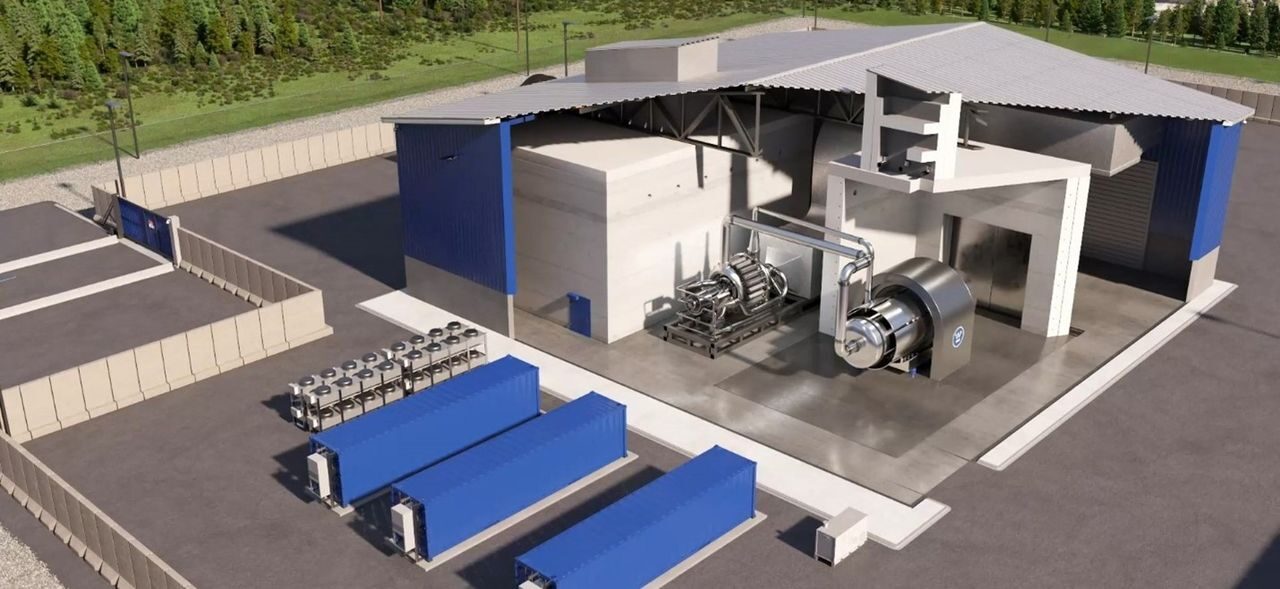
Westinghouse has remarkably pivoted from the turmoil of its 2017 insolvency into a centrally positioned player in a new wave of nuclear development. Its AP1000 platform is fueling large-scale projects across Europe and North America, while AP300 and microreactor designs showcase its ambitions in next-generation, flexible nuclear solutions.
Table 1. Westinghouse’s Key Projects and Contracts
| Project | Location | Reactor Type | Key Milestones |
| Vogtle Units 3/4 | Georgia, USA | AP1000 | Unit 3 online July 2023; Unit 4 April 2024 |
| Lubiatowo | Pomerania, Poland | AP1000 (×3) | Selected October 2022; Engineering design began 2023 |
| Khmelnitsky Unit 5 | Ukraine | AP1000 | Construction started 2024 |
| Kozloduy Units 7/8 | Bulgaria | AP1000 (×2) | Engineering contract 2023; Timeline to 2037 |
| AP300 SMR | UK, Czech Republic* | AP300 | UK GDA process underway; Multiple-site agreements |
| eVinci Microreactor | Global (remote ops) | Microreactor | Early-stage development |
*Other countries like the Czech Republic are evaluating AP300 deployment.
Westinghouse’s Innovations with Additive Manufacturing
Westinghouse is setting industry benchmarks by integrating additive manufacturing (AM) into the nuclear sector, transforming how critical reactor components are fabricated. Through a series of pioneering projects, the company has demonstrated that 3D-printed nuclear-grade parts can be reliable, cost-effective, and swiftly manufactured.
First 3D-Printed Thimble Plugging Device (2020)
- In May 2020, Westinghouse installed a 3D-printed thimble plugging device in Exelon’s Byron Unit 1 reactor during a refueling outage. This is the first-ever safety-related AM component used inside a commercial nuclear reactor.
- Crafted via laser powder-bed fusion using stainless steel 316L, the part exhibited strength and performance comparable to traditionally manufactured parts, verified through rigorous testing including neutron radiation exposure.
- Westinghouse CTO Ken Canavan noted that AM “offers enhanced component designs that help increase performance and reduce costs,” while Exelon’s VP of Nuclear Fuels termed AM “an exciting new solution for the nuclear industry.”
StrongHold® AM Fuel Debris Filters (2022)
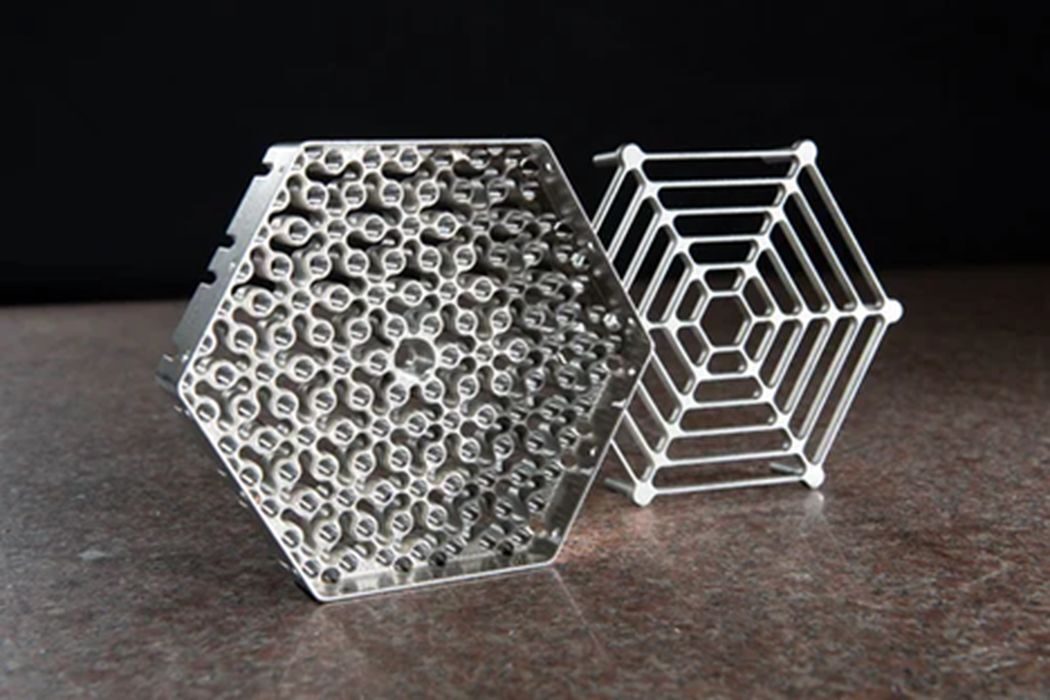
- Westinghouse installed StrongHold AM filters at Olkiluoto 2 (Finland) and Oskarshamn 3 (Sweden), the world’s first fully 3D-printed fuel debris filter for commercial reactors.
- These filters, developed with TVO (Finland) and OKG (Sweden), prevent foreign material from entering boiling water reactor (BWR) fuel assemblies, mitigating cladding damage and reducing unplanned outages.
Serial Production of AM Flow Plates for VVER-440 Reactors (2024)
- In March 2024, Westinghouse reached a milestone by producing its 1,000th 3D-printed fuel assembly flow plate for VVER-440 reactors, marking the first safety-critical AM component manufactured at serial scale.
- The flow plates are a redesigned, consolidated component produced via laser powder-bed fusion, offering improved performance, reduced production costs, and faster lead times versus traditional multi-piece assemblies.
- Westinghouse R&D VP Lou Martínez Sancho remarked that the milestone “showcases the development of additive manufacturing from prototyping to full-scale production.”
Obsolete and Specialty Components
- AM addresses component obsolescence and supply-chain issues by enabling on-demand production of legacy parts and custom tooling.
- Westinghouse uses AM to quickly produce unique prototypes, mock-ups, and service tools, minimizing outage durations and maintaining reactor reliability.
Materials R&D for Nuclear AM
- Westinghouse initiated AM material research as early as 2015, conducting irradiation tests on printed metal samples to evaluate their performance under neutron exposure.
- To refine its AM supply chain, in 2025 the company partnered with Metal Powder Works, testing advanced nuclear-grade metal powders to meet exacting material quality standards.
Westinghouse’s additive manufacturing program has matured from “proof of concept” to industrial-grade serial production, establishing new manufacturing norms in the nuclear sector. By combining design freedom, agility, and stringent qualification, AM provides clear advantages that align with nuclear safety, supply resilience, and cost-efficiency.
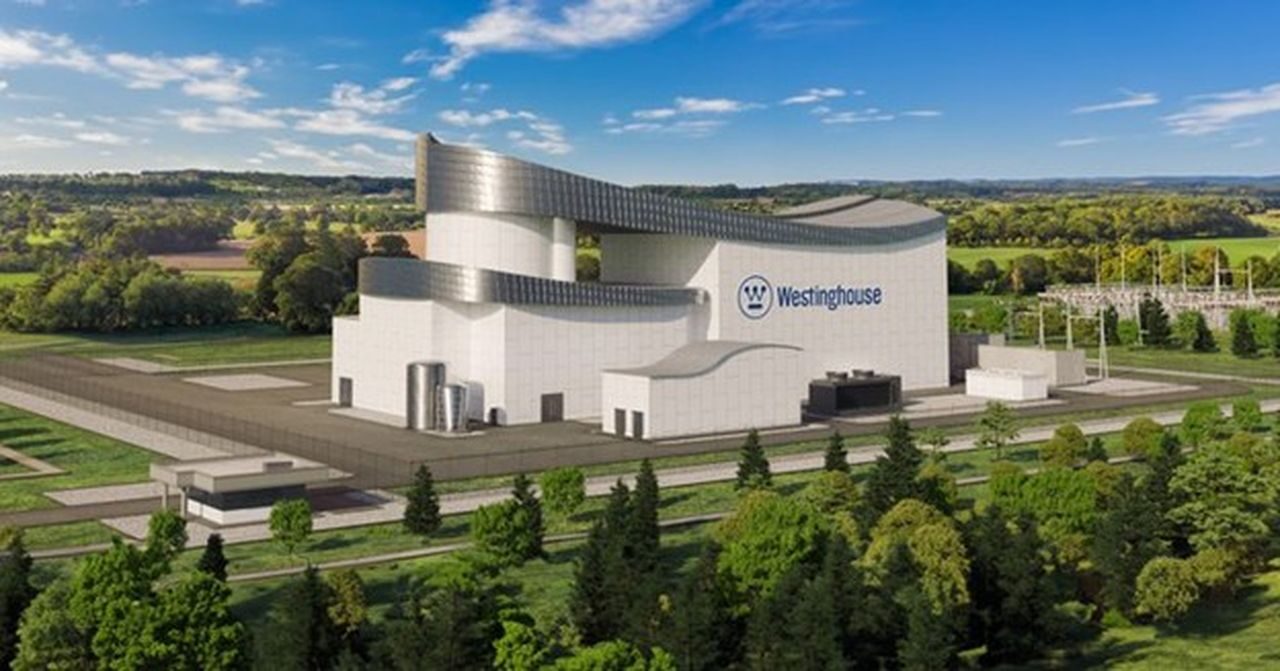
Impact and Significance of Westinghouse’s Additive Manufacturing Innovations
Westinghouse’s integration of additive manufacturing (AM) has done more than modernize component fabrication, it has redefined what’s possible in the nuclear industry. By taking AM from small-scale prototypes to serial production of safety-critical parts, the company has positioned itself as a global pioneer in advanced nuclear manufacturing.
Unlike traditional machining methods, AM enables Westinghouse to streamline the production of complex components, reduce dependence on hard-to-source legacy parts, and improve design efficiency through geometric customization. These capabilities are particularly impactful in the nuclear sector, where low-volume, high-performance components are the norm.
Just as importantly, Westinghouse has demonstrated that 3D-printed nuclear parts can meet, or exceed, regulatory and operational standards. From irradiation-tested materials to in-reactor deployments of certified AM components, the company has shown that additive techniques can meet the stringent demands of safety-critical environments. This not only de-risks further AM adoption in the nuclear space, but also sets a regulatory precedent for others in the industry.
Westinghouse’s AM advancements also offer long-term benefits:
- Operational resilience, by allowing on-demand part fabrication during outages
- Cost containment, through material efficiency and reduced lead times
- Strategic independence, by reducing reliance on foreign or discontinued component suppliers
Table 2. Summary of AM Benefits
| Benefit | Details |
| Regulatory qualification & safety | Each component passed rigorous performance and radiation tests, meeting nuclear industry standards. |
| Faster production | AM eliminated long lead times and enabled rapid deployment (e.g., avoiding 12-month delays from tool fabrication). |
| Design complexity | AM allows multi-functional parts with advanced geometries, like the lattice-structured debris filters. |
| Cost savings | Consolidated components reduce material waste, machine steps, and overall manufacturing cost. |
By achieving industrial-scale AM for nuclear-grade hardware, Westinghouse is leading a quiet revolution, proving that even in one of the most risk-averse industries, innovation can thrive when performance, reliability, and safety align.
The Research & Development Tax Credit
The now permanent Research and Development (R&D) Tax Credit is available for companies developing new or improved products, processes, and/or software. 3D printing can help boost a company’s R&D Tax Credits. Wages for technical employees creating, evaluating, and revising 3D printed prototypes are typically eligible expenses toward the R&D Tax Credit. Similarly, when used as a method of improving a process, time spent integrating 3D printing hardware and software can also be an eligible R&D expense. Lastly, when used for modeling and preproduction, the costs of filaments consumed during the development process may also be recovered.
Whether it is used for creating and testing prototypes or for final production, 3D printing is a great indicator that R&D Credit-eligible activities are taking place. Companies implementing this technology at any point should consider taking advantage of R&D Tax Credits.
Conclusion: Innovation Driving Westinghouse’s Nuclear Future
Westinghouse Electric Company’s trajectory as a global nuclear energy leader is marked by strategic reactor projects, next-generation designs, and innovative additive manufacturing. Initiatives in the U.S., Poland, Ukraine, and Bulgaria underscore Westinghouse’s influential role. Integration of AM into nuclear operations highlights transformative innovation, substantially enhancing reliability, efficiency, and sustainability. As energy demands evolve, Westinghouse’s expertise ensures continued leadership, delivering smarter, faster, and more sustainable nuclear energy solutions worldwide.