
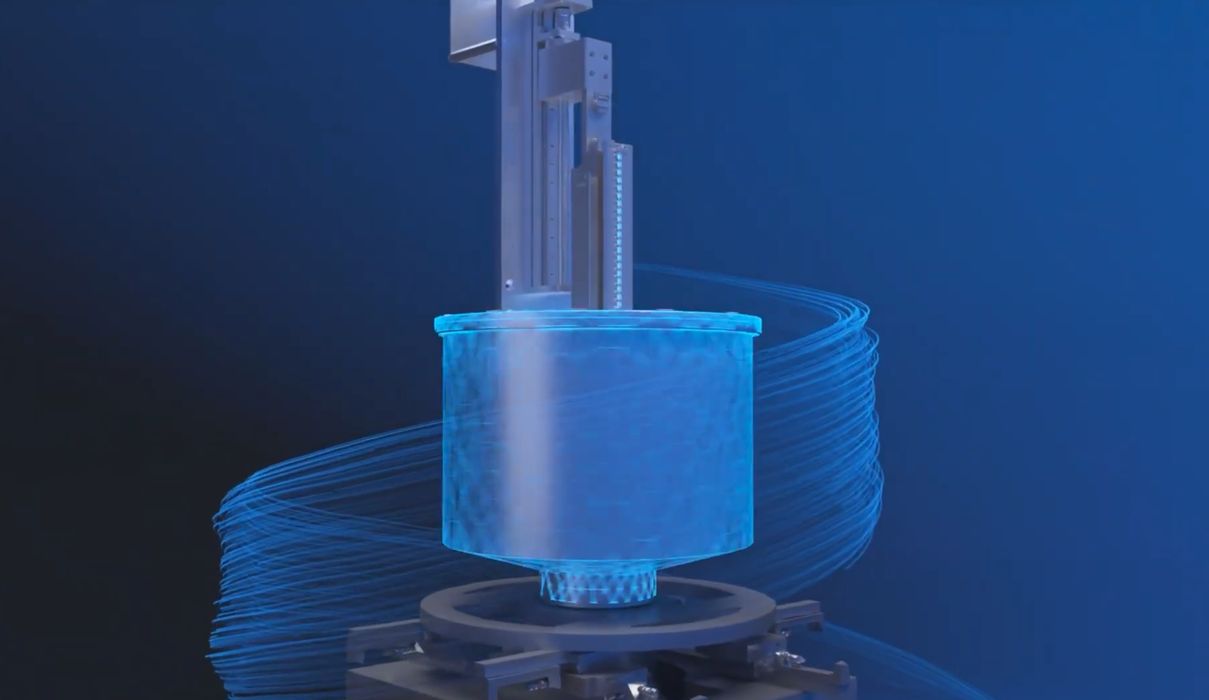
Fugo Precision 3D offers the most unusual resin 3D printing process: it’s centrifugal.
Resin 3D printing, if you’ve used it, is usually problematic. It requires multiple steps: printing, washing, and curing, usually done in three separate pieces of hardware, with the operation trundling the printed pieces between them. Worse, the resins are typically toxic, meaning you must take many precautions and wear PPE when operating a resin system.
Because of those challenges, resin 3D printing is a process that is less used than more friendly processes like FFF. Even in industry, where defined work procedures can handle all of the above, there are simply a lot of steps to take.
I came across a new resin 3D printing approach developed by California-based Fugo Precision 3D. It’s a relatively new company, being around only five years or so. However, they seem to have created a resin 3D printing process that is utterly different from anything I’ve seen.
While most resin systems involve a static tank of photopolymer resin, flashed with structured light or lasers, the Fugo Precision 3D process uses a rapidly rotating cylindrical tank.
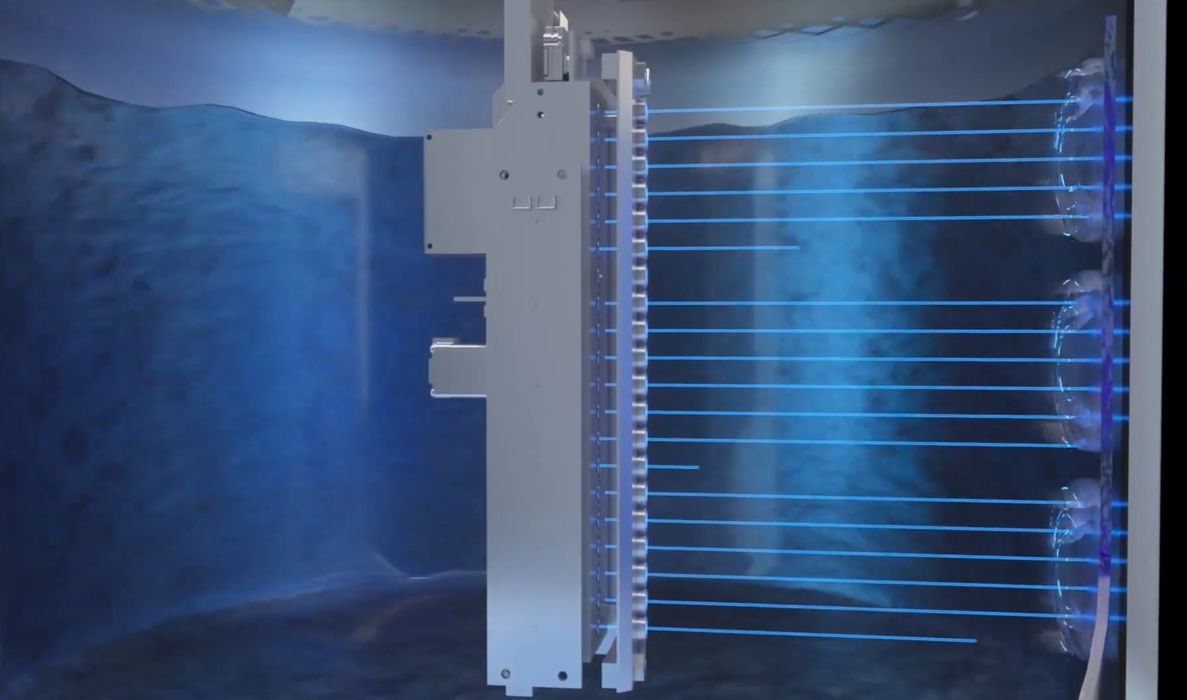
Here’s how it works:
- The empty resin tank spins at a high and fixed RPM.
- A small amount of resin is introduced into the chamber.
- This resin, due to centrifugal forces, becomes a uniform layer on the inside edge of the tank.
- A toolhead drops into the centre of the tank (in air).
- The toolhead contains no less than 20 UV lasers aimed at the side of the tank.
- The toolhead moves slightly up and down to allow the lasers to have full coverage on the resin surface.
- Lasers fire to selectively solidify some resin, by coordinating the firing with the rotation of the tank.
- When a layer is complete, more resin is introduced to the tank, which again flows into a curved surface on the tank edge.
- The process repeats until the objects are completed.
Fugo Precision 3D said the process can print at up to 60mm per hour, which is a decently fast print speed. However, the vast area of the cylindrical tank means they are curing a large amount of material on each layer at that speed.
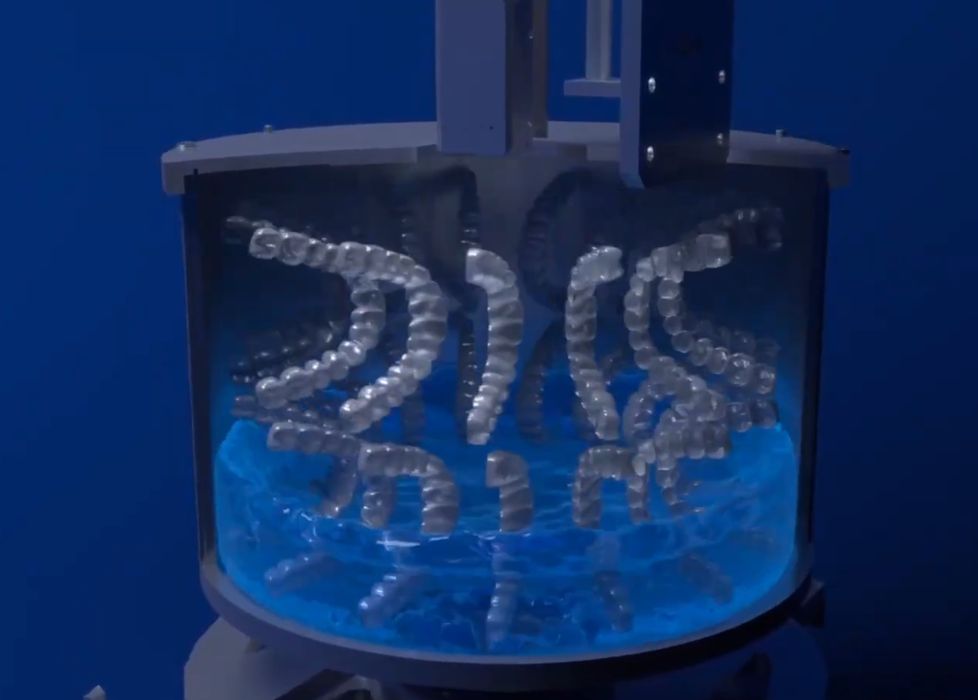
If the printing step wasn’t enough, this machine has even more surprises after printing is complete:
- The uncured resin is drained for reuse.
- Solvent is introduced into the chamber for washing.
- The chamber spins to assist in cleaning.
- The solvent is drained.
- The toolhead reappears, and includes a powerful UV light source to cure the prints as the chamber rotates.
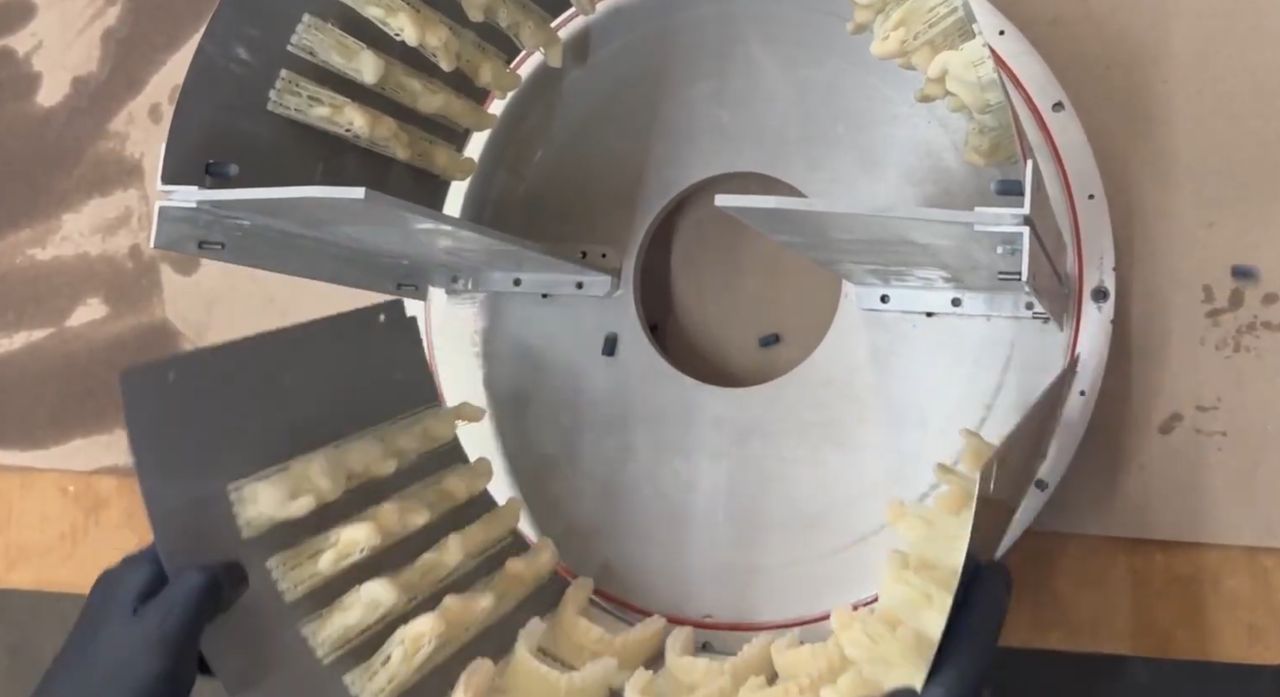
At this point, the prints are complete. But how do you get them out of the chamber? This is the most incredible part:
- The chamber is lifted out of the 3D printer.
- The walls of the cylindrical chamber are actually made of a plastic foil!
- The foils are unclipped, lifted out, and laid out flat.
- As the foils twist, the parts can detach.
- Fresh foils are clipped onto the chamber, and it’s ready for another print job.
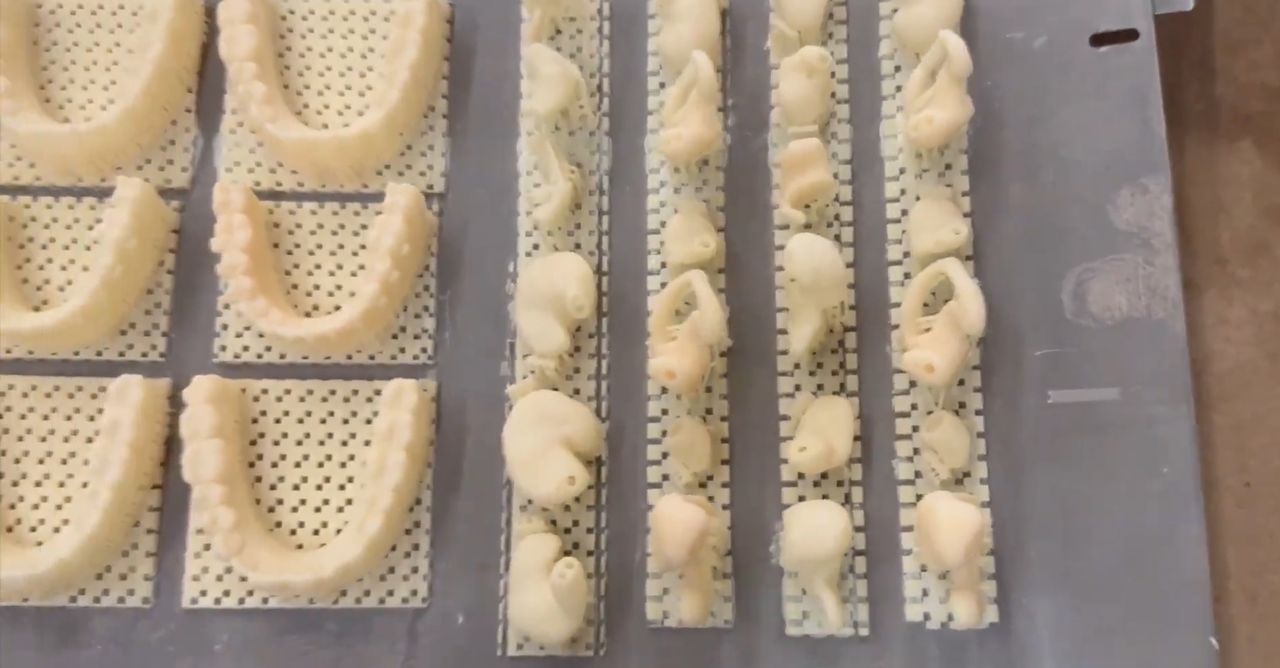
Putting this all together, we have a complete, all-in-one resin 3D printing system. You literally hit print and then later pull out fully completed parts — although you will have to remove the support structures.
This is the second system I’ve seen that can do this, but here it’s done in such an unusual and seemingly practical manner.
For now, their technology is targeting the industrial market, where the simplicity of operation should dramatically increase throughput and reduce labour costs.
I’d love to have something like this on a desktop unit.
