
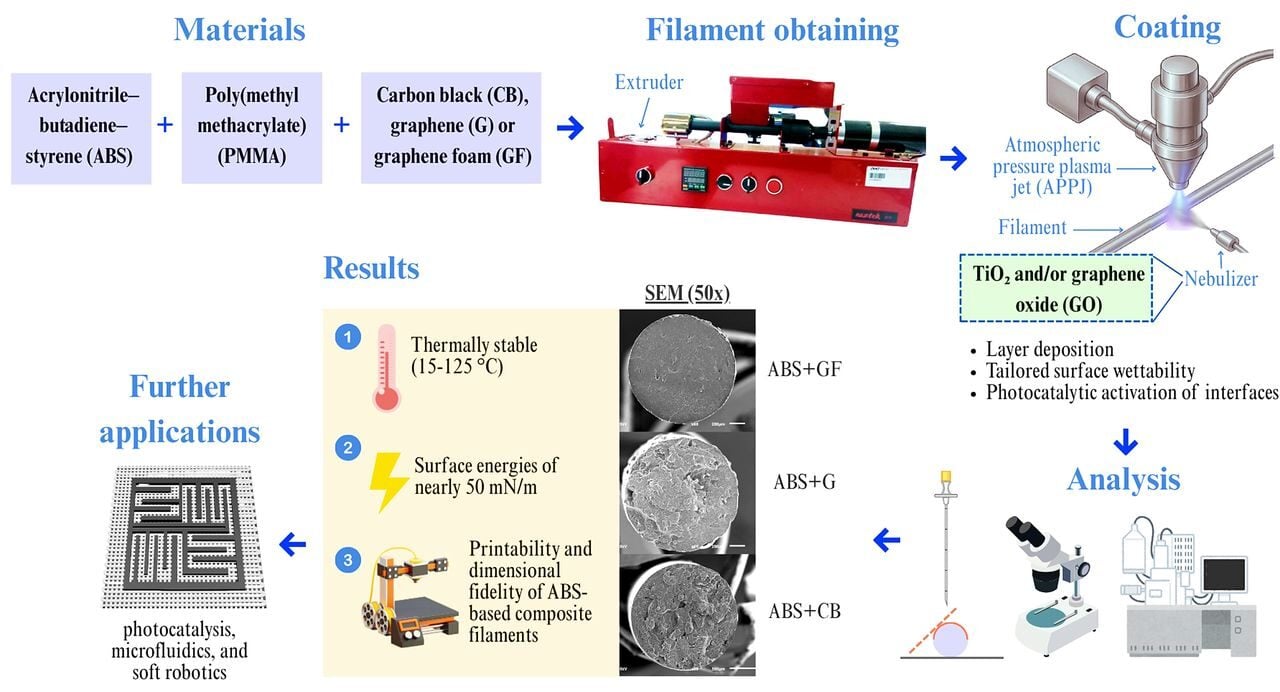
Researchers used atmospheric plasma to tune recycled composite filaments for FFF.
The paper explores atmospheric pressure plasma jet (APPJ) coatings of titanium dioxide (TiO2), graphene oxide (GO), and a TiO2/GO hybrid on waste-derived ABS/PMMA filaments already filled with carbon black, graphene, and graphene foam. That combination matters: conductive and graphitic fillers raise viscosity and brittleness, while recycled styrenes (ABS, ASA, etc.) can show inconsistent interlayer adhesion. If a gentle surface treatment can nudge surface energy and thermal response without harming the core, print reliability and part performance may improve at low cost.
Surface activation for polymers is not new — corona, flame, and low-pressure plasma are common in packaging and composites — but bringing APPJ directly to 3D printing filaments is a fresh twist. Unlike solvent vapor methods, APPJ can deposit inorganic or carbonaceous nano-scale films while also introducing oxygen-containing groups that increase wettability. That could translate into better layer-to-layer adhesion during extrusion and cleaner first-layer behavior, especially with high filler loads.
The team reports on morphology, adhesion, thermal stability, and 3D printability. While exact values are not listed in the abstract, the direction of change is the story: TiO2 and GO generally push hydrophilicity up, and hybrid stacks can blend photocatalytic and barrier effects. The work looks at whether those coatings survive the hot end and remain beneficial once filament becomes a track of molten polymer.
What Atmospheric Plasma Adds To Filaments
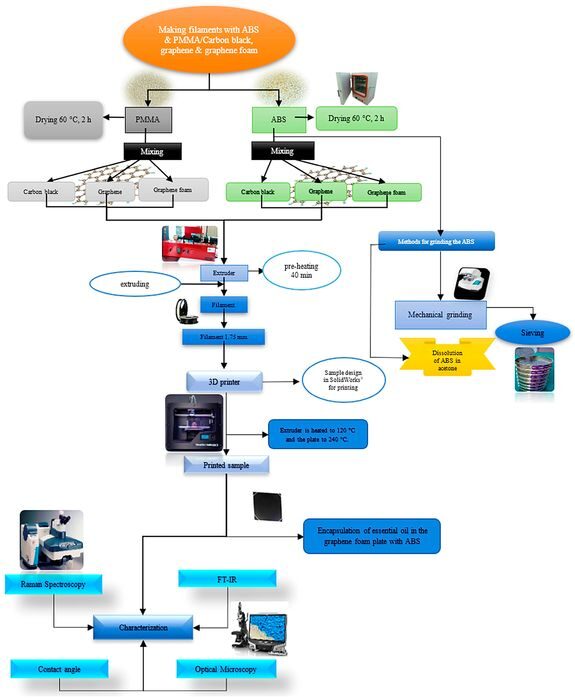
APPJ operates at ambient pressure, enabling line-of-sight treatments and deposition at relatively low temperatures. For filaments, that means a potentially inline step in extrusion or even a post-process on finished spools. TiO2 coatings are known to promote surface hydroxylation, dropping contact angles, while GO layers introduce oxygenated groups and roughness at the nanoscale. Both effects raise surface energy and can enhance wetting during extrusion, a lever for interlayer bonding in FFF (fused filament fabrication).
On thermal behavior, thin inorganic or graphitic coatings can act as micro barriers, slightly shifting onset temperatures for degradation or slowing mass loss. The study’s inclusion of thermal stability suggests the coatings did not destabilize the polymer blend, which is important because metal oxides can catalyze breakdown at elevated temperatures. The authors also note 3D printability, indicating the treated filaments still feed, melt, and lay down without clogging or erratic flow — a key check for any surface treatment.
Where It Fits In The AM Landscape
For practical printing, users of filled filaments often fight warping, weak Z-strength, and inconsistent first layers. If APPJ coatings reliably lower contact angle and increase interlayer wetting, shops could see more consistent bonding without changing nozzle temperature or build plate adhesives. Compared with switching to a new polymer or higher filler content, a surface-tuned recycled filament might offer better economics and lower environmental impact.
This sits adjacent to other reliability plays, like in-situ sensing and closed-loop extrusion control. Instead of watching for defects after the fact, APPJ attempts to front-load better material behavior. Versus premium commercial filaments from the big brands, the unique angle here is material circularity: turning mixed waste ABS/PMMA into viable, functional spools through surface engineering rather than extensive re-compounding.
Practical Limits And Open Questions
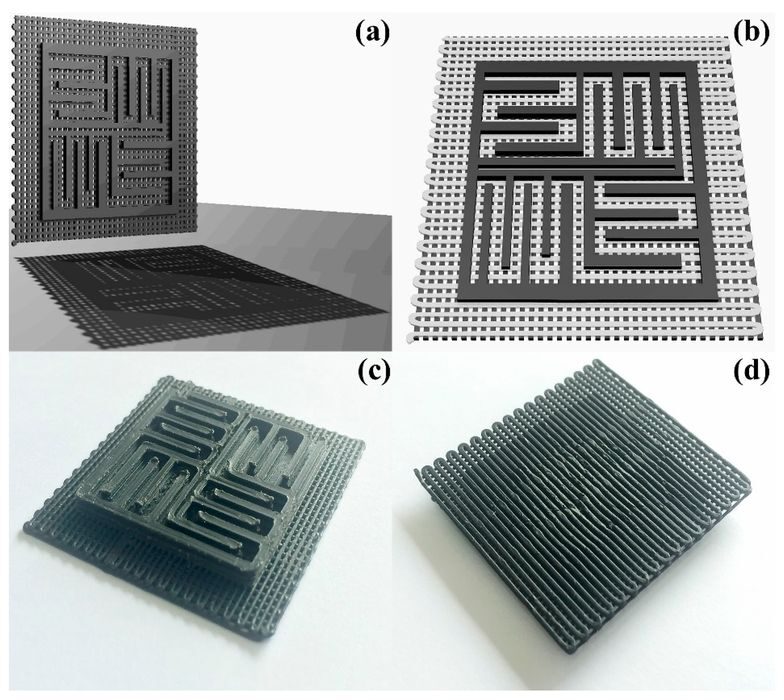
Important questions remain. The paper does not provide processing windows, coating thickness, or durability across long prints. Any TiO2 or GO residue could add abrasiveness; hardened steel or ruby nozzles may be advisable, especially with graphene-filled cores already on the abrasive side. Moisture uptake may also change with higher surface energy, raising the importance of drying before use.
Scalability is another hurdle. Uniform APPJ coverage along kilometers of filament at production speeds will demand automation, real-time monitoring, and safety management for plasma gases. Cost per kilogram is unknown. Mechanical properties of printed parts — tensile strength, interlayer toughness, fatigue — need to be quantified to justify adoption in service bureaus or industrial workflows.
The most convincing evidence would be side-by-side prints showing stronger Z-direction performance and fewer first-layer failures at the same print profile. If inline APPJ can be bolted onto extrusion lines without heavy capex, recycled composite filaments could become a higher-confidence option for jigs, fixtures, and ESD-safe housings. There is also a tantalizing, if speculative, path to in-printer plasma nozzles for pre-track activation, though heat, safety, and footprint make that a longer-term bet.
If material behavior really can be improved with a whisper-thin plasma kiss, the FFF ecosystem may gain a new lever that is cheaper than redesign and safer than solvent tricks.
Via Polymers
