
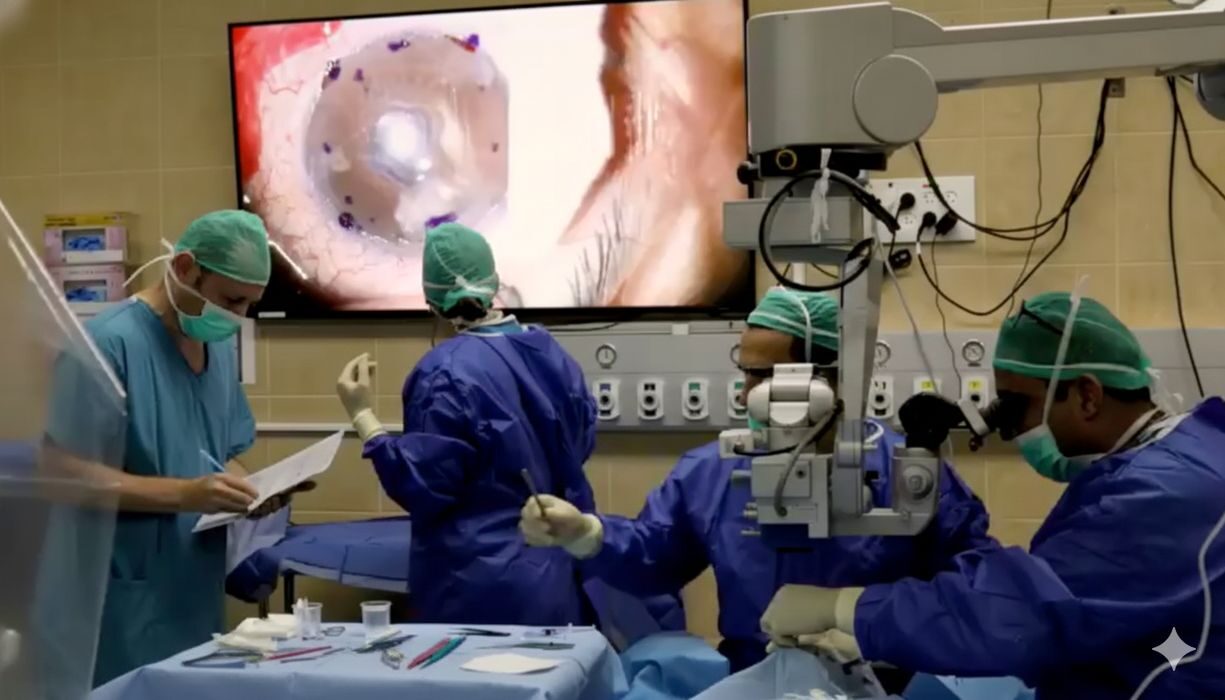
A company has deployed a scalable process to 3D print human corneas.
Israeli company Precise Bio used their new technology to help complete the world’s first human cell-printed cornea transplant.
3D printed corneas are not new, as they had been previously developed with experimental processes. However, what Precise Bio did is quite different: they transformed the process into a scalable industrial process.
Why would you need to do this? Are not cornea transplants readily available already?
They are in most Western countries, where human donated tissue can be found typically in a matter of days. That’s because more advanced countries tend to have tissue banks with stores of donated material. That’s not the case in the wider world, where patients must wait for months or years to receive a transplant — and lose their sight in the meantime.
The new Precise Bio process grows cells from the patient and uses a 3D bioprinting process to deposit them in a way to create a functional human cornea. This is then transplanted into the patient using normal surgical procedures.
As you can see, this concept is certainly scalable. You need only scale up the cell cultures and add more bioprinters. It is now conceivable that cornea transplant factories could be set up in many regions that currently have tissue shortages.
This could be a new major application for 3D print technology, much like dental aligners, custom orthotics and similar applications.
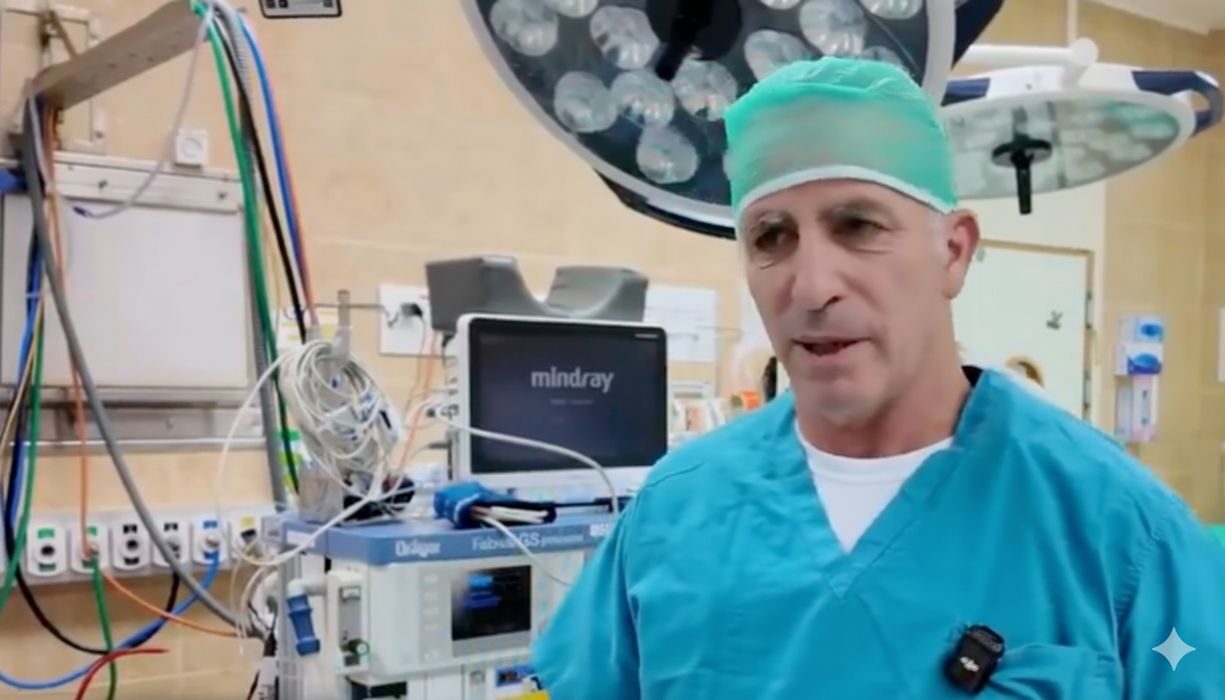
But that’s not all. It seems that their bioprinting process could be adapted for other types of human tissue. Precise Bio CEO Aryeh Batt explained in a LinkedIn video:
“We’re starting with the eyes, but our same platform can be used in other places. In the past we’ve printed cardiac tissue, liver cells, etc. In the future we will be able to print various parts of the kidneys, but we still have a lot of work to do.”
This is quite an incredible development, and if this comes to pass we may see not only cornea factories, but other specialized operations producing various body components, ready for transplant.
Via LinkedIn and Precise Bio
