
Multiple recent announcements confirm the reality of 3D print technology in manufacturing.
Years ago the technology wasn’t really used for production parts at all. Back then the materials available to the 3D printers of the day were suitable only for prototypes and usually were different than the materials required for production parts.
That left 3D printing as a technology really used only for rapid prototyping. Even the premier North American 3D print trade show’s name reminds us of this history: “Rapid”. 3D printing is still used for prototyping, but the big money is in manufacturing: where there may be a few prototypes of a part produced, there could be millions of production units produced.
Over time the technology began to adopt more types of materials, eventually including those commonly used for production. This opened the door to applications that weren’t just prototyping. Today we see many companies manufacturing end-use production parts using Additive Manufacturing.
Three recent announcements highlighted the change.
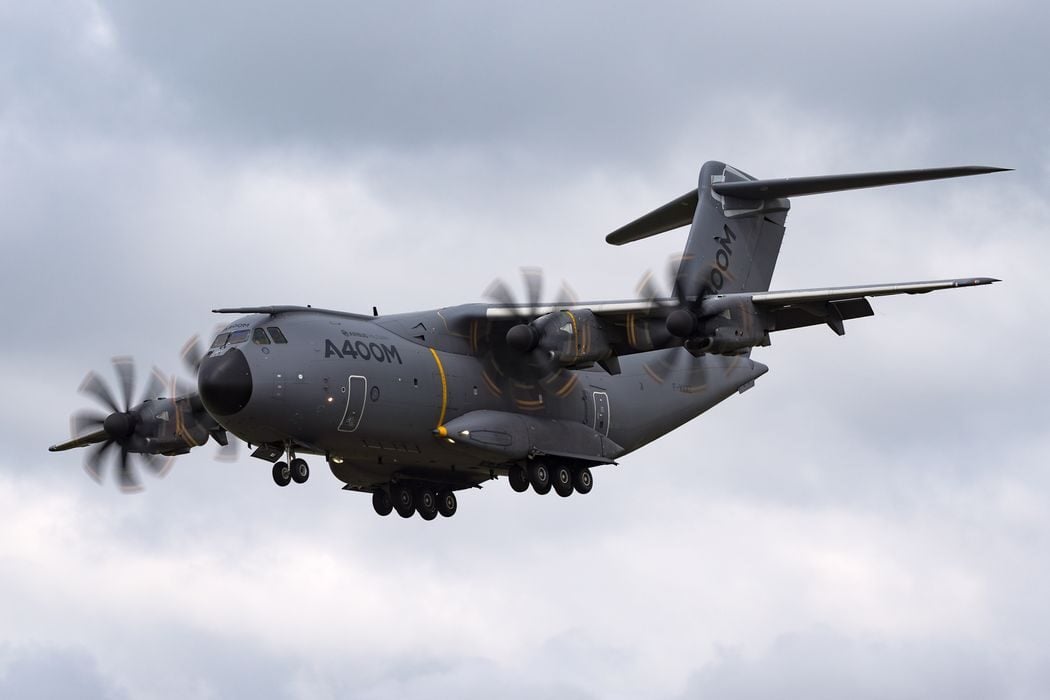
One was from Stratasys, which announced that they’ve produced over 200,000 parts for Airbus up to now, and they expect to produce another 25,000 this year. Most of these parts are made with ULTEM, a material that’s strong, lightweight and resistant to higher temperatures. Stratasys said these parts, used in Airbus’ A350, are 43% lighter than conventionally produced parts.
Another announcement came from Deutsche Bahn (DB), which revealed they’ve also produced more than 200,000 production parts since they began adopting the technology ten years ago. That company has leveraged the technology to change from housing old spare parts in warehouses for decades to an on demand digital inventory approach.
While many of these parts will be non-critical, the tide is slowly turning. Saab announced the development of the world’s first 3D printed aircraft fuselage, made from 26 separate metal parts.
If there’s a critical part on an aircraft, it would definitely be the fuselage. Saab is clearly stepping into a new realm of 3D printed applications, and this move shows how industry is moving forward by broadening the usage of the technology. Years ago this would not have been possible, as managers would not have trusted the technology.
But that’s changing now, likely as a result of seeing many years of successful production of non-critical production parts by many industries.
It is now almost certain we will see far more additively produced production parts in future years, particularly in the aerospace and military sectors.
Announcements such as those above might be newsworthy today, but in a few years they will be routine.
Via Stratasys, Railway Pro and Interesting Engineering
