
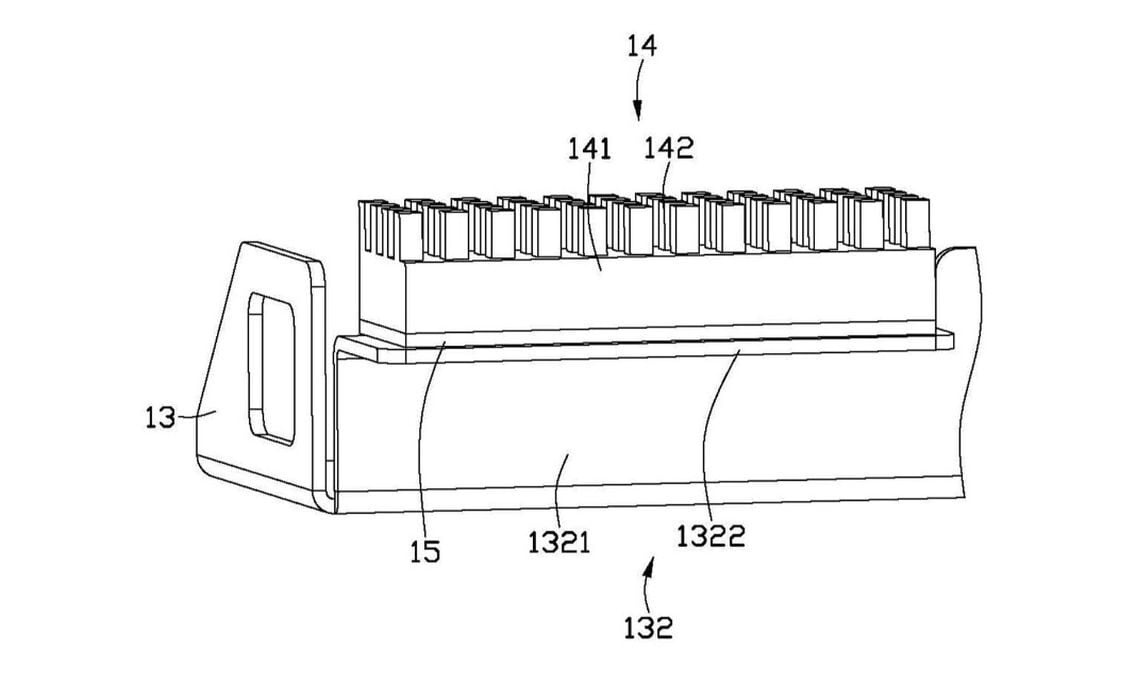
Creality seems to be patenting a great deal of intellectual property.
In my travels through recent 3D print-related patents, I am frequently seeing the name “Creality” appear. Current patent awardees are quite numerous, and there are lots of familiar names such as Mimaki, Bambu Lab, Flashforge, various universities, etc., along with some surprising names like Seiko Epson, Mitsubishi, Adidas, Kawasaki, and more.
Usually these companies might have one or two patents in a month, but in the past month or so I’ve seen ten different patents awarded to Creality.
These are the patents I found:
- WO-2025214492-A1: Leveling Method And System Having Wiping Function
- WO-2025214205-A1: Cutting Assembly For 3D Printer, Extrusion Mechanism And 3D Printer
- DE-202025105890-U1: Heated Bed And 3D Printer
- WO-2025236727-A1: Flow Control Method Based On 3D Printing Device, 3D Printing Device, And Storage Medium
- CN-223590103-U: Cooling System And 3D Printing Equipment
- CN-223590104-U: 3D Printer
- CN-223590108-U: Cleaning Components, Heated Bed Device And 3D Printer
- CN-223590118-U: Cleaning Facilities And 3D Printing Devices Using Them
- WO-2025241442-A1: Method For Resuming Printing After Power Interruption, And 3D Printing Device
- WO-2025251868-A1: Motion Device And 3D Printer
As you can see, there are quite a range of functions described. Some are whole 3D printers, while others features that might be part of a 3D printer. Some are worldwide patents (WO), while others are regional (DE, CN).
What can we make of this?
It would appear that one of Creality’s key strategies is to amass a large portfolio of 3D print-related patents, if this trend continues. This gives them control over specific methods that they could use in their own machines, or require others to license from them.
That’s a strategy used by several other companies in the space, including Stratasys.
Later, when a competitor shows up and happens to make use of a feature that is described in one of their patents, they might demand a licensing fee, or perhaps even prevent that feature from being used.
In reality, however, this would be quite a rare case to make. Stratasys owns countless patents and rarely makes a move on any infringing party. Typically they would only do so when the other party’s efforts directly intrude on their active production and marketing. This is likely the case with Creality as well.
Will Creality actually use any of these patents in their products? Possibly, and possibly not. If their engineers have gone to the trouble of developing some feature but not actually using it, they might as well protect it in case someone else gets the same idea later. In that situation they might demand licensing fees even though they don’t use it themselves.
When you consider how many patents must exist on all manner of 3D printer features, you can imagine how challenging it could be to launch a new device. Those days are long gone, as the only way to do so today is to invent something truly new that is not yet patented by anyone else.
