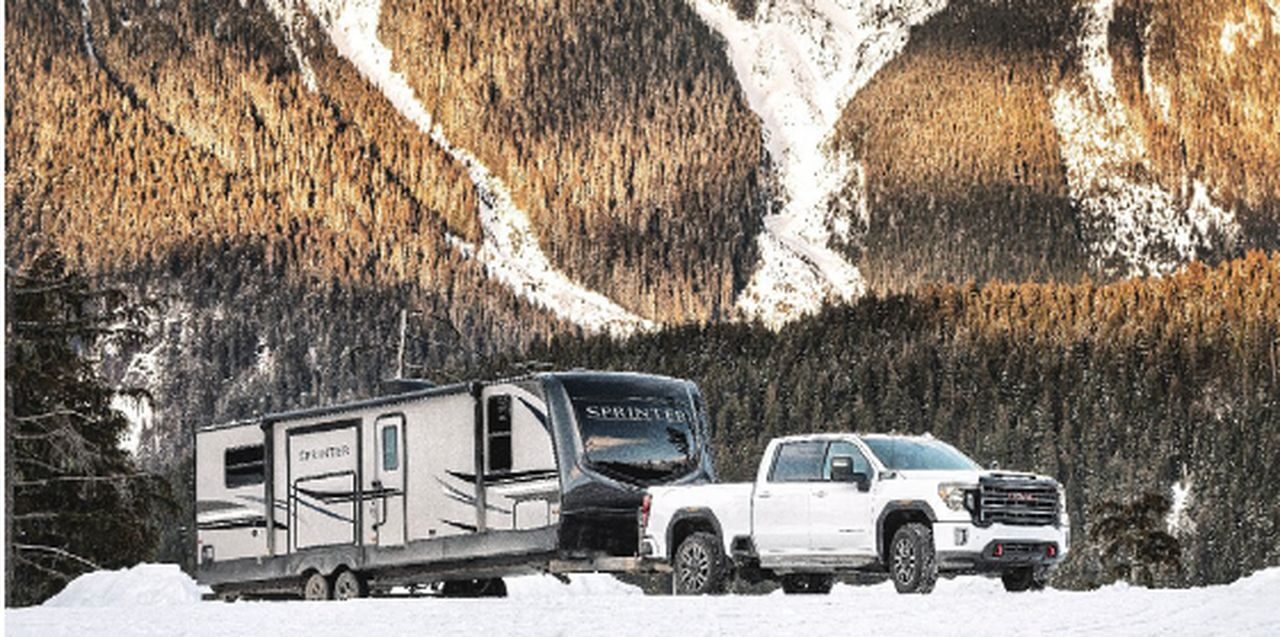
In this article, Charles R. Goulding and Preeti Sulibhavi take us on a road trip exploring how 3D printers have been helping to shape the RV industry.
For those who love exploring the wilderness, expansive landscapes, and visiting National Parks, RVs are a great way to do all the above.
There are two types of RV lovers: those who have always traversed the nation in their Thor, Winnebago, or Coachman; or, secondly, those who have recently taken to this trend (most likely since Covid hit in 2020).
Those more recent to the RV lifestyle may have been lured during the Coronavirus pandemic, when airline and cruise ship travel were highly restricted. It was a time when less was more, leaving many to take to their RVs for distancing and recreation.
During that time, there were substantial investments in all things “RV.” For instance, KKR, the large private equity firm, led a US$100 million investment into RVshare, the online Airbnb-type platform for RVs (as opposed to private homes). RV rental platforms became the perfect opportunity for many to temporarily test the RV lifestyle and see whether it suited them.
Historically, RV rental platforms were dominated by large national brands and smaller regional dealers; but since 2020, peer-to-peer rentals have comprised over 60 percent of the market. The global RV rental market size was estimated at US$820.4 million in 2021 and is projected to reach US$1.55 billion by 2030, growing at a CAGR of 7.4% from 2022 to 2030. The rise in demand for recreational vehicles (RVs) illustrates how Americans are now choosing to spend their time. From the wave of RV-goers who tested the waters when Covid hit, many have decided to invest permanently.
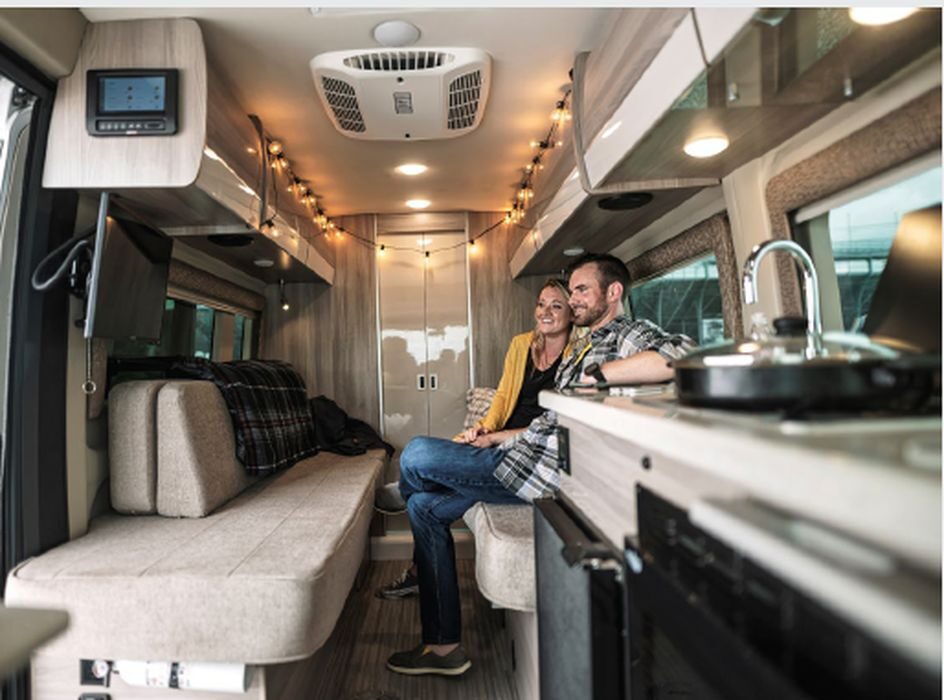
But now we stand at a different crossroads. Faced with higher inflation and consumer affordability challenges, the RV industry is worried about slowing growth. For example, RV maker Thor Industries posted a higher fourth-quarter profit and better-than-expected sales; yet, despite these numbers, the company is still finding the macroeconomic environment challenging this year. Thor has cited affordability as one of its most significant challenges.
But Thor has found a potential solution in its financials: Thor disclosed a 4.6% decline in sales of North American towable RVs, while at the same time reported a 7.8% increase in sales of North American motorized RVs. Motorized RVs are generally more expensive than towable ones. What is the market saying?
Thor has managed to develop a more-affordable, private-label, motorized RV segment that has been well-received by consumers, who in inflationary times are looking for more value for their dollar.
Why 3D Printing Matters
In general, assembling a small tow RV can involve 1,500 or more parts. Large, Class A motorhomes are typically more complex, consisting of 8,000 to 10,000 parts. In addition to the stock required for manufacturing, THOR’s operating companies offer service and replacement parts. Due to the wide variety of RV options and the amount of customization that is often included, individual parts are often produced in small batches, which increases overall part count, stressing the company’s supply chain.
THOR has been studying additive manufacturing for several years, but with recent advancements in technology and materials, the Innovation and Development Center (IDC) team wanted to see firsthand if 3D printing could provide a compelling alternative.
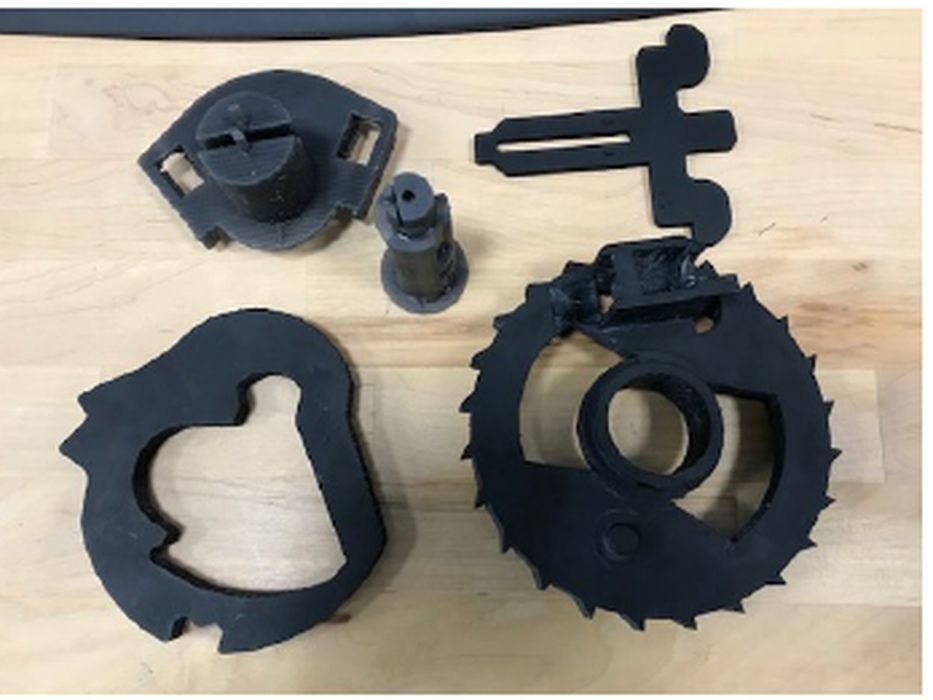
In a recent case study sponsored by THOR Industries in conjunction with Henkel and LOCTITE AM, the quality of 3D printed seat belts for RVs was put to the test. Working directly with THOR’s IDC, Henkel provided a consultative approach to both part design and production. First, they collaborated on the part design, making sure the final components were optimized for 3D printing. Second, they focused on finding the best material, ensuring the performance of the parts would meet THOR’s strict demands for quality and safety. Finally, they validated the workflow from design to final production. The results were tremendous.
The quote for outsourced machining of the parts that make up the seat belt assembly was US$10,000 and the team estimated it would take three months to complete. With 3D printing, THOR was able to produce the parts for US$3,000, saving 70 percent. Furthermore, they were able to reduce the delivery timeframe from 90 to 30 days.
Other companies, like Massivit3D, based out of Israel, are also applying advanced 3D printing technology to RV production. Massivit3D is using large format 3D printing technology to digitally fabricate RV components and molds from CADs or 3D scans. This enables rapid production of highly precise components without the need for expensive and time-consuming molding techniques. Additionally, 3D printing offers a wide range of material options, including plastics, composites, and digital woods, facilitating the development of lightweight, functional yet durable components.
Because the manufacturing process for 3D printing is additive (as opposed to subtractive with traditional methods), engineers have the flexibility to rethink part design in real-time while also focusing on minimizing material requirements. This helps reduce the overall number of assembled parts and simplifies the production process for key components.
The Research and Development Tax Credit
The now permanent Research and Development (R&D) Tax Credit is available for companies developing new or improved products, processes, and/or software. 3D printing can help boost a company’s R&D Tax Credits. Wages for technical employees creating, testing, and revising 3D-printed prototypes can be included as a percentage of the eligible time spent on the R&D Tax Credit. Similarly, when used as a method of improving a process, time spent integrating 3D printing hardware and software counts as an eligible activity. Lastly, when used for modeling and preproduction, the costs of filaments consumed during the development process may also be recovered.
Whether it is used for creating and testing prototypes or for final production, 3D printing is a great indicator that R&D Credit-eligible activities are taking place. Companies implementing this technology at any point should consider taking advantage of R&D Tax Credits.
Conclusion
RVs are not a new cultural phenomenon. But their popularity has substantially gained traction in the past few years. It’s time for the 3D printing industry to hit the road again with the RV industry, in navigating economic, supply chain, and quality challenges on this journey.