
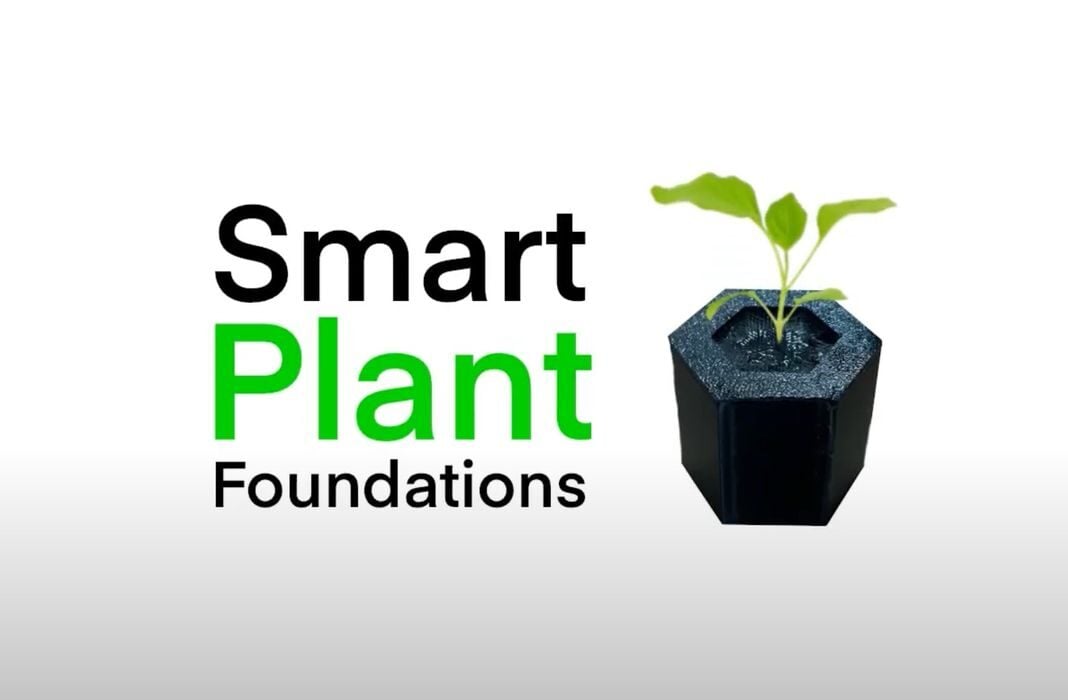
A new application for 3D printing has been developed for smart farming.
Smart farming is likely the future in decades to come, as the technology can provide food anywhere regardless of the changing climate and in a more efficient and food safe manner. However, it’s still quite early on the technology curve and many technologies have to be developed to make it effective.
One such advance was recently developed by Benedict Jones, a designer and engineer from the Royal College of Art in the UK, called “Smart Plant Foundations”. The application produces custom 3D printed modules for hydroponic seedlings.
Wait, why would you need to custom design modules for seedlings? It turns out that different plants benefit from different types of support structures when roots grow after germination. Plants have different growth rates, different root geometry and sizes. To ensure a plant’s future is optimized, it must get the best start possible when germinating.
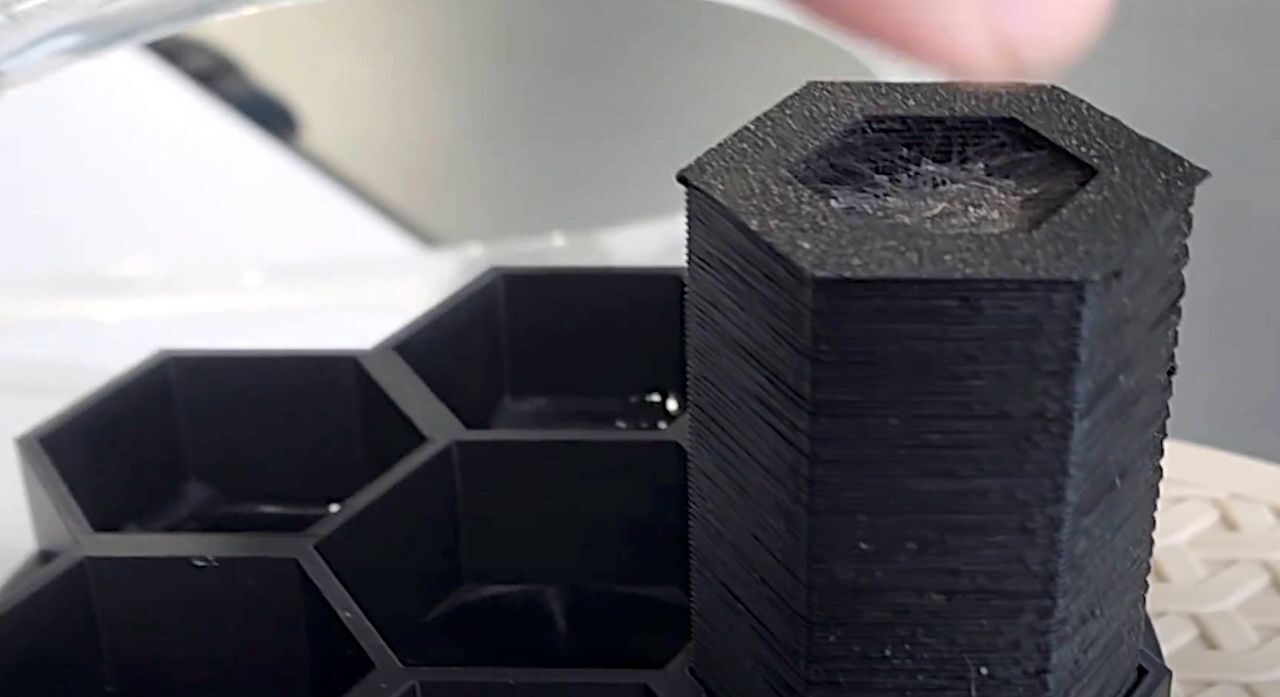
To that end, Jones developed a method of using FFF 3D printers to produce lattice-like support structures specifically designed for plant germination. He explains the concept:
“Every different plant type has a different root structure and system; however, plants are usually grouped together when it comes to germination and early growth, both in traditional soil plantation and modern hydroponic systems. Smart Plant Foundations is an innovative proposal for improving the early root structure – the foundations – of a plant, offering an optimised solution tailored to each plant type.”
The process used by Jones is quite interesting. At first glance you’d think his print parameters are messed up because the printed modules are quite stringy. But in fact those strings ARE the support structures for the growing plant roots.
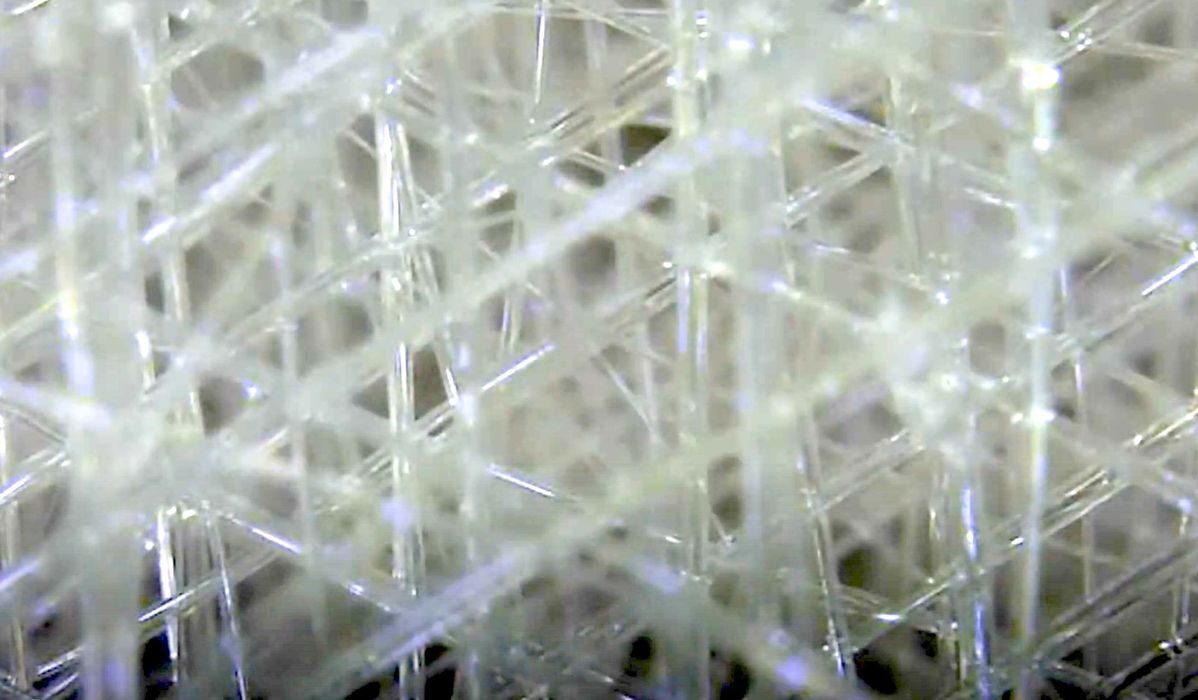
Jones developed a custom software tool to generate the GCODE for implementing these “strings”, and can vary the quantity, direction, distance between, etc. This allows a plant specialist to design a specific support pattern for a particular type of plant. He explained to us:
“My project, ‘Smart Plant Foundations,’ uses 3D printing to create highly adapted, small-scale hydroponic infrastructure. This work moves beyond simple container printing by leveraging parametric design to generate and rapidly test complex, custom geometries that are functionally optimized for managing fluid dynamics and promoting root health—a challenging application of additive manufacturing for specialized tooling.”
The structures are printed in hexagonal modules that fit into hydroponic setups. Seeds are placed on top, where they germinate and send roots down through the support structures. After the plant has sufficiently grown, it can be moved from the germination module to a larger module for further growth.
This video shows how it works:
At this point Jone’s concept is merely a proposal. Yet it does sound quite intriguing and at the very least would be something quite usable by casual hydroponic operators.
