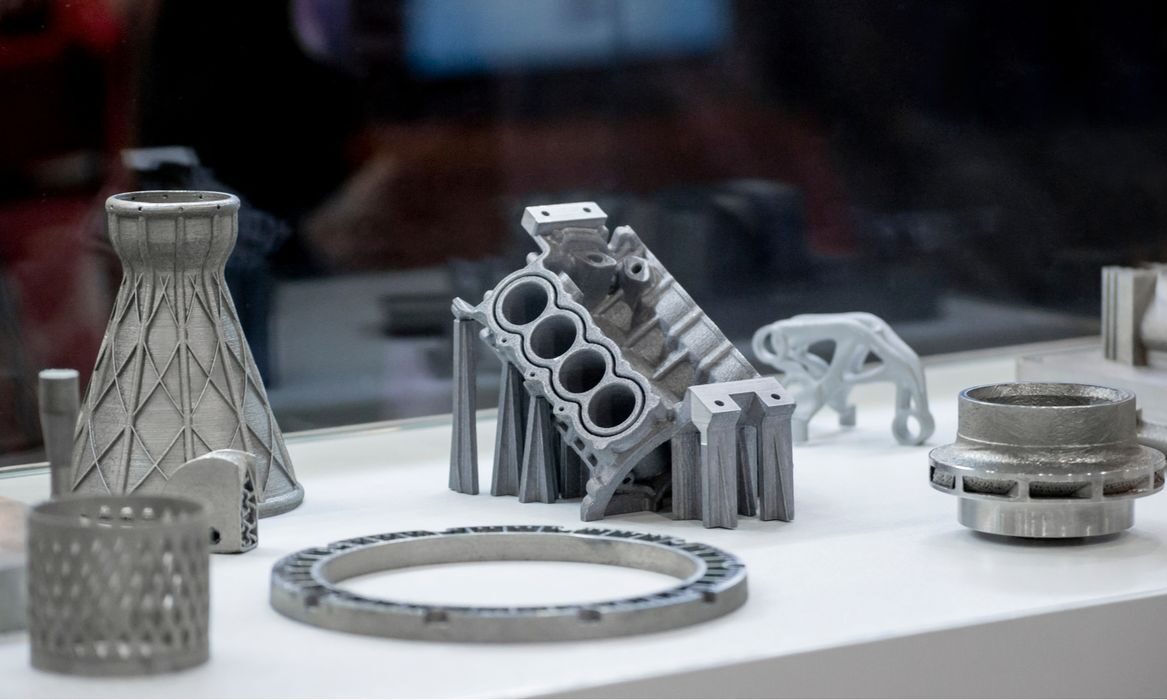
Charles R. Goulding and Preeti Sulibhavi explain how newly imposed 15–20 percent tariffs are reshaping global manufacturing strategies and why 3D printing is uniquely positioned to help companies reduce costs, reshore production, and gain resilience.
Introduction
New U.S. tariff policies—now establishing import duties in the 15–20 percent range or higher across a broad range of products—have created both challenges and opportunities for global manufacturers. While the immediate effect may be increased costs for import-heavy industries, these tariffs also present a unique opportunity for domestic production and supply chain reinvention. In particular, 3D printing is emerging as a strategic solution for companies seeking to reduce tariff exposure, localize production, and unlock innovation.
The situation recalls past inflection points in manufacturing policy: moments when structural cost changes reshaped business models. Today’s tariffs have the potential to accelerate the adoption of industrial-scale additive manufacturing in a way that simply would not have been financially justified in a lower-tariff environment.
Tariffs, Caterpillar, and the Manufacturing Response
In a recent article, we highlighted Caterpillar’s surprising US$1.5 billion tariff exposure—a figure that underscores just how deeply tariffs can affect even the largest industrial companies. Caterpillar’s relocation of its headquarters from Illinois to Irving, Texas, positions it near a thriving ecosystem of advanced manufacturing companies and research centers. With neighbors such as Baker Hughes, which has invested heavily in additive manufacturing for energy sector components, Caterpillar has access to both talent and technology that can help mitigate tariff pressures.
Caterpillar is not alone. Other industrial leaders—such as GE Additive, Honeywell, and Siemens Energy—are deploying 3D printing at scale for high-value components in aerospace, defense, and energy. These examples suggest that companies facing tariff-driven cost increases should examine additive manufacturing not as a niche R&D activity, but as a mainstream production option capable of addressing supply chain vulnerabilities.
How to Start the 3D Printing Tariff Planning Process
For companies wondering how to begin, the starting point is visibility into imports. Many enterprises already have ERP (Enterprise Resource Planning) systems equipped with customs and compliance modules that provide detailed reporting on imported products, HS codes, and the duties being paid. For firms without such systems, customs brokers can provide the same data.
Once a clear picture of high-tariff import categories emerges, companies can begin a structured 3D printing analysis:
- Identify high-tariff, high-volume imports. For example, companies that import spare parts, tooling, or subassemblies may find these items are excellent candidates for on-demand printing.
- Engage the production planning team. Production leaders often underestimate the current performance of additive manufacturing, assuming the technology is still limited to prototyping. In reality, today’s 3D printing capabilities include metal AM for aerospace parts, polymers for automotive interiors, and composites for energy and defense applications.
- Prioritize continuous-use parts. Tariffs hit hardest when applied to large, recurring import volumes. Replacing even a portion of those imports with in-house 3D printing can significantly reduce exposure.
- Revisit previously rejected 3D printing projects. Many projects that seemed marginal under pre-tariff economics may now be compelling. A project with a 10% ROI in 2022 could exceed 30% ROI in 2025 simply because of tariff-related cost avoidance.
Real-World Examples of Tariff-Driven Additive Adoption
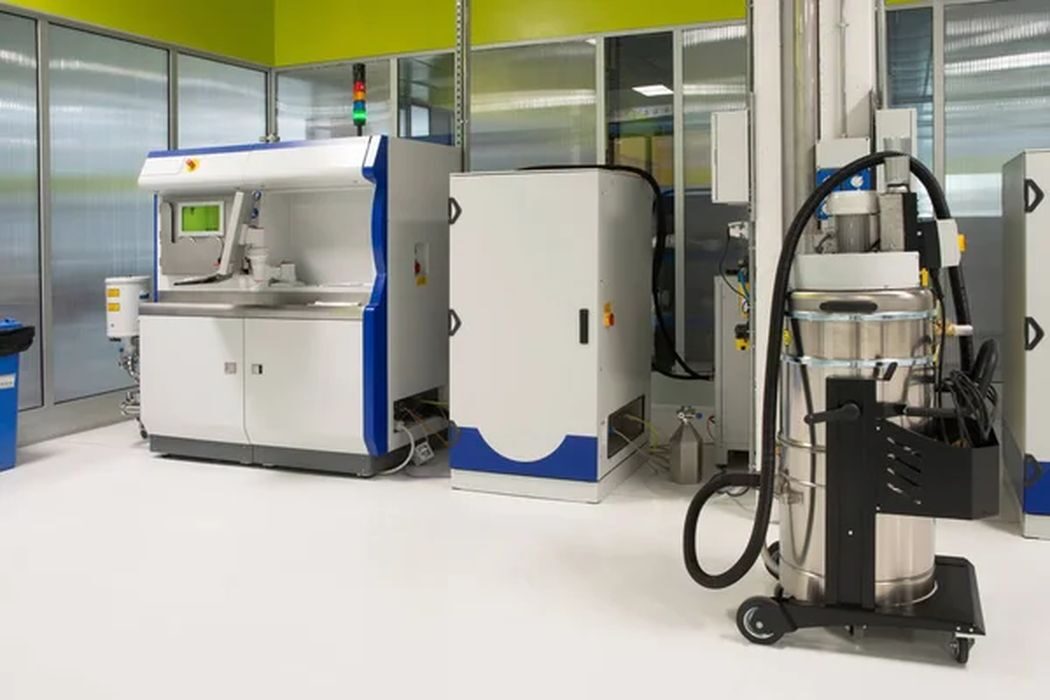
- Aerospace & Defense: The U.S. military’s ongoing use of additive manufacturing for field-deployable spare parts demonstrates how localized 3D printing can avoid long, costly supply chains. The Navy’s adoption of metal 3D printing for submarine parts has already reduced procurement delays and import dependency.
- Automotive: With tariffs affecting steel, aluminum, and electronic components, automotive OEMs are reassessing supply strategies. Ford has integrated 3D printing into its Michigan plants for tooling and prototyping, while GM has used additive manufacturing to redesign lightweight components, saving both time and money. If tariffs persist, scaling these capabilities could shift even more parts from imported to domestically printed.
- Energy Sector: Baker Hughes has used 3D printing for complex turbomachinery components, reducing the need for imported castings. Similarly, ExxonMobil and Chevron have begun pilot programs to print replacement parts at refineries, reducing downtime and avoiding international sourcing.
- Medical Devices: Tariffs on specialized surgical tools and implants have already encouraged hospitals and device manufacturers to explore point-of-care printing. The Mayo Clinic and Cleveland Clinic are leaders in this shift, showing how on-site additive manufacturing can bypass import tariffs altogether.
Tapping into Talent: Veterans and Universities
Another important enabler of tariff-driven additive adoption is talent acquisition. The U.S. military has invested heavily in additive manufacturing in recent years, from the Army’s deployment of mobile 3D printing labs to the Air Force’s work on hypersonic components. Veterans transitioning into the civilian workforce often bring hands-on experience with industrial 3D printing equipment, materials, and design processes.
Companies facing tariff exposure should consider hiring veterans specifically for additive roles. HR departments can create pipelines by partnering with organizations such as Hiring Our Heroes or DoD SkillBridge, both of which connect employers with service members nearing transition.
Universities are another critical talent source. Many research institutions expanded additive manufacturing programs in the past decade, but have since reduced staffing due to funding cycles. Schools such as Penn State’s CIMP-3D, the University of Texas at El Paso’s W.M. Keck Center for 3D Innovation, and MIT’s additive manufacturing research groups all have deep pools of students and researchers who can help accelerate company adoption. For firms without internal expertise, sponsoring university partnerships or hiring graduates is a cost-effective way to build capability.
Financing and Investment Strategies
The economic case for 3D printing strengthens considerably in a high-tariff environment. Investment projects that were marginal before tariffs now justify capital expenditures. Companies should revisit additive feasibility studies with new tariff assumptions built into ROI models.
- Tax incentives: The U.S. R&D Tax Credit remains available for companies developing new additive processes, materials, or designs. Tariff-related projects that involve technical iteration may qualify.
- IRA (Inflation Reduction Act) incentives: For companies in clean energy or transportation, additive manufacturing projects may also align with IRA funding streams.
- Reshoring grants: Some states, including Texas, Ohio, and Michigan, are offering incentives for companies that localize production. Additive manufacturing often qualifies.
Strategic Benefits Beyond Tariffs
While the immediate driver may be tariff mitigation, the broader benefits of additive manufacturing extend well beyond economics:
- Supply chain resilience: Localized production reduces dependence on vulnerable shipping lanes and geopolitical hotspots.
- Sustainability: Additive processes often reduce material waste and carbon emissions compared to subtractive manufacturing.
- Product innovation: 3D printing enables designs that are impossible with traditional processes, opening the door to better-performing, lighter, or more customizable products.
The Research and Development Tax Credit
The now permanent Research and Development (R&D) Tax Credit is available for companies developing new or improved products, processes, and/or software. 3D printing can help boost a company’s R&D Tax Credits. Wages for technical employees creating, testing, and revising 3D-printed prototypes can be included as a percentage of the eligible time spent for the R&D Tax Credit. Similarly, when used as a method of improving a process, time spent integrating 3D printing hardware and software counts as an eligible activity. Lastly, when used for modeling and preproduction, the costs of filaments consumed during the development process may also be recovered.
Whether it is used for creating and testing prototypes or for final production, 3D printing is a great indicator that R&D Credit-eligible activities are taking place. Companies implementing this technology at any point should consider taking advantage of R&D Tax Credits.
Conclusion
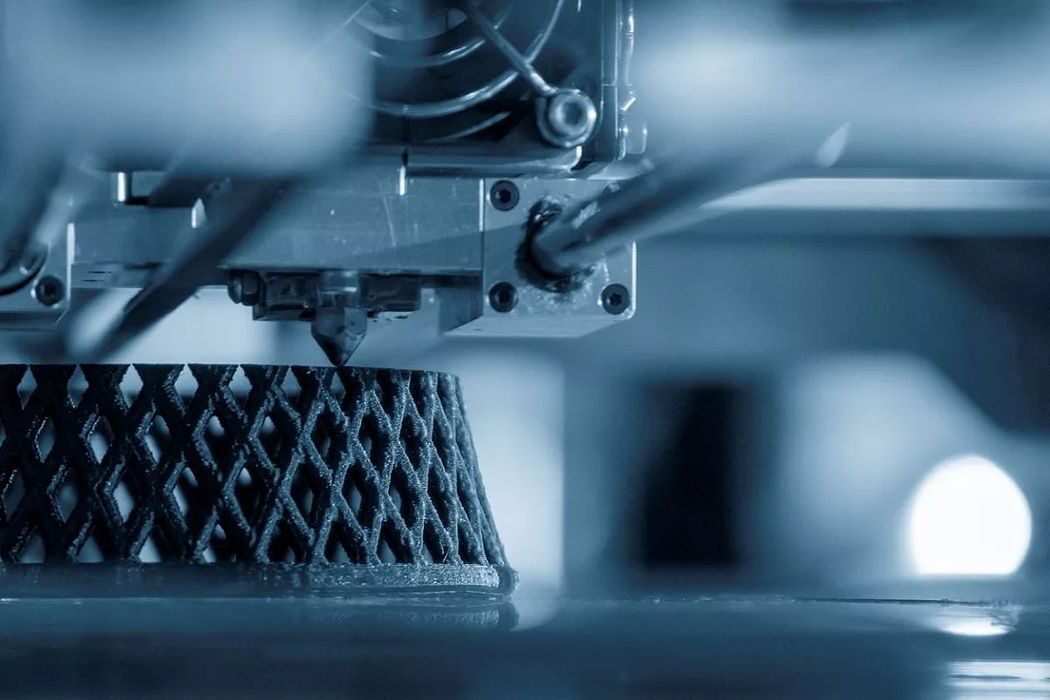
The new 15–20 percent tariffs represent a structural change in global trade economics, one that forces manufacturers to rethink sourcing strategies. While many companies will initially view tariffs as a liability, forward-looking organizations will see them as an opportunity to justify transformative investment in 3D printing.
By leveraging ERP and customs data to identify high-tariff imports, collaborating across production and 3D printing teams, and hiring talent from the military and universities, companies can accelerate adoption and reduce their tariff exposure.
Ultimately, additive manufacturing is more than a stopgap solution. In today’s tariff-driven landscape, it is a pathway to on-shoring, self-reliance, and long-term competitive advantage.