
With conflict raging in the Middle East, how are the 3D print companies doing?
Israel just happens to be one of those countries with a significant presence in the 3D print space. There are multiple companies operating from there, producing equipment for industry and professionals.
But in recent weeks, we’ve seen a major conflict erupt in the region, with significant damage being felt by all participants.
I wondered how disruptive this could be to these companies, so I quietly reached out to several Israel-based 3D print companies to enquire about their status. Of course, no one wanted to be on the record, so I will have to summarize what I found.
I was surprised to learn that most companies are largely unaffected by recent events, even though missiles might be landing at any moment. In fact, many are experiencing record sales — to defense and aerospace industries.
To be sure, international travel for business purposes has declined, but that is understandable. Companies are adapting to the situation be performing work and business remotely, for example.
It turns out that building codes in the country require structures to have proper reinforced concrete/steel shelters, and this has been the case for many years. As a result, shelters are available nearby almost everywhere.
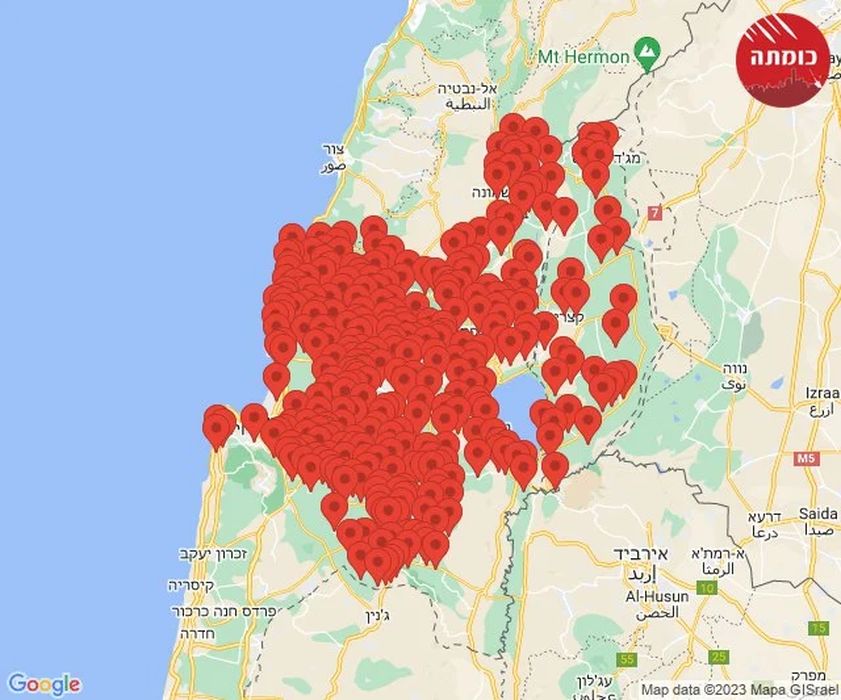
This is combined with sophisticated warning systems that provide audible sirens, as well as electronic notifications on apps. These tell everyone in specific locations when to go to a shelter, and when they can emerge safely.
Apparently, this has been going on for so long that it’s now considered a routine everyday matter: I was told a story of how a company’s workers quietly put down their tools and headed to the shelter during the workday as if it was completely normal.
Unfortunately, it just might be normal. Aside from slight delays, work continues.
Another factor I wondered about was staffing. With a conflict raging, would companies lose staff as a result of military call-ups?
This in fact did happen — two and a half years ago when all these troubles began. Since then, companies have largely figured out ways around staffing issues, and now this is not much of a factor affecting business operations.
Many 3D print companies have offices and operations outside of the conflict area, where things continue to be normal.
One primary concern seems to be about children. Since the conflict started, much of the schooling is done remotely. This means kids are at home, and they have to be supervised by parents. This is somewhat disruptive to business activities, as at least one parent has to be at home, or occasionally interrupted during their work-from-home day.
In the end, it seems that 3D print businesses in Israel are mostly doing business as normal.
In this most unusual world.
