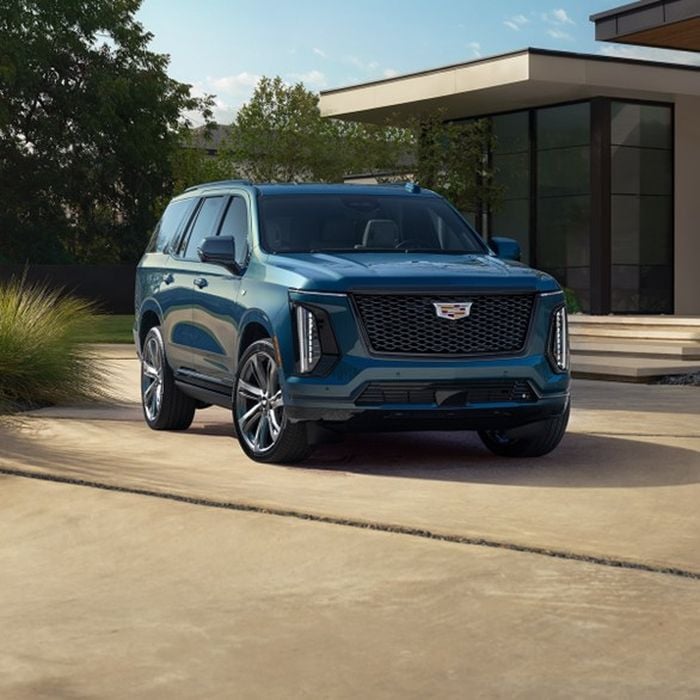
Charles R. Goulding and Leah Nabangi reveal Cadillac’s strategy to obtain Formula 1 approval while still dominating the luxury vehicle market, thanks to 3D printing.
The Spring 2026 Walls Street Journal Men’s magazine had an interesting article describing Cadillac’s quest to obtain Formula 1 approval. Historically, Formula 1 has been a European sport with limited U.S. approved entrants. When Cadillac first sought a spot, they were dissuaded from doing so. Not taking no for an answer, the team sponsors TWG Motorsports and General Motors (GM) spent hundreds of millions of dollars lobbying just for the chance to participate. Approval required a 1,000-page submission and a US$450 million dollar payment allocated to existing car owners. TWG Motorsports is owned by Mark Walter, the CEO of Guggenheim Partners and owner of the Los Angeles Dodgers. GM, Cadillac’s parent company, is the largest automobile manufacturer in the United States. Formula 1 approval finally came in March 2025 and we immediately authored a Fabbaloo article acknowledging that achievement. Cadillac F1 received over 143,000 applications for 595 advertised employee positions.
Formula 1 itself is now owned by American interests and new U.S. race locations in Austin, Las Vegas and Miami have made Americans much more familiar with the sport. American media, including the very popular Netflix Drive to Survive series and new high quality Apple media offerings currently being developed, are going to increase audience interest.
Mary Barra, GM’s highly respected CEO, believes that Formula 1 participation will enhance Cadillac’s luxury brand status and result in innovation and valuable technology transfer.

Building an organization from the ground up will enable the team to innovate without being constrained by entrenched organizational process scoliosis. Today’s successful Cadillac brand has risen like a Phoenix from the ashes of what was once a tired, dying brand. Our personal experience is that when an organization has to fight hard just to participate, it will also fight hard to compete when admitted.
When we first wrote about Cadillac’s approval, it had 115 3D printed components in its top model. Now it has over 130 developed at its Additive Industrialization Center in Warren, Michigan.
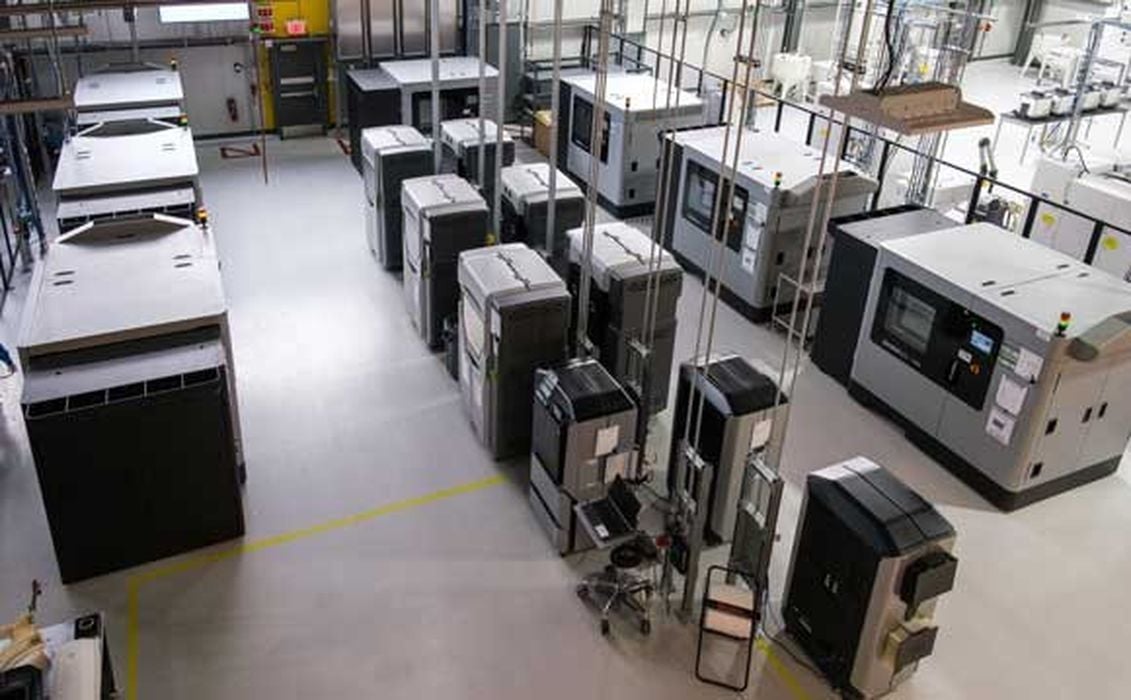
3D printing enables the development of unique, lighter auto components critical to racing.
The Research & Development Tax Credit
The now permanent Research & Development Tax Credit (R&D) is available for companies developing new or improved products, processes, and/or software.
3D printing can help boost a company’s R&D Tax Credits. Wages for technical employees who create, test, and revise 3D printed prototypes can be included as a percentage of eligible time spent for the R&D Tax Credit. Similarly, when used as a method of improving a process, time spent integrating 3D printing hardware and software counts as an eligible activity. Lastly, when used for modeling and preproduction, the costs of filaments consumed during the development process may also be recovered.
Whether it is used for creating and testing prototypes or for final production, 3D printing is a strong indicator that R&D-eligible activities are taking place. Companies implementing this technology at any point should consider claiming R&D tax Credits.
Conclusion
Cadillac has made a major effort to obtain a Formula 1 pole position while concurrently cracking the mainstream luxury car market. This may be the real drive to success story.