
Charles R. Goulding and Preeti Sulibhavi take a closer look at how the growing global plastics crisis is colliding with the future of manufacturing, and why the 3D printing industry may become part of the solution rather than part of the problem.
On May 5, 2026, I attended a presentation in New York City by environmental journalist and author Rebecca Gardiner, sponsored by the North Shore Land Alliance. The event centered on her new book, Plastic Inc., a timely examination of the global plastics industry and the environmental consequences of our growing dependence on plastic materials.
Gardiner’s background as an environmental journalist gave the presentation both urgency and credibility. Her central thesis is straightforward but troubling: major petrochemical companies, many of them subsidiaries or strategic partners of the world’s largest oil producers, are preparing for a future in which fossil fuel demand for transportation and energy declines. To offset that anticipated reduction, they are dramatically increasing investment in plastic production capacity.
The logic from the oil industry’s perspective is understandable. If electric vehicles, renewable energy, and energy efficiency reduce gasoline and diesel demand over time, oil producers need another long-term outlet for hydrocarbons. Plastics provide that outlet. Petrochemicals are increasingly viewed as the growth engine that can sustain the economics of large-scale oil and gas extraction for decades to come.
Unfortunately, the environmental costs are already visible everywhere.
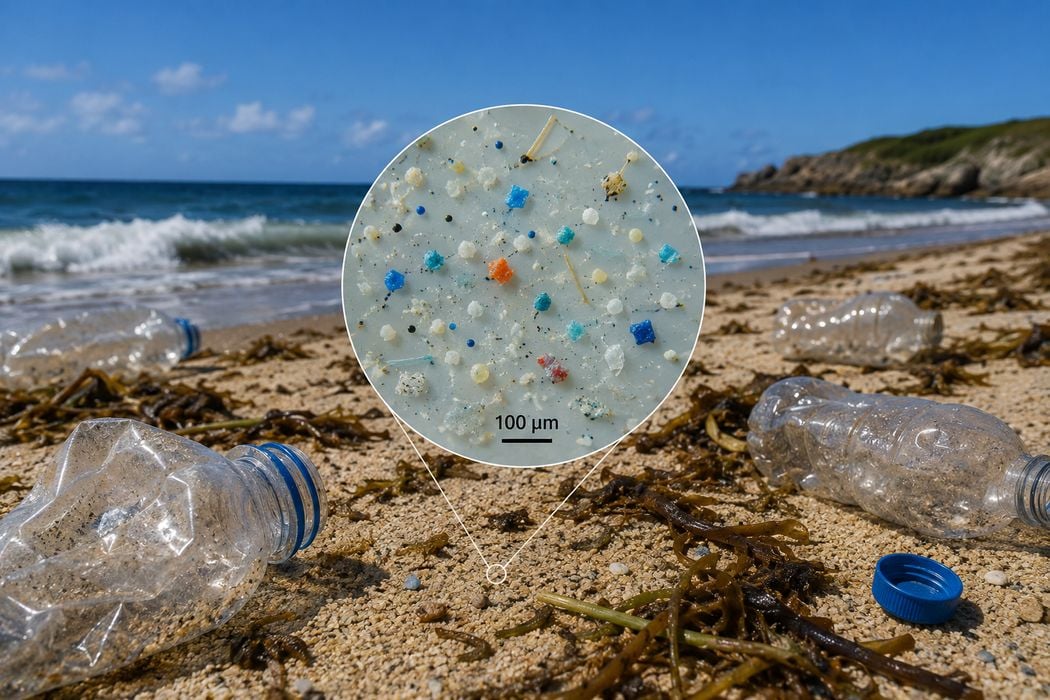
Plastic waste now contaminates oceans, rivers, streams, farmland, and urban environments worldwide. Researchers are finding microplastics in seafood, drinking water, soil, and increasingly within the human body itself. Recent studies have identified microscopic plastic particles in blood, lungs, placentas, and even brain tissue. While scientists are still studying the long-term health implications, the rapid spread of microplastics has become one of the defining environmental concerns of this decade.
One of the most alarming aspects of the plastics problem is the sheer inefficiency of the current lifecycle model. Most plastic products are designed for single use. Packaging, disposable containers, wrappers, utensils, and countless consumer items may only serve a purpose for minutes or hours before becoming waste. Despite decades of public recycling campaigns, only a small percentage of plastics are actually recycled into new products. The often-cited figure remains approximately 9%, a sobering statistic when compared to metals such as aluminum and steel, which are routinely and continuously recycled at much higher rates.
Metal recycling works because metals retain value and can often be reprocessed repeatedly without major degradation in material performance. Plastics are different. Many plastics degrade during recycling, contamination is common, sorting is difficult, and economics frequently favor virgin resin production over recycled feedstock. As a result, enormous quantities of plastic waste ultimately end up in landfills, incinerators, or the natural environment.
In fact, Fabbaloo has covered this topic before. Additionally, this topic is particularly relevant to our firm, specifically, because of our extensive client involvement in industries heavily connected to 3D printing and polymer manufacturing. These sectors include toys, medical and dental devices, sporting equipment, industrial tooling, consumer products, and advanced manufacturing applications. The additive manufacturing industry has benefited tremendously from the versatility, affordability, and performance of plastic materials. However, the industry must also acknowledge its role within the broader plastics ecosystem.
That does not mean 3D printing is the problem. In many respects, additive manufacturing can become part of the solution.
How Does the 3D Printing Industry Address the Global Plastics Crisis?
The 3D printing (additive manufacturing) industry reduces the environmental impact of the global plastics crisis by utilizing optimized design to eliminate material waste, enabling localized on-demand production to cut packaging requirements, and accelerating the adoption of sustainable materials like bio-based polymers and recyclable resins. While petrochemical companies are increasing plastic production to offset declining fossil fuel demand, additive manufacturing provides a technical framework to transition from high-waste “single-use” models to closed-loop manufacturing systems.
Like most large-scale environmental challenges, there is no single remedy. Ocean cleanup projects, for example, are now recovering significant amounts of marine plastic debris. Large-scale marine operations are removing abandoned fishing nets, floating waste accumulations, and shoreline debris at levels that would have been unimaginable only a decade ago. Yet these efforts face an uncomfortable reality: much of the recovered material still ends up in landfills because processing and recycling options remain limited.
Similarly, regulatory efforts are expanding worldwide. California has implemented increasingly aggressive packaging and recycling mandates designed to reduce single-use plastic consumption and force producers to assume greater responsibility for waste management. Kenya has become one of the world’s most aggressive regulators of plastic bags, adopting strict prohibitions that have drawn international attention. We have previously explored related sustainability and international policy themes in a Fabbaloo article discussing global manufacturing expansion and emerging markets, including Kenya. Governments, manufacturers, and consumers are all beginning to recognize that behavioral and regulatory changes will be necessary.
This capability is especially important in aerospace, automotive, medical, and sporting goods applications, where reducing weight can simultaneously lower material consumption and improve energy efficiency.
Second, the rapid growth of metal 3D printing creates opportunities to replace plastic components in selected applications. Metal additive manufacturing technologies continue to advance in affordability, scalability, and precision. While plastics will remain essential for countless products, durable metal alternatives can sometimes reduce dependence on disposable plastic components, particularly in industrial and high-performance environments.
Third, additive manufacturing enables localized and on-demand production. Instead of mass-producing millions of identical items that require extensive packaging, warehousing, and transportation, 3D printing allows products to be manufactured closer to the point of use. This distributed manufacturing model can significantly reduce packaging waste and transportation emissions.
Packaging itself represents one of the largest opportunities for improvement. Excessive plastic packaging has become deeply embedded in modern consumer culture. The 3D printing industry, along with the broader manufacturing sector, can help redesign packaging systems that use less material, incorporate recyclable alternatives, or eliminate unnecessary layers entirely.
The additive manufacturing materials sector can also improve transparency. Purchasers of 3D printing filaments and resins should increasingly demand detailed safety, toxicity, and lifecycle data from suppliers. Historically, many plastic materials entered the market long before comprehensive safety testing standards existed. As concerns about microplastics and chemical exposure grow, the industry should advocate for stronger materials disclosure, better toxicological analysis, and clearer environmental reporting.
This is particularly important in medical and dental applications, where patient safety and biocompatibility standards continue to evolve rapidly. Fortunately, many additive manufacturing companies are already investing heavily in safer resins, bio-based polymers, recyclable materials, and closed-loop manufacturing systems.
The industry is also seeing growing interest in sustainable materials research. Bioplastics, algae-derived polymers, recycled filament systems, and biodegradable composites are receiving increased investment attention. While none of these technologies alone will solve the plastics crisis, they represent meaningful progress toward more sustainable production models.
We have frequently examined the intersection of sustainability and additive manufacturing on Fabbaloo. Recent articles such as Carbon-Capturing Materials and the Push for Sustainable Additive Manufacturing and Printing With the Planet: The Rise of 3D Printed Rammed Earth Architecture highlight how advanced manufacturing technologies can align with broader environmental goals.
Technical Advantages of Additive Manufacturing for Waste Reduction
Additive manufacturing (AM) serves as a critical lever for sustainable industrial practices across sectors such as medical, aerospace, and consumer products.
| Innovation | Technical Impact | Sustainability Benefit |
| Generative Design | Creates lightweight structures. | Minimizes material usage while maintaining strength. |
| Metal AM | Replaces plastic components with durable metal. | Reduces dependence on disposable plastic parts in industrial settings. |
| Distributed Manufacturing | Localizes production near the point of use. | Eliminates excessive packaging waste and transport emissions. |
Importantly, the discussion surrounding plastics should remain grounded in practical realities rather than simplistic narratives. Plastics provide enormous societal benefits. They enable sterile medical devices, lightweight vehicles, safer food transport, affordable consumer products, advanced electronics, and countless innovations that improve modern life. The challenge is not eliminating plastics entirely. The challenge is creating systems that use plastics more responsibly, recover materials more effectively, and reduce unnecessary waste generation.
That will require collaboration among industry, regulators, researchers, and consumers.
Rebecca Gardiner’s Plastic Inc. provides an important public service by clearly identifying the scope of the problem and explaining the economic forces driving increased plastic production. The first step toward addressing any major challenge is understanding it honestly. Her work contributes meaningfully to that process.
The 3D printing industry, because of its culture of innovation and design flexibility, can play a major role in shaping better outcomes. Through smarter product design, improved materials, reduced waste, localized manufacturing, and stronger sustainability standards, additive manufacturing can help build a more responsible industrial future.
Can 3D Printing Companies Claim R&D Tax Credits for Sustainability Research?
Companies investing in the development of safer resins, bio-based polymers, and recycled filament systems are frequently eligible for the Section 41 R&D Tax Credit. Technical activities that qualify for these incentives include:
- Material Science Innovation: Testing new biodegradable composites or algae-derived polymers for structural integrity.
- Process Engineering: Developing closed-loop manufacturing systems that integrate recycled feedstock without material degradation.
- Safety & Transparency: Conducting rigorous toxicological analysis and materials disclosure reporting to meet evolving biocompatibility standards.
Final Thoughts
This issue will not disappear quickly. Plastic production is expected to continue growing substantially in coming decades. Yet industries that recognize the challenge early and invest in better solutions may ultimately help define the next generation of manufacturing leadership.
Future generations will judge today’s industries not only by what they produced, but also by how responsibly they produced it.