

Charles R. Goulding and Preeti Sulibhavi take a closer look at how the growing global plastics crisis is colliding with the future of manufacturing, and why the 3D printing industry may become part of the solution rather than part of the problem.
microplastics
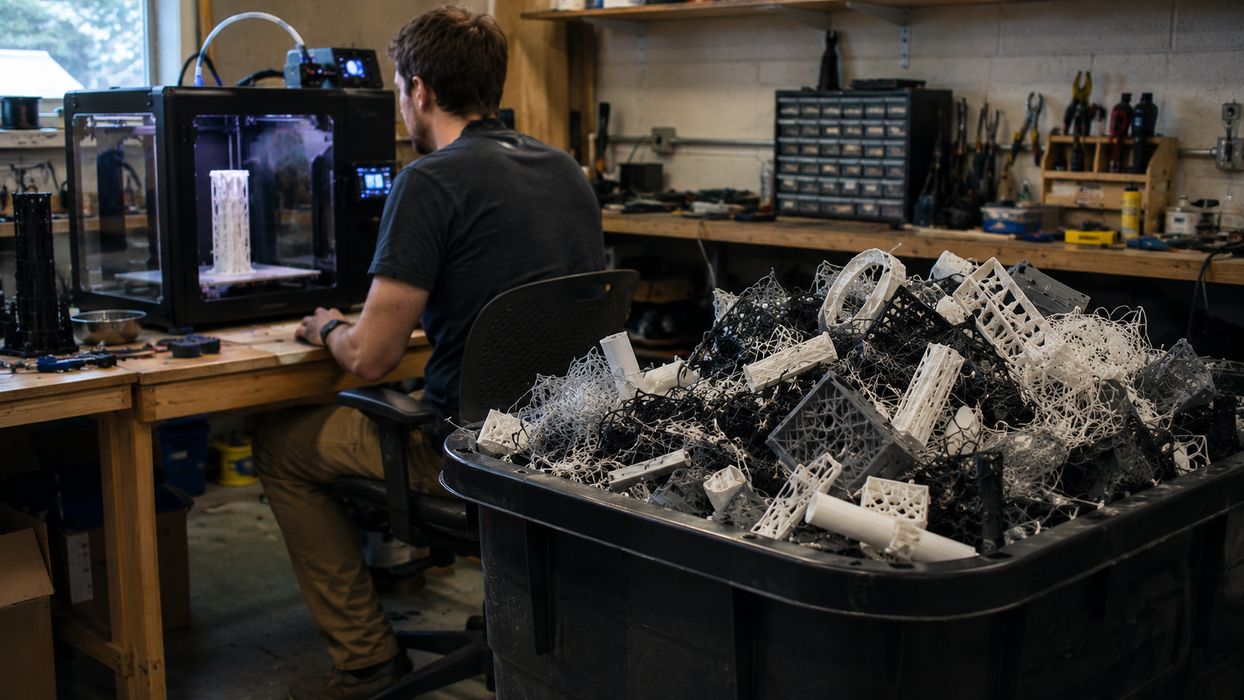
Microplastics May Be an Even Bigger Problem Than We Thought
New research adds a troubling new dimension to 3D printing waste: it may be contributing not only to pollution, but also to climate change.
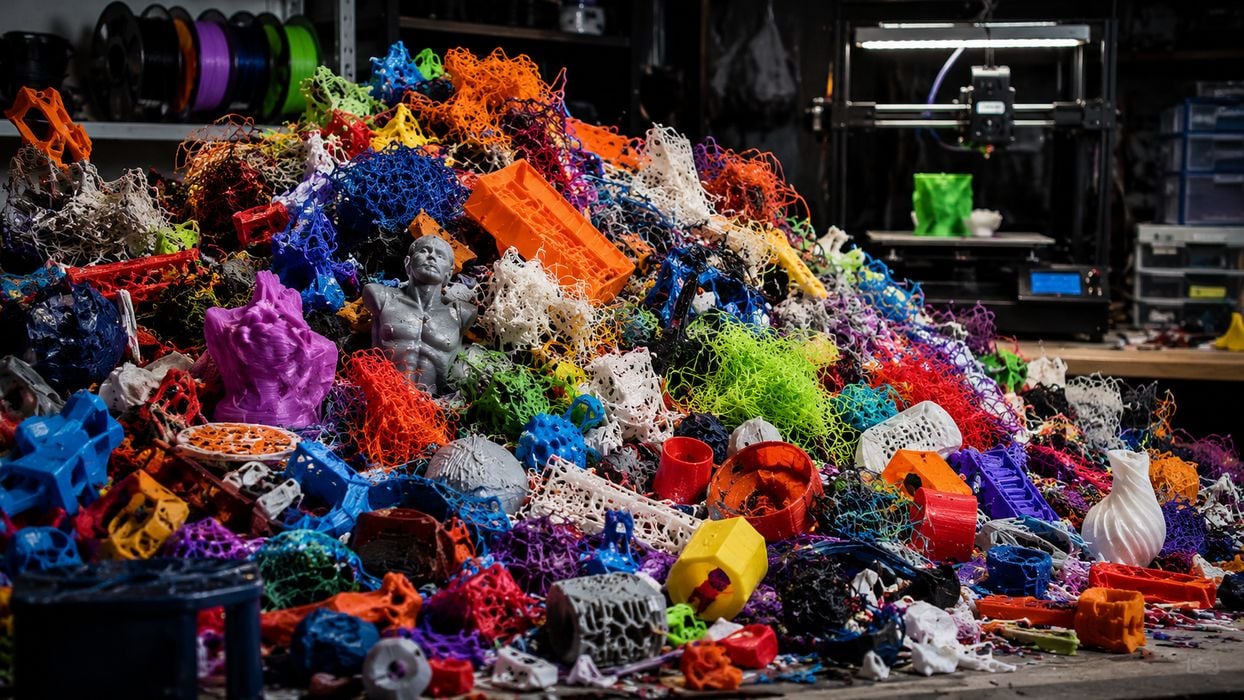
Why Recycling 3D Printer Scraps Will Never Work
Perhaps this is a controversial viewpoint, but I am now thinking that recycling of 3D print waste is a lost cause.

Road Construction Research Opens New Path for Reusing 3D Printing Plastic Waste
A report opens up the possibility that 3D printer waste could be put to good use.

Rising Microplastic Exposure Raises New Concerns for Filament-Swapping 3D Printers
There’s more dire news about microplastics.
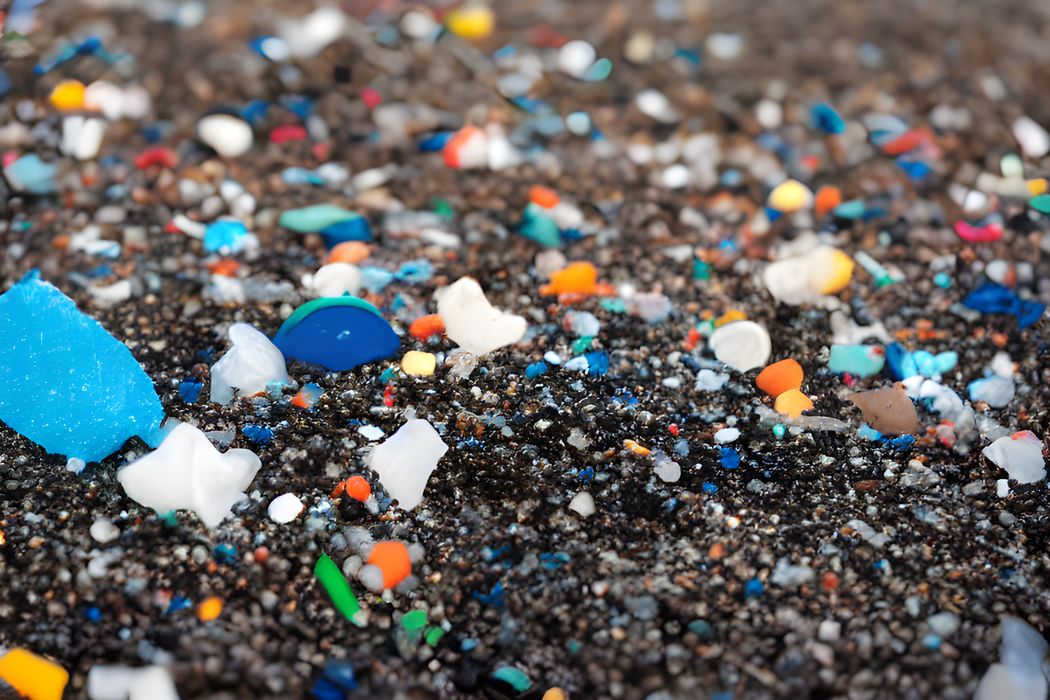
Researchers Develop Nickel Catalyst to Recycle Mixed Polyolefin Plastics
Researchers have found a way to recycle mixed polymers, or at least some of them.
Study Uncovers Massive Nanoplastic Pollution in Oceans, Including 3D Printing Materials
A new paper in Nature describes the startling amount of plastic pollution in the oceans.
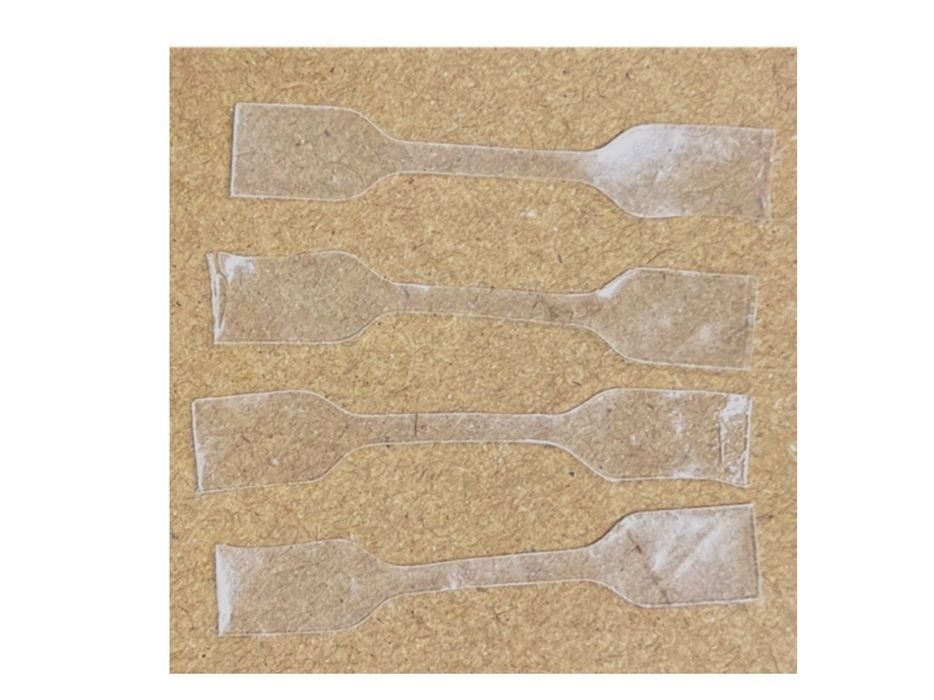
University of Tokyo Develops New Thermoplastic That Dissolves in Seawater
Scientists have developed a new plastic that dissolves in seawater.
New Study Finds Microplastics Strongly Adsorb Toxic Metals, Increasing Health Risks
There’s even more bad news about microplastics. Microplastics are rapidly becoming a major problem. They are the end result of poorly disposed plastic items. Discarded plastic eventually breaks down in the environment due to UV exposure, temperature changes, water exposure, or mechanical action. Ultimately, it becomes plastic “dust” that easily blows around the planet and… Continue reading New Study Finds Microplastics Strongly Adsorb Toxic Metals, Increasing Health Risks

Microplastic Pollution: Study Shows High Concentrations in Human Brain Tissue
A new report highlights the current microplastic pollution: there are significant amounts of microplastics inside all of us.
Key Insights from Prusa Research’s 2023 Sustainability Report
Prusa Research recently issued their annual Sustainability Report. Let’s take a look through it and see what we can learn.

The Rising Concern of Waste in Multimaterial 3D Printing: Solutions and Innovations
There’s a growing poop problem in 3D printing.

Zaxe Teases Game-Changing Z4 Printer to Tackle Multimaterial Speed and Waste
Zaxe is developing a mysterious solution to the multimaterial waste problem.

PHA Garden Experiment Demonstrates Biodegradability
Is there really a biodegradable 3D print material? It turns it there is at least one: PHA.
Marine Fungus Breaks Down Plastics: A Potential Solution for 3D Printer Waste?
A development in the microplastics situation has arisen, which could eventually be of interest to 3D printer operators.

Breaking Down Plastics with Bacteria: Could This Work For 3D Printing?
Researchers have developed a unique way to decompose specific plastics: with embedded bacteria.
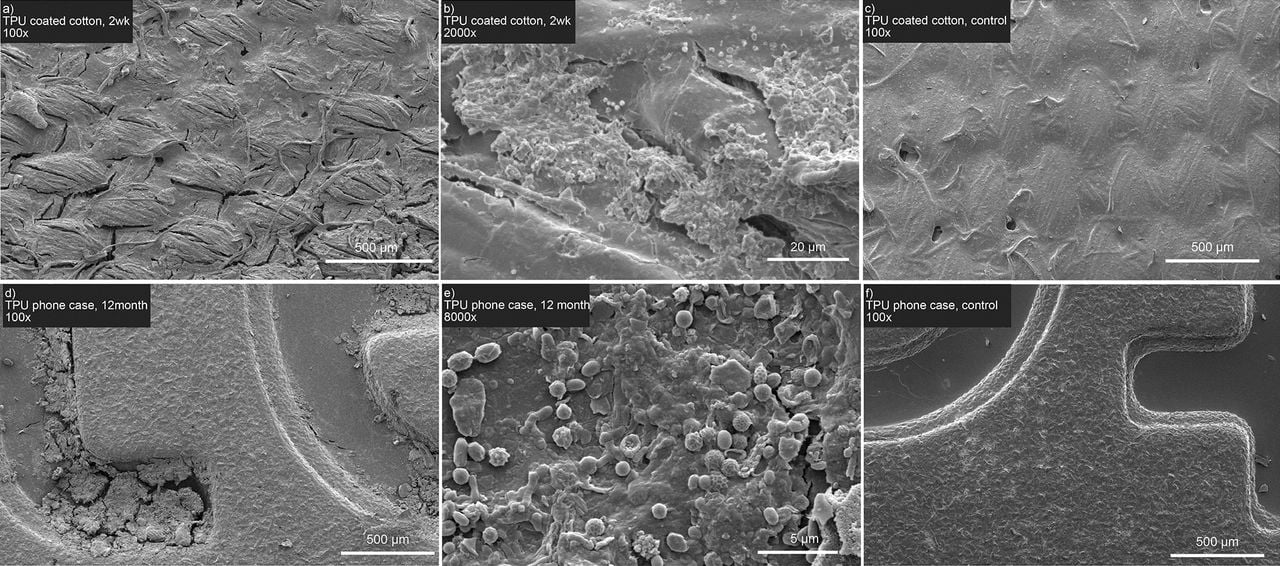
Study Demonstrates Complete Natural Breakdown of Bio-Based Polymer
A study proves certain bio-based polymers can complete degrade in the natural environment.
Microplastics Detected in Human Placentas: Sustainable 3D Printing Materials Required
The microplastics problem is far worse than anyone suspected.

Innovative Research Offers Hope for Recycling 3D Printing Materials
There’s been another development in the science of recycling polymers that could affect 3D printing.
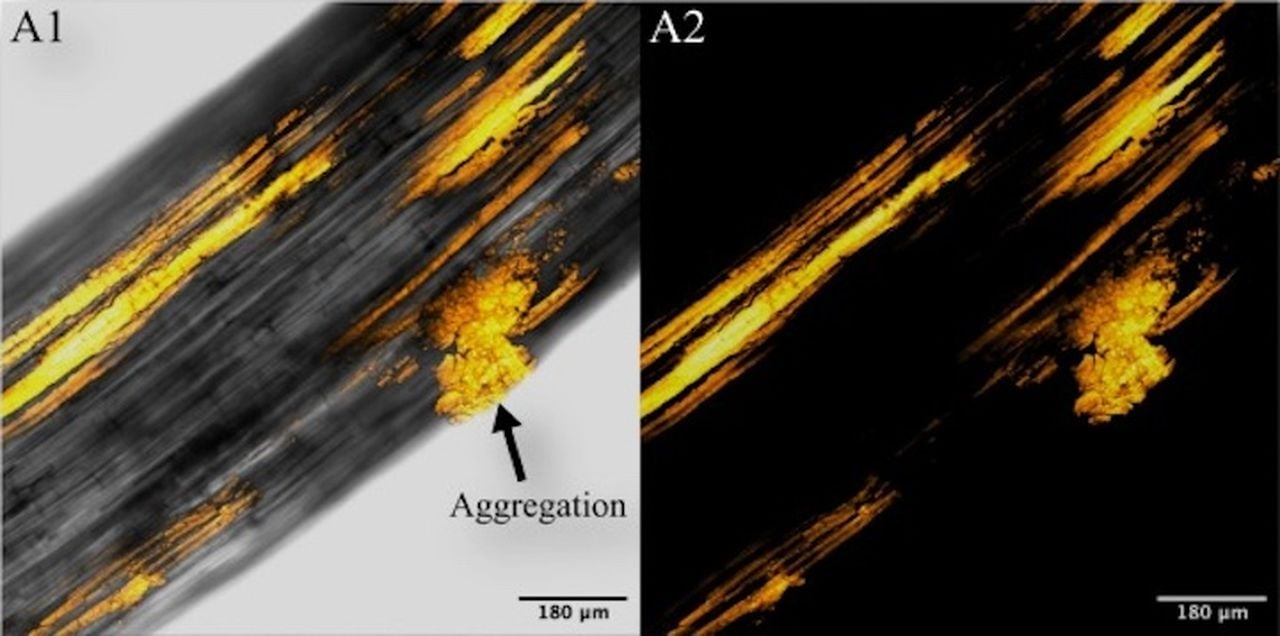
New Studies Linking Microplastics in Plants May Trigger Shift in 3D Printing Materials
There’s more evidence of microplastics causing negative effects, which will eventually affect 3D printing.