Charles R. Goulding and Preeti Sulibhavi discuss MakerStage’s push to streamline medical-device-aware supplier routing across a global network, connecting supply with demand.
Medical device manufacturing has always lived at the intersection of precision, regulation, and risk. What’s changing now is how quickly companies expect to move from concept to compliant production. In a conversation with Nishat Rustagi, Founder and CEO of MakerStage, on April 16, 2026, we spoke about how digital manufacturing platforms are reshaping that process, particularly at the prototype and low-volume stages where most bottlenecks still occur.
MakerStage has recently expanded its focus on medical device OEMs with a dedicated resource section that walks engineers and procurement teams through the realities of supplier selection, process choice, and compliance. The intent is clear: simplify a fragmented ecosystem while maintaining the rigor required for regulated applications, with ISO 13485-certified partners available right when and where customers need them.
CNC vs. 3D Printing: It’s Not Either-Or
One of the first decisions in early-stage medical device manufacturing is whether to use CNC machining or additive manufacturing. The answer, as Rustagi emphasized, is rarely binary.
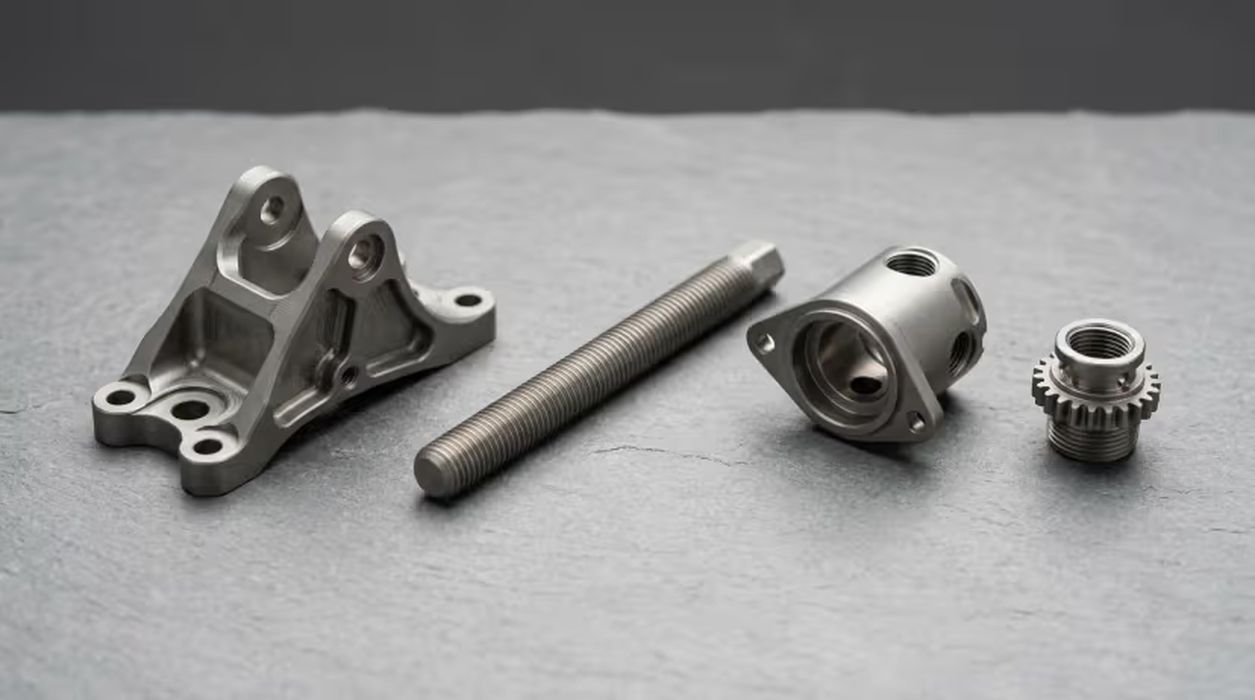
CNC machining remains the gold standard for tight tolerances, predictable material properties, and regulatory familiarity. For implantable components or surgical tools where surface finish and dimensional accuracy are critical, CNC is often non-negotiable. Metals like titanium and stainless steel behave consistently under subtractive processes, and suppliers certified to ISO 13485 have well-established validation pathways.
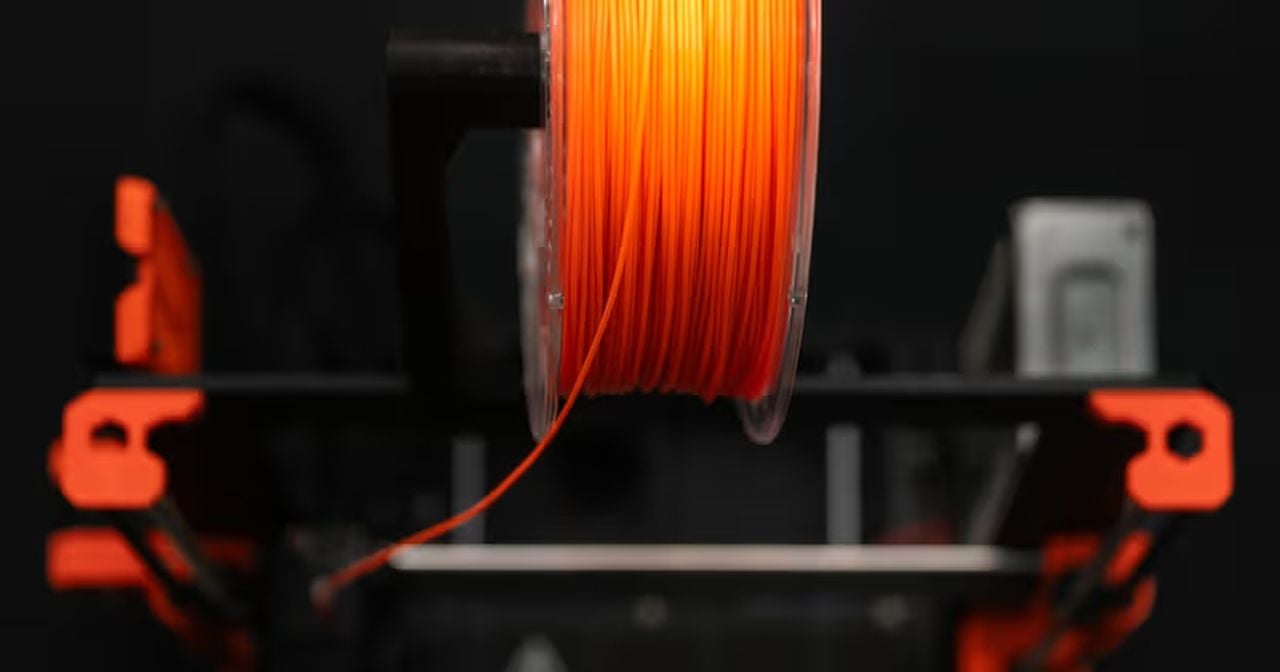
3D printing, on the other hand, excels in speed and geometric freedom. Complex internal channels, lattice structures, and patient-specific designs are often only feasible through additive processes. For prototyping, it allows teams to iterate quickly without committing to tooling. In low-volume production, especially for customized devices, additive manufacturing can even bypass traditional economies of scale.
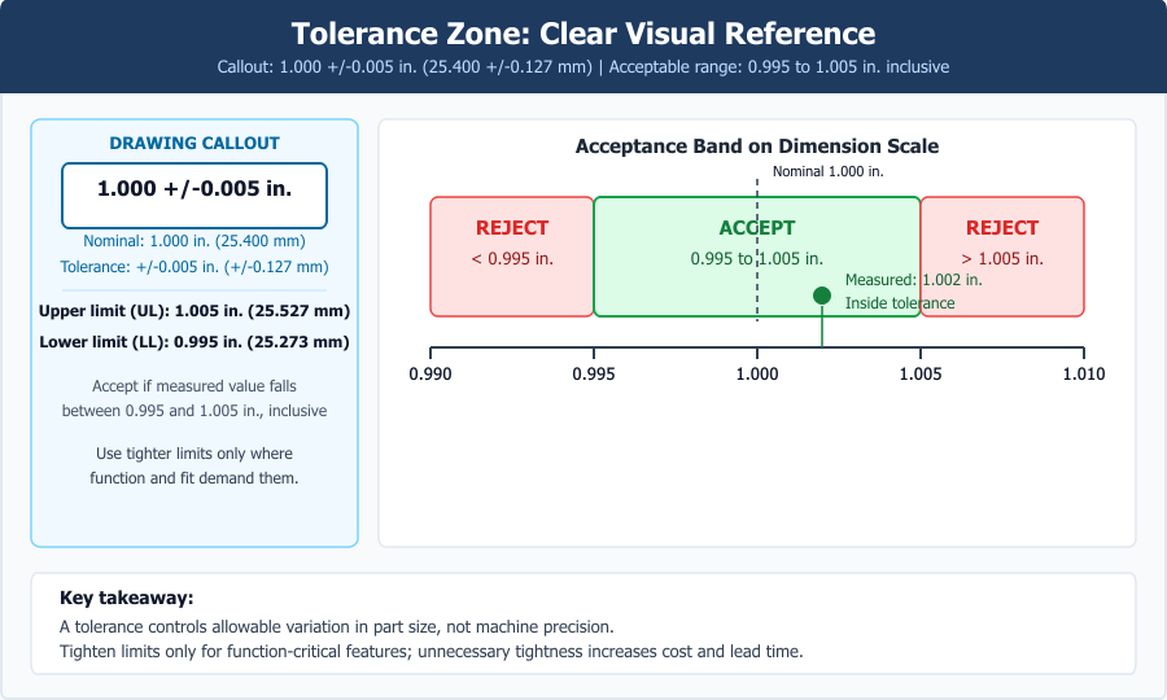
MakerStage’s approach is to route jobs based on functional requirements rather than forcing a process decision upfront. Their platform evaluates part geometry, material needs, tolerance bands, and intended use to match projects with suppliers that specialize in either CNC, additive, or hybrid workflows. This is particularly useful in medical contexts where a single device may include both machined and printed components.
The Complexity of ISO 13485 Supplier Routing
Compliance is where many digital manufacturing platforms fall short. It’s not enough to connect buyers with suppliers; those suppliers often need to operate within ISO 13485-aligned quality management systems, depending on device classification.
MakerStage has built its platform to match projects with appropriately qualified suppliers, including those with ISO 13485 certification when customers require it. Supplier onboarding includes verification of certifications, process controls, and documentation practices. But more importantly, the platform uses AI to enable what Rustagi describes as “intelligent routing.” Instead of a generic RFQ process, projects are directed only to suppliers whose capabilities and certifications align with the project’s stated manufacturing, quality and compliance requirements.
For example, a prototype intended for internal testing may not require the same level of documentation as a component destined for clinical trials. MakerStage differentiates between these stages and adjusts supplier selection accordingly. This reduces cost and lead time without compromising compliance where it matters.
The challenge, of course, is scale. MakerStage’s network spans more than 200 suppliers across the U.S. and key manufacturing hubs in China, Vietnam, Malaysia, India, and Singapore. Each region brings different strengths, cost structures, and regulatory nuances. Coordinating that network while maintaining quality and compliance standards, is a non-trivial problem—and one MakerStage is attempting to solve through software rather than manual procurement processes.
Quality at the Prototype Stage
Quality is often treated as something that becomes critical later in the product lifecycle. In medical devices, that assumption can be costly.
Rustagi pointed out that many downstream issues—failed validations, design revisions, regulatory delays—can be traced back to inconsistencies in early prototypes. If a prototype is built using processes or materials that don’t translate to production, the data it generates may be misleading.
MakerStage addresses this by encouraging what could be called “production-aware prototyping.” Even at low volumes, the platform prioritizes suppliers and processes that mirror eventual manufacturing conditions. That might mean using CNC instead of 3D printing for certain components, or selecting additive processes that are already validated for medical use.
Documentation is another key factor. Prototype builds on the platform include traceability for materials, process parameters, and inspection results. This creates a data foundation that can be carried forward into later stages, reducing redundancy and accelerating regulatory submissions.
Low-Volume Production: The Forgotten Middle
Between prototyping and mass production lies a phase that is often underserved: low-volume manufacturing. For medical devices, this stage can include pilot runs, clinical trial units, and early market releases.
Traditional manufacturers are not always optimized for this scale. High-volume facilities prioritize throughput, while prototype shops may lack the quality systems required for regulated production. This creates a gap that companies like MakerStage are aiming to fill.
By aggregating a distributed network of specialized suppliers, MakerStage can match low-volume jobs with facilities that are both cost-effective and compliant. This is particularly valuable for startups and mid-sized OEMs that need flexibility without sacrificing quality.
Rustagi described this as a “modular manufacturing model,” where different parts of a device can be produced by different suppliers, each selected for their specific expertise. The platform then coordinates logistics, quality documentation, and communication, effectively acting as a digital manufacturing layer.
This manufacturing model became useful during the COVID-19 pandemic when MakerStage, in conjunction with a Stanford Biosecurity initiative, 3D printed face shields, DIY face masks, and DIY ventilator parts in various materials for healthcare professionals on the front lines.
MakerStage’s Niche in a Crowded Market
Digital manufacturing platforms are not new, but MakerStage’s focus on multi-region supplier routing, on-time delivery, and a more streamlined sourcing experience sets it apart. While many platforms prioritize speed and price, MakerStage emphasizes supplier curation, tariff-aware geographic flexibility across six countries, and roughly 99% on-time delivery across a distributed network.
The company is headquartered in the San Francisco Bay Area, with a strong operational footprint in Asia. This dual presence allows it to bridge cost advantages in emerging manufacturing hubs with the quality expectations of U.S.-based engineering companies.
Rustagi himself brings a background that blends engineering, operations, and global supply chain management. That experience is evident in the platform’s design, which reflects a deep understanding of both technical and procurement challenges.
Rather than positioning itself as a marketplace, MakerStage is closer to a managed network. Suppliers are curated, not just listed, and projects are guided through a structured workflow rather than left to open bidding. This approach aligns well with the needs of medical device OEMs, where risk mitigation often outweighs cost savings.
Digitizing Procurement and Manufacturing
At its core, MakerStage is an AI-enabled manufacturing platform aimed at solving a procurement problem. Medical device companies often rely on a patchwork of suppliers, spreadsheets, and manual processes to source components. This can lead to delays, miscommunication, and quality issues.
By digitizing the entire workflow—from RFQ to delivery—the platform aims to create a more transparent and efficient system. Engineers can upload designs, receive feedback, and track progress in real time. Procurement teams can run sourcing through a more centralized workflow, reducing fragmented communication and manual follow-up. It offers more flexibility and improved service.
This level of integration is particularly valuable in a global context. Coordinating suppliers across multiple countries introduces complexity in communication, logistics, and compliance. A centralized digital platform can help standardize these processes, reducing variability and risk.
The Research & Development Tax Credit
The now permanent Research & Development Tax Credit (R&D) is available for companies developing new or improved products, processes, and/or software.
3D printing can help boost a company’s R&D Tax Credits. Wages for technical employees who create, test, and revise 3D printed prototypes can be included as a percentage of eligible time spent for the R&D Tax Credit. Similarly, when used as a method of improving a process, time spent integrating 3D printing hardware and software counts as an eligible activity. Lastly, when used for modeling and preproduction, the costs of filaments consumed during the development process may also be recovered.
Whether it is used for creating and testing prototypes or for final production, 3D printing is a strong indicator that R&D-eligible activities are taking place. Companies implementing this technology at any point should consider claiming R&D tax Credits.
Looking Ahead
The medical device industry is under increasing pressure to innovate faster while maintaining stringent regulatory standards. Digital manufacturing platforms like MakerStage are emerging as a potential solution, but their success will depend on their ability to balance speed with compliance.
Based on our conversation with Rustagi, MakerStage is positioning itself as more than just a sourcing tool. It aims to become an infrastructure layer for medical device manufacturing—one that integrates design, procurement, production, and quality into a single workflow.
Rustagi maintains, “Not every medical device part needs a 13485-certified supplier. A prototype for internal testing has a different bar than a component destined for a 510(k) submission. Our job is to match the right supplier to the right stage, not force every job through the highest compliance tier.”
If the company can continue to expand its supplier network while maintaining quality and compliance standards appropriate to each vertical, it could play a significant role in shaping how medical devices are developed and produced. The focus on low-volume, high-complexity manufacturing is particularly timely, as personalized medicine and rapid innovation become more prevalent.
More broadly, the industry is likely to move toward greater digitization and automation. Manual procurement processes are increasingly seen as a bottleneck, and companies are looking for ways to streamline operations without compromising quality. Rustagi emphasizes that particularly in this tariff environment, this flexibility is key to companies’ success. MakerStage also serves robotics, autonomous systems, renewable energy, semiconductor, and electronics customers with similar sourcing solutions.
MakerStage’s approach suggests that the future of medical device manufacturing may not lie in centralized mega-factories, but in distributed, digitally connected networks of specialized suppliers. If that vision holds, the companies that succeed will be those that can orchestrate complexity rather than eliminate it.
According to Rustagi, “The future of medical device manufacturing isn’t one mega-factory. It’s a distributed network of specialized suppliers, coordinated through software. The companies that win will be the ones that can orchestrate that complexity rather than avoid it.”
For now, platforms like MakerStage are still proving their model. But as regulatory requirements evolve and supply chains become more global, the demand for smarter, more integrated manufacturing solutions will grow exponentially.