
Are 3D printer filaments toxic? It turns out they might be.
Czech scientists have undertaken an interesting study to determine the toxicity of commonly used 3D printer filament materials.
It’s long been known that resin 3D printing uses materials that are typically toxic, as they can cause lifelong allergic reactions when sufficient exposure is accumulated. Meanwhile, most people believe that filament 3D printing, FFF, is much safer.
But is it? That was the question in the minds of the researchers, and they set about testing their hypothesis. They tested 16 different filament material variations by exposing them to dermal (skin) cell cultures. Note that the material did not touch the cells, but was merely adjacent.
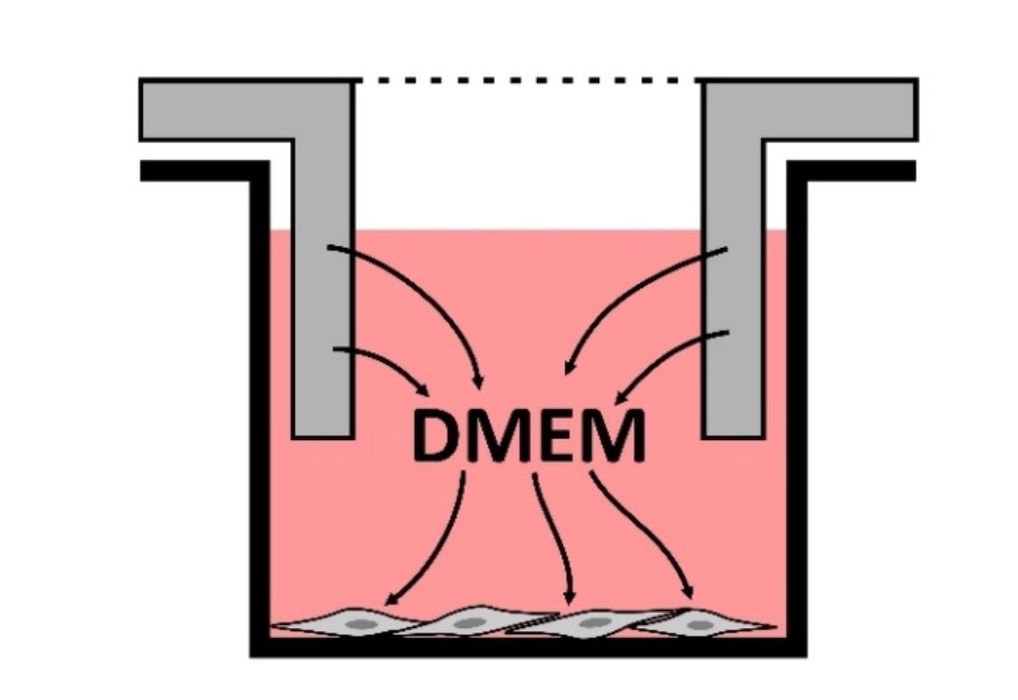
The exposure involved inspections at the 24-hour and seven-day marks. Researchers would look at the cultures and perform cell counts and other more involved tests.
The print samples were produced on a stock Prusa MK3S desktop FFF 3D printer, and the materials tested were:
- Fillamentum Extrafill Crystal Clear PLA
- Fillamentum Extrafill Trafic White PLA
- Fillamentum Extrafill Trafic Black PLA
- Fillamentum Extrafill Natural PLA
- Fillamentum HG100 Extrafill Natural CPE
- Fillamentum Extrafill Black ABS
- Fillamentum Extrafill Natural ASA
- Fillamentum Extrafill Natural ABS
- Fillamentum Extrafill Transparent ABS
- Fillamentum A98 Traffic White FLEX/TPU
- Fillamentum Natural PC-ABS
- Prusament Jet Black PLA
- Prusament PETG Jet Black PETG
- Prusament Blend PC
- Smartfill Medical ABS
- Verbatim PP Transparent PP
These are instantly recognizable as materials very commonly used in desktop 3D printers. If you don’t use these particular filaments on your system, you would use materials that are very similar.
The strongest adverse result came from the tested flexible TPU filament:
- visible cell-shape abnormalities and vacuoles after seven days
- approximately 17% lower metabolic viability
- approximately 16% lower single-cell fluorescence
- nearly 59% lower routine mitochondrial respiration
- nearly 88% lower ATP-linked respiration
PETG, PC, and PP also showed delayed problems. Interestingly, cell numbers increased while the metabolic health of individual cells declined. More cells, but less healthy cells? A basic cell-count test result could look acceptable while the cells were actually under significant metabolic stress.
PLA, CPE, ASA, and most standard ABS samples were comparatively stable. However, there were exceptions:
one PLA sample showed reduced mitochondrial respiration
the tested “medical-grade” ABS performed worse on one long-term cellular-health measure than the standard ABS samples
The researchers suspect additives, pigments, processing additives, residual monomers, and heat-generated degradation products might have caused this particular PLA to cause issues, but they could not identify the specific culprit.
What does all this mean? Are 3D printer filaments toxic? Here’s what I believe:
- Ordinary short-term handling is not shown to be dangerous by this study.
- Long-term prolonged skin contact requires caution, or perhaps requires a physical barrier.
- Material type doesn’t determine the toxicity; the specific formulation from each vendor does (and they don’t tell you)
- PLA is, in most circumstances, the safest alternative.
Perhaps it is no longer a good idea to print watchbands, bracelets, and similar objects in TPU.
Via Nature
